Artwork
Portrait of Basilios Bessarion
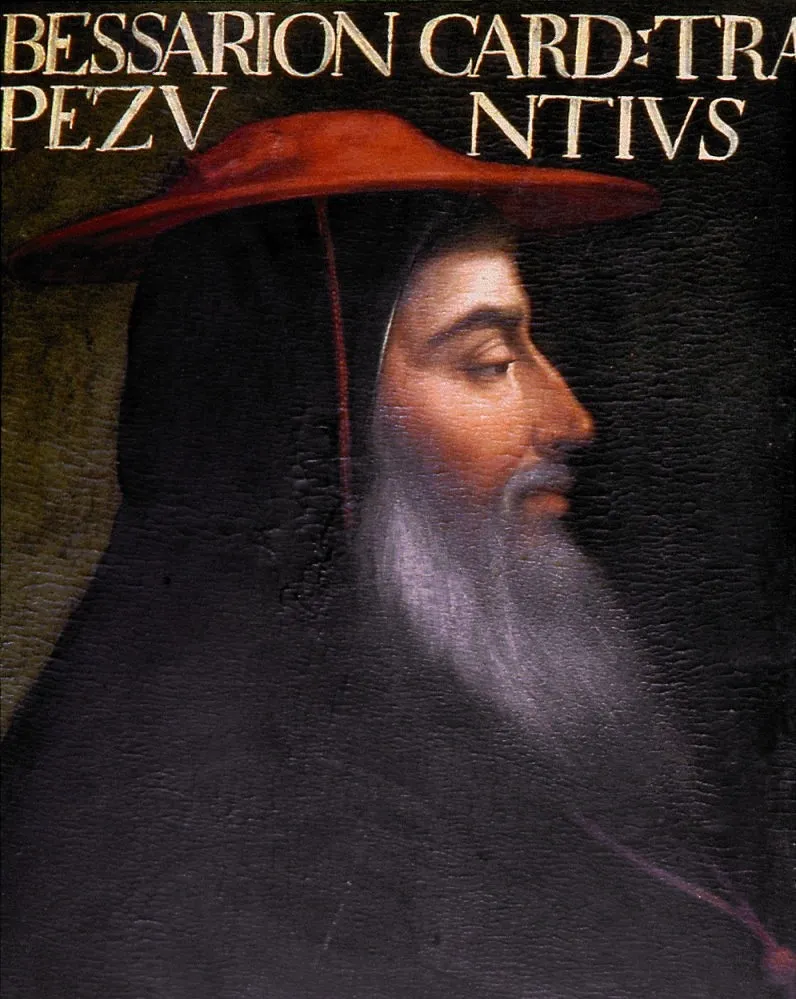
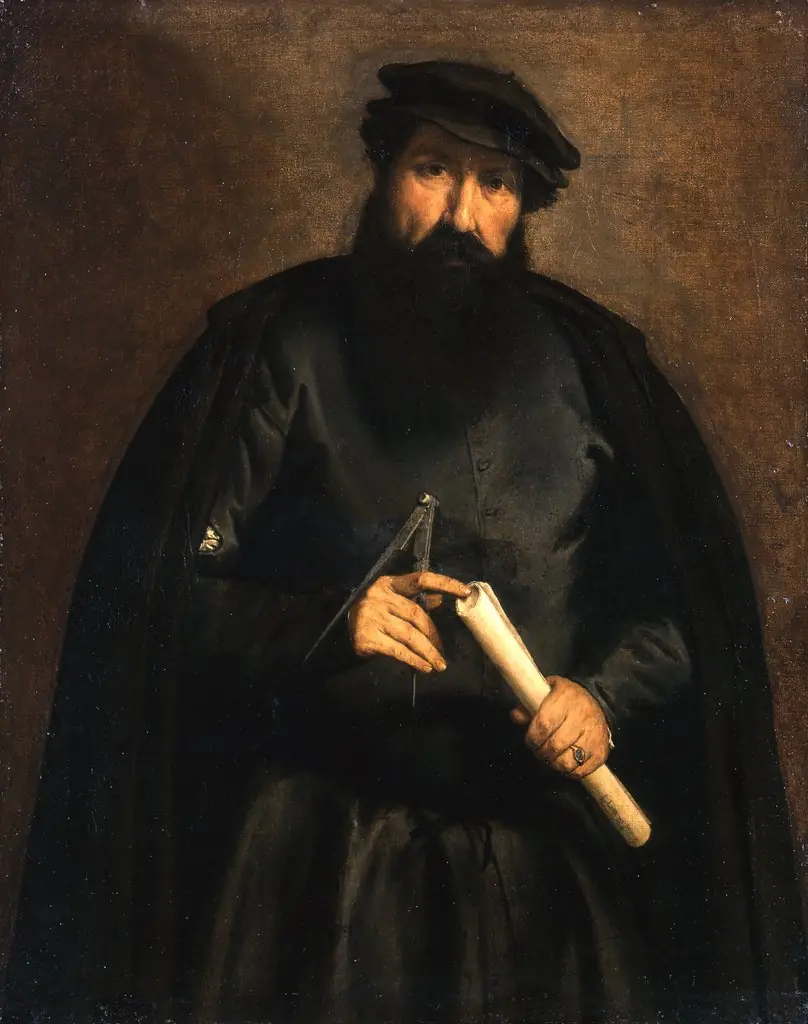
Portrait of Basilios Bessarion is an unspecified painting by the Mannerist artist Cristofano dell'Altissimo. It dates from 1556 and is held in the collection of the Uffizi Gallery.
About this work
Overview
The work was one of more than 280 portraits copied from Paolo Giovio’s collection, intended to form a visual archive of notable historical figures.
Cristofano dell'Altissimo painted the portrait of Basilios Bessarion in 1556 as part of a larger project commissioned by Cosimo I de' Medici. The work was one of more than 280 portraits copied from Paolo Giovio’s collection, intended to form a visual archive of notable historical figures. Dell'Altissimo, a Florentine artist active through the mid-to-late 16th century, executed these reproductions with precision, preserving the likenesses of scholars, rulers, and ecclesiastics for the Medici court.
Subject & Meaning
Basilios Bessarion was a 15th-century Byzantine scholar, cardinal, and advocate for the union of Eastern and Western Christianity. His portrait reflects his intellectual stature and ecclesiastical authority. The solemn expression, direct gaze, and refined attire convey a sense of dignified gravitas, aligning with his legacy as a bridge between Greek learning and Renaissance humanism. The image serves not as a personal likeness but as a symbolic representation of scholarly virtue.
Technique & Style
The painting employs the restrained palette and controlled composition typical of Mannerism. A dark, unmodulated background isolates the figure, enhancing the focus on Bessarion’s face and attire. The rendering of his white beard and red hat is meticulous, with subtle tonal variations suggesting texture without overt modeling. The tilted hat and steady gaze contribute to a composed, almost statuesque presence, characteristic of dell'Altissimo’s approach to portraiture.
History & Provenance
The portrait originated in the Giovio Series, a collection assembled by the historian Paolo Giovio in Como and later acquired by Cosimo I de' Medici. Dell'Altissimo was tasked with copying these works for the Medici collection, ensuring their preservation and dissemination. Many of these copies, including this one, entered the Uffizi Gallery’s holdings, where they remain as key examples of 16th-century portrait replication practices.
Context
In mid-16th century Florence, the Medici court cultivated an image of cultural authority through the collection and reproduction of historical portraits. Dell'Altissimo’s work was part of this broader effort to link the dynasty to the intellectual legacy of antiquity and the Renaissance. The replication of Bessarion’s image reinforced the Medici’s role as patrons of learning and heirs to Byzantine and humanist traditions.
Legacy
The portrait endures as a representative example of the Giovio Series, illustrating how Renaissance courts preserved and recontextualized historical figures through painted copies. While not an original likeness, it played a vital role in shaping the visual memory of key intellectuals. Dell'Altissimo’s precise technique ensured these images retained their documentary value, influencing later approaches to historical portraiture in institutional collections.
Artist & collection
Artist
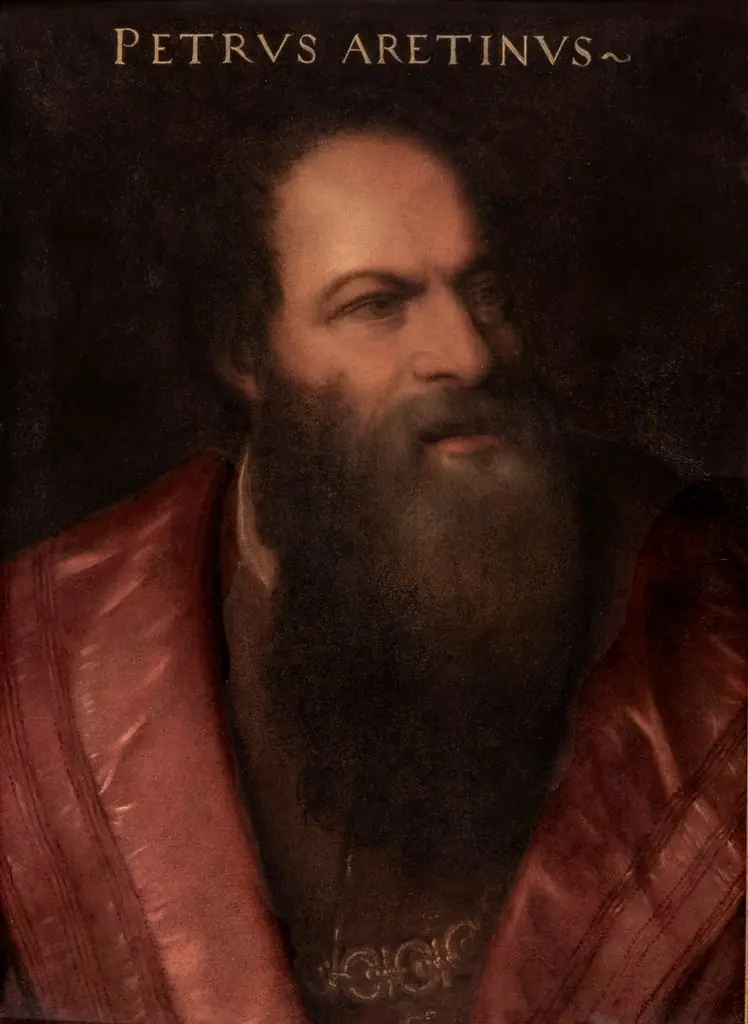
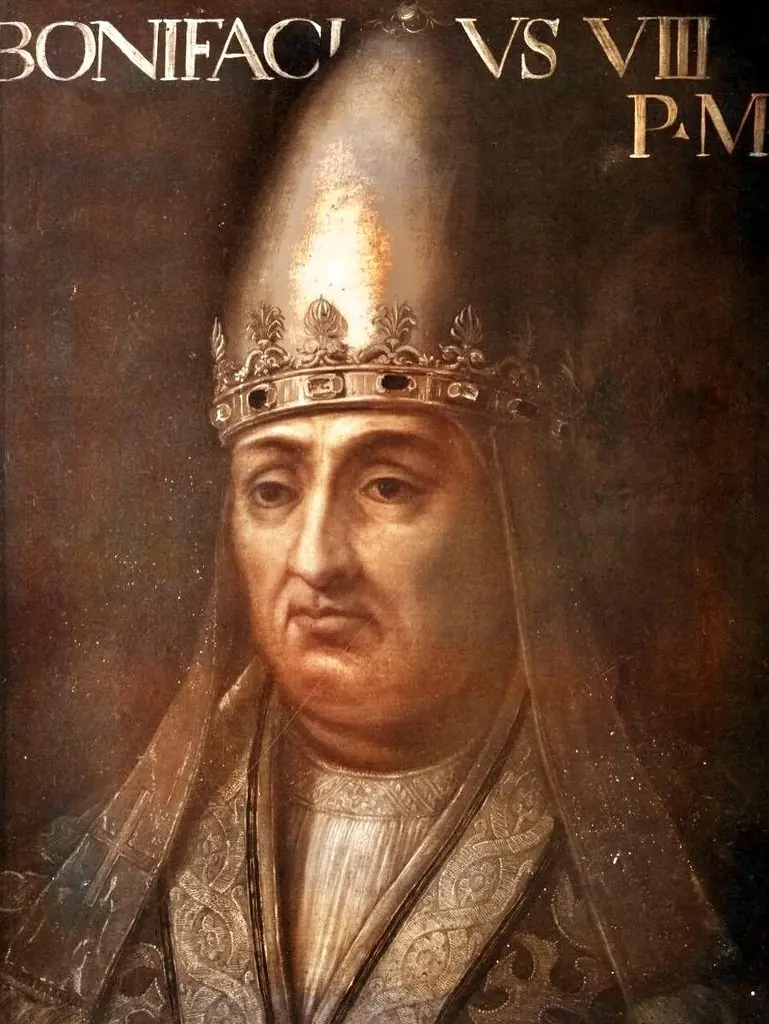
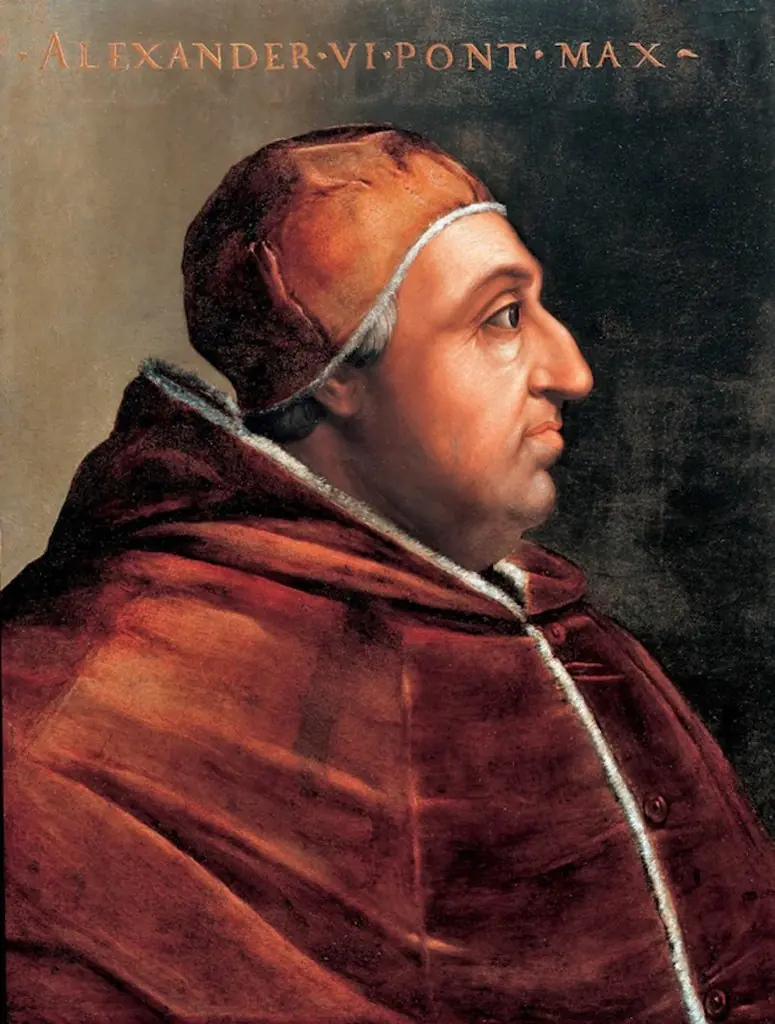
Cristofano dell'Altissimo (c. 1525 – 1605) was an Italian painter in Florence. For duke Cosimo I de' Medici he copied in Como at least 280 of the portraits from the Collection of Paolo Giovio known as the Giovio Series…

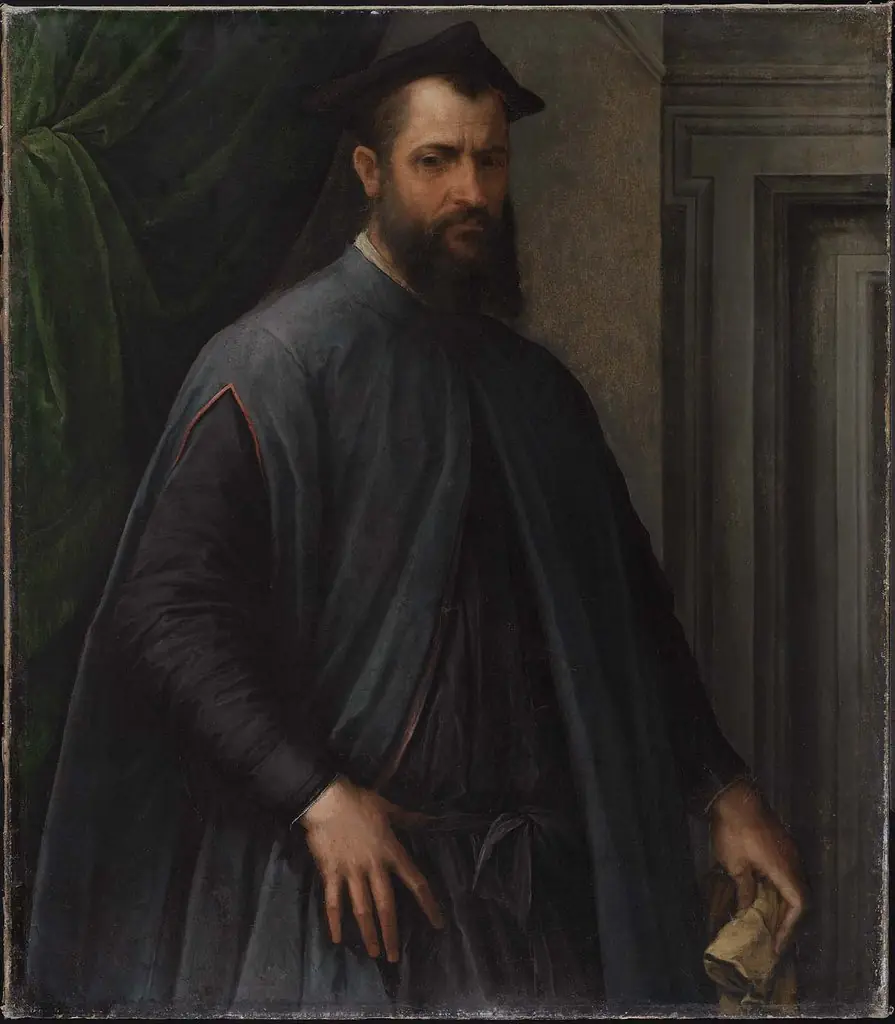 Portrait of a Prelate
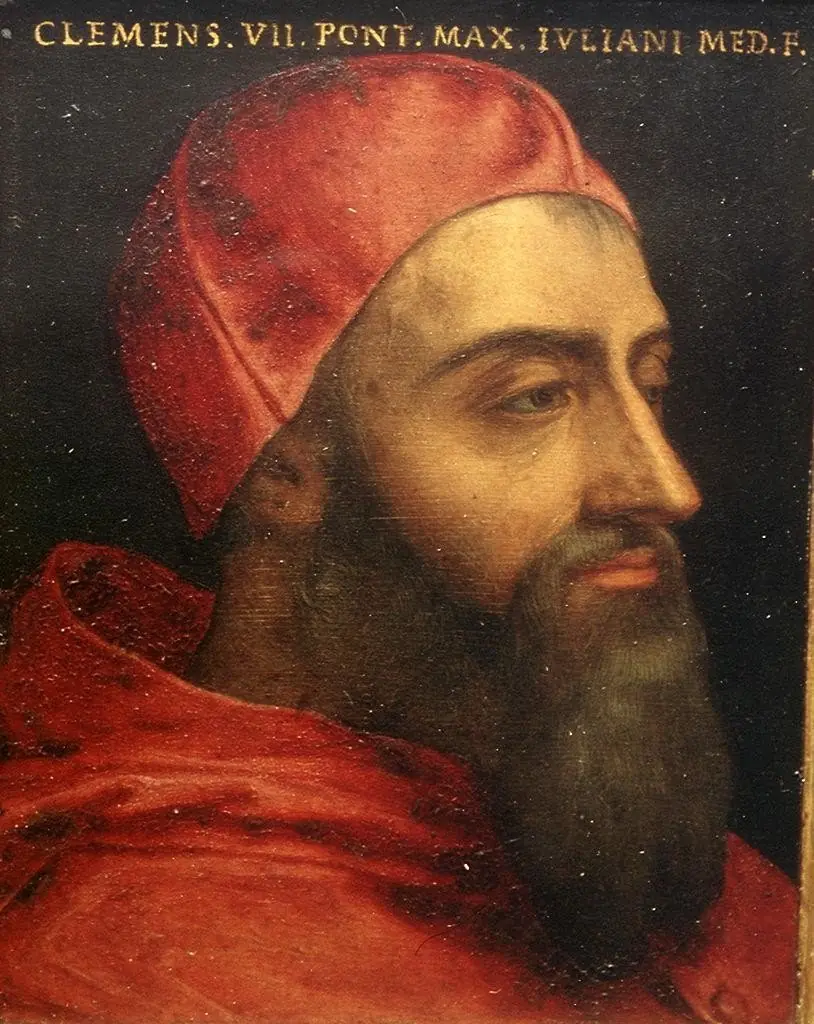 Portrait of Pope Clement VII
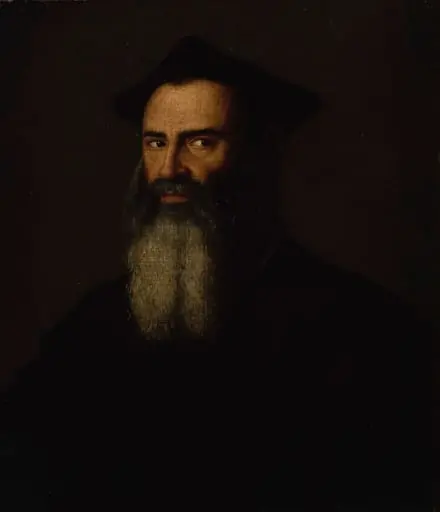 Prelaatin muotokuva
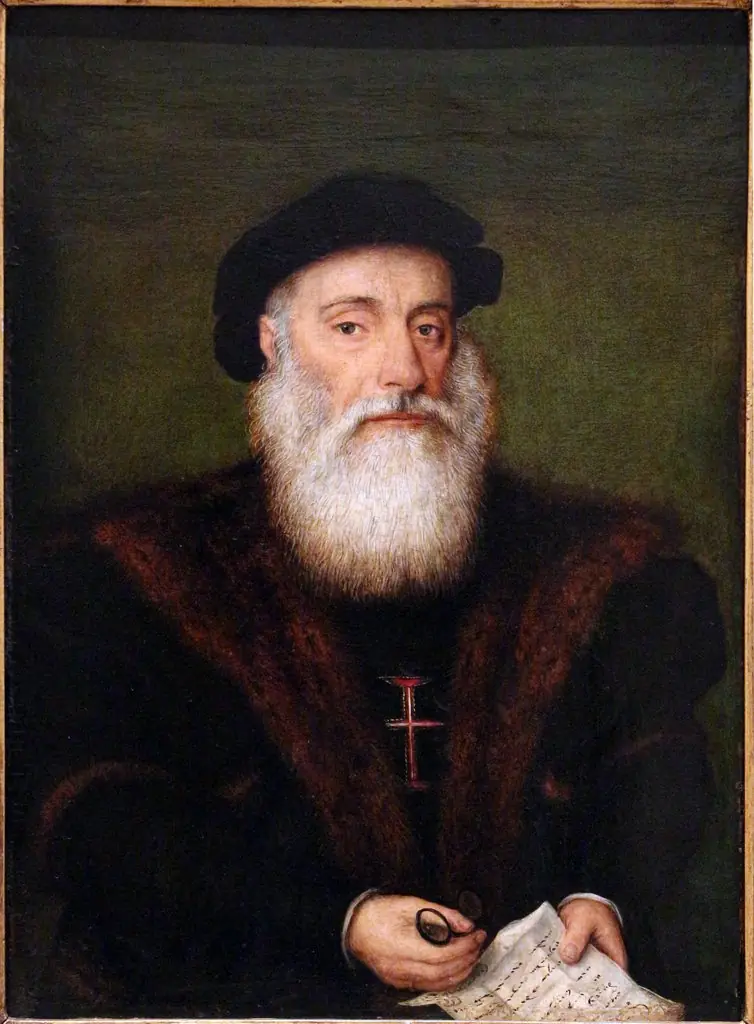 portrait of Vasco da Gama
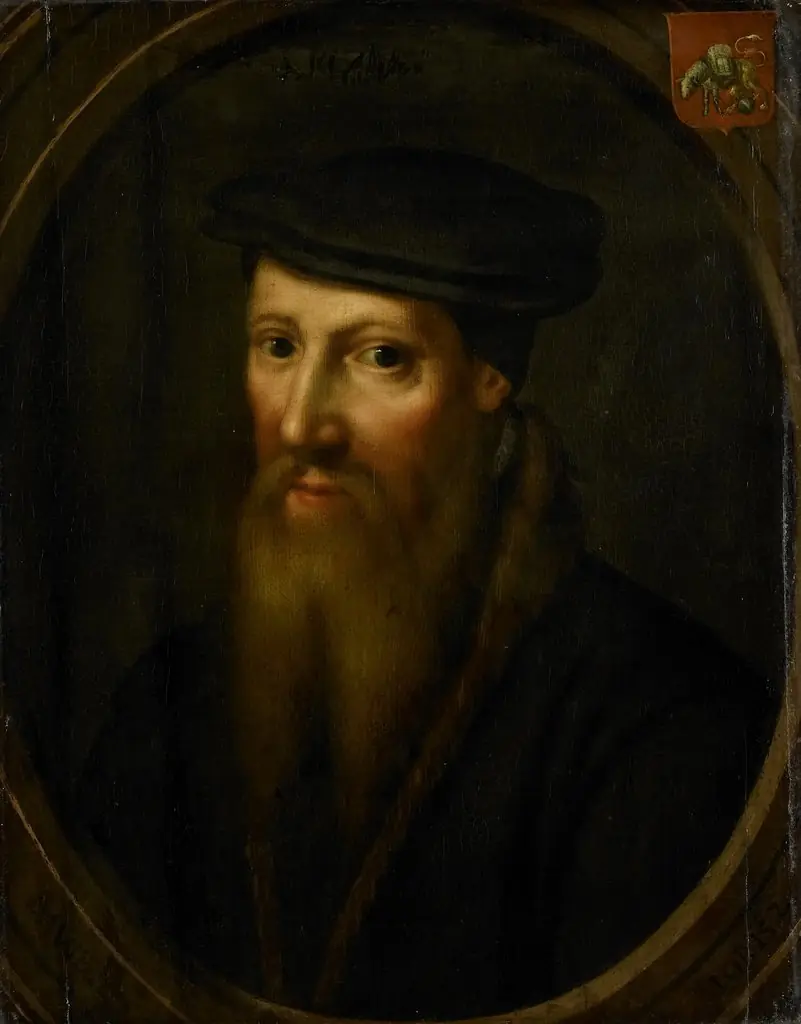 Portrait of David Jorisz, Glass Painter in Delft, Fanatic Anabaptist, after 1544 in Basel
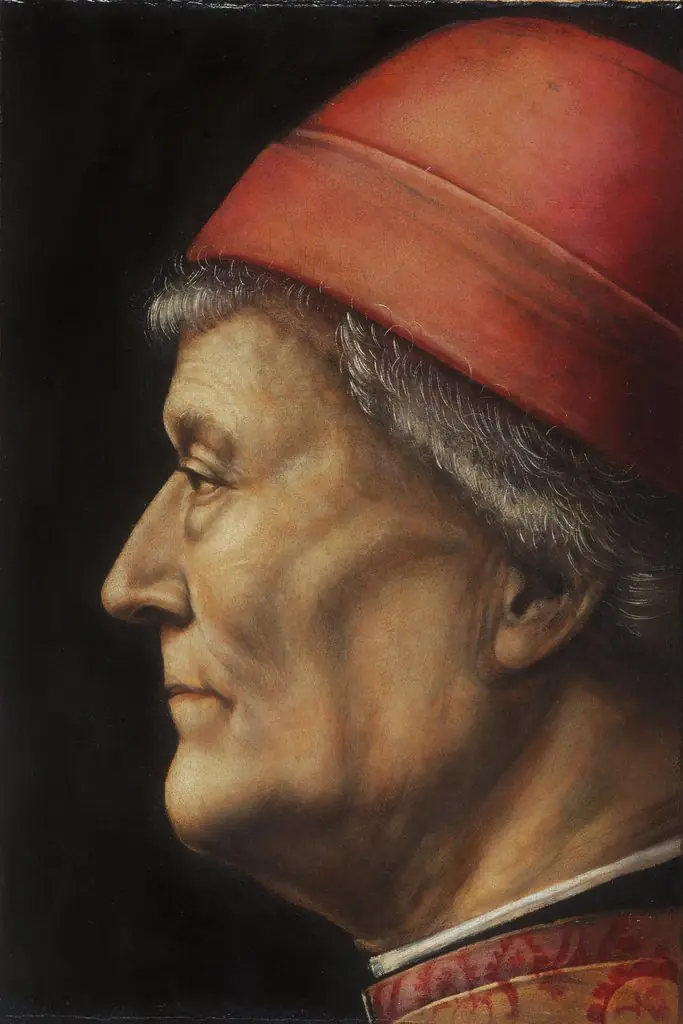 Portrait of an Elderly Gentleman
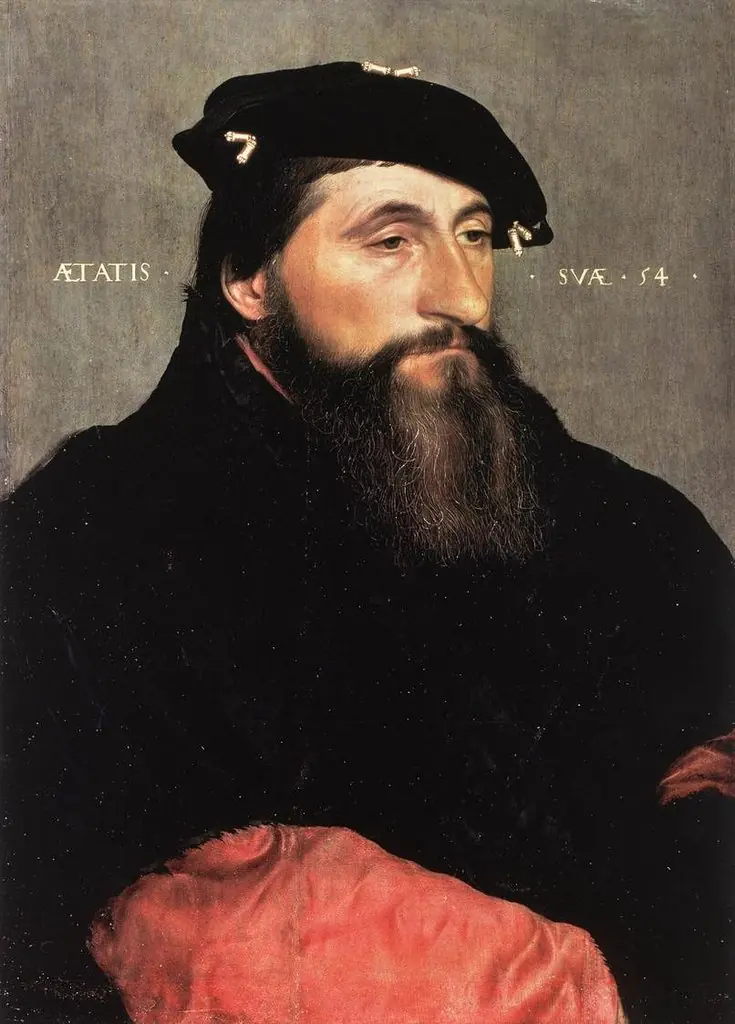 Duke Antony the Good of Lorraine
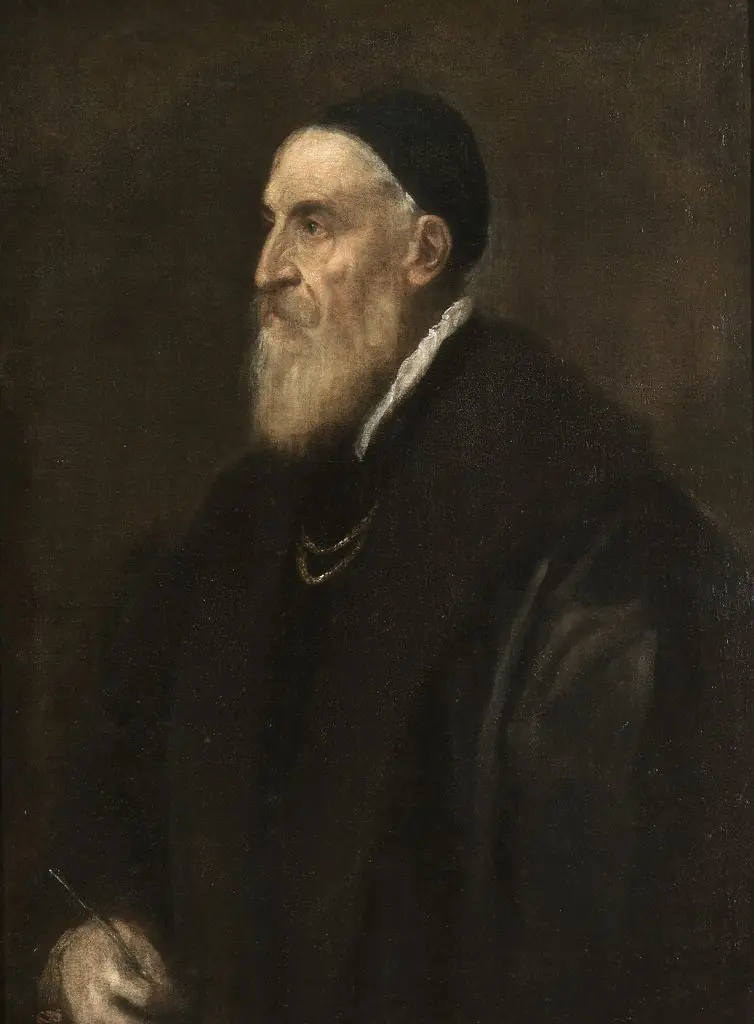 Self-Portrait
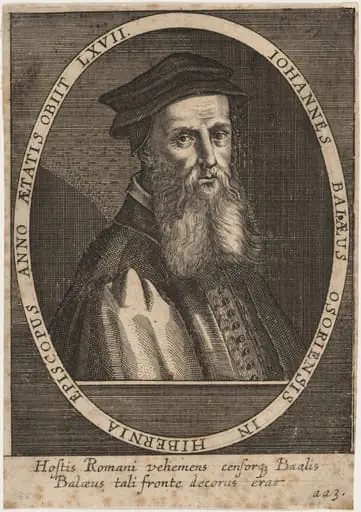 John Bale, Bishop of Ossory
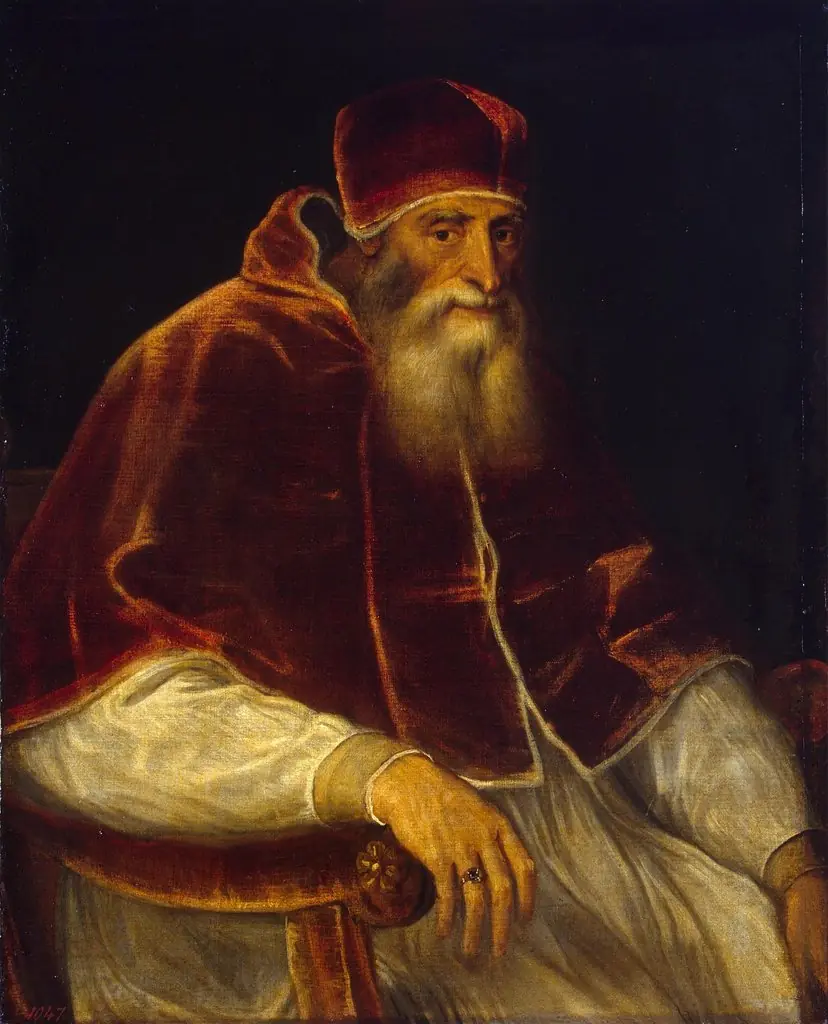 Portrait of Pope Paul III
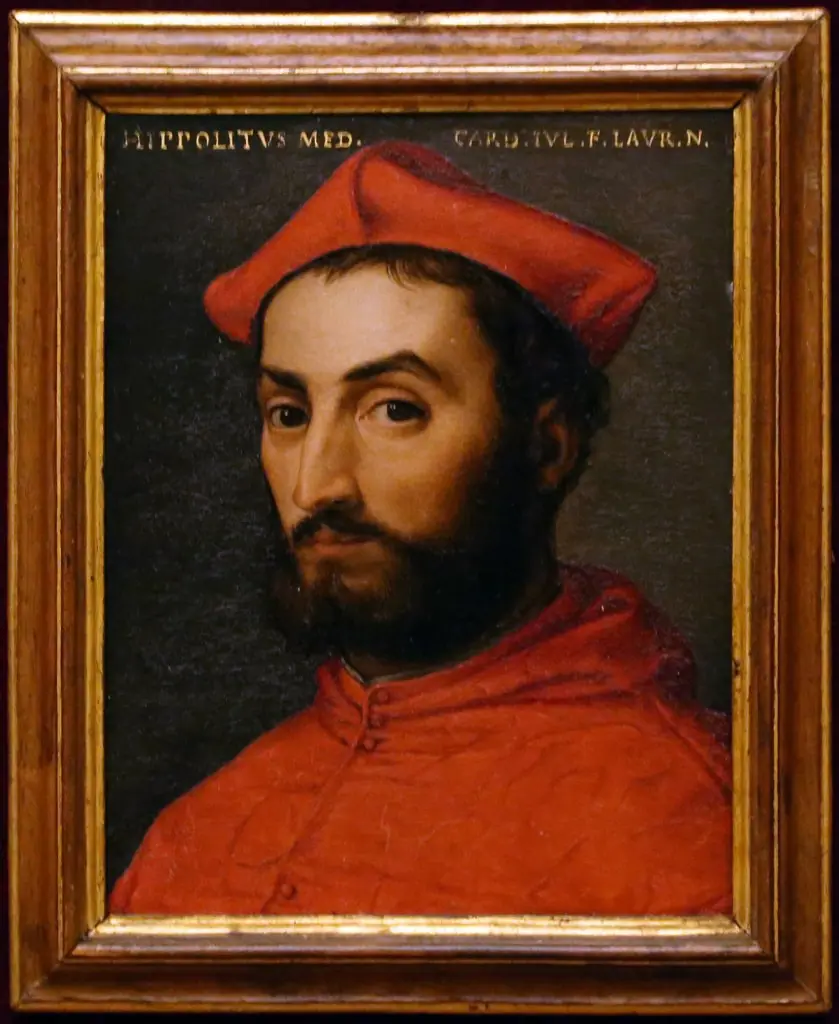 Portrait of Cardinal Ippolito de’ Medici
 Portrait of an man with circle and paper roll