Artwork
Sale of Prints by Auction
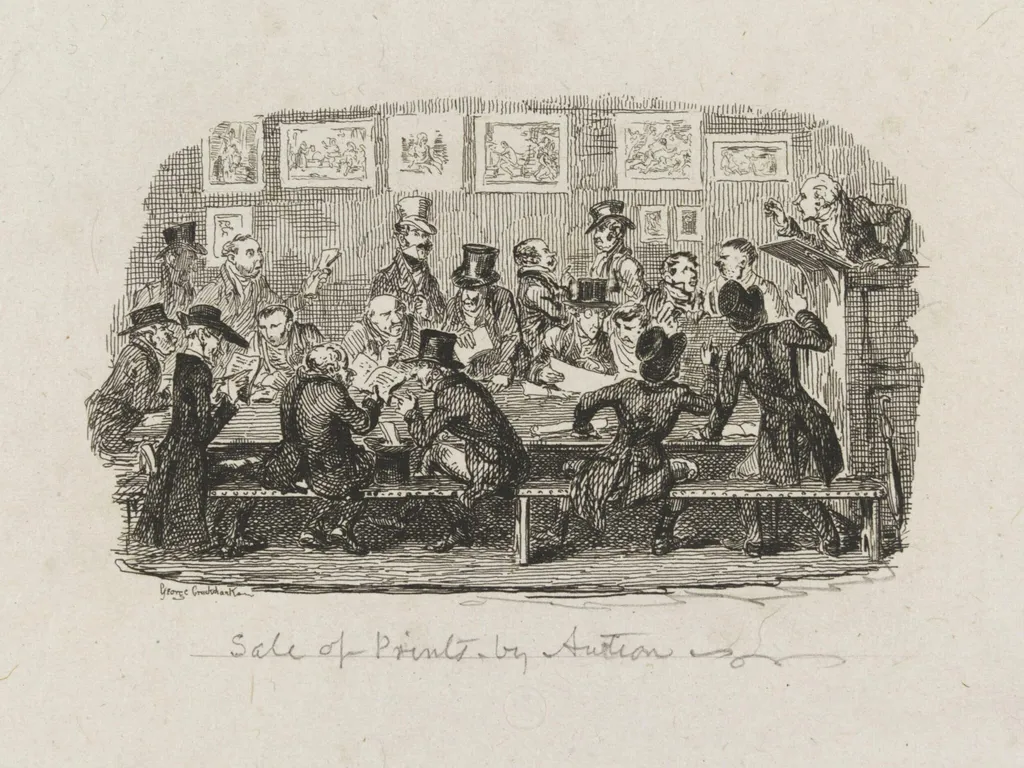
Sale of Prints by Auction is a print by the Romanticist artist George Cruikshank. It dates from 1828 and is held in the collection of the Victoria and Albert Museum.
About this work
Overview
George Cruikshank's 1828 etching, 'Sale of Prints by Auction', captures a dynamic scene of print collectors bidding at an auction, conveying the energy of the event through simple yet expressive lines and shading.
Subject & Meaning
The print portrays a crowded auction room where men, dressed in hats and coats, enthusiastically engage in bidding. The scene highlights the communal aspect of art acquisition in a public setting, with multiple works on display, including framed pictures and additional pieces hanging on the walls.
Technique & Style
Executed in black-and-white, the etching relies on Cruikshank's mastery of line work and shading techniques to evoke a lively, busy atmosphere, drawing the viewer's attention to the central action of the auction.
History & Provenance
Created in 1828, the etching is part of Cruikshank's body of work from this period. While specific ownership histories are not detailed here, the piece is now associated with the Victoria and Albert Museum's collection.
Context
This work reflects the growing interest in print collecting during the early 19th century, depicting a scenario that would have been familiar to Cruikshank's contemporaries, highlighting the social and commercial aspects of the art market.
Legacy
'Sale of Prints by Auction' remains a notable example of Cruikshank's ability to narrate everyday life and social interactions through his art, continuing to provide insight into the cultural practices of his time.
Artist & collection
Artist
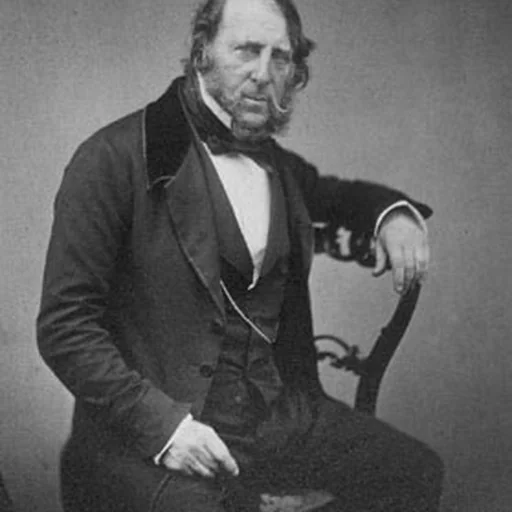
George Cruikshank or Cruickshank ( KRUUK-shank; 27 September 1792 – 1 February 1878) was a British caricaturist and book illustrator, praised as the "modern Hogarth" during his life.

 Sketch of Octagon Recess with Columns
 Sketch of Mounted Hussar
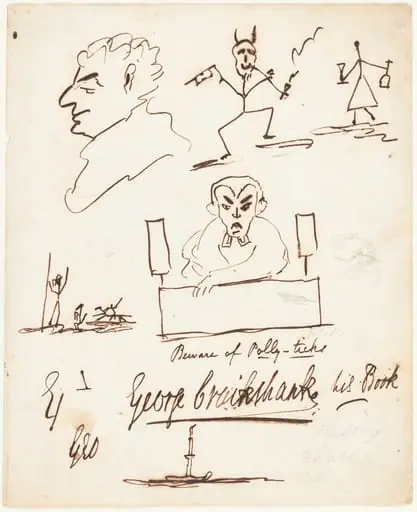 Satirical Sketches
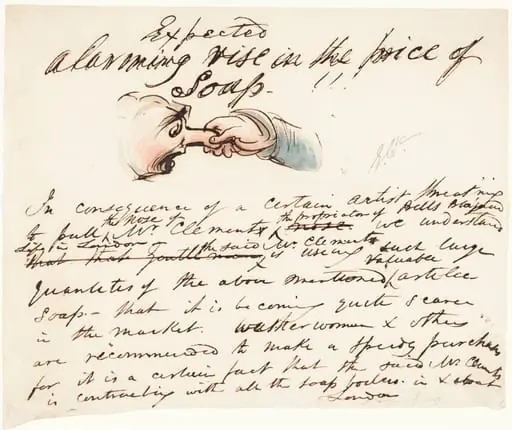 "Expected--alarming rise in the price of soap!"
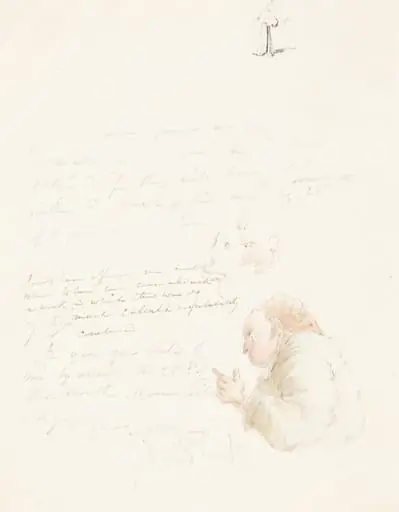 Half-Length of a Lawyer and Other Sketches
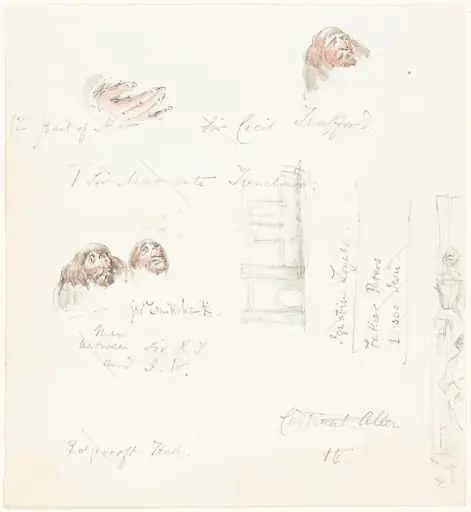 Sketches of Grotesque Faces
 Sketches of Head, Arm, and Kneeling Figure
 Fairy Connoisseurs Inspecting Mr. Frederick Locker's Collection of Drawings
 H Beard Print Collection
 La Table d'Hote
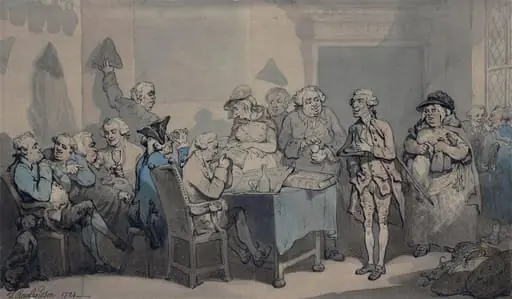 The Parish Vestry
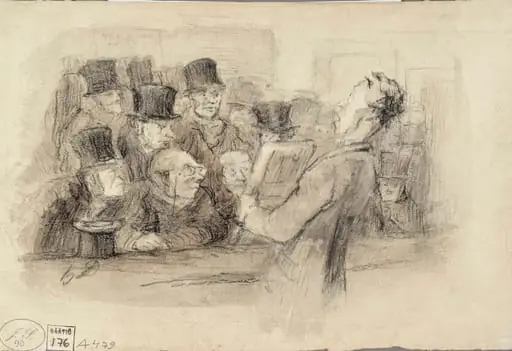 Tauluhuutokauppa
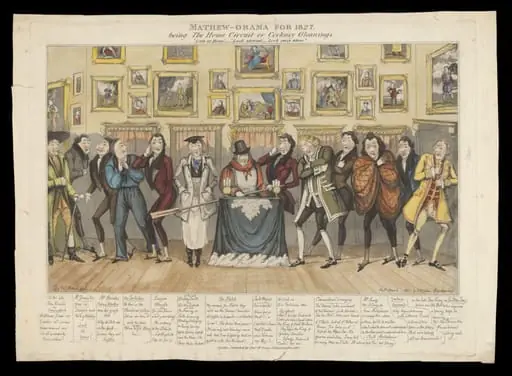 H Beard Print Collection
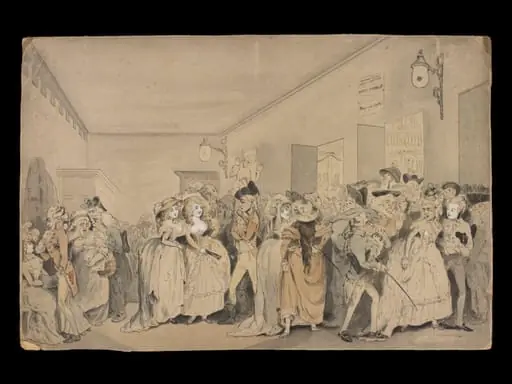 H Beard Print Collection
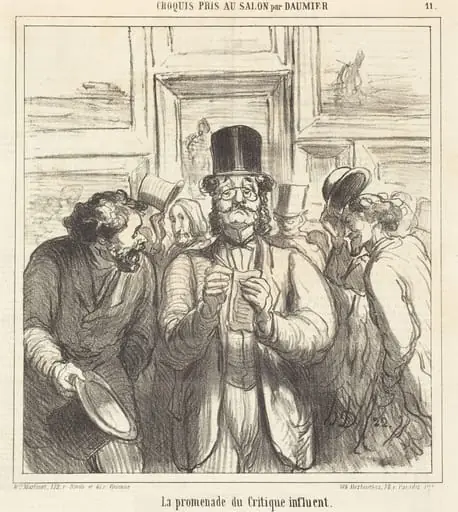 La promenade du Critique influent
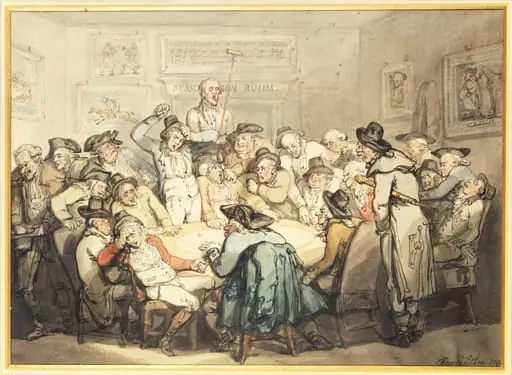 The Hazard Room
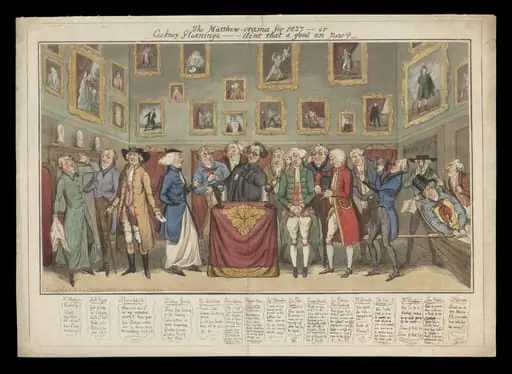 H Beard Print Collection
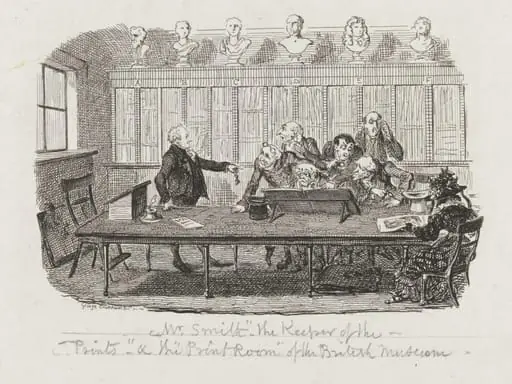 Mr Smith - "The Keeper of the Prints" & the "Print Room" of the British Museum
 An Election Entertainment
 H Beard Print Collection