Artwork
Venice
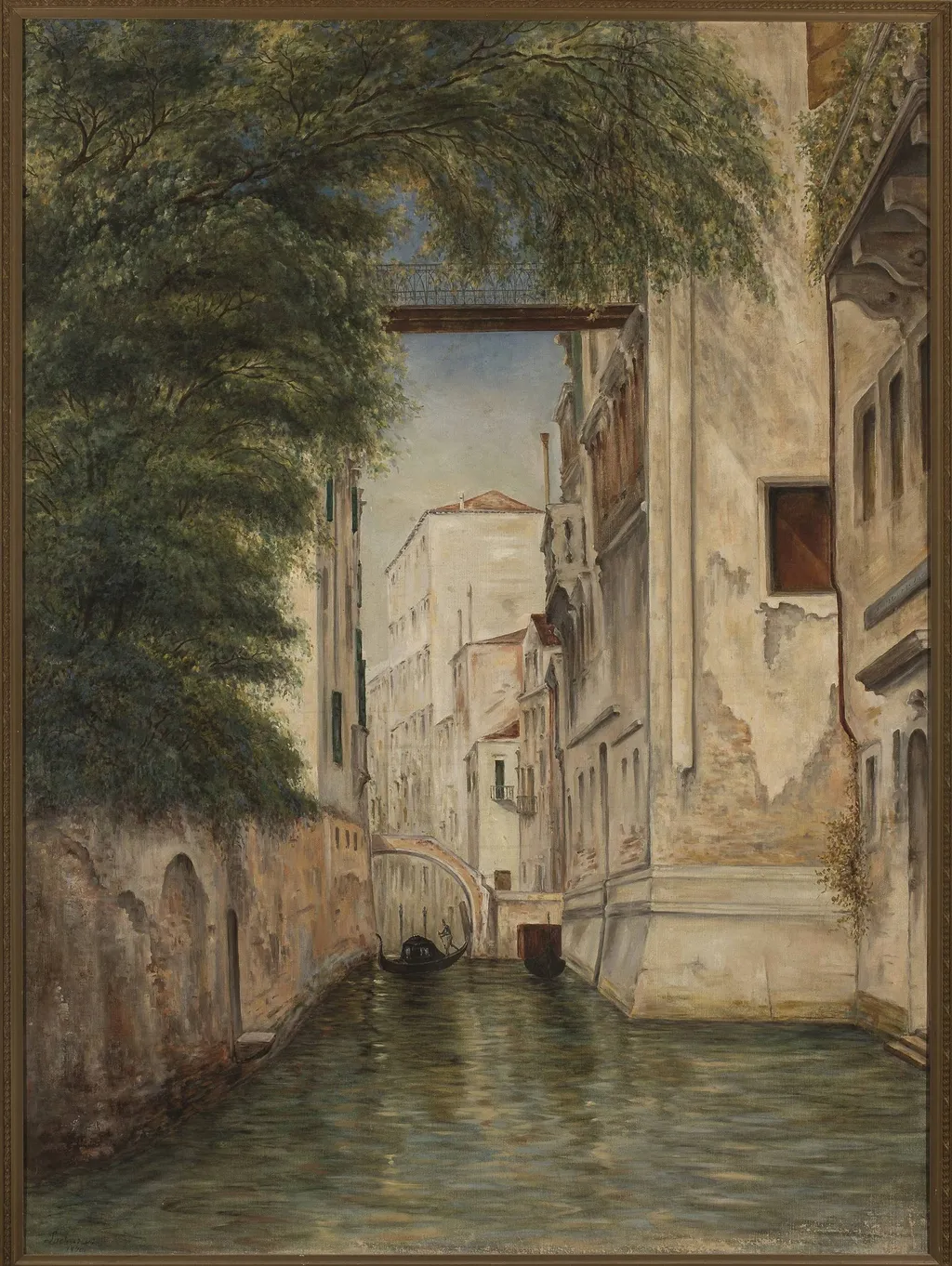
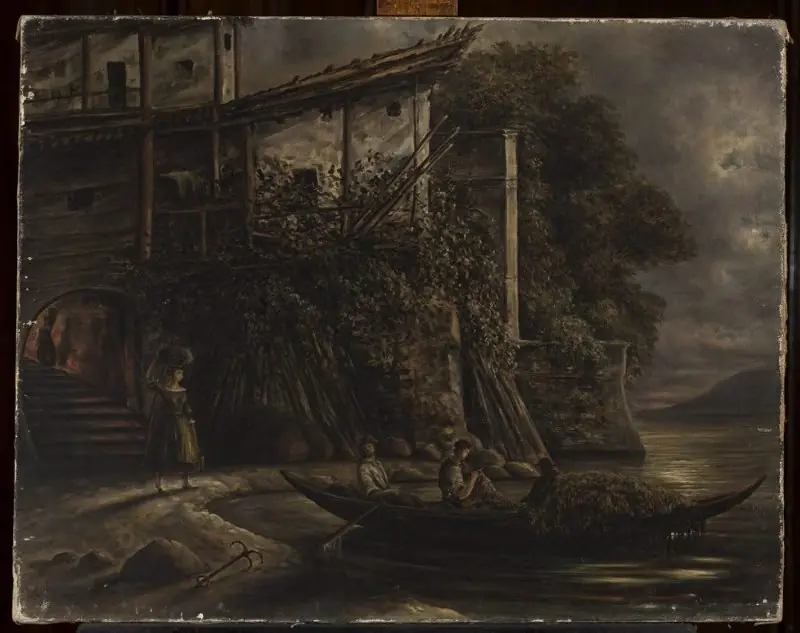
Venice is an oil painting by Cyprian Lachnicki. It dates from 1870 and is held in the collection of the National Museum in Warsaw.
About this work
Overview
Painted in 1870 by Cyprian Lachnicki, this oil-on-canvas work depicts a quiet stretch of Venice’s Grand Canal. The composition captures the city’s architecture along the water’s edge, rendered with subdued tones and careful attention to atmospheric light. The painting is part of the National Museum in Warsaw’s collection, where it has been held since its creation.
Subject & Meaning
The scene presents a tranquil, unidealized view of Venice, focusing on the interplay between water, architecture, and natural illumination. Rather than emphasizing grandeur, the artist highlights the quiet decay and enduring presence of the city’s structures. The stillness of the canal suggests a moment suspended in time, evoking contemplation over spectacle.
Technique & Style
Lachnicki employed traditional oil painting methods to achieve subtle gradations of light and texture. The reflections on the water are rendered with soft brushwork, while the facades of buildings show weathered surfaces through muted hues and layered pigments. The composition is balanced and restrained, avoiding dramatic perspective in favor of quiet realism.
History & Provenance
Created in 1870, the painting entered the National Museum in Warsaw’s collection shortly after its completion. There is no record of public exhibition prior to its acquisition, and it has remained in the museum’s care since. Its journey from studio to institutional storage reflects its status as a personal or regional work rather than a widely circulated piece.
Context
Lachnicki painted during a period when Polish artists frequently traveled through Western Europe, documenting landscapes and urban scenes.
Lachnicki painted during a period when Polish artists frequently traveled through Western Europe, documenting landscapes and urban scenes. Venice, a popular destination for its light and architecture, attracted many 19th-century painters. This work aligns with a broader trend of topographical realism among Central European artists seeking to capture foreign environments with observational precision.
Legacy
The painting remains a modest example of 19th-century Polish landscape painting, valued for its quiet sincerity rather than its innovation. It contributes to the National Museum’s representation of Polish artists’ engagement with European cities. While not widely known outside Poland, it offers insight into the aesthetic preferences of its time and region.
Artist & collection

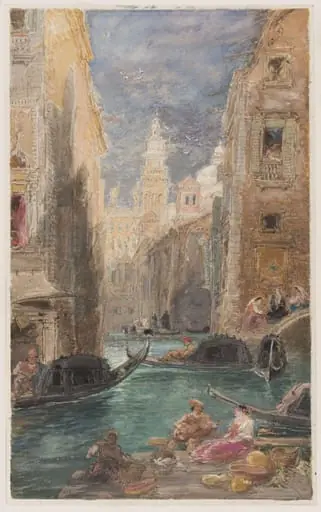 Canal in Venice
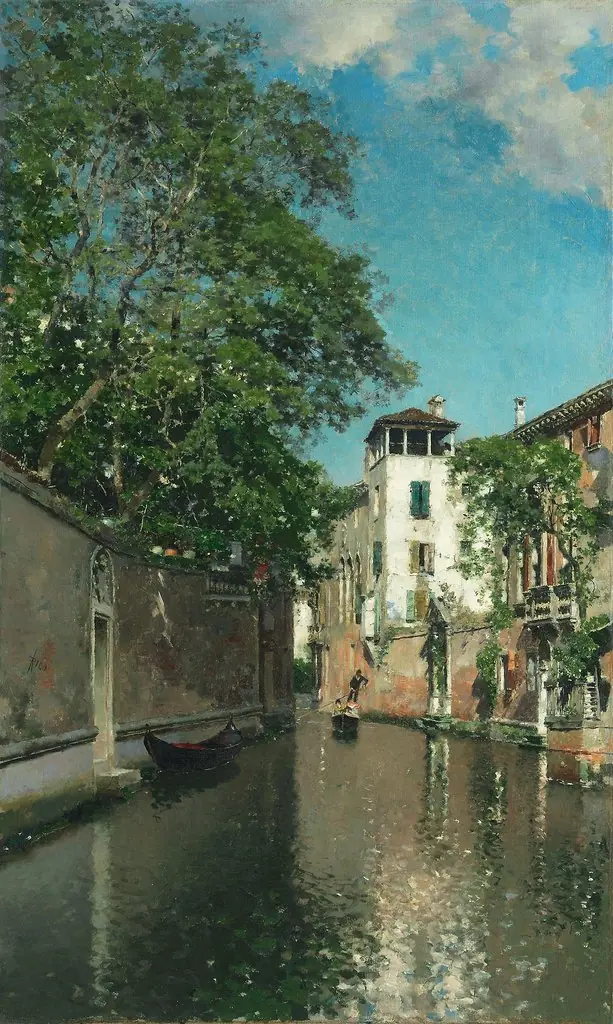 Canal in Venice
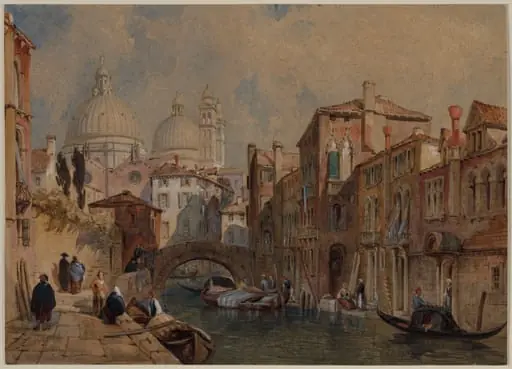 View of Venice: The Dome of Santa Maria della Salute Seen from the Rear of the Da Mula Palace, looking Eastward
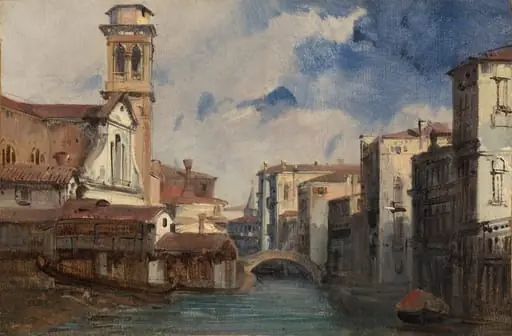 The Church of San Trovaso, Venice
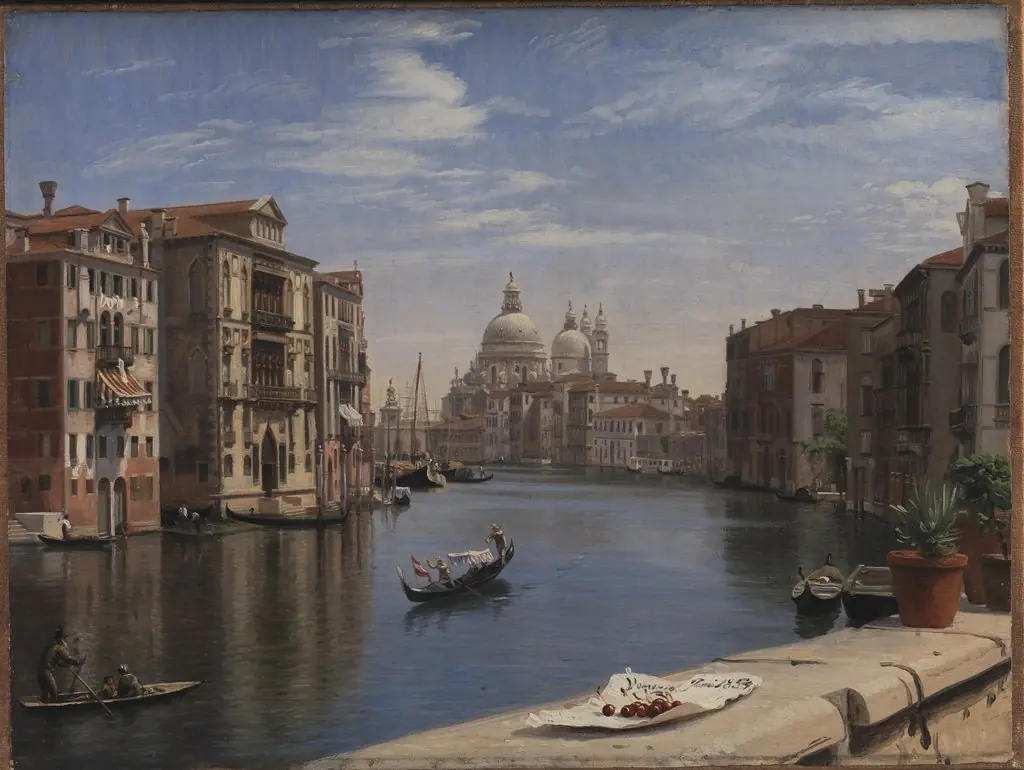 View of the Grand Canal, Venice. In the Background S. Maria della Salute
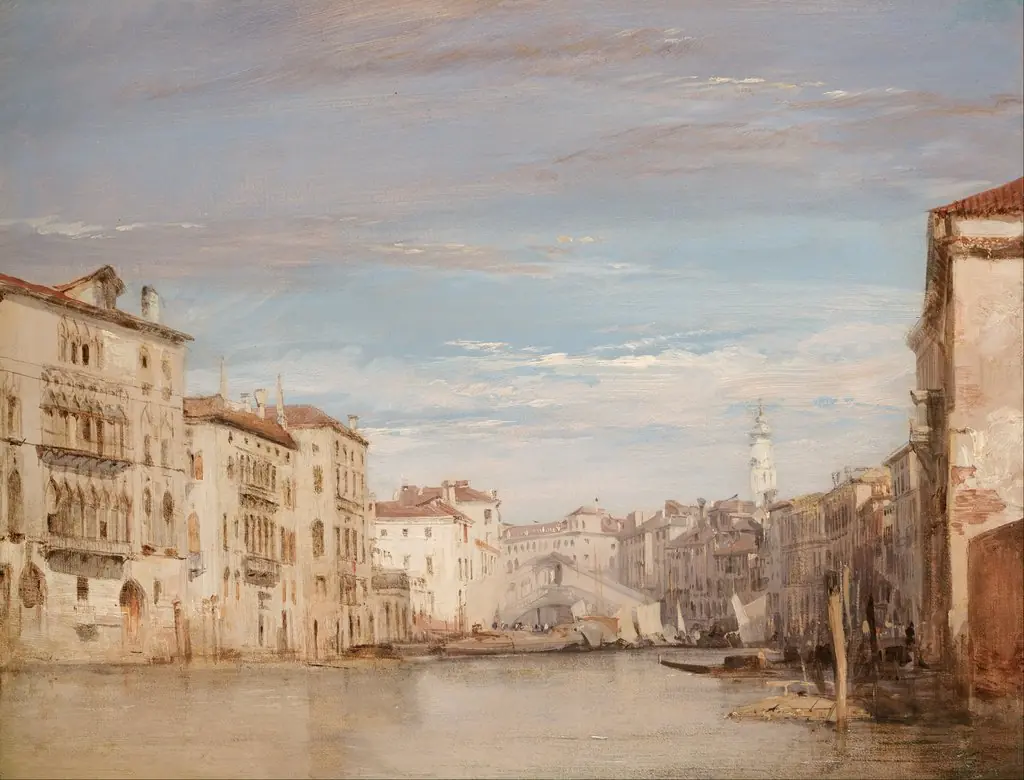 The Grand Canal, Venice, Looking Toward the Rialto
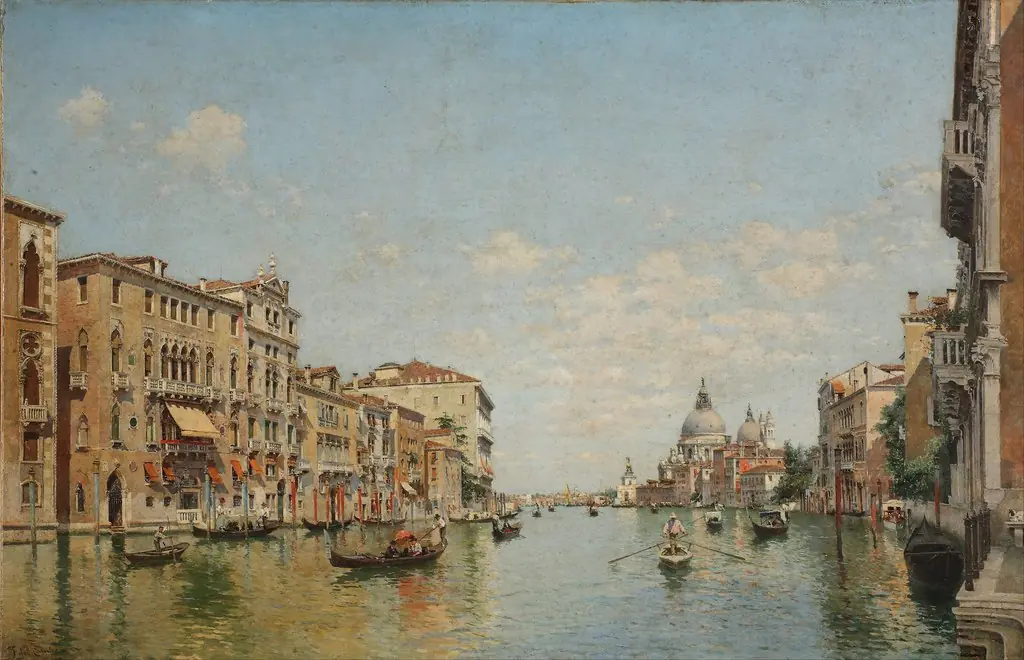 View of the Grand Canal of Venice
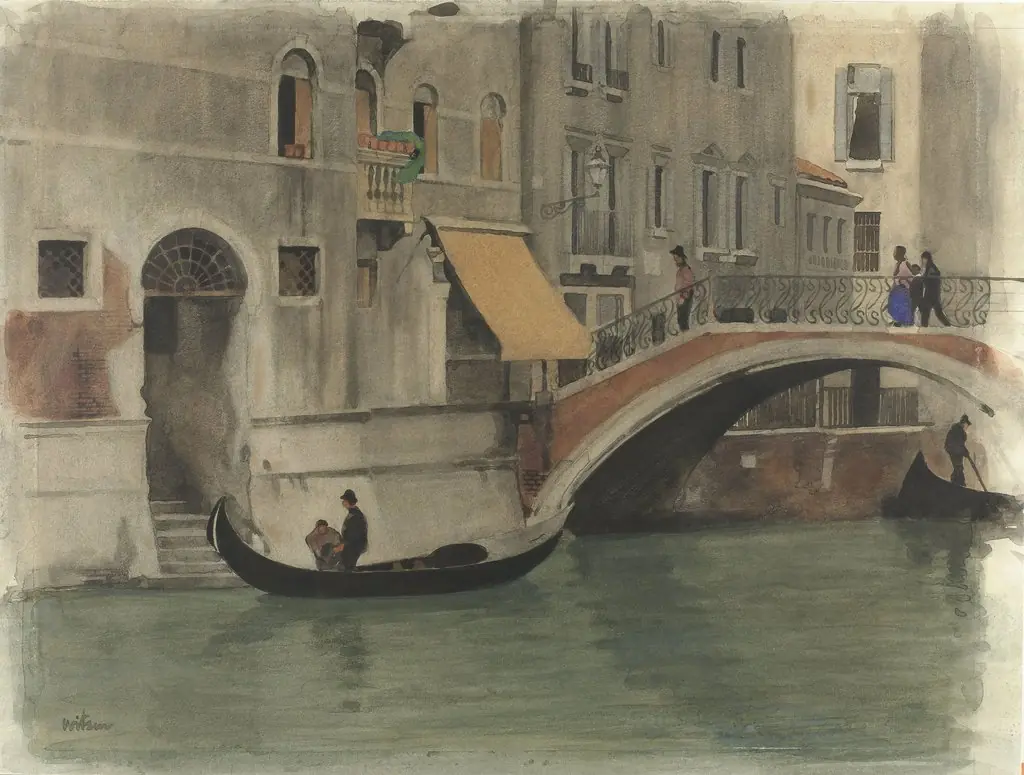 Bridge over a canal in Venice
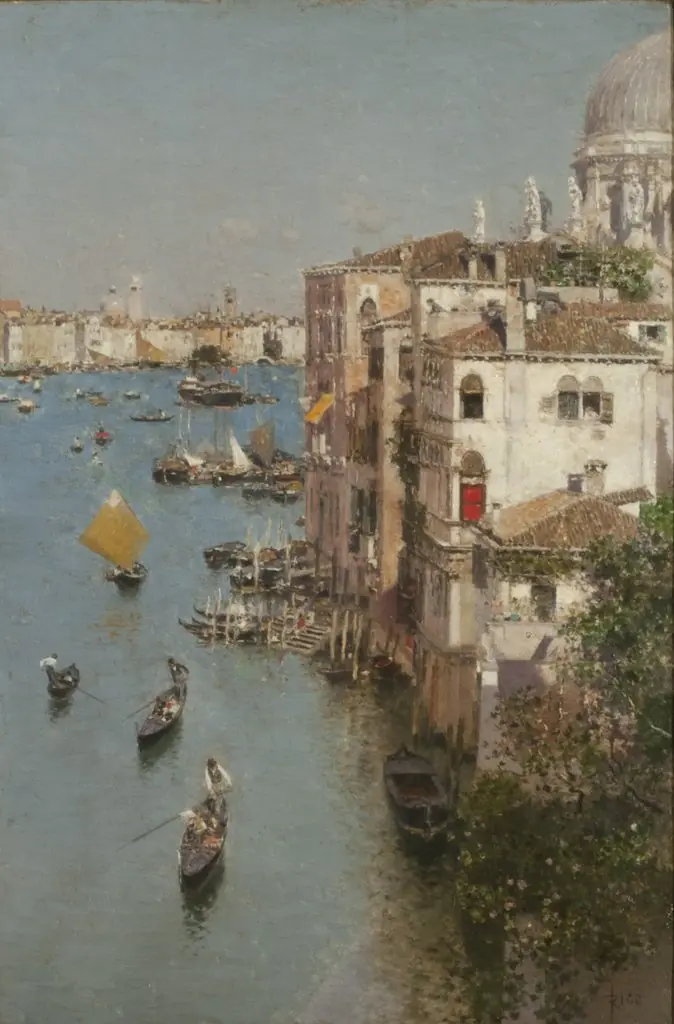 Santa María della Salute de Venecia (Canal Grande y la Iglesia de Santa María della Salute de Venecia)