Artwork
Vas de formă tronconică cu buza largă și evazată. Decorul este amplasat pe toată suprafața interioară a farfuriei. Acesta este compus din motive florale. Blidul este smălțuit la interior și pe zona exterioară a buzei. Cromatică: fond: maron; motive: alb, verde, maron închis.
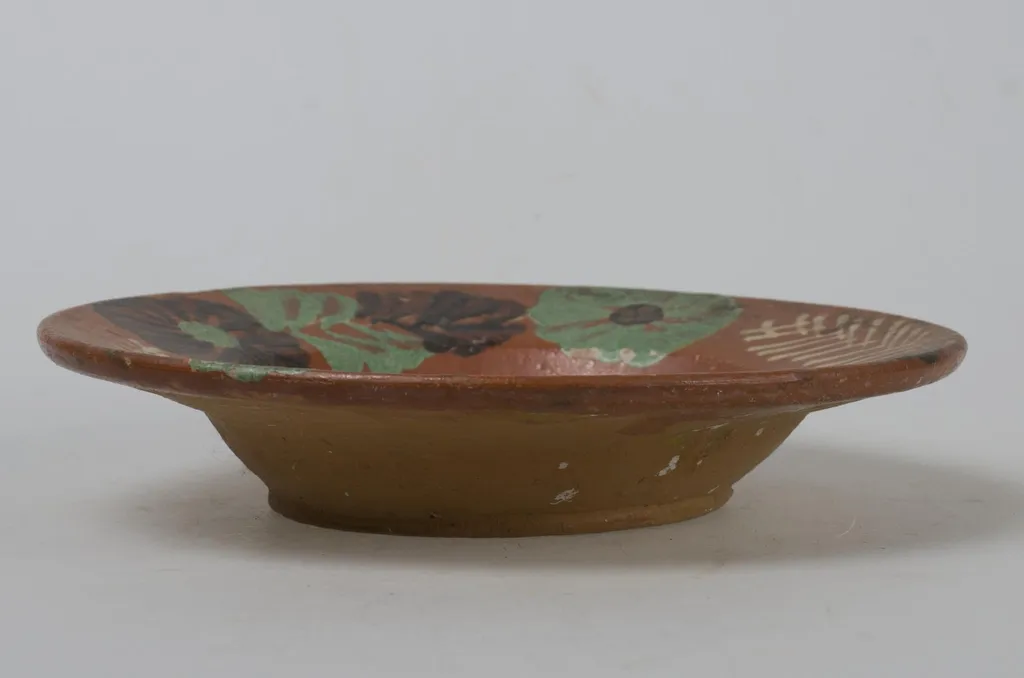
Vas de formă tronconică cu buza largă și evazată. Decorul este amplasat pe toată suprafața interioară a farfuriei. Acesta este compus din motive florale. Blidul este smălțuit la interior și pe zona exterioară a buzei. Cromatică: fond: maron; motive: alb, verde, maron închis. is a print by Dănilă Ion. It is held in the collection of the ASTRA National Museum Complex. This ceramic vessel features a conical form with a broad, flaring rim.
About this work
Overview
This ceramic vessel features a conical form with a broad, flaring rim. Its interior surface is entirely covered in painted decoration, while the exterior decoration is limited to the upper rim. The piece is glazed internally and along the rim’s outer edge, producing a smooth, glossy finish that enhances the vibrancy of its painted motifs.
Subject & Meaning
The decoration consists of stylized floral patterns rendered in white, green, and dark brown against a solid brown ground.
The decoration consists of stylized floral patterns rendered in white, green, and dark brown against a solid brown ground. These motifs lack narrative or symbolic specificity, instead emphasizing ornamental harmony. The repetition of botanical forms suggests an aesthetic preference for natural elements, common in regional ceramic traditions where decoration served both visual and cultural functions.
Technique & Style
The vessel was hand-painted with bold, simplified lines and flat areas of color, avoiding shading or perspective. The palette is restrained, relying on contrast between the warm brown background and the cooler tones of the flowers. The glaze, applied selectively, creates a tactile distinction between the glossy rim and the matte interior, enhancing the visual rhythm of the design.
History & Provenance
No documented origin or maker is associated with this object. While the style aligns with folk ceramic traditions from Eastern Europe, particularly Romania, no archival records confirm its production date or provenance. The reference to Dănilă Ion appears unrelated to this specific piece, as no verified works by him match its form or decoration.
Context
This type of vessel likely functioned as a domestic container, possibly for food or ritual use. Similar ceramics from the 19th to early 20th century in rural Romania feature comparable floral motifs and limited glazing, indicating a shared regional craft tradition. Production was typically local, with techniques passed through generations rather than documented by named artists.
Legacy
Though not attributed to a known artist, the piece reflects enduring folk ceramic practices in Eastern Europe. Its preservation highlights the value placed on utilitarian objects adorned with hand-painted decoration. Such items continue to inform contemporary studies of vernacular art, offering insight into pre-industrial aesthetics and community-based craftsmanship.
Artist & collection
Artist
Ion Dănilă shaped clay in a rural workshop where the morning light turned the red dust on his hands the same color as the pots he made.

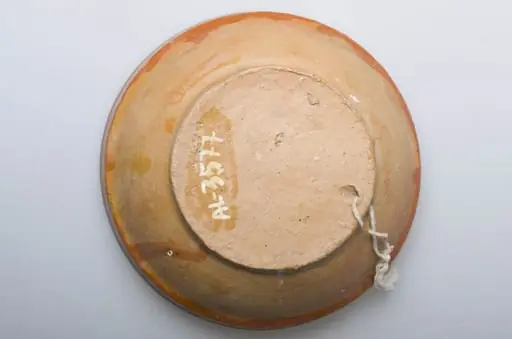 Blid de formă tronconică, cu gura largă, înaltă și dreaptă, smălțuit integral în partea interioară și în exterior doar la nivelul buzei. Este decorat din interior cu motive florale: trei flori - una albă central încadrată de doi brăduți și două verzi lateral; motive geometrice: trei linii ondulate deasupra florii albe și unghiuri de diferite dimensiuni între cele două flori verzi. Fundul este circular și prezintă un orificiu pentru agățare. Cromatică: fond: cărămiziu; motive: alb; verde; negru.
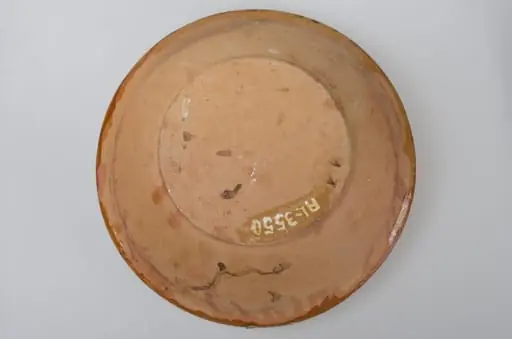 Vas de formă tronconică cu buza dreapta. Decorul este amplasat pe toată suprafața interioară și parțial în exterior, pe buză. Acesta este compus din motive geometrice (val); motive fitomorfe, plasate pe fund (frunza) și motive florale, tot pe fund (pansea). Blidul este smălțuit la interior și pe zona exterioară a buzei. Cromatică: fond: maron; motive: alb, verde.
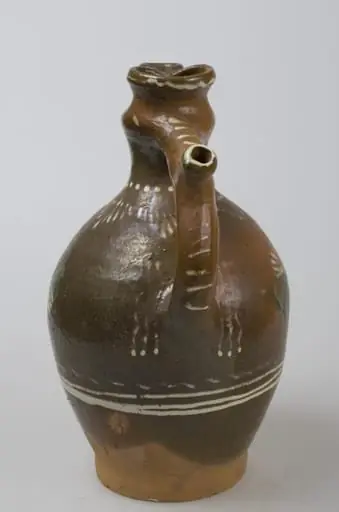 Recipient bitronconic cu gura bilobată. Prezintă mâner cu ”țâță”. Smălțuit până aproape de bază. Decorul este amplasat pe toată suprafața și este format din motive geometrice (linie); motive florale (pansea); motive fitomorfe (brad). Cromatică: fond: cărămiziu; motive: verde; maron; alb.
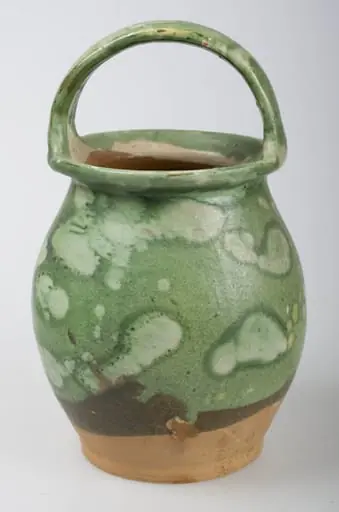 Oală de formă bitronconică cu baza plată cu pereții puternic arcuiți îngustându-se ușor în partea superioară. Buza este puțin răsfrântă la exterior. Prezintă o toartă de susținere plasată diametral, peste gură (mănușă). Angobat, stropit cu verde, smălțuit în interior și exterior. Cromatică: verde; maro; alb.
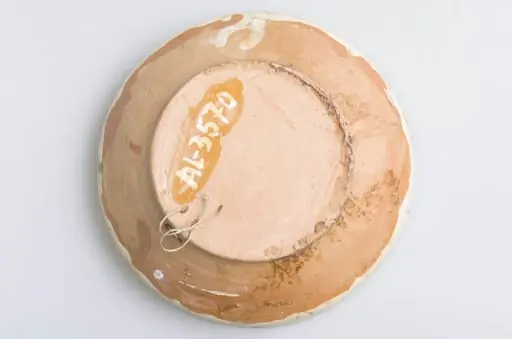 Vasul are forma tronconică, având buza înaltă și ușor evazată. Obiectul este smălțuit în interior și exterior numai la buză. Acesta este decorat în interior și exterior cu pete realizate prin stropire. Cromatică: fondul este alb în interior, cărămiziu în exterior, iar motivele sunt pictate cu verde și maro.
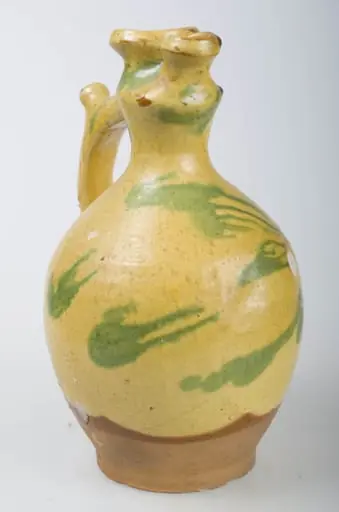 Recipient sferic cu gât îngust, gura bilobată, toartă cu țâță, piatră sunătoare și ciur. Ornamentat prin stropire cu smalț. Cromatică: fond: galben; decor: dungi verzi stropite.
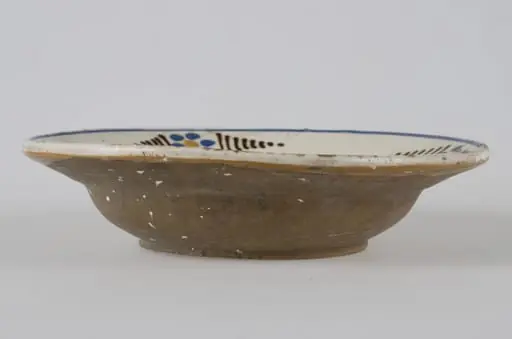 Vas adânc din lut, de formă tronconică, cu marginea evazată. Pe fundalul de culoare albă este decorat cu motive geometrice: linie circulară, linii curbe, puncte pe buza vasului; motive vegetale și florale, pe centrul vasului. Cromatică: fond: alb; motive: albastru; verde; maro; cărămiziu.
 Castron mic de formă tronconică, cu baza marcată printr-un inel proeminent. Buză cu contur rotund în exterior și ascuțit în interior. Decorul floral ce constă dintr-o floare pictată cu cornul în interior, pe fundul vasului. Cromatică: fond: alb-crem; motive: galben; negru; verde.
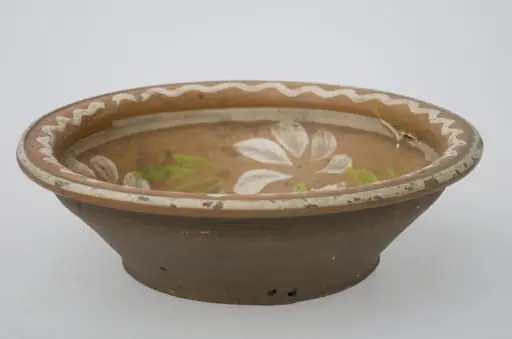 Vas adânc de formă tronconică, cu marginea bombată și evazată marcată de o linie în relief. Smălțuit numai în interior. Prezintă decor floral, iar pe margine două cercuri încadrează o linie frântâ. Cromatică: fond: cărămiziu; motive: alb, verde.
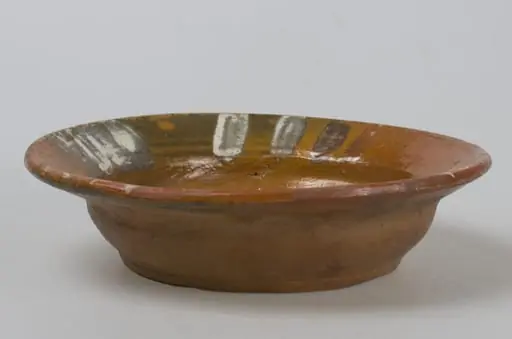 Blid de formă tronconică, adâncită, cu buza evazată, smălțuit în interior și la exterior (buza). Decorul este prezent în zona buzei și este compus din motive geometrice dispuse în patru registre, două a câte trei linii albe, iar celelalte două au câte patru linii. Cromatică: cărămiziu, verde, alb.
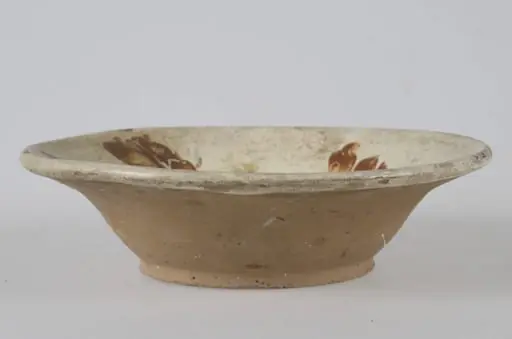 Vasul este unul adânc, din lut, de formă rotundtronconică, cu marginea evazată. Ca și decor întâlnim, pe fundalul de culoare crem, pictate pete de culoare maro și verde. Blidul este smălțuit la interior și pe buză, la exterior.
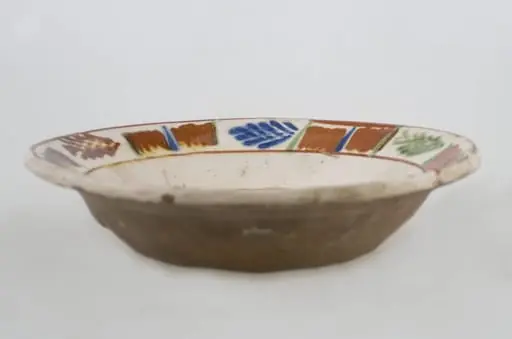 Vas ceramic de formă tronconică baza plată, pereții larg evazați și buza profilată. După modelarea la roată, uscarea și arderea recipientului, a fost aplicat un strat de angobă în interiorul vasului, peste care a fost pictat decorul floral și vegetal stilizat, format din două registre. În primul registru, situat pe fundul vasului și încadrat de o linie circulară, au fost realizate trei flori, cu petale albastre și mijlocul maro-roșcat, în jurul cărora se regăsesc petale verzi. Cel de-al doilea registru, cel care decorează buza vasului și este încadrat la rândul lui între două linii circulare, a fost decorat cu frunze și pete, despărțite de linii verticale. Cromatică: fond: alb; motive: maro-roșcat; albastru; verde.
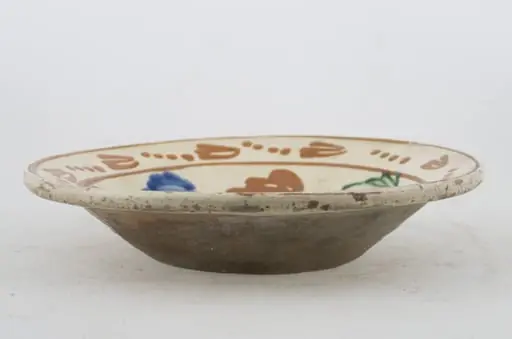 Vas ceramic de formă tronconică cu baza plată, pereții larg evazați și buza profilată. După modelarea la roată, uscarea și arderea recipientului, a fost aplicat un strat de angobă în interiorul vasului, peste care a fost pictat decorul floral și vegetal stilizat, format din două registre. Primul registru, situat pe fundul și pereții vasului, și încadrat de o linie circulară, a fost decorat cu motive florale stilizate: pe fundul vasului se află o floare, cu petalele de diferite culori. Pereții recipientului ceramic au fost decorați la rândul lor cu opt flori, dispuse concentric. Al doilea registru, cel care decorează buza recipientului ceramic, și este mărginit la rândul lui de o linie circulară, prezintă un brâu compus din nouă flori cu tulpinile formate din patru puncte. Cromatică: alb la interior; cărămiziu la exterior; motive: albastru; verde; maro-roșcat.