Artwork
Castron mic de formă tronconică, cu baza marcată printr-un inel proeminent. Buză cu contur rotund în exterior și ascuțit în interior. Decorul floral ce constă dintr-o floare pictată cu cornul în interior, pe fundul vasului. Cromatică: fond: alb-crem; motive: galben; negru; verde.
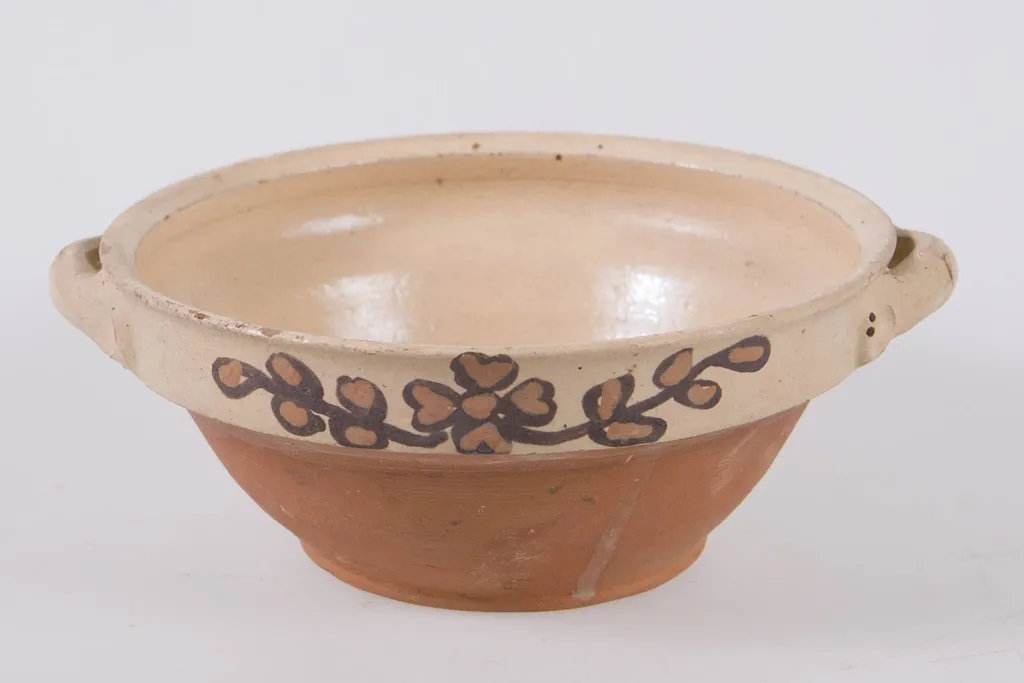
Castron mic de formă tronconică, cu baza marcată printr-un inel proeminent. Buză cu contur rotund în exterior și ascuțit în interior. Decorul floral ce constă dintr-o floare pictată cu cornul în interior, pe fundul vasului. Cromatică: fond: alb-crem; motive: galben; negru; verde. is a print by Toc Gheorghe. It is held in the collection of the ASTRA National Museum Complex. This ceramic vessel features a conical form with a broad, flat base marked by a raised ring.
About this work
Overview
Its rim is rounded on the exterior and sharply defined inward, suggesting functional design for pouring or handling.
This ceramic vessel features a conical form with a broad, flat base marked by a raised ring. Its rim is rounded on the exterior and sharply defined inward, suggesting functional design for pouring or handling. Two small handles flank the body, aiding in transport. The exterior surface remains unadorned, while the interior bears painted decoration, indicating the ornamentation was intended for internal visibility during use.
Subject & Meaning
The interior decoration consists of a single stylized flower, rendered with a central horn-like form. Its placement inside the vessel implies the motif was meant to be seen when the container was in use, perhaps signaling content, ritual function, or aesthetic preference. The simplicity of the design suggests symbolic intent rather than narrative, possibly tied to natural cycles or domestic symbolism in daily life.
Technique & Style
The vessel was formed from coarse clay and fired to a reddish-brown exterior, left untreated for structural durability. The interior was coated in a creamy slip, serving both practical and visual purposes. Floral motifs were painted in black outlines, filled with yellow and greenish pigments, applied with steady hand and limited palette. The brushwork is deliberate but unrefined, reflecting handcrafted tradition over mass production.
History & Provenance
The object originates from a prehistoric or early historic ceramic tradition, likely from a region where similar vessels have been found in domestic or burial contexts. Its construction and decoration align with regional pottery styles from the Balkans or Eastern Europe. No documented excavation record is provided, but comparable examples are held in ethnographic collections, suggesting local, non-elite production.
Context
This vessel was likely used for storage or serving liquids or dry goods in a household setting. The painted interior, visible during use, indicates that aesthetics were integrated into everyday objects, even when not publicly displayed. Its modest scale and handles imply portability, consistent with mobile or semi-sedentary communities where utility and visual care coexisted in material culture.
Legacy
Though unremarkable in scale, the vessel reflects a broader tradition of prehistoric ceramic decoration where symbolic motifs were confined to functional interiors. Similar vessels appear in regional museum collections, contributing to understanding of early domestic aesthetics. Its preservation offers insight into how ordinary objects carried meaning beyond utility, shaping cultural identity through subtle visual cues.
Artist & collection
Artist
Gheorghe Toc made earthenware jugs, bowls, and pitchers with geometric or floral patterns and rich colors like brick red, cream, and green.

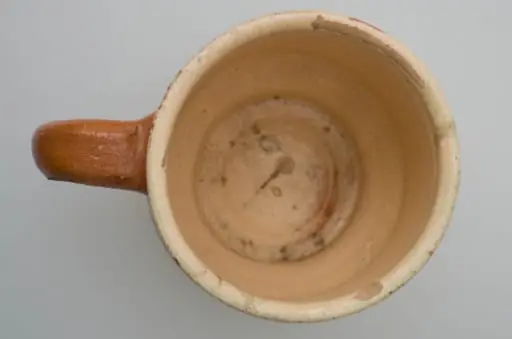 Cană de formă ușor tronconică cu inel răsfrânt în exterior. Prezintă toartă ce pleacă de sub buză și se unește cu corpul spre bază. Smălțuită în interior și exterior. Decor: floare cu patru petale realizată cu cornul din hume naturale; brâu de dungi scurte. Cromatică: fond maro; motive: alb; negru; verde.
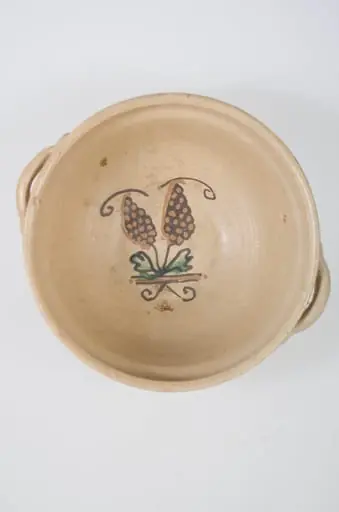 Farfurie de formă tronconică cu buza răsfrântă. Vasul este smălțuit atât la interior cât și la exterior. Decorul este amplasat pe fundul vasului motive florale (buchet) și motive fitomorfe (vrej). Cromatică; fond: alb-crem; motive: galben; negru; verde.
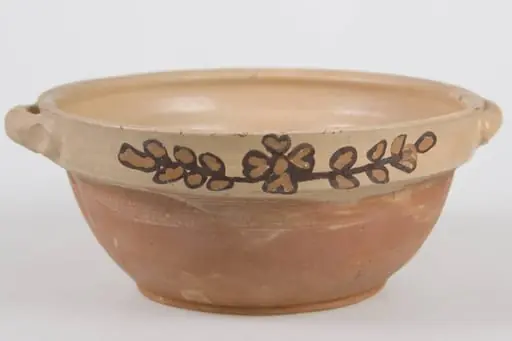 Vas tronconic cu buza răsfrântă. Prezintă două toarte mici fixate diametral opus la nivelul buzei. Decorul este poziționat într-un registru central format din motive florale (buchet) și motive fitomorfe (vrej). Cromatică: fond: crem; motive: maron deschis; maron închis; verde.
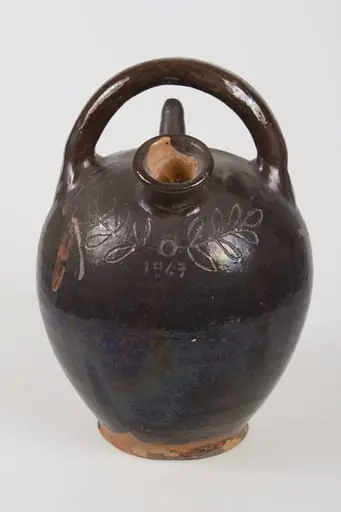 Recipient din lut de formă sferică, prevăzut cu două orificii la partea superioară și toartă. Sub gură, frontal, sunt incizate motive vegetale - o creangă cu frunze și anul ”1967''. La capătul opus, țuțul subțire este încadrat de două flori incizate cu tulpini și frunze. Cromatică: brun închis.
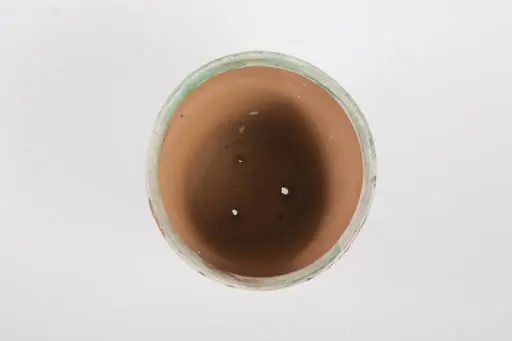 Vas de mici dimensiuni de formă tronconică cu baza mai mică; manșon sub gură lat de 4 cm, decorat cu motive geometrice: șir de romburi înscrise realizate cu cornul. Fund perforat pentru scurgerea apei. Cromatică: fond: cărămiziu; motive: galben; negru.
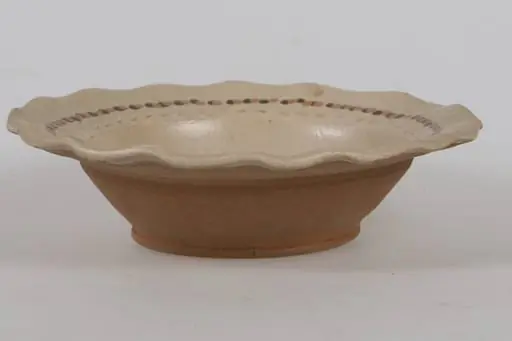 Farfurie de formă tronconică cu baza marcată printr-un inel proeminent perforat pentru atârnare pe perete cu buza lată, mult înclinată în afară și ondulată. Decorată cu un motiv central: floare; brâu alveolat pe buză realizat cu unghia si un alt brâu de puncte realizate cu cornul. Smălțuită la interior și la exterior. Cromatică: fond: bej; motive: maron închis; maron deschis.
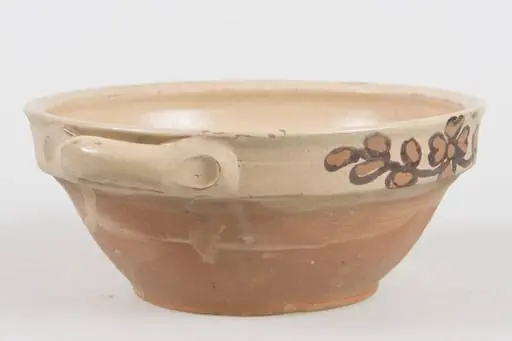 Vas de formă tronconică, cu baza marcată printr-un inel proeminent, buza ușor răsfrântă continuată cu o bandă lată, de care sunt fixate două torți dispuse orizontal ce au la capete impresiuni alveolate, rămase de la lipirea lor prin apăsare cu degetul. Cromatică: fond: crem; motive: verde; maron deschis; maron închis.
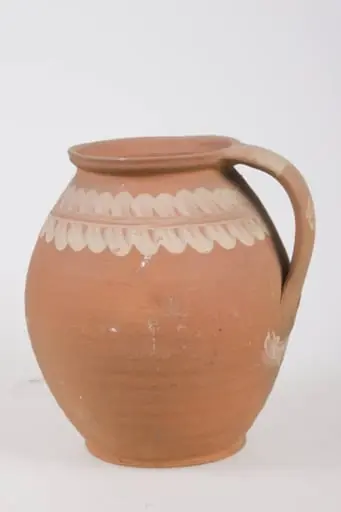 Oală ce are corpul bombat simetric cu diametrul maxim la mijlocul vasului, gâtul scurt și gura dreaptă. Buza este răsfrântă în exterior și toartă între buză și mijlocul vasului. Decor pe umăr cu linie ondulată realizată cu degetul și două linii paralele realizate cu fichieșul; dungi paralele pe toartă.
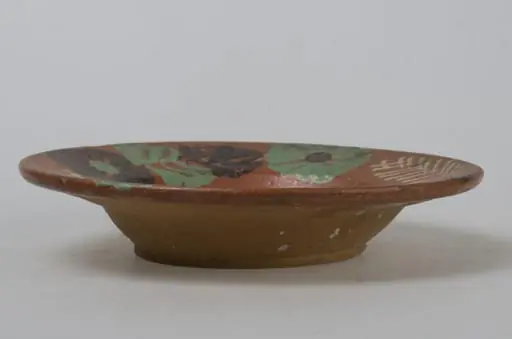 Vas de formă tronconică cu buza largă și evazată. Decorul este amplasat pe toată suprafața interioară a farfuriei. Acesta este compus din motive florale. Blidul este smălțuit la interior și pe zona exterioară a buzei. Cromatică: fond: maron; motive: alb, verde, maron închis.
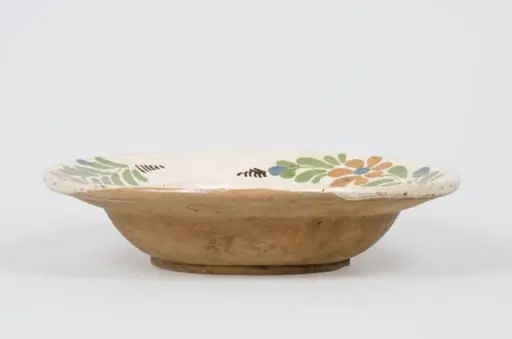 Vas de formă tronconică, adâncit smălțuit în interior. Acesta este decorat pe margine cu motive vegetale și florale pe un registru dispus în zona diametrului maxim. Cromatică: fond cărămiziu (exterior); fond alb (interior); verde; maro; albastru.
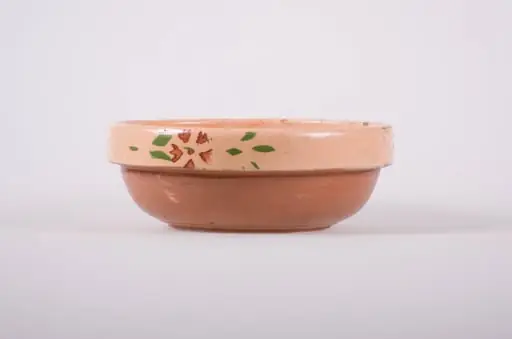 Vas de formă tronconică, adâncit, cu buza foarte înaltă; pe fund are găuri pentru agățare. Este smălțuit interior și exterior. Decorat cu motive geometrice: linie; motive florale. Cromatică: fond; crem; motive: maron; verde.
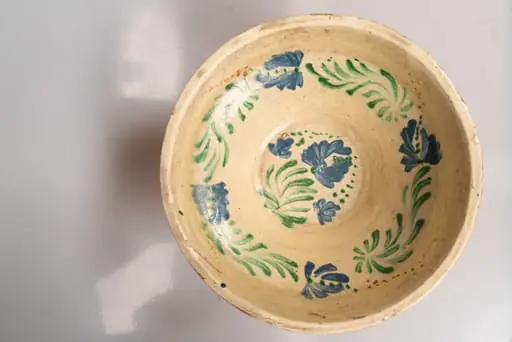 Vas de tip castron, cu corp de formă tronconică și buză lată, dreaptă. Piesa este modelată la roata olarului și angobată cu humă albă pe fața interioară. Decorul este realizat prin pictare cu pensula și constă în motive decorative florale stilizate (central, pe fundul farfuriei este pictată o tulpină cu frunze verzi și trei flori albastre, cea centrală mai mare, celelalte două, laterale, mai mici; pe peretele vasului sunt pictate patru flori albastre cu elemente fitomorfe între ele, formând o ghirlandă continuă). Cromatica: alb, verde, albastru, galben-ocru. Fața ornamentată a piesei este acoperită cu un strat de smalț transparent. Pe exteriorul farfuriei, în zona buzei, este realizat prin sgrafitare un decor dintr-o linie ondulată între două linii sub formă de cerc.
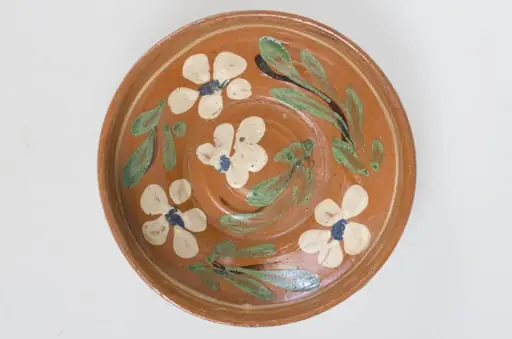 Blidul de formă tronconică adânc, smălțuit (la interior). Acesta este ornamentat cu motive florale, având cu buza înaltă. Blidul este neornamentat la exterior, fiind smălțuit (la exterior) doar pe buză. Pe exteriorul buzei este incizată o linie. Fundul obiectului are formă circulară, fiind prevăzut cu două orificii pentru prindere. Cromatică: fond: cărămiziu (exterior); alb (interior); decor: verde; alb; albastru; maro.