Artwork
Vas de formă tronconică cu buza dreapta. Decorul este amplasat pe toată suprafața interioară și parțial în exterior, pe buză. Acesta este compus din motive geometrice (val); motive fitomorfe, plasate pe fund (frunza) și motive florale, tot pe fund (pansea). Blidul este smălțuit la interior și pe zona exterioară a buzei. Cromatică: fond: maron; motive: alb, verde.
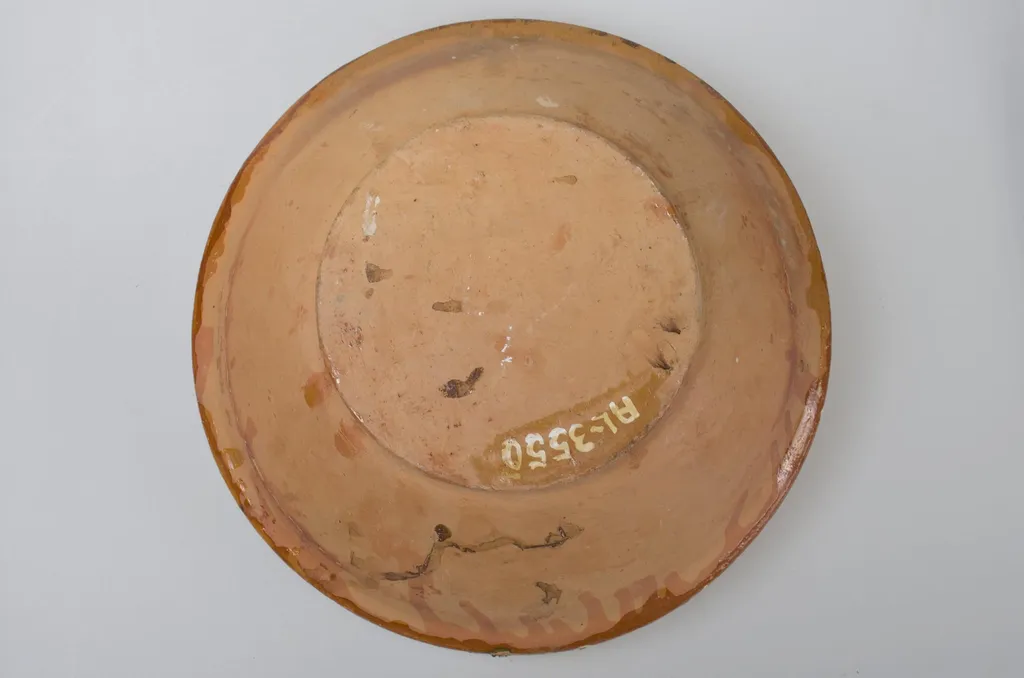
Vas de formă tronconică cu buza dreapta. Decorul este amplasat pe toată suprafața interioară și parțial în exterior, pe buză. Acesta este compus din motive geometrice (val); motive fitomorfe, plasate pe fund (frunza) și motive florale, tot pe fund (pansea). Blidul este smălțuit la interior și pe zona exterioară a buzei. Cromatică: fond: maron; motive: alb, verde. is a photography by Dănilă Ion. It is held in the collection of the ASTRA National Museum Complex. This conical vessel is a utilitarian ceramic bowl, crafted from coarse clay and shaped for daily use.
About this work
Overview
Decorative elements are confined to the inner walls and the upper lip, with minimal ornamentation suggesting practicality over display.
This conical vessel is a utilitarian ceramic bowl, crafted from coarse clay and shaped for daily use. Its interior surface is glazed, while the exterior rim retains a rough, unglazed texture. Decorative elements are confined to the inner walls and the upper lip, with minimal ornamentation suggesting practicality over display. Faint markings on the rim indicate possible inventory or ownership identifiers.
Subject & Meaning
The decoration features abstract geometric waves, stylized leaf forms, and floral motifs, all rendered in pale green and white against a muted brown background. These patterns lack narrative content and appear to serve ornamental rather than symbolic functions. Their placement on the interior suggests visual engagement during use, possibly reflecting regional aesthetic preferences rather than ritual significance.
Technique & Style
The vessel was formed by hand or on a slow wheel, with a thin, uneven glaze applied only to the interior and the lip’s outer edge. The glaze shows signs of wear, cracking, and partial flaking, consistent with prolonged use. Decorative motifs were painted in low-fire pigments, applied with simple tools, resulting in irregular lines and faded tones that reflect handmade, non-industrial production methods.
History & Provenance
The bowl’s construction and decoration align with vernacular pottery traditions from the late 19th or early 20th century in Eastern Europe. The stamped numbers on the rim may denote museum accession or collection records, though their origin remains undocumented. Its condition—worn glaze, minor chips, and surface abrasions—indicates decades of domestic handling before entering institutional care.
Context
This object belongs to a broader category of household ceramics produced in rural communities, where functional needs dictated form and decoration. Similar vessels appear in regional collections, often found in kitchens or storage areas. The limited palette and repetitive motifs reflect local material constraints and inherited design patterns passed through generations of potters.
Legacy
Though not artistically exceptional, the vessel contributes to understanding everyday material culture in pre-industrial societies. Its preservation in ethnographic collections highlights efforts to document domestic life beyond elite or ceremonial artifacts. It stands as a quiet testament to the rhythms of ordinary use, where utility shaped form over centuries.
Artist & collection
Artist
Ion Dănilă shaped clay in a rural workshop where the morning light turned the red dust on his hands the same color as the pots he made.

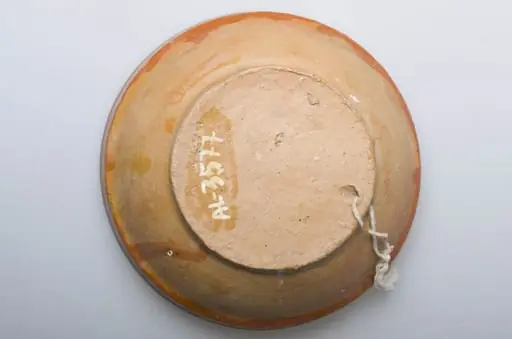 Blid de formă tronconică, cu gura largă, înaltă și dreaptă, smălțuit integral în partea interioară și în exterior doar la nivelul buzei. Este decorat din interior cu motive florale: trei flori - una albă central încadrată de doi brăduți și două verzi lateral; motive geometrice: trei linii ondulate deasupra florii albe și unghiuri de diferite dimensiuni între cele două flori verzi. Fundul este circular și prezintă un orificiu pentru agățare. Cromatică: fond: cărămiziu; motive: alb; verde; negru.
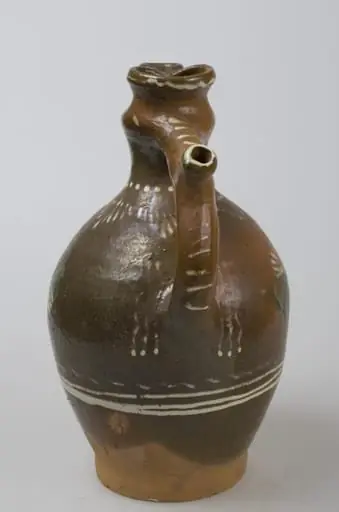 Recipient bitronconic cu gura bilobată. Prezintă mâner cu ”țâță”. Smălțuit până aproape de bază. Decorul este amplasat pe toată suprafața și este format din motive geometrice (linie); motive florale (pansea); motive fitomorfe (brad). Cromatică: fond: cărămiziu; motive: verde; maron; alb.
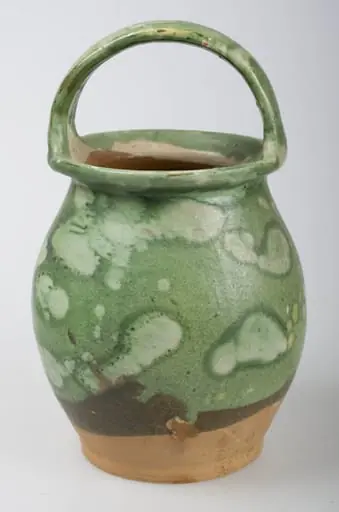 Oală de formă bitronconică cu baza plată cu pereții puternic arcuiți îngustându-se ușor în partea superioară. Buza este puțin răsfrântă la exterior. Prezintă o toartă de susținere plasată diametral, peste gură (mănușă). Angobat, stropit cu verde, smălțuit în interior și exterior. Cromatică: verde; maro; alb.
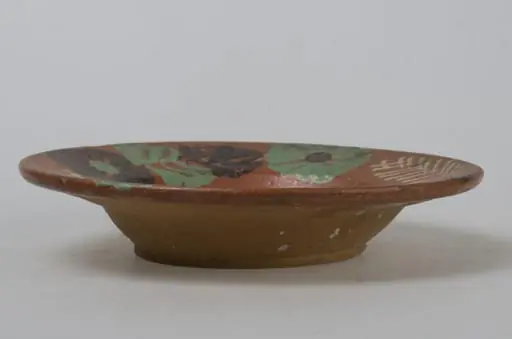 Vas de formă tronconică cu buza largă și evazată. Decorul este amplasat pe toată suprafața interioară a farfuriei. Acesta este compus din motive florale. Blidul este smălțuit la interior și pe zona exterioară a buzei. Cromatică: fond: maron; motive: alb, verde, maron închis.
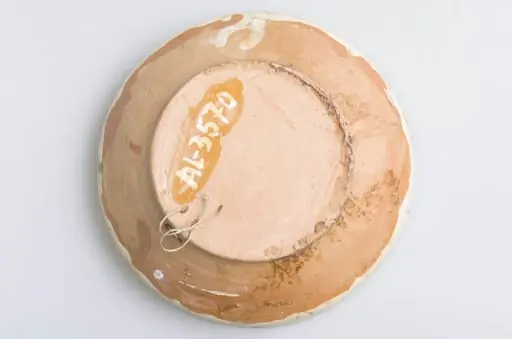 Vasul are forma tronconică, având buza înaltă și ușor evazată. Obiectul este smălțuit în interior și exterior numai la buză. Acesta este decorat în interior și exterior cu pete realizate prin stropire. Cromatică: fondul este alb în interior, cărămiziu în exterior, iar motivele sunt pictate cu verde și maro.
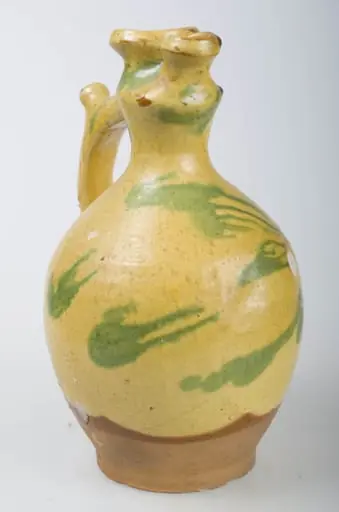 Recipient sferic cu gât îngust, gura bilobată, toartă cu țâță, piatră sunătoare și ciur. Ornamentat prin stropire cu smalț. Cromatică: fond: galben; decor: dungi verzi stropite.
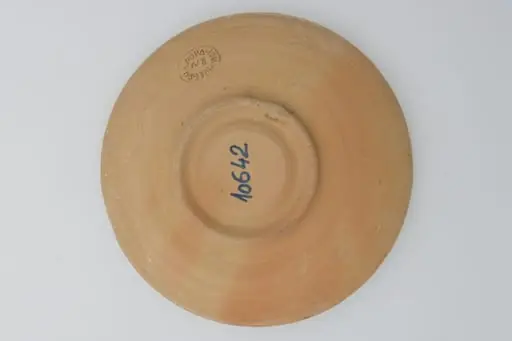 Recipient din lut de uz casnic, nesmălțuit, de formă circulară, cu profil tronconic și buza rotunjită. Acesta este decorat pe toată suprafața cu motive geometrice și florale, realizate cu gaița și cornul. În partea centrală este redată o floare cu petale multiple. Pereții se termină cu o linie ondulată. Cromatică: fond: alb; motive: gri, maro închis, maro deschis.
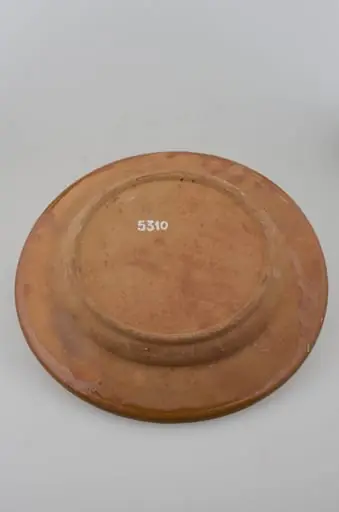 Blid tronconic cu fund plat, margine puțin ridicată și buza ușor oblică. Decor cu motive aviforme și florale: cocoș pe centru și o floare; pe margine, circular, motive geometrice (semicercuri, liniare, punctate, zig-zag). Cromatică: fond: cărămiziu; motive: maro; verde; alb; galben.
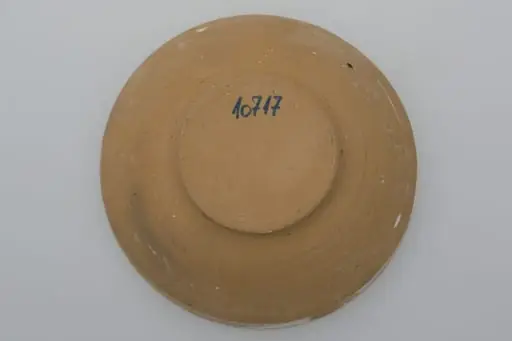 Recipient din lut de uz casnic, nesmălțuit, angobat, de formă circulară, cu profil tronconic, cu buza dreaptă și înaltă. Pe pereții interiori, vasul este decorat cu cornul, cu motive geometrice și florale: un contur de floare urmat de un șir de flori mici stilizate. Spre gura strachinii, la interior, sunt prezente linii concentrice, maro. În centrul vasului este pictată o spirală. Buza vasului este ornată cu o linie ondulată. Cromatică: fond: alb; motive: gri, maro închis, maro deschis.
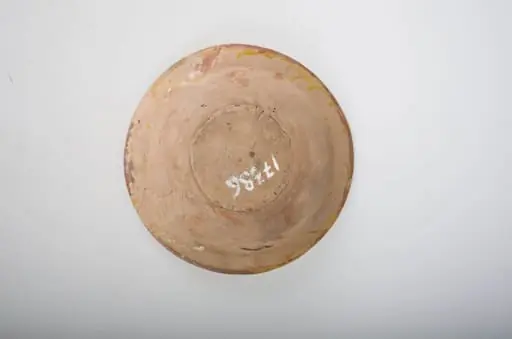 Vas din lut de formă tronconică, cu gura mai largă decât baza și smălțuită la interior. Ornamentată cu motive geometrice și vegetale în felul următor: pe fundul vasului este pictată cu pensula o crenguță cu frunze, împrejmuită în continuare spre pereții vasului de o spirală. Tot aici, este pictat cu negru, litera ”F” și ”R”. Pe marginea vasului, sunt flori dispuse circular cu tulpini și frunze mari, având petalele rotunde, bicolore. Prezintă uzură funcțională. Cromatică: fundal cărămiziu; motive: galben; negru.
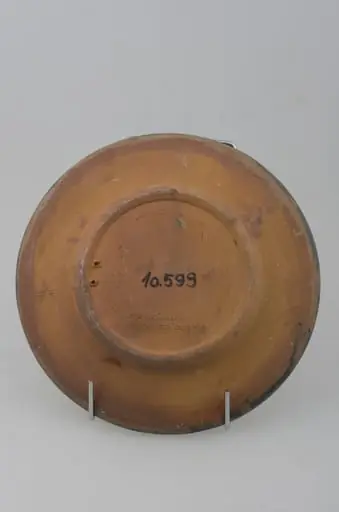 Farfurie de formă tronconică cu pereții rotunjiți, marginea oblică, lată și buza crestată. Decor cu motive geometrice pe margine: linii frânte și curbe; pete de culoare; central prezintă o floare stilizată. Cromatică: fond: verde; motive: brun; verde deschis; alb.
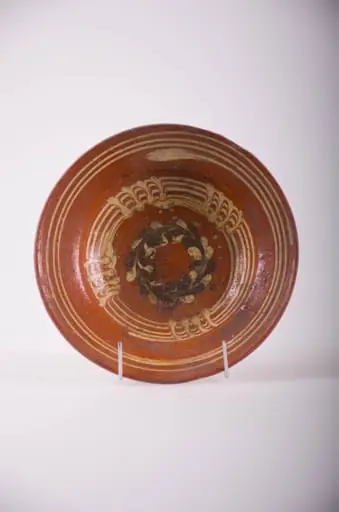 Farfurie de formă tronconică, marginea lată ușor înclinată în sus. Decor: pe fond de roșeală pe fundul plat, un cerc de puncte albe și negre în formă de coroniță; pe perete cercuri concentrice cu motive de linii verticale, pe margine trei cercuri concentrice albe. Smalț incolor. Cromatică: fond: maro; motive: alb-gălbui; negru.