Artwork
Saint Jerome in a Cave
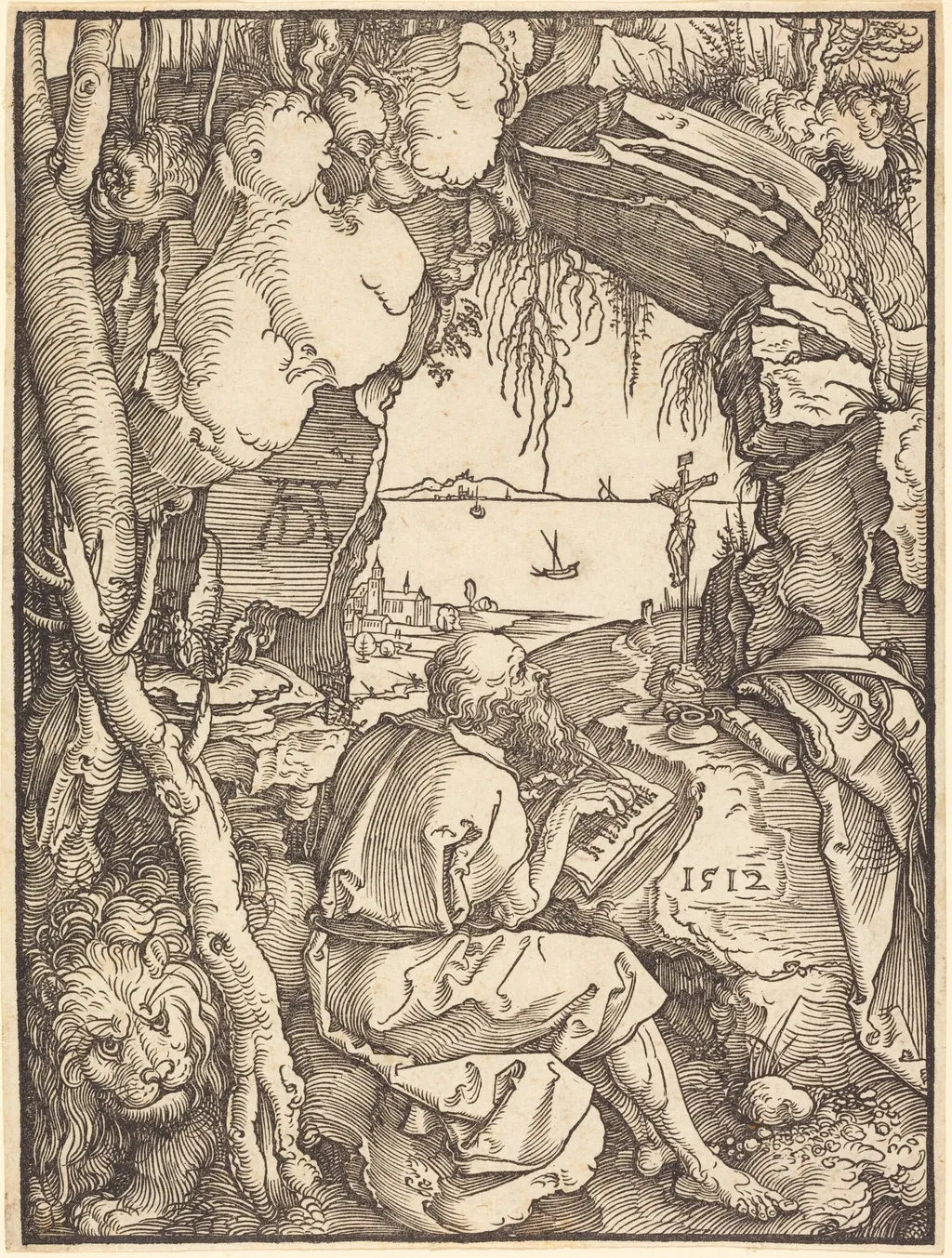
Saint Jerome in a Cave is an ink print by the Northern Renaissance artist Albrecht Dürer. It dates from 1512 and is held in the collection of the Metropolitan Museum of Art.
About this work
Overview
Saint Jerome in a Cave is a 1512 woodcut by Albrecht Dürer, printed on laid paper. Unlike many contemporary depictions of saints in grand or ceremonial settings, this work presents Jerome in solitude, engaged in quiet study. The image belongs to a series of prints Dürer produced during his mature period, reflecting his interest in combining spiritual themes with intimate, humanized scenes.
Subject & Meaning
Here, he is shown not as a bishop or martyr, but as a contemplative hermit, surrounded by books and the rugged interior of a cave.
The figure is Saint Jerome, the 4th-century scholar who translated the Bible into Latin. Here, he is shown not as a bishop or martyr, but as a contemplative hermit, surrounded by books and the rugged interior of a cave. This portrayal emphasizes his intellectual devotion and ascetic life, aligning with humanist ideals of the time that valued personal piety and scholarly dedication over external display.
Technique & Style
Dürer employed the woodcut technique, carving lines into a wooden block to create the image, then inking and pressing it onto paper. His precise, fine lines and intricate shading demonstrate advanced mastery of the medium. The composition uses dense cross-hatching to model form and texture, giving the rocky cave and voluminous robes a tactile, three-dimensional quality rare in prints of the period.
History & Provenance
Created in 1512, the print was part of Dürer’s broader output during his time in Nuremberg, when he focused on religious subjects for a growing market of educated patrons. Early impressions were widely distributed across Europe, and surviving examples are held in major museum collections, including the British Museum and the Metropolitan Museum of Art, attesting to its early circulation and enduring interest.
Context
In early 16th-century Europe, religious imagery was shifting from communal liturgical functions toward private devotion. Dürer’s depiction of Jerome in seclusion reflects this trend, influenced by humanist scholarship and the rise of individual spirituality. The woodcut format allowed for mass reproduction, making such contemplative images accessible beyond elite circles.
Legacy
The print established a new visual model for representing saints as introspective scholars, influencing later Northern Renaissance artists. Dürer’s technical precision in woodcut raised the medium’s status, demonstrating its capacity for nuance and emotional depth. It remains a key example of how printmaking could convey complex spiritual ideas with clarity and intimacy.
Artist & collection
Artist
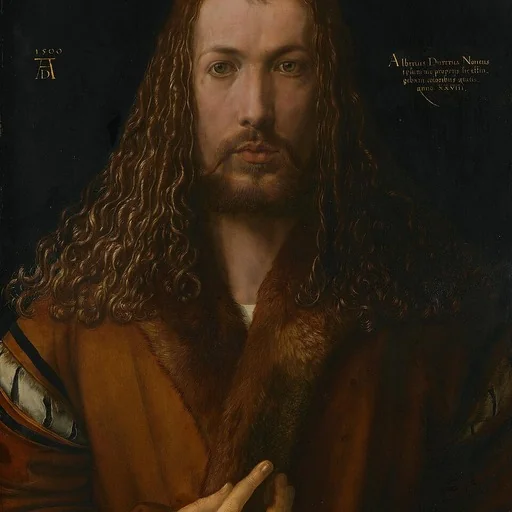
Albrecht Dürer spent his life in Nuremberg, a busy German city where artists traded prints like currency.

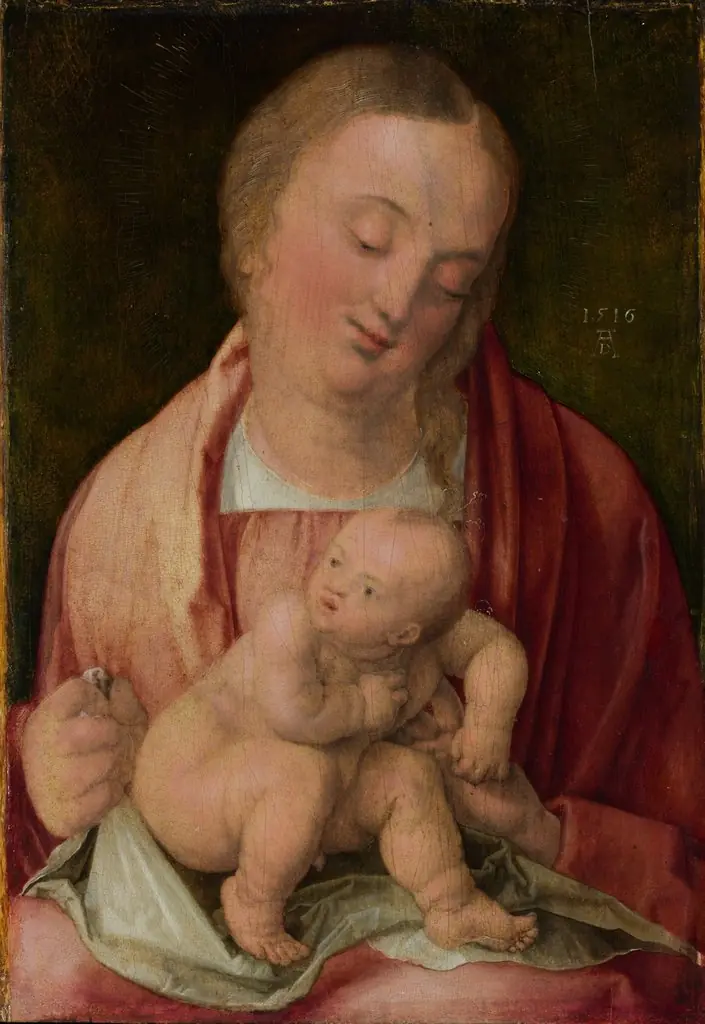
![Madonna and Child [obverse], by Albrecht Dürer](https://artifactworldgallery.com/img/albrecht-durer--madonna-and-child-obverse--d7b8ebf05d22ebe5-w320.webp)
![Lot and His Daughters [reverse], by Albrecht Dürer](https://artifactworldgallery.com/img/albrecht-durer--lot-and-his-daughters-reverse--b4ebf9b282faa17a-w320.webp)
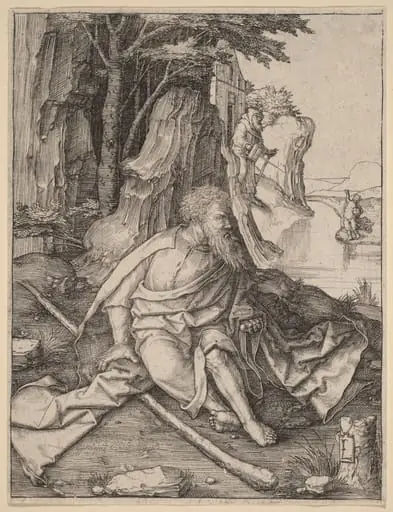 Saint Christopher at the Border of a River
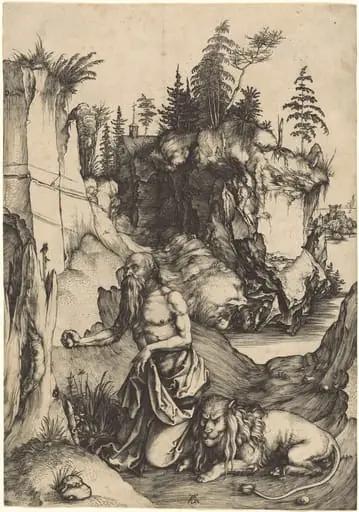 Saint Jerome Penitent in the Wilderness
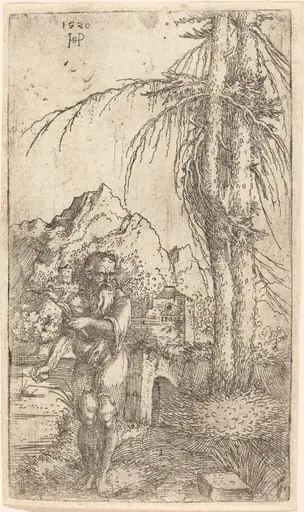 Saint Jerome in a Landscape
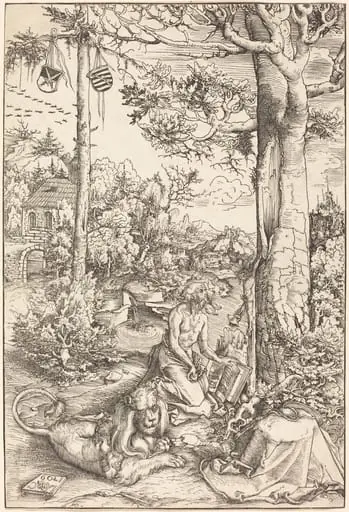 The Penitence of Saint Jerome
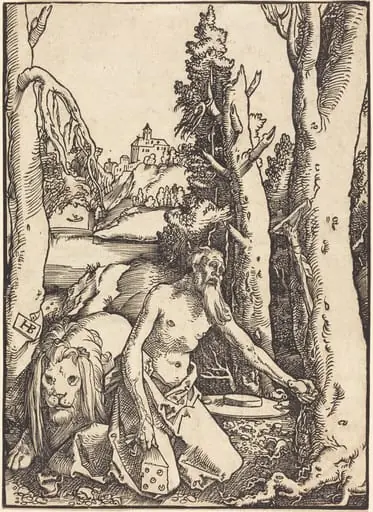 Saint Jerome in the Desert
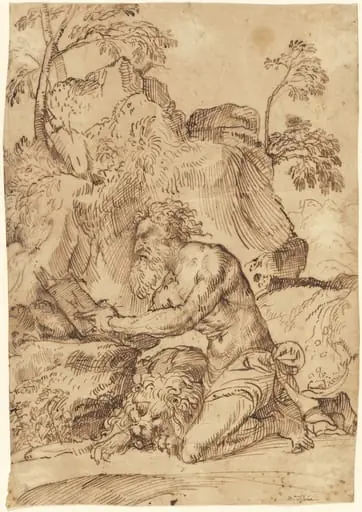 Saint Jerome Reading in the Wilderness
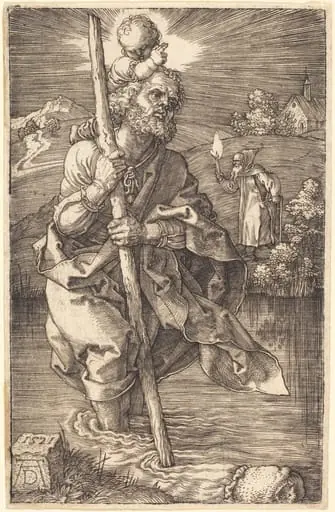 Saint Christopher Facing Right
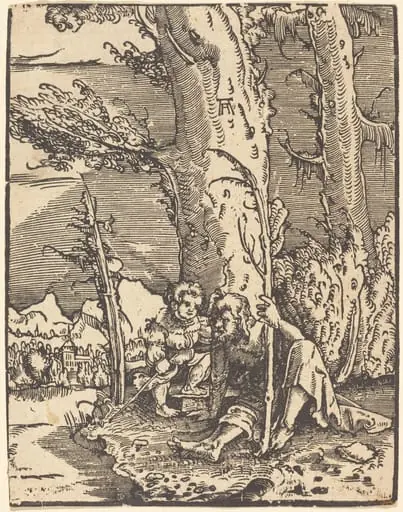 Saint Christopher Seated by a River Bank
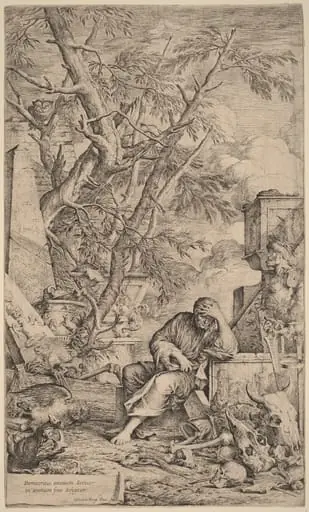 Democritus in Meditation
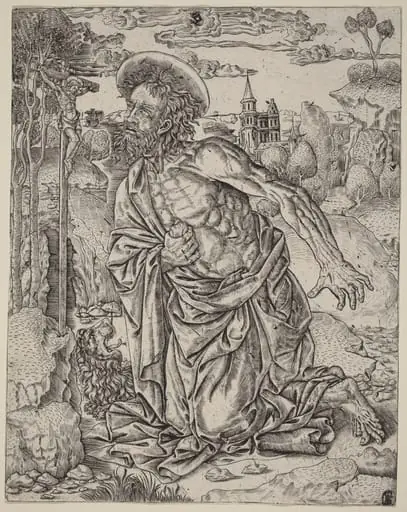 Saint Jerome in Penitence
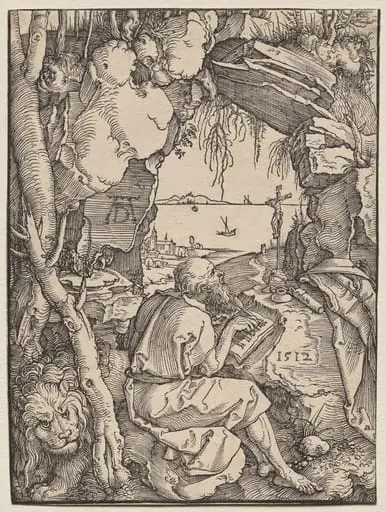 St. Jerome in a Cave
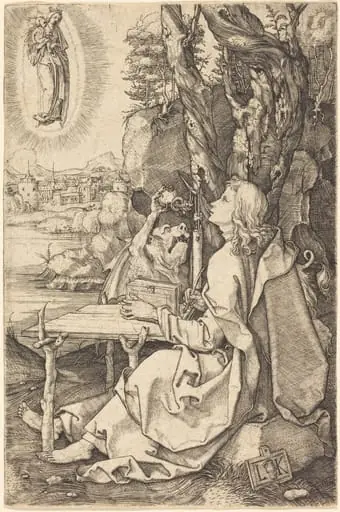 Saint John