Artwork
The Man of Sorrows Mocked by a Soldier
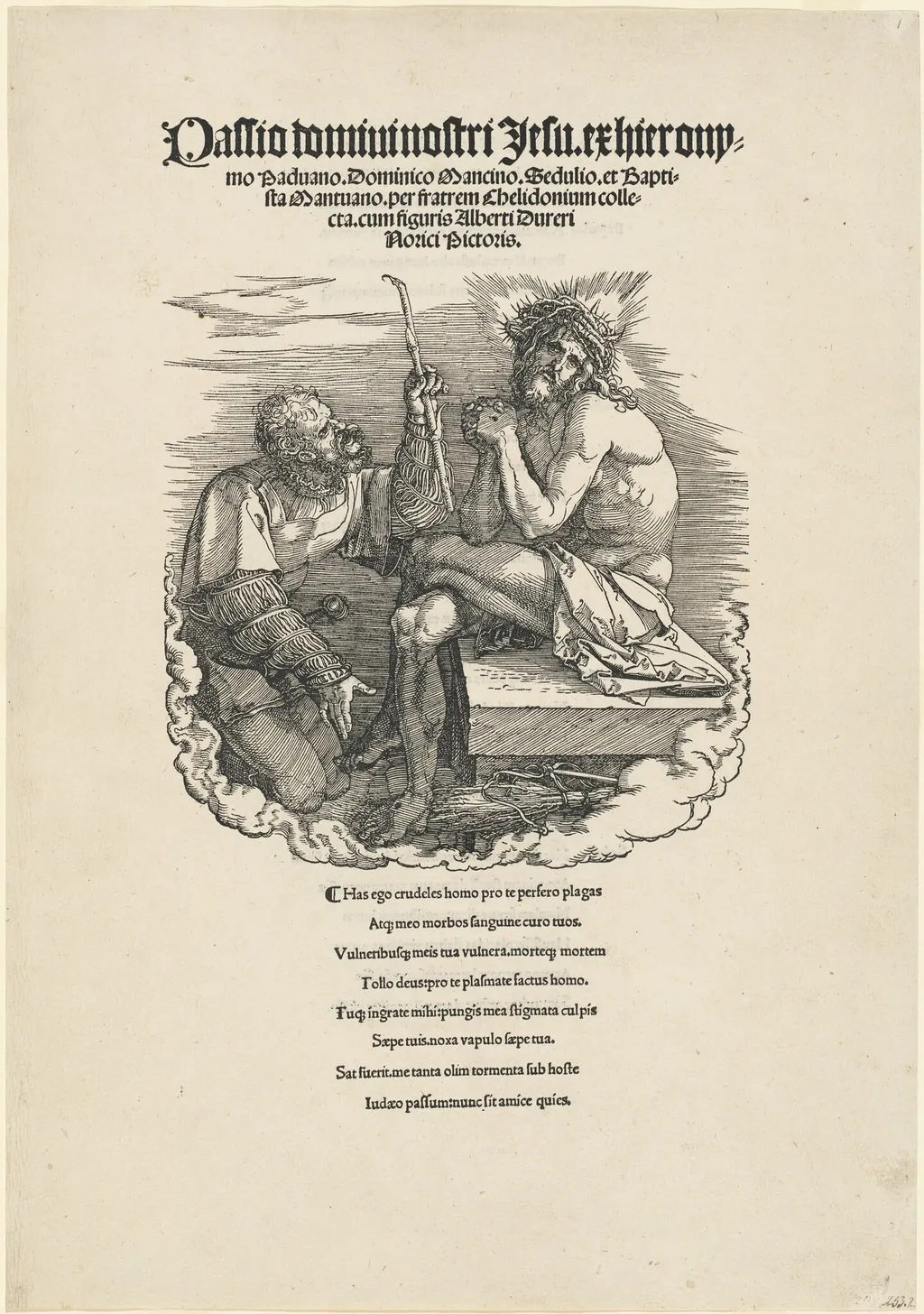
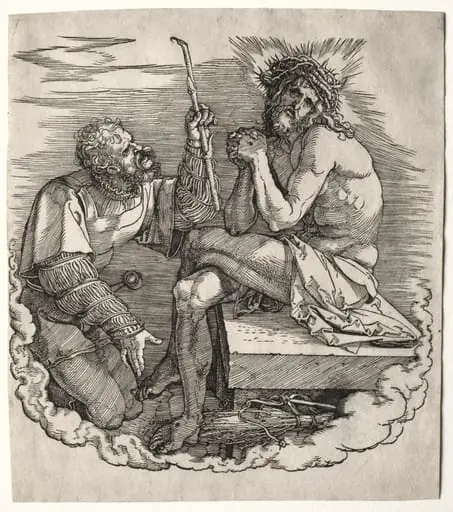
The Man of Sorrows Mocked by a Soldier is an ink print by the Northern Renaissance artist Albrecht Dürer. It dates from 1511 and is held in the collection of the Cooper Hewitt, Smithsonian Design Museum.
About this work
This woodcut shows Jesus with a soldier mocking him. His body is marked with wounds. Thorns cover his head like a crown.
Dürer made this print in 1511. It feels small, but every line is sharp. Woodcuts carve an image into wood, then ink covers it. The paper presses down to make the print.
You can see this print in Washington, D.C. at the National Gallery of Art, Washington.
Overview
Albrecht Dürer’s woodcut titled *The Man of Sorrows Mocked by a Soldier* dates from around 1511. Executed on laid paper, the print presents a compact yet meticulously rendered image of the crucified Christ, whose wounded body and crown of thorns are emphasized by the artist’s precise line work. The work is part of the National Gallery of Art’s collection in Washington, D.C.
Subject & Meaning
The composition portrays Jesus Christ in the moment of humiliation, surrounded by a soldier who gestures mockery. The figure’s exposed wounds and the thorned crown underscore the themes of suffering and sacrifice central to Christian iconography, inviting contemplation of the physical and spiritual anguish associated with the Passion narrative.
Technique & Style
Created through the woodcut process, Dürer incised the image into a wooden block, applied ink to the recessed lines, and transferred the design onto laid paper by pressing. Despite the small scale, the print exhibits exceptionally sharp, controlled lines that delineate the anatomy of Christ and the details of the soldier’s attire, reflecting Dürer’s mastery of printmaking precision.
History & Provenance
The print was produced in the early sixteenth century, a period when Dürer was expanding his repertoire beyond painting into graphic arts. Over the centuries it entered various private collections before being acquired by the National Gallery of Art, where it remains on display as an example of Dürer’s religious print work.
Context
Created during the later phase of Dürer’s career, the woodcut aligns with the Northern Renaissance’s heightened interest in devotional imagery and the technical possibilities of print media. The work illustrates how artists of the time employed portable formats to disseminate religious narratives to a broader audience beyond the confines of altarpieces and manuscripts.
Artist & collection
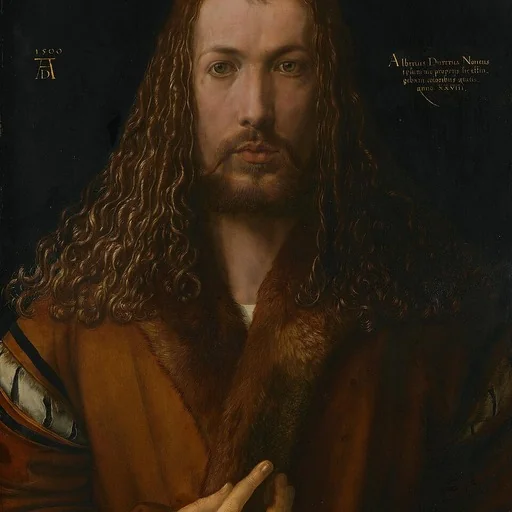
Artist
Albrecht Dürer spent his life in Nuremberg, a busy German city where artists traded prints like currency.

Museum
Cooper Hewitt, Smithsonian Design Museum
Continue through works from the same source collection.
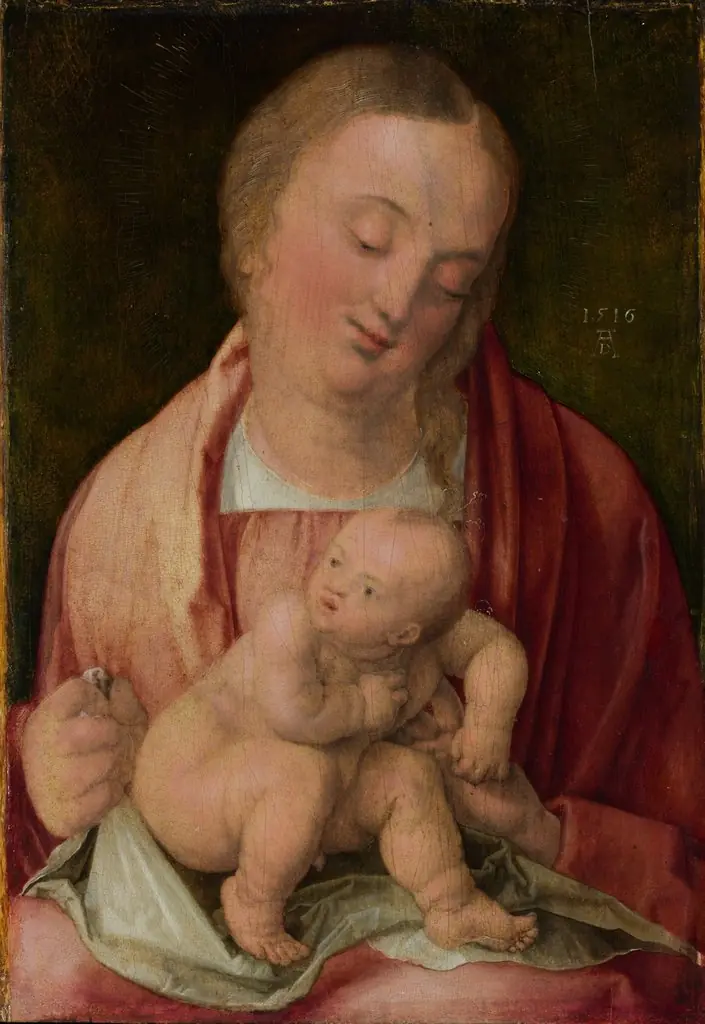
![Madonna and Child [obverse], by Albrecht Dürer](https://artifactworldgallery.com/img/albrecht-durer--madonna-and-child-obverse--d7b8ebf05d22ebe5-w320.webp)
![Lot and His Daughters [reverse], by Albrecht Dürer](https://artifactworldgallery.com/img/albrecht-durer--lot-and-his-daughters-reverse--b4ebf9b282faa17a-w320.webp)
 The Great Passion: Title Page - Christ, Man of Sorrows
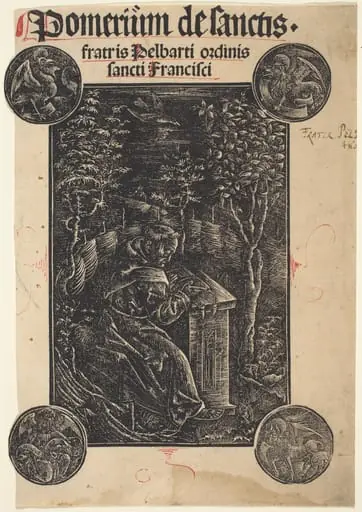 Franciscan, Pelbartus of Temesvar, in a Garden
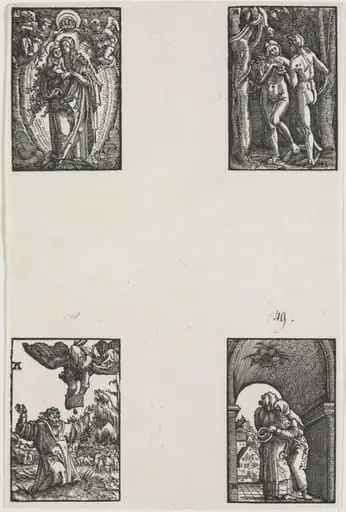 The Fall and Redemption of Man
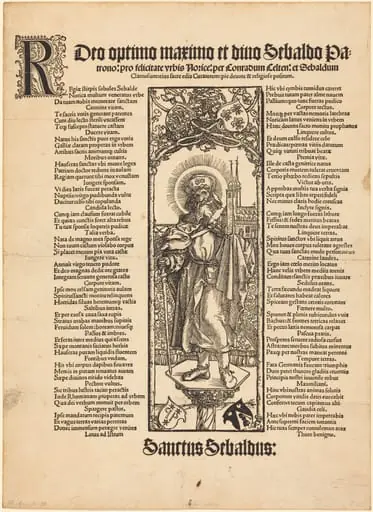 Saint Sebaldus Standing on a Column
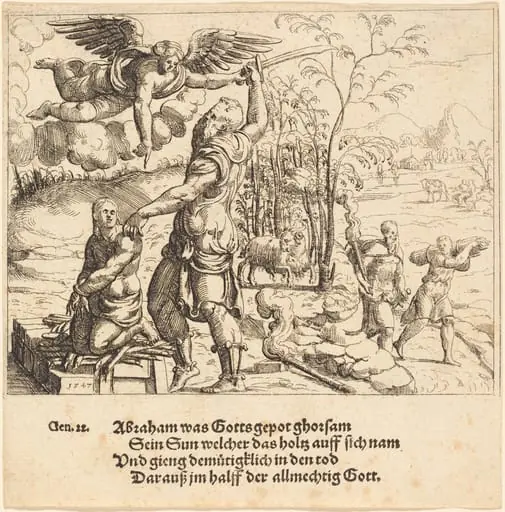 The Sacrifice of Isaac
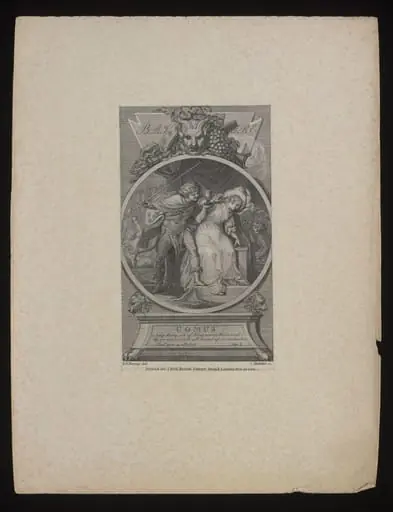 H Beard Print Collection
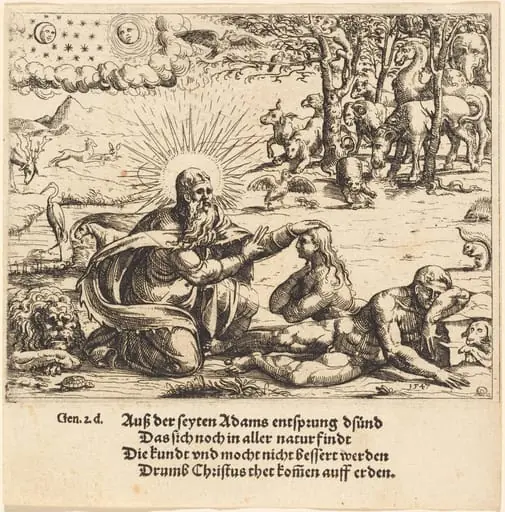 Creation of Eve
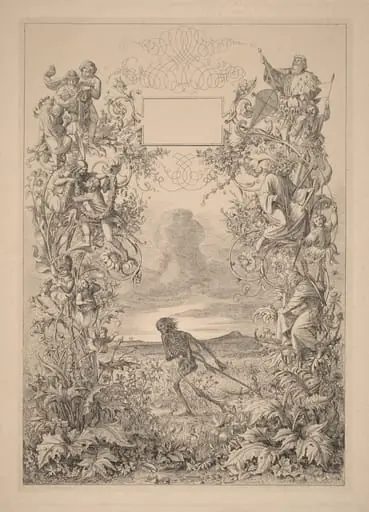 Heute Roth, Morgen Tod (Today Red, Tomorrow Dead)
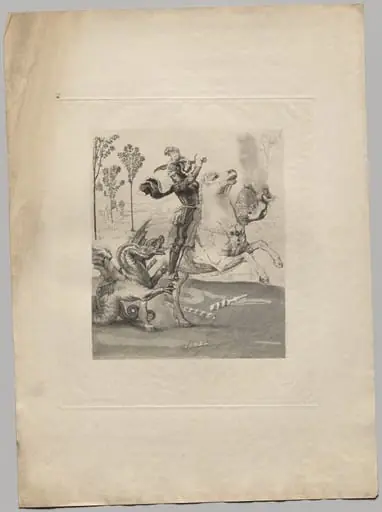 St. George and the Dragon (2)
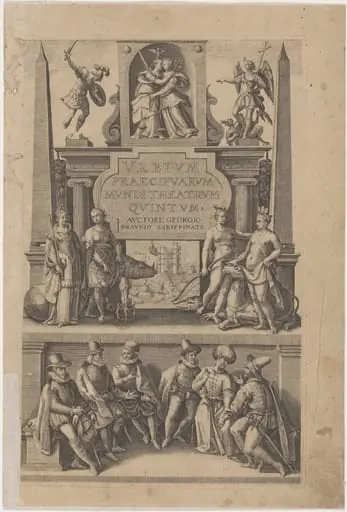 Title Page to Urbium Praecipuarum Mundi Theatrum Quintum
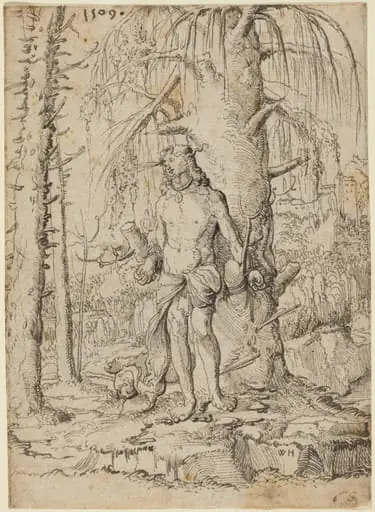 Saint Sebastian
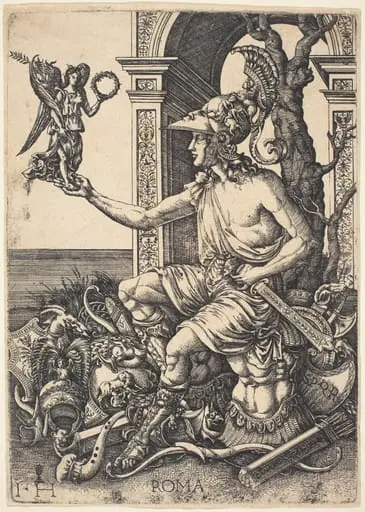 Personification of Rome