Artwork
The Ravisher
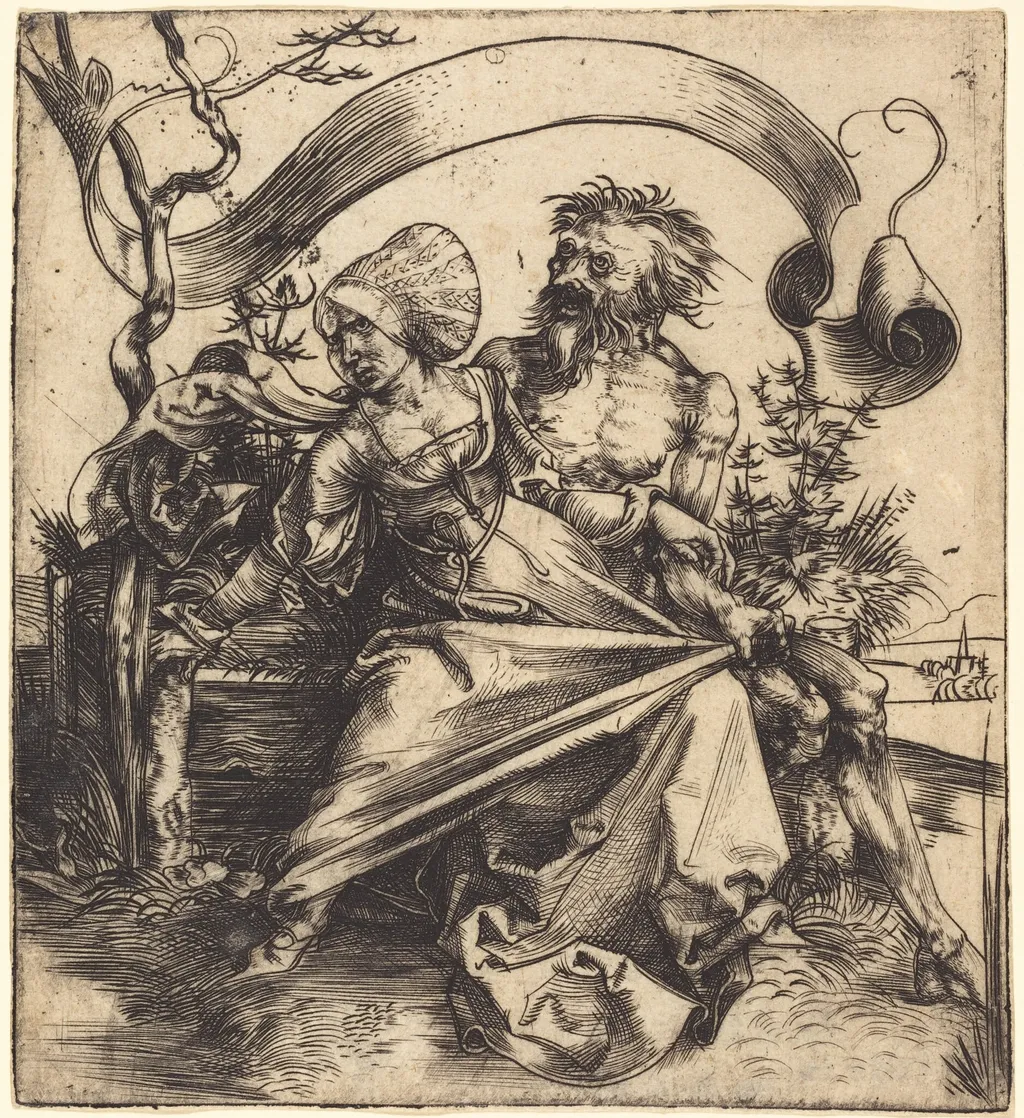
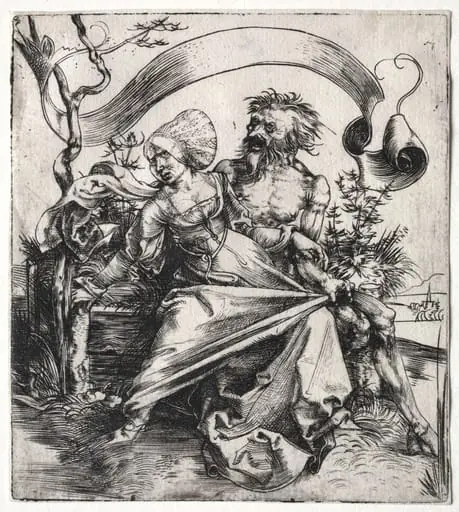
The Ravisher is an ink print by the Northern Renaissance artist Albrecht Dürer. It dates from 1495 and is held in the collection of the Metropolitan Museum of Art.
About this work
Overview
Albrecht Dürer’s engraving known as The Ravisher, dated to around 1495, presents a stark allegorical scene. Executed on laid paper, the print portrays a skeletal figure in armor astride a goat, moving through a dark, tangled forest while a rope attached to the rider drags a third figure, and two other men flee, one stumbling.
Subject & Meaning
The composition serves as a visual meditation on the inevitability of death, depicting the skeletal rider as a personified force that spares no one. The inclusion of a goat with wild eyes and the chaotic, twisted trees intensify the nightmarish atmosphere, underscoring the work’s moral warning about mortality.
Technique & Style
Dürer employs meticulous cross‑hatching to render depth and shadow, using fine, intersecting lines that build tonal variation across the figures and foliage. The precision of the engraving highlights his mastery of line work, while the stark contrasts reinforce the dramatic, foreboding mood of the scene.
History & Provenance
Created in the late 15th century, The Ravisher belongs to Dürer’s early period of printmaking, a time when he explored allegorical subjects. The work has been preserved on laid paper and is documented in several museum collections, reflecting its continued scholarly interest as an example of early Northern Renaissance print art.
Own this work as a print
Artist & collection
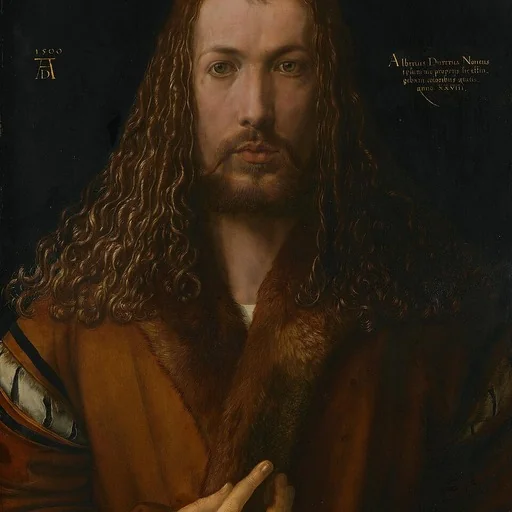
Artist
Albrecht Dürer spent his life in Nuremberg, a busy German city where artists traded prints like currency.

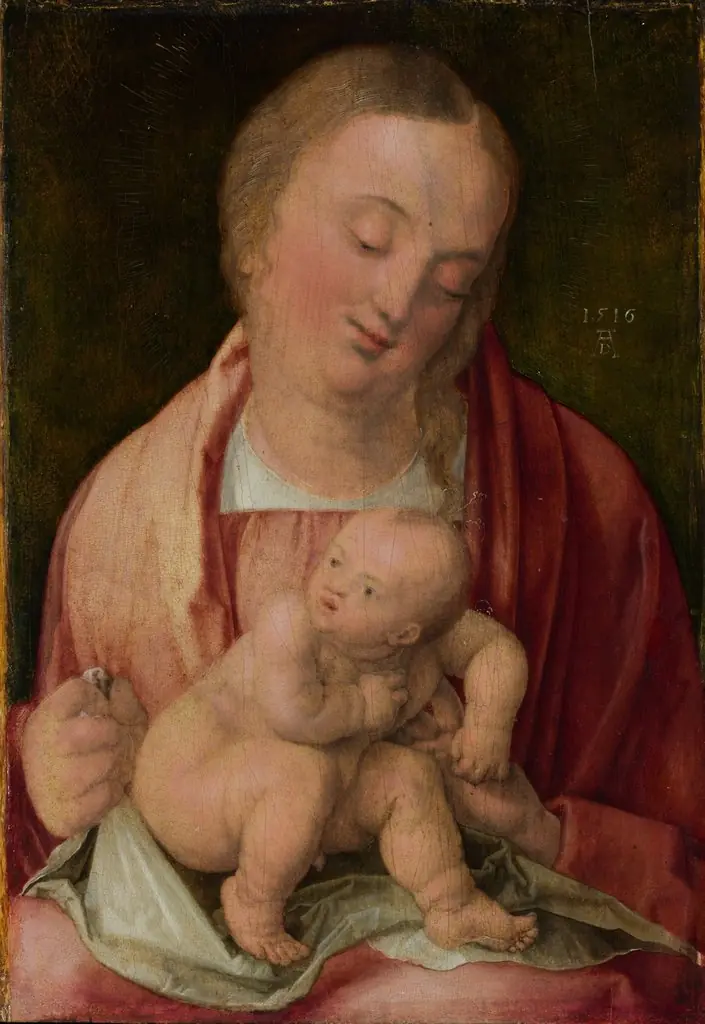
![Madonna and Child [obverse], by Albrecht Dürer](https://artifactworldgallery.com/img/albrecht-durer--madonna-and-child-obverse--d7b8ebf05d22ebe5-w320.webp)
![Lot and His Daughters [reverse], by Albrecht Dürer](https://artifactworldgallery.com/img/albrecht-durer--lot-and-his-daughters-reverse--b4ebf9b282faa17a-w320.webp)