Artwork
Expulsion from Paradise
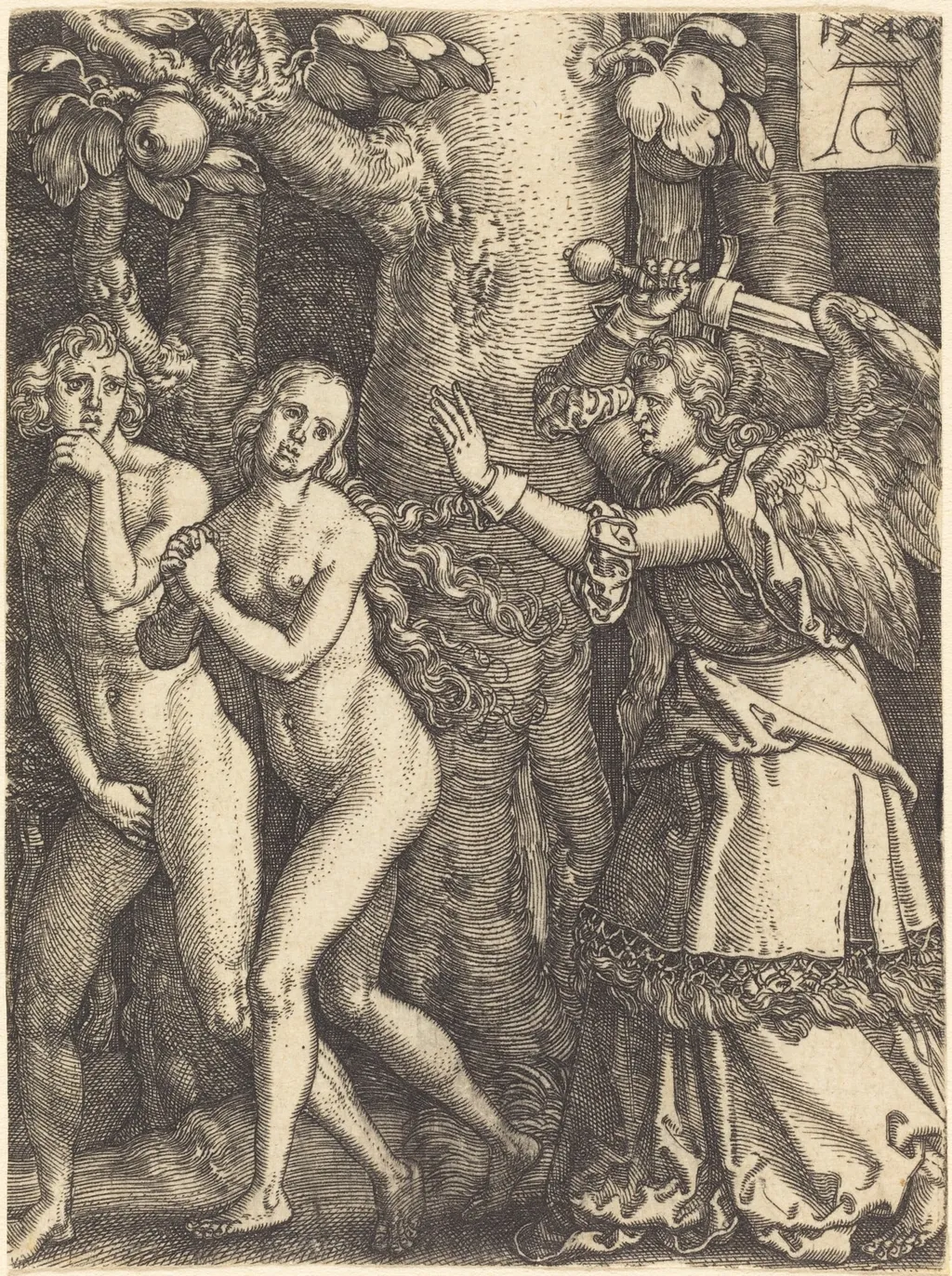
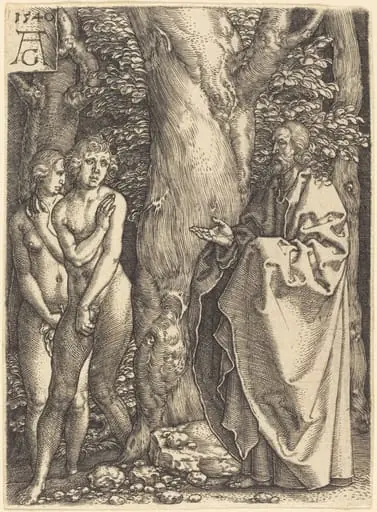
Expulsion from Paradise is an ink print by the Northern Renaissance artist Heinrich Aldegrever. It dates from 1540 and is held in the collection of the National Gallery of Art.
About this work
Overview
Heinrich Aldegrever, a German printmaker linked to the group known as the Little Masters, issued the etching *Expulsion from Paradise* in 1540. The work is a modestly sized copper plate impression that presents a biblical episode in a compact, detailed format typical of his output in the mid‑sixteenth century.
Subject & Meaning
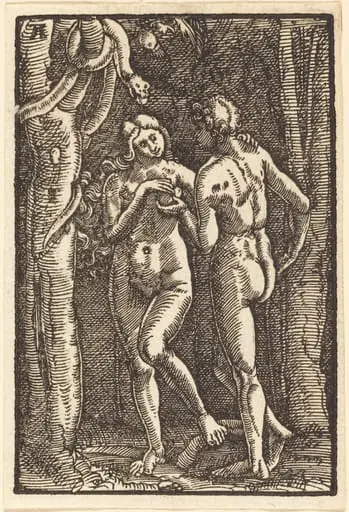
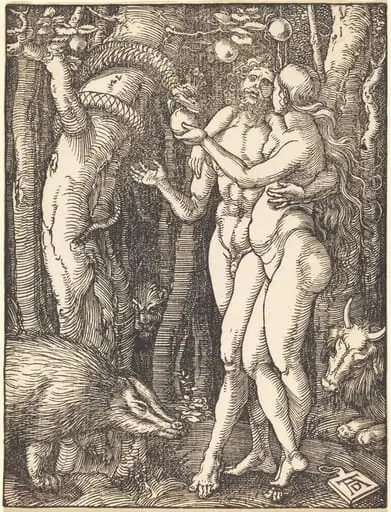
The image portrays the moment described in Genesis when Adam and Eve are expelled from the Garden of Eden. The figures are shown in a state of contrition, with the serpent coiled nearby, emphasizing the theological themes of loss, disobedience, and the onset of human mortality.
Technique & Style
Aldegrever employed etching, a process that allows fine line work and subtle tonal variation. The composition balances intricate detailing of foliage and clothing with broader washes that suggest depth. His approach reflects the influence of Albrecht Dürer while maintaining a personal clarity and restraint characteristic of the Little Masters.
History & Provenance
Created shortly after the peak of Dürer’s career, the print circulated among collectors of devotional imagery in northern Europe. Surviving copies are documented in several museum collections, indicating its distribution through the networks of print dealers that disseminated Aldegrever’s work throughout the German lands.
Artist & collection

Artist
Heinrich Aldegrever or Aldegraf was a German painter and engraver. He was one of the "Little Masters", the group of German artists making small old master prints in the generation after Albrecht Dürer.