Artwork
Le magnifique
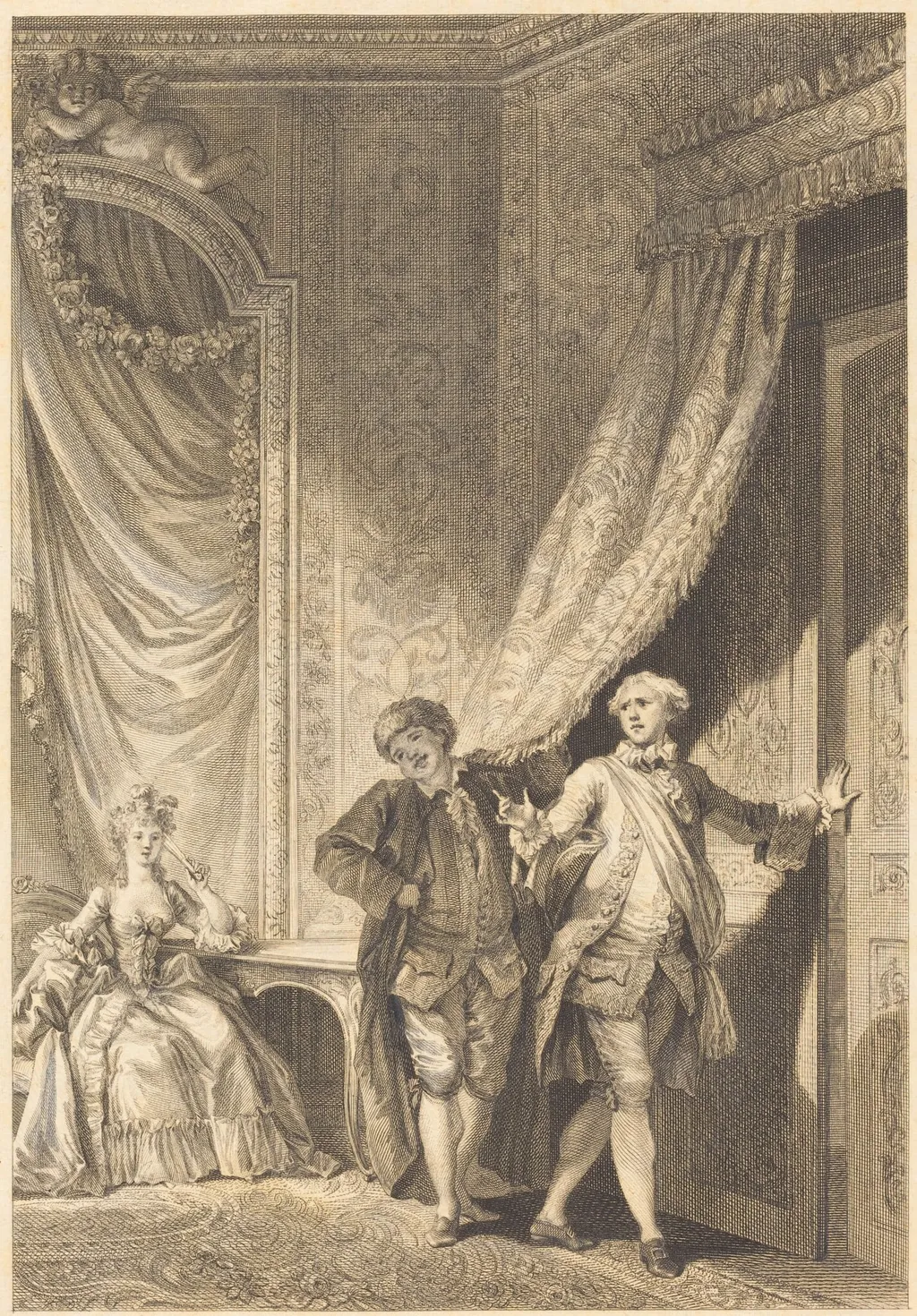
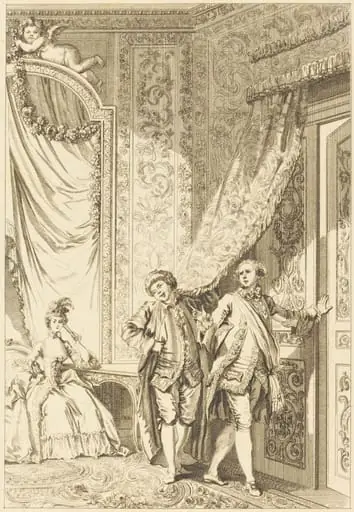
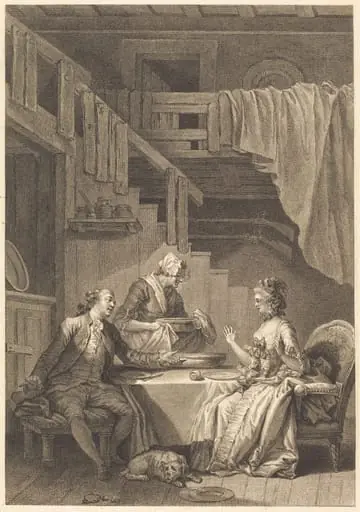
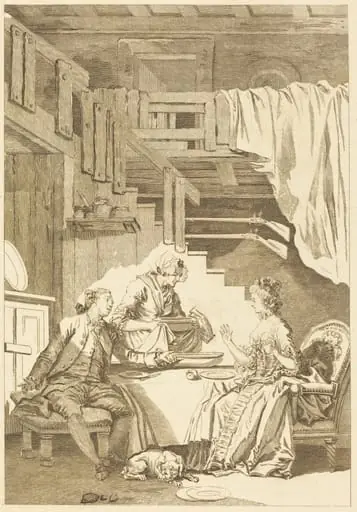
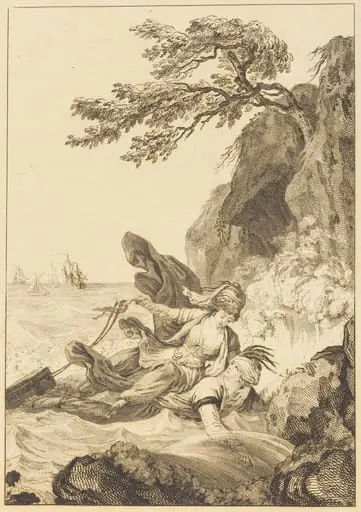
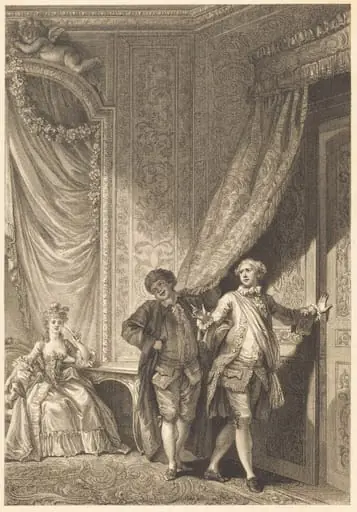
Le magnifique is a graphite print by the Baroque artist Jean-Baptiste Tilliard. It dates from 1776 and is held in the collection of the National Gallery of Art.
About this work
Overview
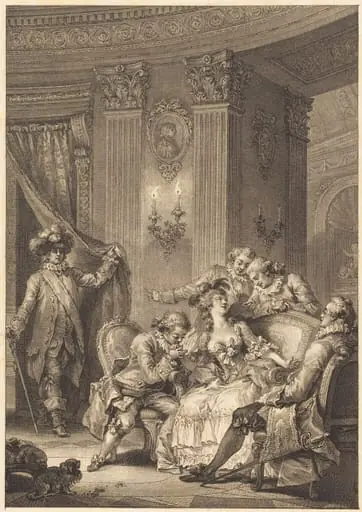
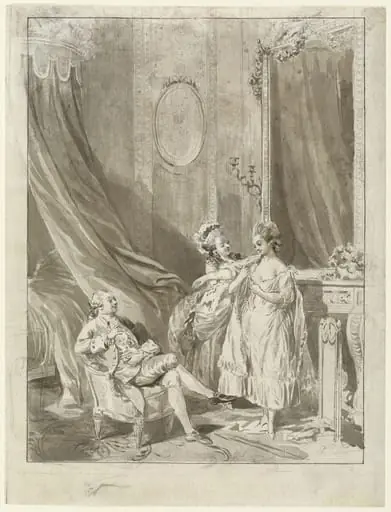
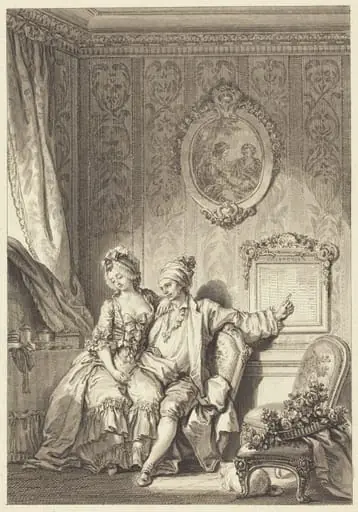
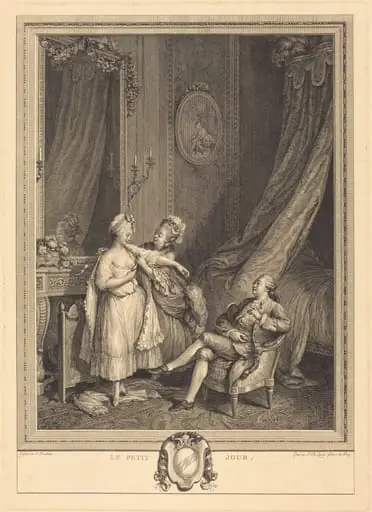
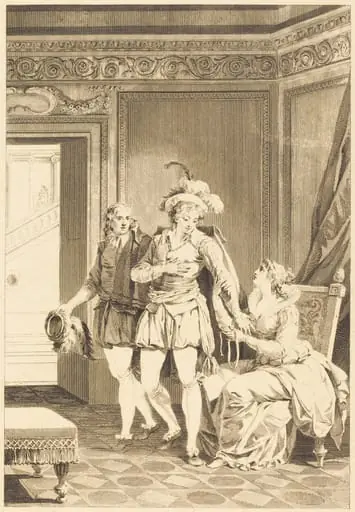
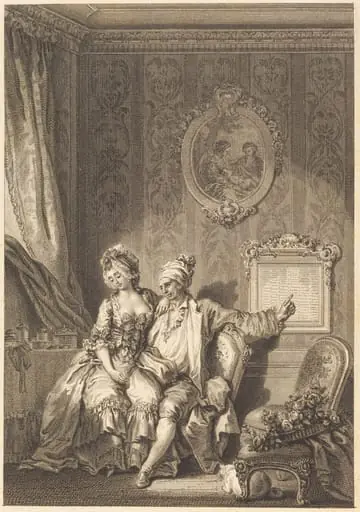
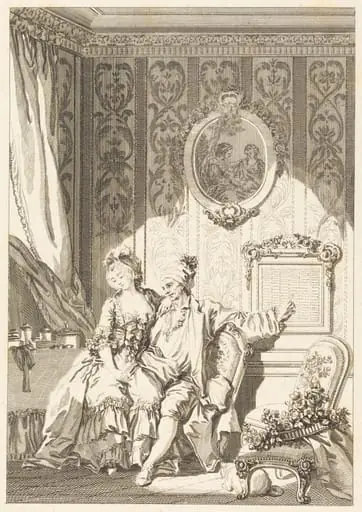
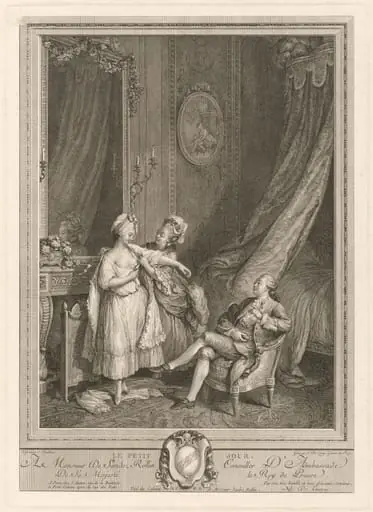
Executed as an engraving combined with etching and accented with touches of blue pencil, the work presents a domestic interior populated by three figures.
Jean‑Baptiste Tilliard’s print entitled *Le magnifique* was produced in 1776. Executed as an engraving combined with etching and accented with touches of blue pencil, the work presents a domestic interior populated by three figures. The composition balances a seated woman in a long dress on the left with two standing men on the right, all arranged within a setting that includes curtains and a table.
Subject & Meaning
The scene conveys a quiet, refined gathering, suggesting a moment of polite conversation or ceremony. The woman’s poised posture and the gentlemen’s formal attire evoke a sense of dignity, while the surrounding furnishings—curtains, table, and modest décor—reinforce an atmosphere of cultivated domesticity typical of late‑eighteenth‑century genteel life.
Technique & Style
Tilliard employed both etching and engraving to achieve fine line work and varied tonal depth, allowing the figures and interior elements to emerge with subtle gradations. A delicate application of blue pencil introduces a restrained color accent, enhancing the spatial recession and adding a hint of atmospheric coolness without overwhelming the monochrome framework.
History & Provenance
Created in the final decade of the Ancien Régime, *Le magnifique* reflects the print‑making practices prevalent in France before the Revolution. While specific ownership records are scarce, the work is catalogued among Tilliard’s prints and has been held in several European collections that specialize in eighteenth‑century graphic art.
Artist & collection