Artwork
Louis Phelypeaux, comte de Saint Florentin
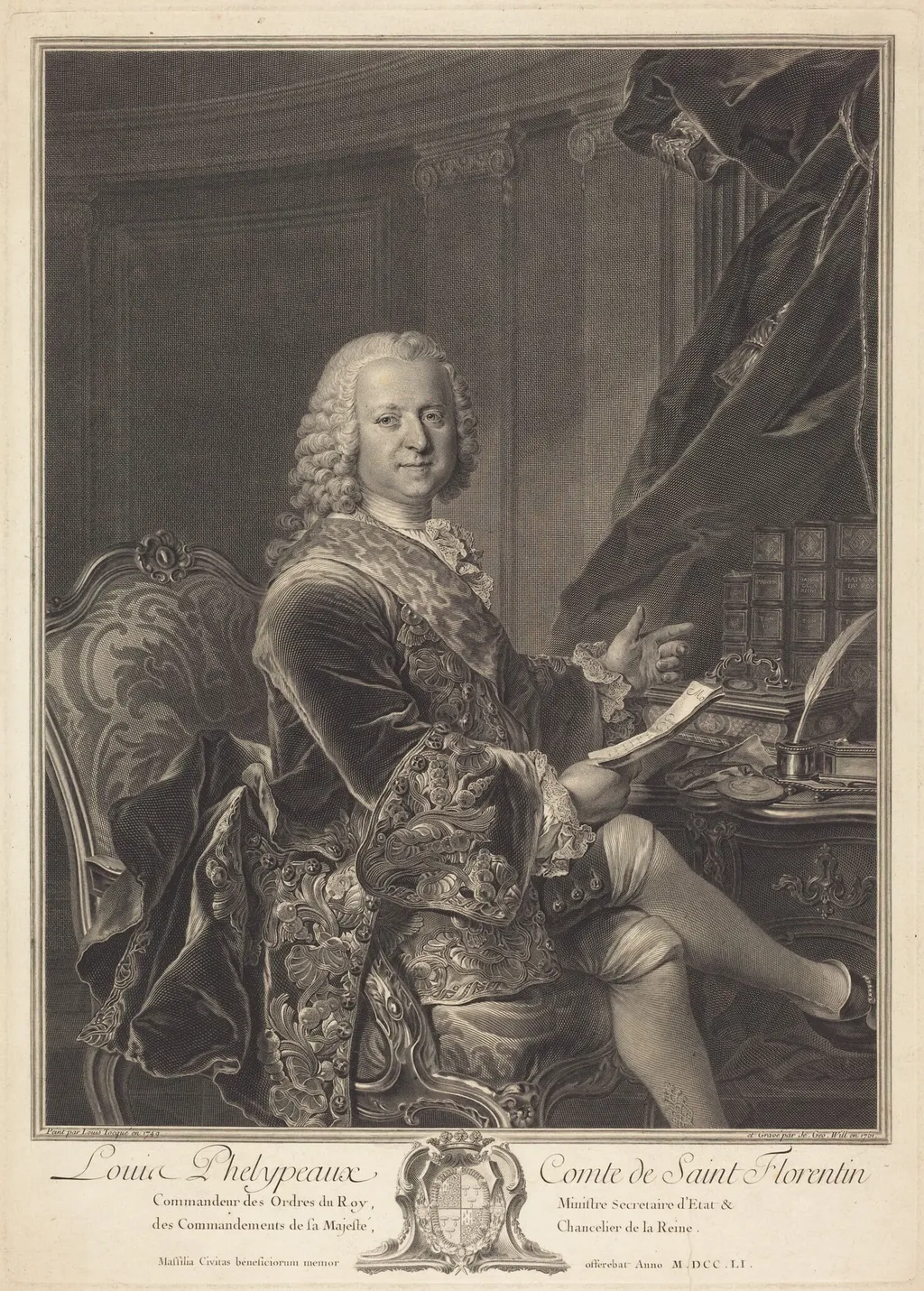
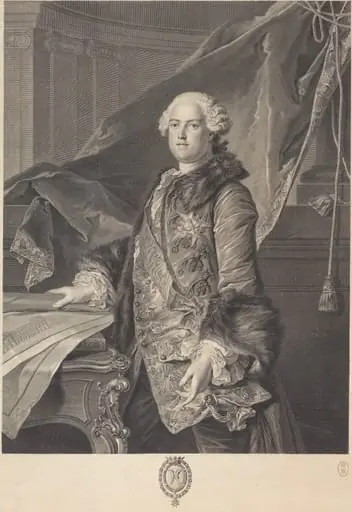
Louis Phelypeaux, comte de Saint Florentin is an ink print by the Romanticist artist Johann Georg Wille. It dates from 1761 and is held in the collection of the National Gallery of Art.
About this work
Overview
Louis Phelypeaux, comte de Saint Florentin is a print created in 1761 by Johann Georg Wille, a German-born engraver and art dealer active in 18th-century Paris.
Subject & Meaning
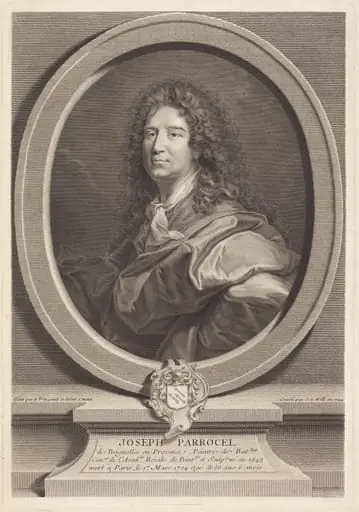
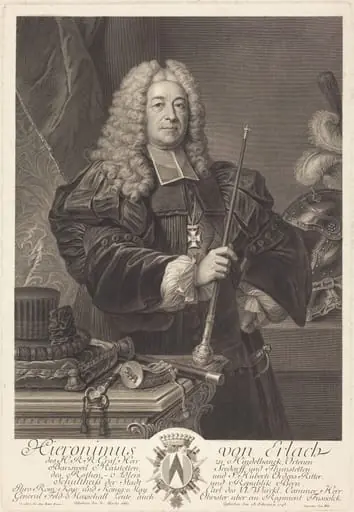
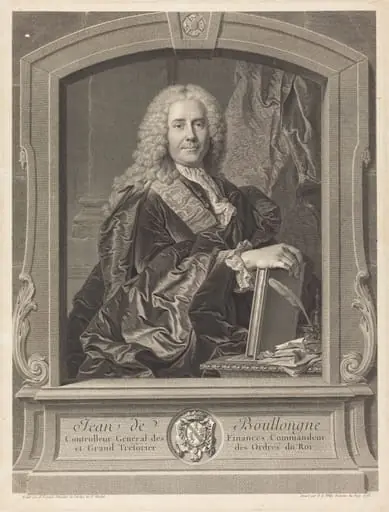
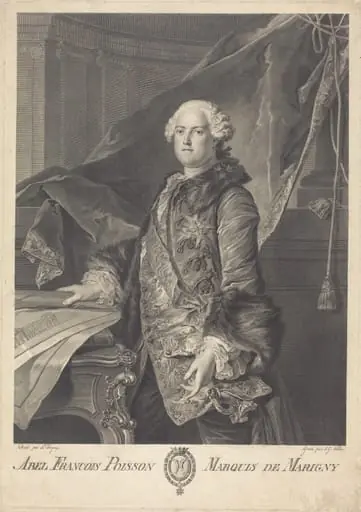
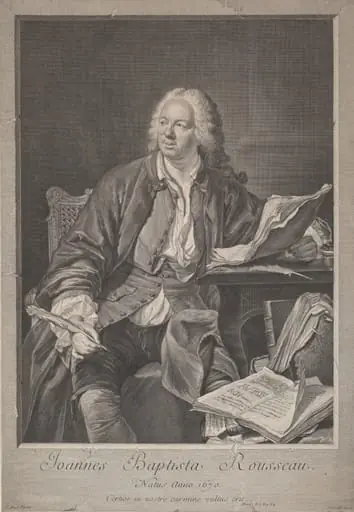
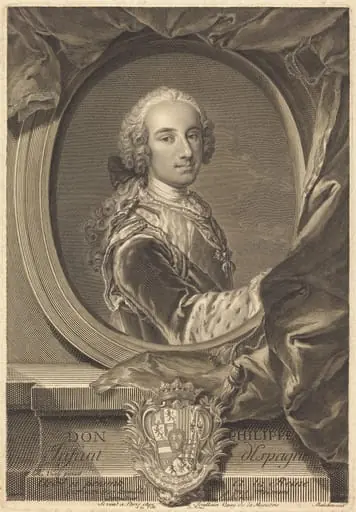
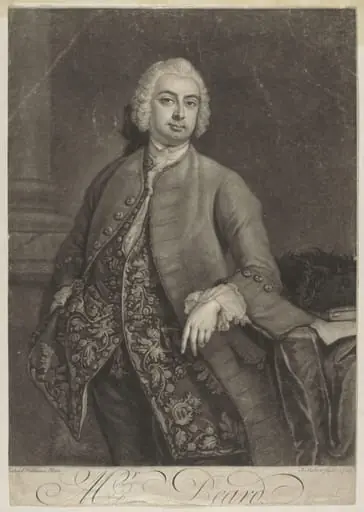
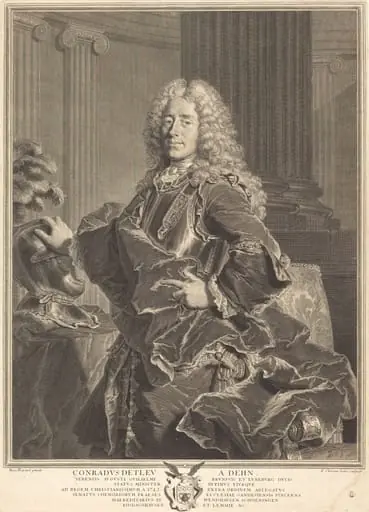
The print depicts Louis Phelypeaux in a religious context, though the subject's attire and surroundings (e.g., ornate clothing, curly hair, and adjacent table objects) also convey his high social status.
Technique & Style
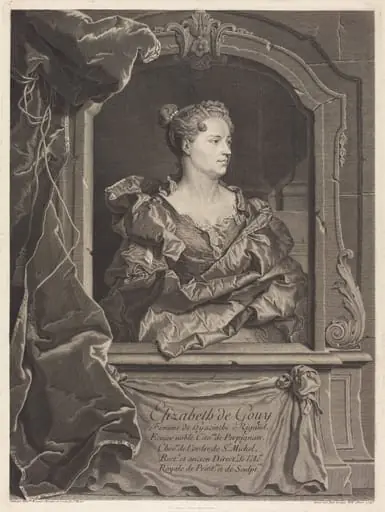
Executed in etching and engraving, the work reflects Wille's contribution to Parisian printmaking traditions of the time, characterized by detailed linework and contrast, as evidenced by the dark background and meticulously rendered details of the subject.
History & Provenance
Created in 1761, the print's provenance is not detailed here, but its creation situates it within the artistic output of Wille's Parisian period.
Context
While the work itself is rooted in 18th-century techniques, suggestions for further study oddly point towards the Romanticism movement, which emerged later; more relevant context might involve contemporary French printmaking or the social hierarchies depicted.
Legacy
The legacy of *Louis Phelypeaux, comte de Saint Florentin* is not explicitly outlined, implying its significance may lie more within Wille's broader oeuvre or the historical representation of nobility in art rather than a standalone iconic status.
Artist & collection

Artist
Johann Georg Wille, or Jean Georges Wille (5 November 1715, near Biebertal – 5 April 1808, Paris) was a German-born copper engraver, who spent most of his life in France. He also worked as an art dealer.