Artwork
A. Fréd. Pierre comte de Falloux
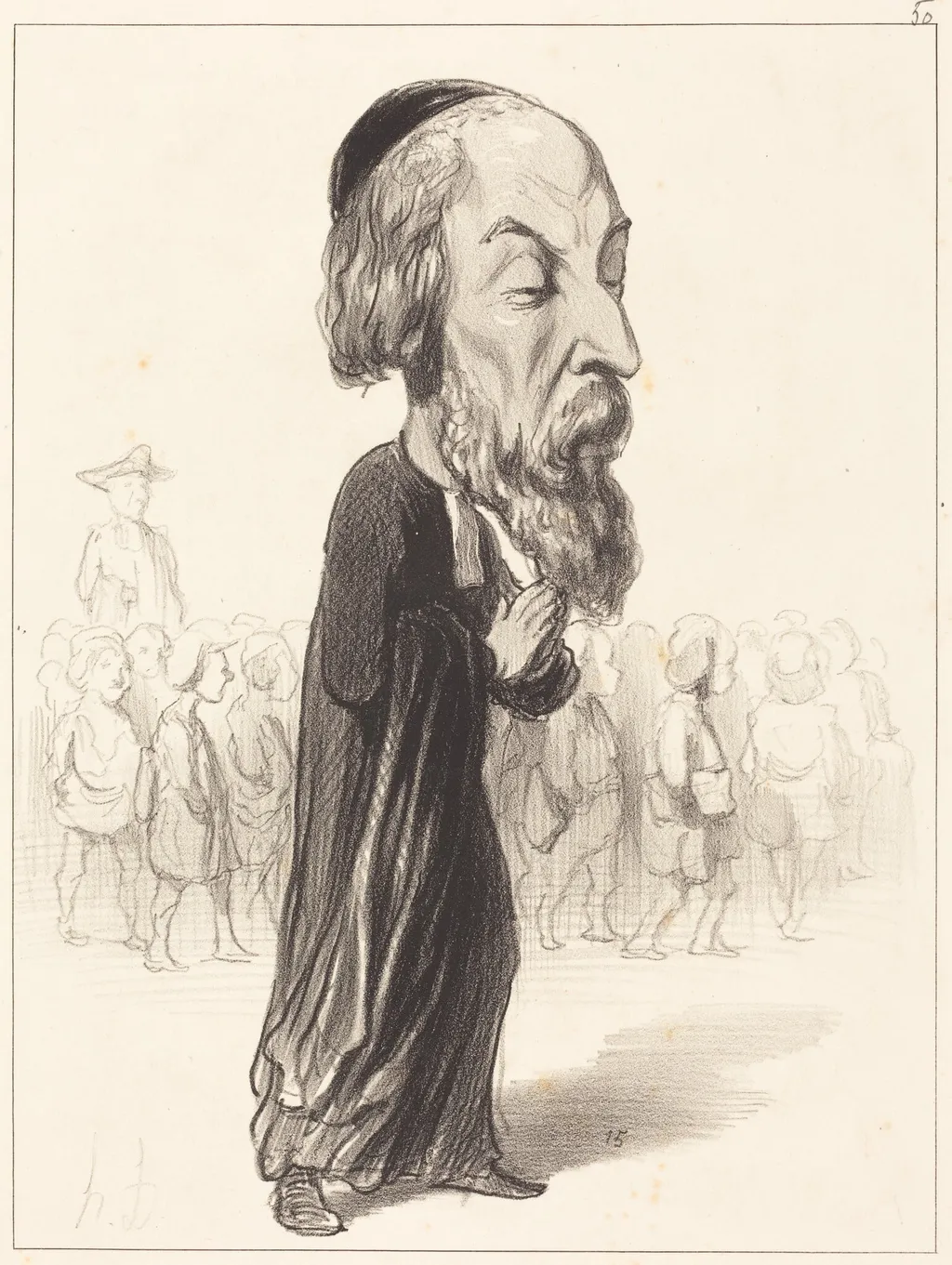
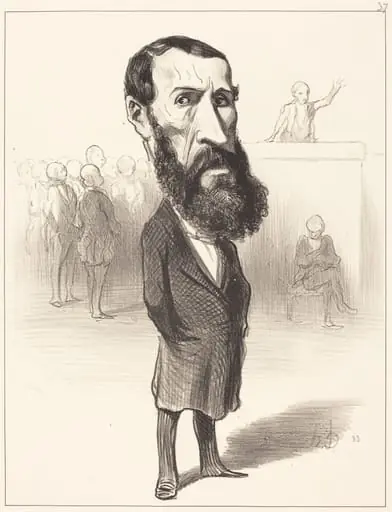
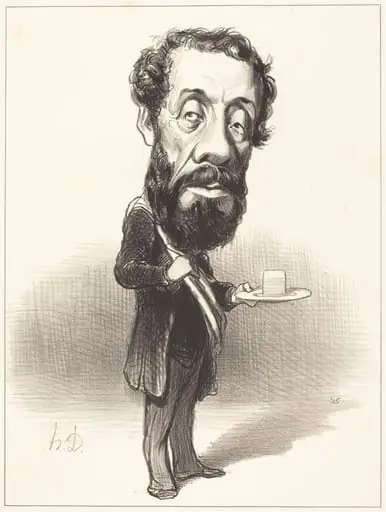
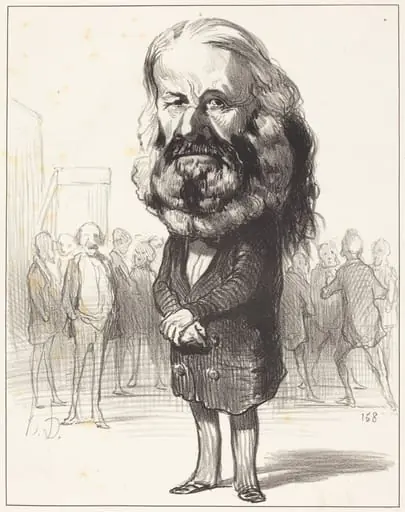
A. Fréd. Pierre comte de Falloux is an ink print by the Romanticist artist Honoré Daumier. It dates from 1849 and is held in the collection of the National Gallery of Art.
About this work
Overview
In 1849, Honoré Daumier produced a lithographic portrait of Alexandre Frédéric Pierre, comte de Falloux, a prominent French politician noted for his conservative and clerical positions. The print presents Falloux as a dominant, bearded figure addressing an assembled group, reflecting Daumier’s engagement with contemporary public figures.
Subject & Meaning
The central figure, Falloux, is rendered with an enlarged head and clasped hands, emphasizing his authority and oratory role. The surrounding, less detailed crowd—suggestive of soldiers or officials—serves to situate him within the political sphere he inhabited, underscoring his influence in mid‑century French affairs.
Technique & Style
Executed in lithography, the work showcases Daumier’s characteristic exaggeration of facial features and attire to convey status. The foreground is sharply defined, while the background figures are sketched loosely, a compositional choice that directs focus to the subject and mirrors the artist’s satirical yet observational approach.
Context
Created during a period when Daumier regularly contributed to satirical journals such as La Caricature and Le Charivari, the lithograph aligns with his broader practice of critiquing the monarchy, aristocracy, and clergy. It reflects the turbulent political climate of France between the 1830 Revolution and the later decline of the Second Empire.
Artist & collection
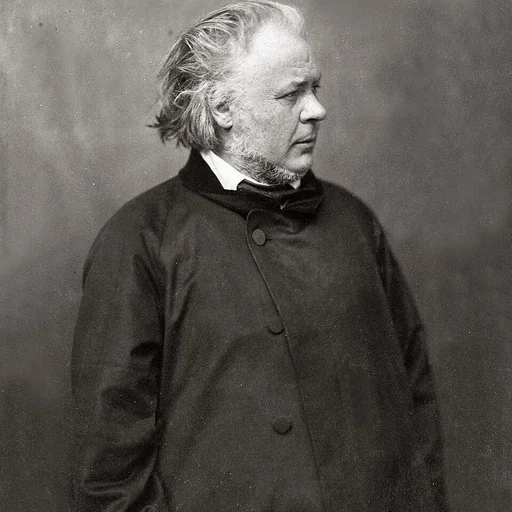
Artist
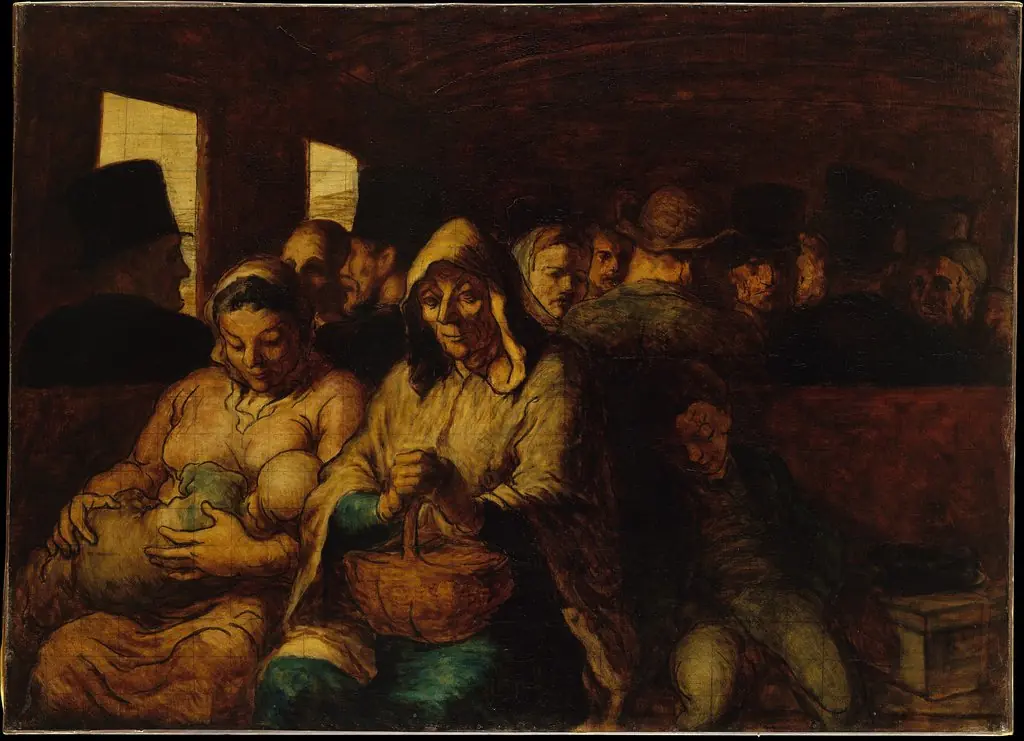
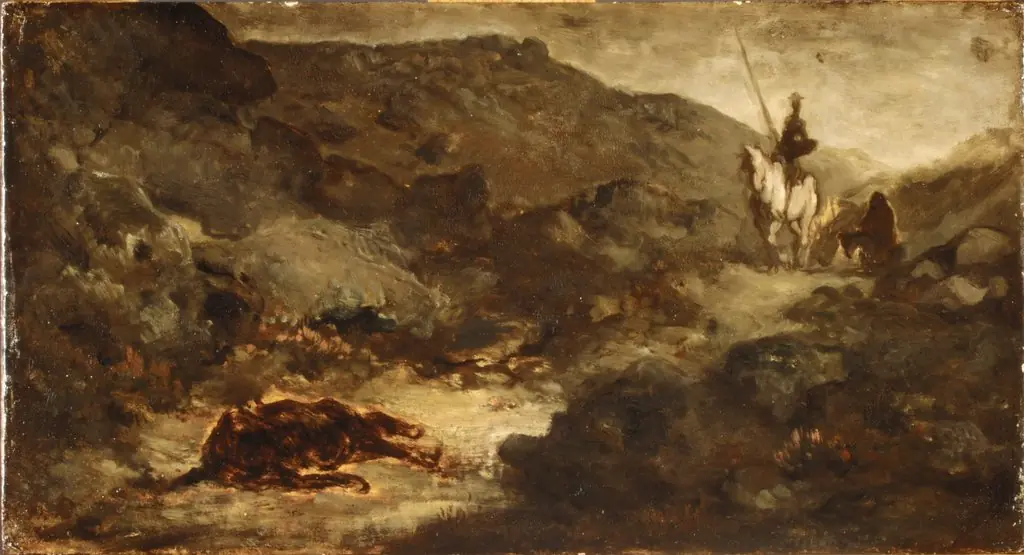
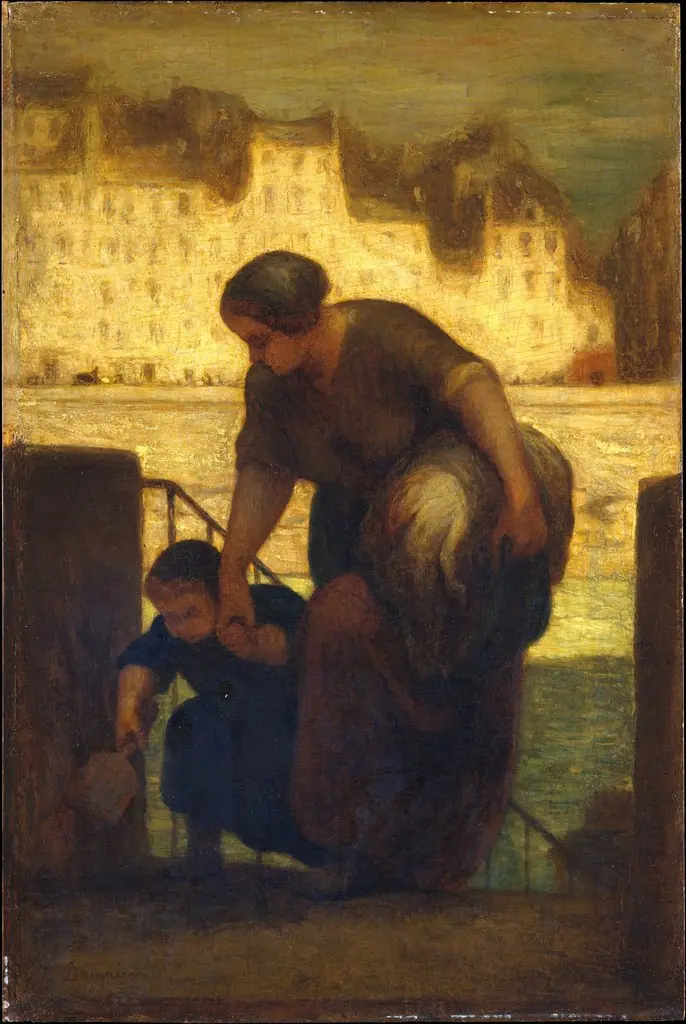
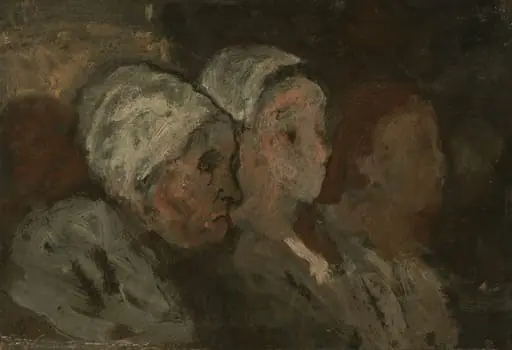
Honoré-Victorin Daumier was a French painter, sculptor, and printmaker, whose many works offer commentary on the social and political life in France, from the Revolution of 1830 to the fall of the Second French Empire in 1870.