Artwork
Charles Dupin
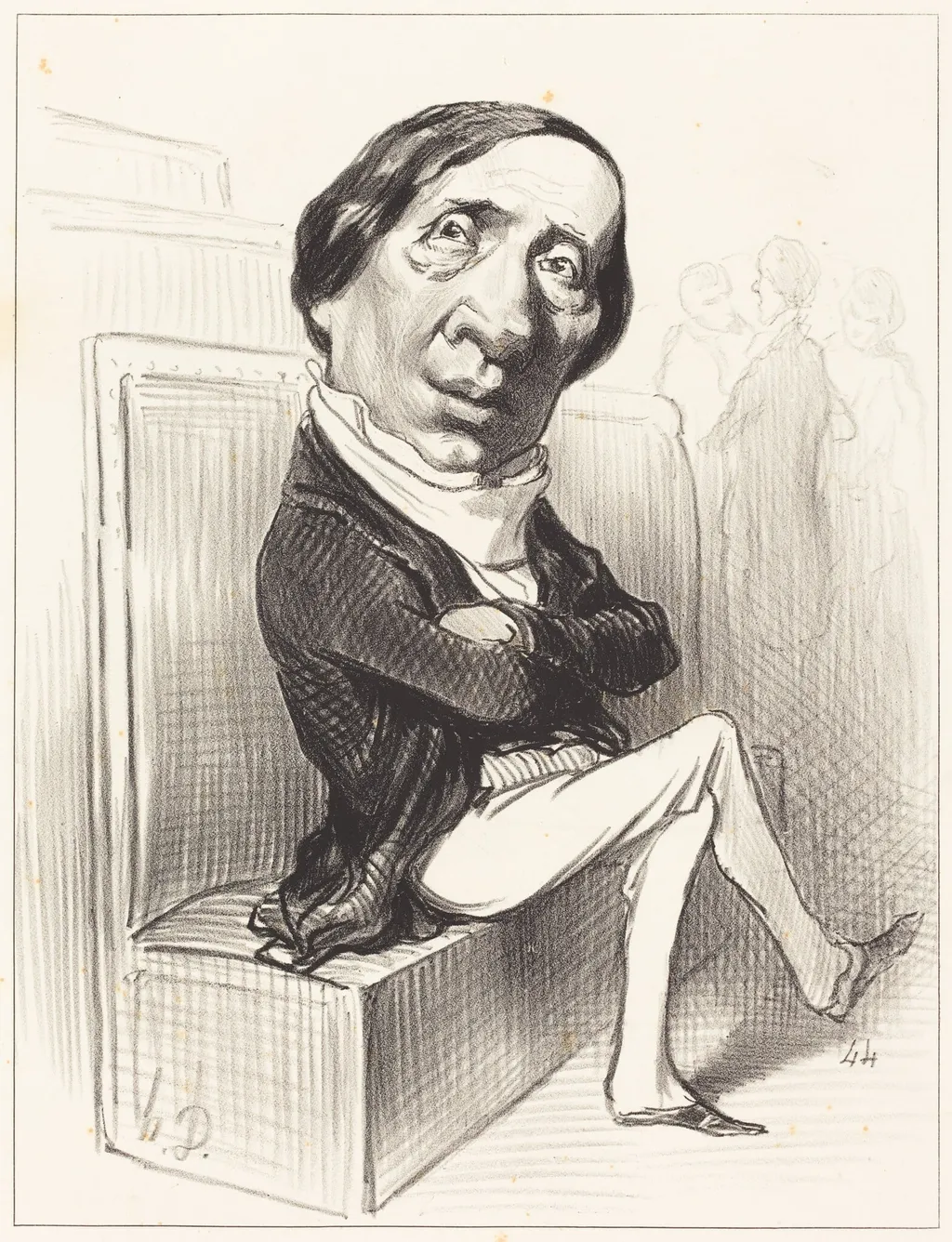
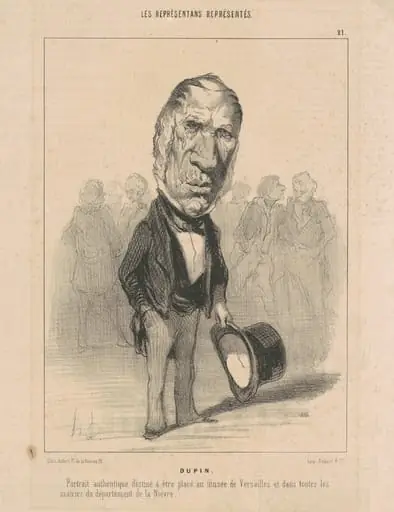
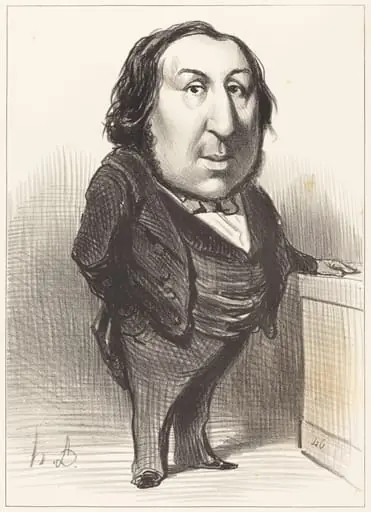
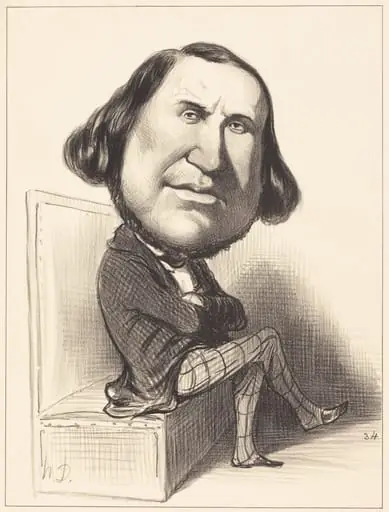
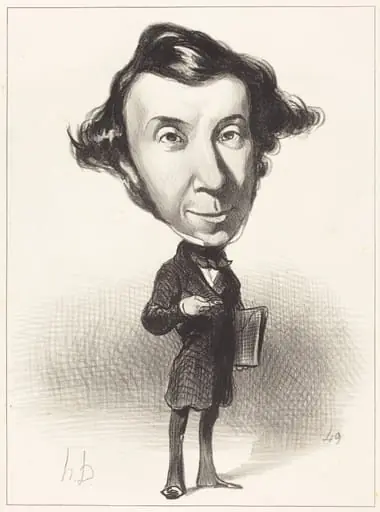
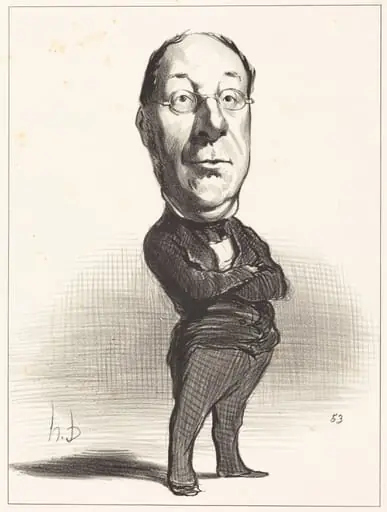
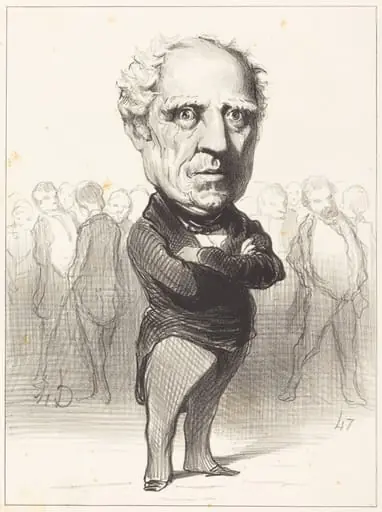
Charles Dupin is an ink print by the Romanticist artist Honoré Daumier. It dates from 1849 and is held in the collection of the National Gallery of Art.
About this work
Overview
Daumier’s work functions as a satirical portrait, typical of his prolific output for the caricature journals of the period.
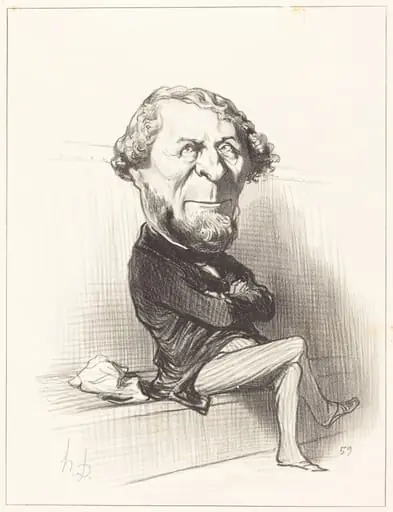
Created in 1849, this lithograph by Honoré Daumier depicts the French mathematician and public official Charles Dupuy (often rendered as Dupin) in a relaxed pose. The figure sits with crossed arms, one leg over the other, dressed in a dark coat and light shirt, while a faint outline of a second person and a chair appear behind him. Daumier’s work functions as a satirical portrait, typical of his prolific output for the caricature journals of the period.
Subject & Meaning
Daumier, a staunch republican, used the image to lampoon Dupin, a prominent academic and government figure, by exaggerating his posture and expression. The casual, almost indifferent stance suggests a critique of Dupin’s perceived aloofness or authority within the political establishment, aligning with Daumier’s broader agenda of questioning the elite classes of mid‑19th‑century France.
Technique & Style
Executed in lithography, the print relies on swift, loose line work that captures the subject’s facial features and body language with immediacy. This rapid drawing method, common among French caricaturists, creates a sense of a candid snapshot, emphasizing the caricature’s spontaneity while retaining enough detail for the sitter to remain recognizable.
History & Provenance
The lithograph emerged during Daumier’s tenure as a regular contributor to satirical newspapers such as *La Caricature* and *Le Charivari*. Produced in the revolutionary climate of the 1840s, the print circulated among the readership of these periodicals, serving both as political commentary and popular entertainment. Its survival in museum collections reflects the lasting interest in Daumier’s socially engaged printmaking.
Context
Mid‑19th‑century France was marked by intense political upheaval, with republican sentiment challenging monarchical and clerical authority. Daumier’s caricatures, including this portrait of Dupin, functioned as visual journalism, offering critique and humor that resonated with a public eager for commentary on the nation’s shifting power structures.
Artist & collection

Artist
Honoré-Victorin Daumier was a French painter, sculptor, and printmaker, whose many works offer commentary on the social and political life in France, from the Revolution of 1830 to the fall of the Second French Empire in 1870.