Artwork
Emmanuel Arago
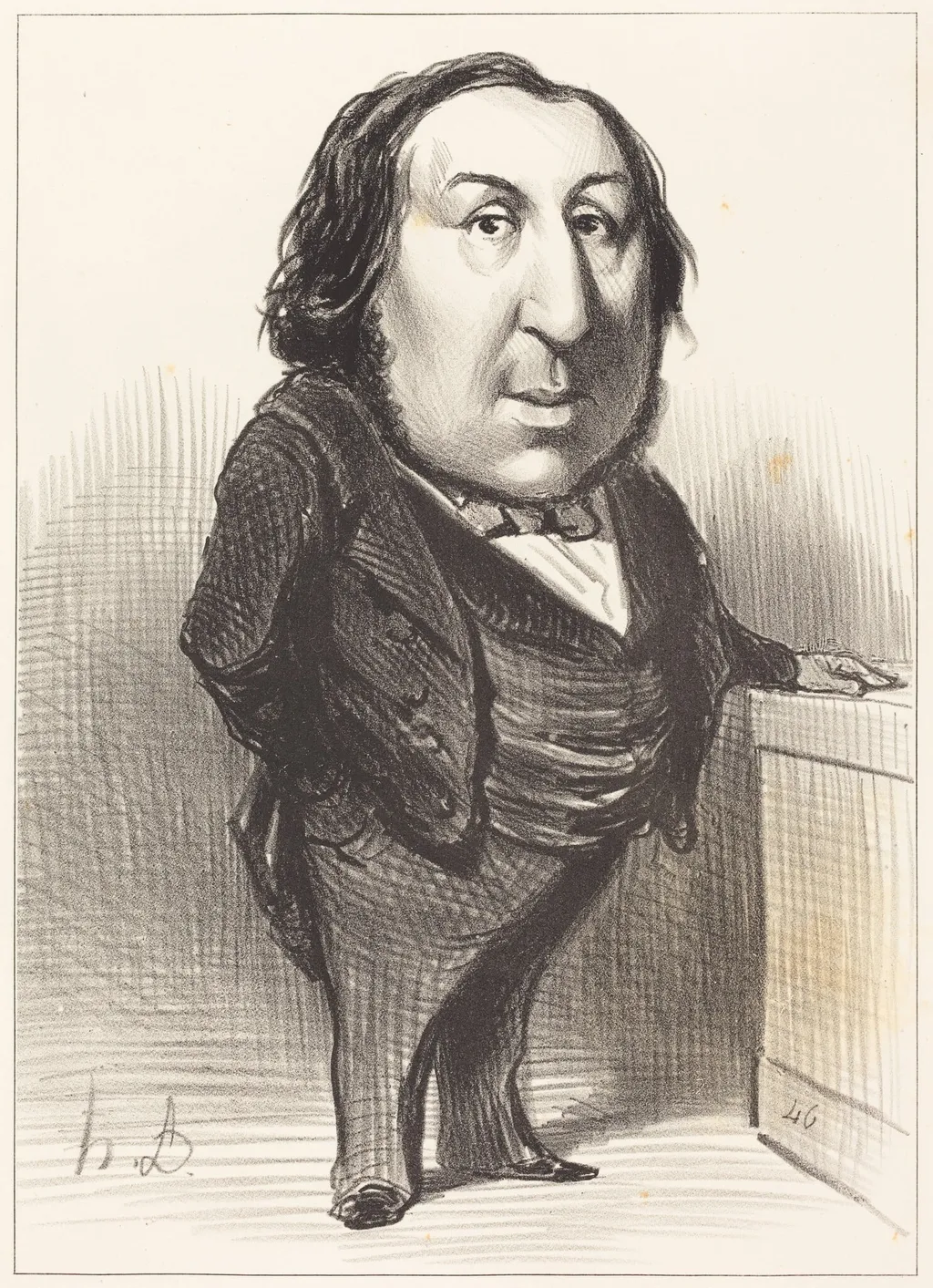
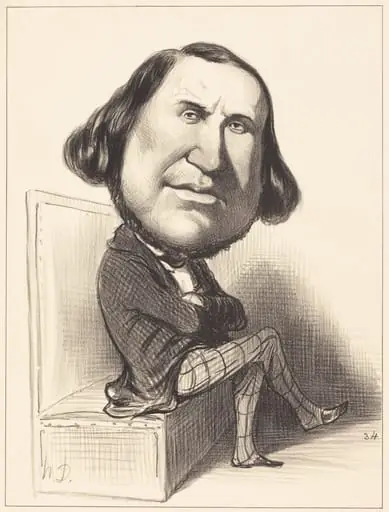
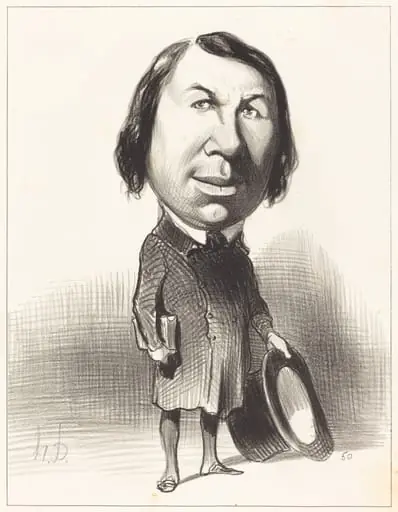
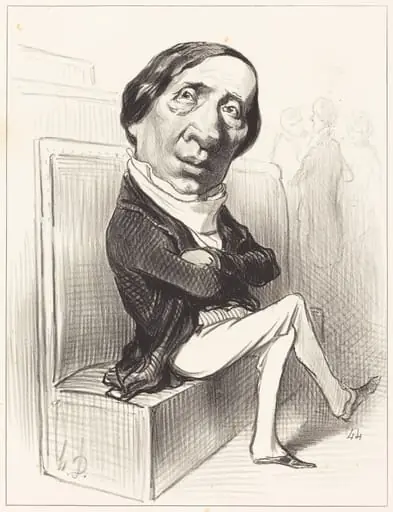
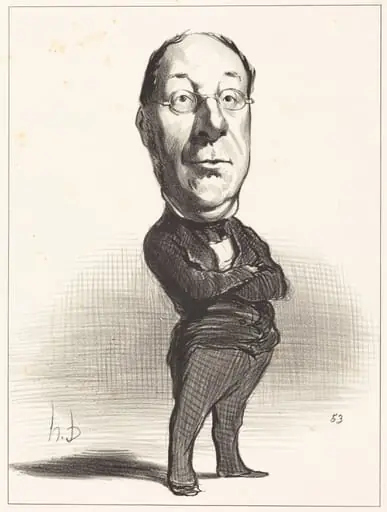
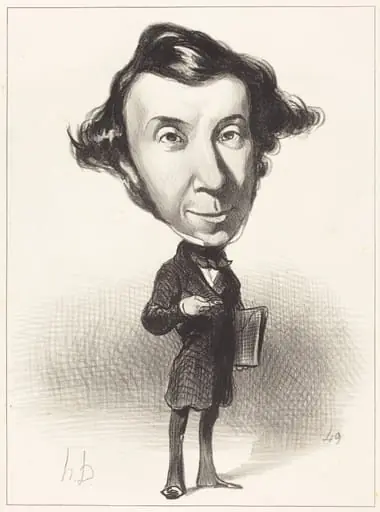
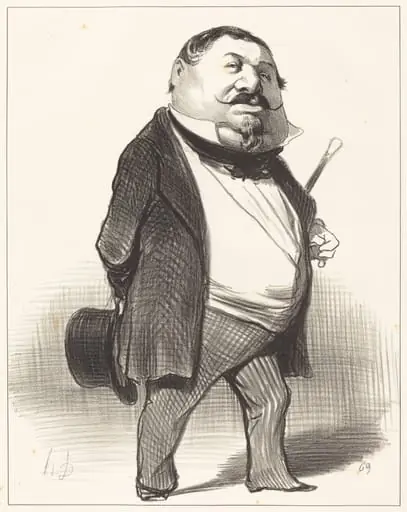
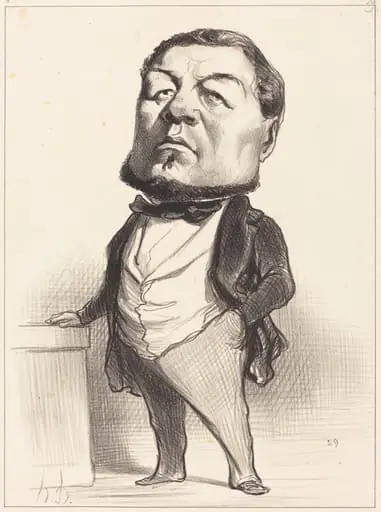
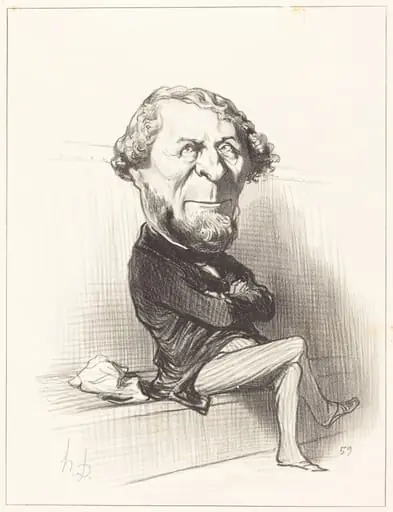
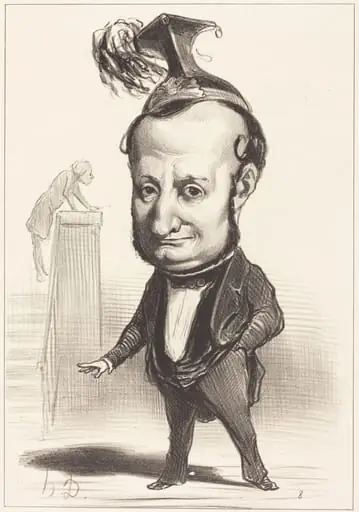
Emmanuel Arago is an ink print by the Romanticist artist Honoré Daumier. It dates from 1848 and is held in the collection of the National Gallery of Art.
About this work
Overview
Emmanuel Arago is a lithograph created by Honoré Daumier in 1848, capturing a French political figure during a period of intense social upheaval.
Emmanuel Arago is a lithograph created by Honoré Daumier in 1848, capturing a French political figure during a period of intense social upheaval. As a print, it belongs to Daumier’s broader body of work produced for periodicals like *Le Charivari*, where he translated contemporary events into visual commentary. The medium allowed for rapid production and wide distribution, making it ideal for political satire in an era of rising public engagement with news and ideology.
Subject & Meaning
The portrait depicts Emmanuel Arago, a lawyer and republican politician involved in the 1848 Revolution. Daumier renders him with a composed, serious demeanor, emphasizing his role as a public intellectual rather than a flamboyant leader. The lack of overt caricature suggests a more restrained critique—perhaps an acknowledgment of Arago’s reformist credibility. The image functions as both a likeness and a quiet statement on the new political class emerging after the fall of the July Monarchy.
Technique & Style
Daumier employed lithography, drawing directly onto a limestone surface with greasy crayon before transferring the image to paper. The lines are loose and urgent, with minimal shading and no refinement of detail, conveying immediacy. The rough texture and unfinished quality reflect the speed required for periodical publication and align with Daumier’s preference for expressive gesture over polished finish. This technique enabled mass reproduction while preserving the spontaneity of the original sketch.
History & Provenance
Created during the turbulent months following the February Revolution of 1848, the print was likely published in *Le Charivari*, where Daumier regularly contributed. It was one of many portraits of political figures produced during this time, serving as visual journalism for a literate public. The work’s survival reflects its role in documenting the era’s shifting power structures, though its original publication context remains largely unrecorded beyond its association with Daumier’s known output.
Context
In 1848, France transitioned from monarchy to republic, and the press became a vital arena for political expression. Daumier’s prints responded to this climate, portraying not only corrupt elites but also emerging democratic figures like Arago. Lithography’s affordability and speed made it the preferred medium for political commentary, allowing artists to reach a broad audience. This work sits within a larger visual discourse that redefined public identity during the early years of the Second Republic.
Legacy
Daumier’s portraits of 1848 figures, including Arago, helped establish lithographic caricature as a serious form of social documentation. Though not widely exhibited in his lifetime, these works later influenced modern graphic journalism and the tradition of political portraiture. Their rawness and psychological insight continue to be studied as examples of how art can capture the texture of democratic transition without overt sensationalism.
Artist & collection
Artist
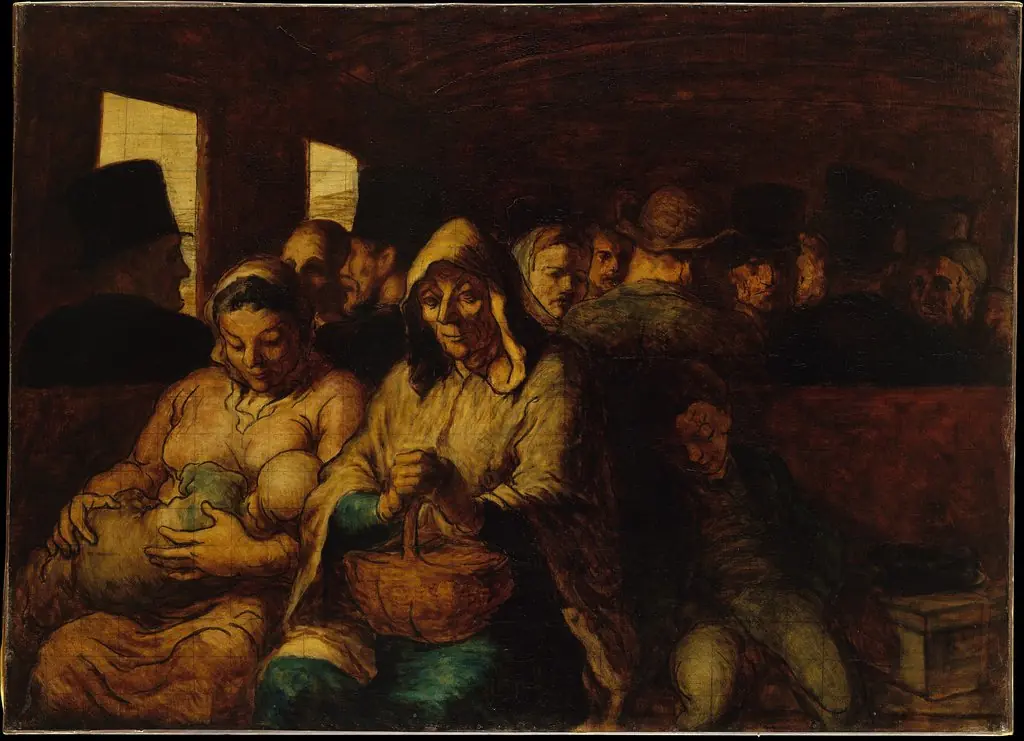
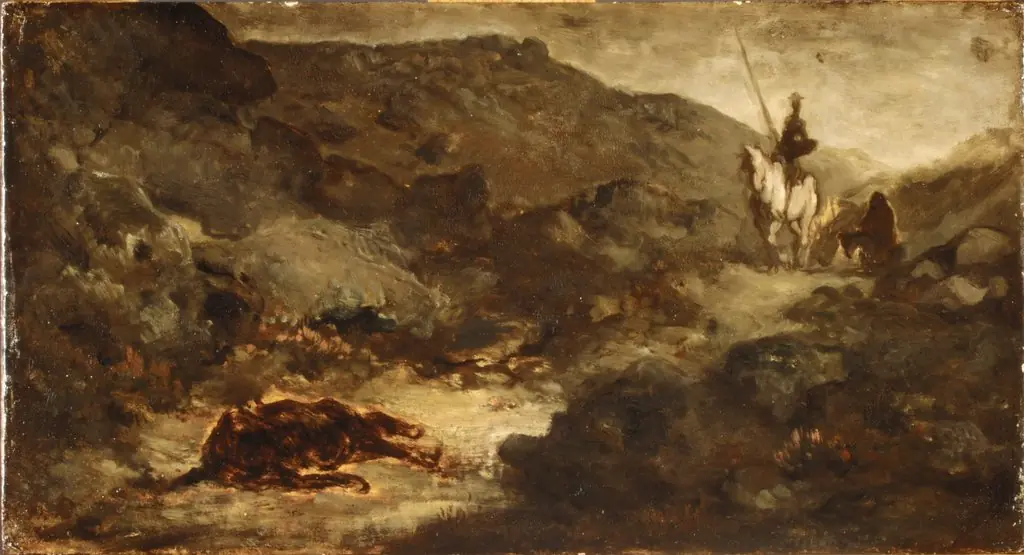
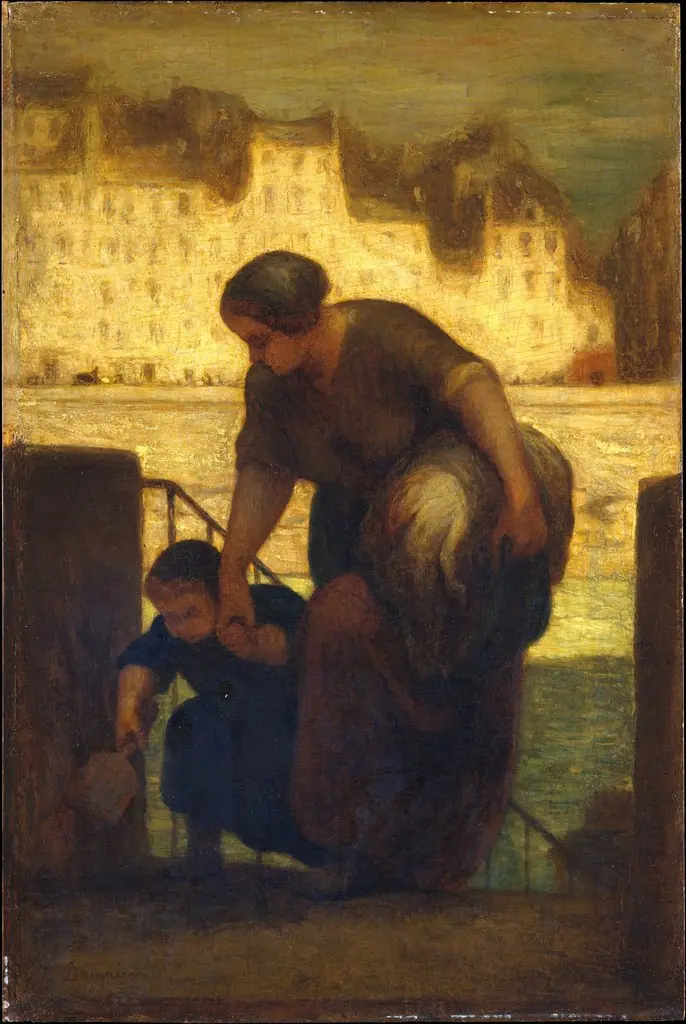
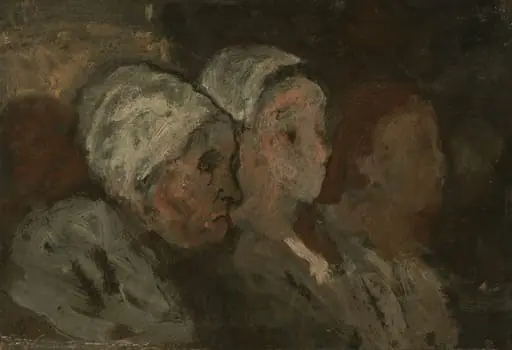
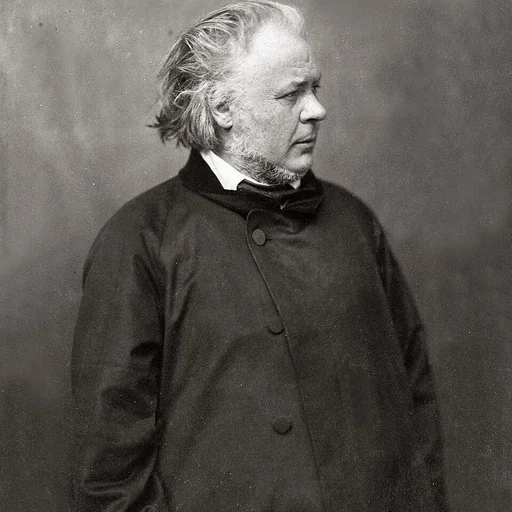
Honoré-Victorin Daumier was a French painter, sculptor, and printmaker, whose many works offer commentary on the social and political life in France, from the Revolution of 1830 to the fall of the Second French Empire in 1870.