Artwork
Ce que le bourgeois est convenu de nommer une... distraction
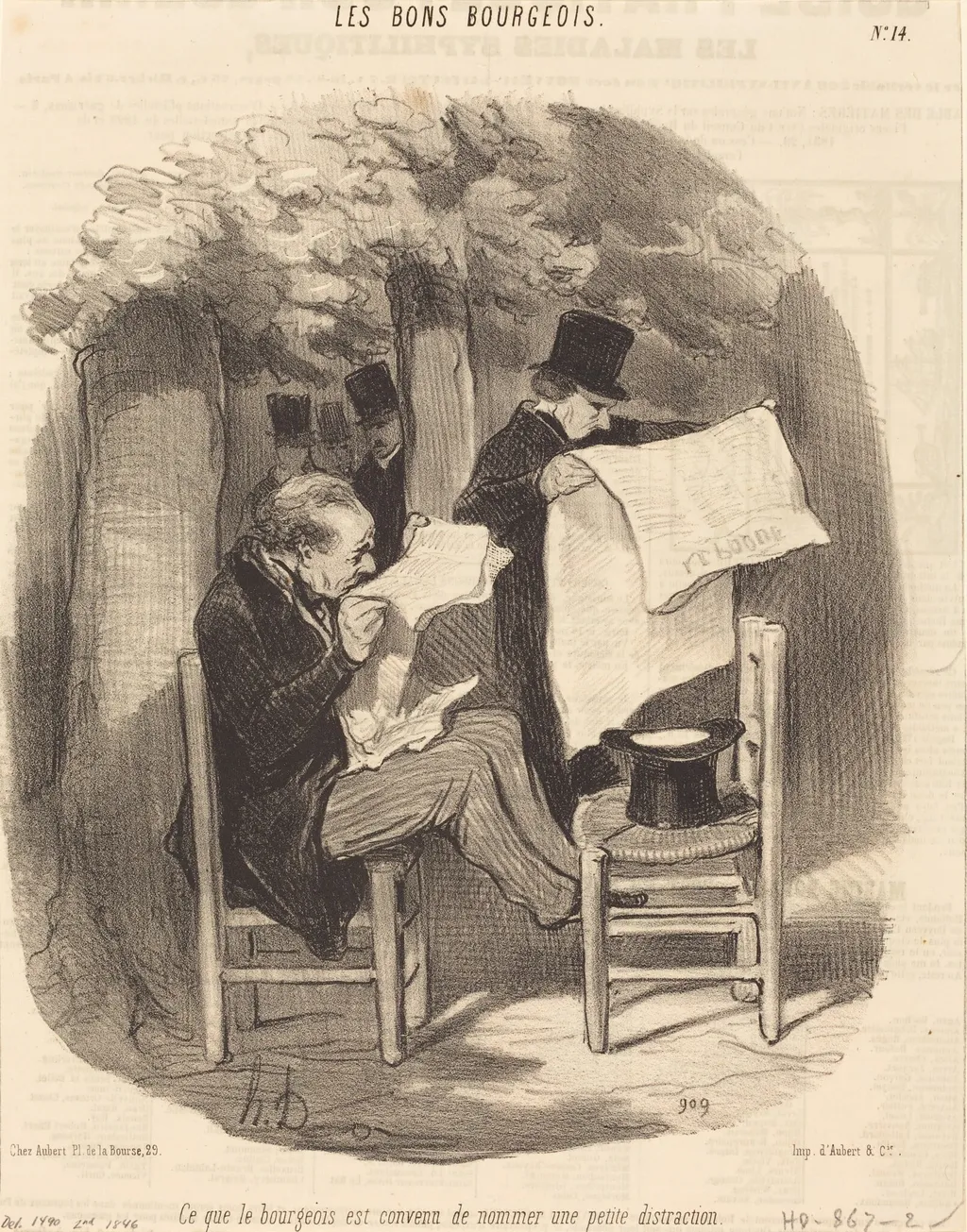
Ce que le bourgeois est convenu de nommer une... distraction is an ink print by the Romanticist artist Honoré Daumier. It dates from 1846 and is held in the collection of the National Gallery of Art.
About this work
Overview
Created in 1846, this lithograph on newsprint by Honoré Daumier captures a brief, intimate scene of two men absorbed in printed material within a modest interior. The composition is rendered in swift, sketch‑like lines that convey immediacy, while the title, suggesting a bourgeois definition of a "distraction," signals the work’s satirical intent.
Subject & Meaning
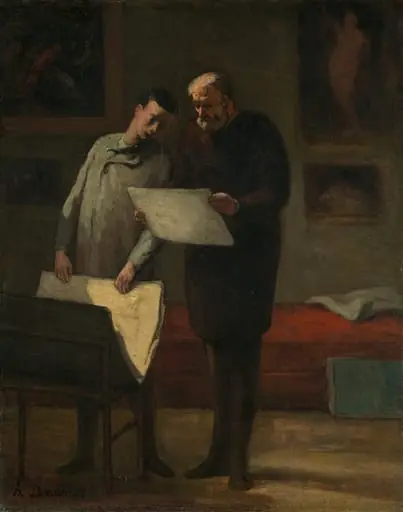
The image presents a seated figure squinting at a newspaper and a standing companion holding a rolled sheet, both dressed in unadorned, everyday attire. By depicting ordinary leisure as a "distraction" for the middle class, Daumier critiques the self‑satisfied attitudes of the bourgeoisie, implying that their pastime is both trivial and self‑congratulatory.
Technique & Style
Executed as a lithograph, the print employs the medium’s capacity for rapid, gestural marks. Daumier’s use of loose, energetic strokes and minimal shading creates a sense of cramped space and dim lighting, emphasizing the immediacy of the scene and reinforcing the satirical tone through visual economy.
History & Provenance
Daumier produced this work during his prolific period as a caricaturist for satirical journals such as *La Caricature* and *Le Charivari*. While the print was not tied to a specific publication, it reflects the artist’s ongoing engagement with political and social commentary in mid‑nineteenth‑century France.
Context
The lithograph emerges from a time of heightened republican sentiment and criticism of the French monarchy, aristocracy, and clergy. Daumier’s republican leanings informed his visual satire, positioning the bourgeois class as a target of his broader social critique.
Artist & collection
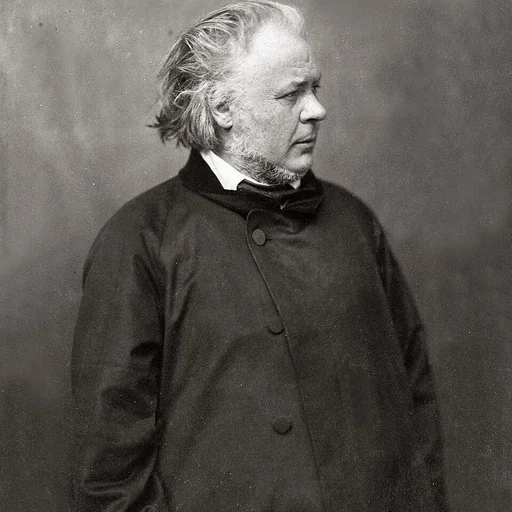
Artist
Honoré-Victorin Daumier was a French painter, sculptor, and printmaker, whose many works offer commentary on the social and political life in France, from the Revolution of 1830 to the fall of the Second French Empire in 1870.

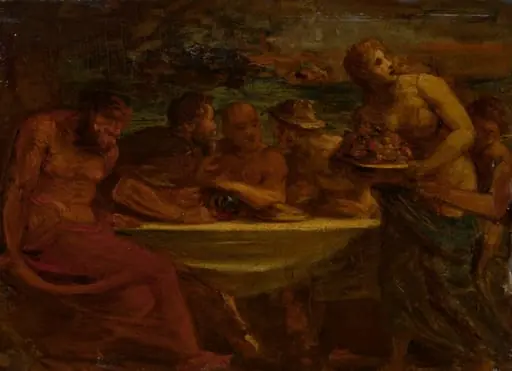
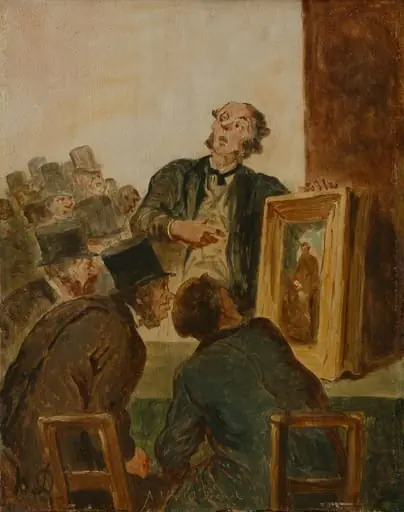
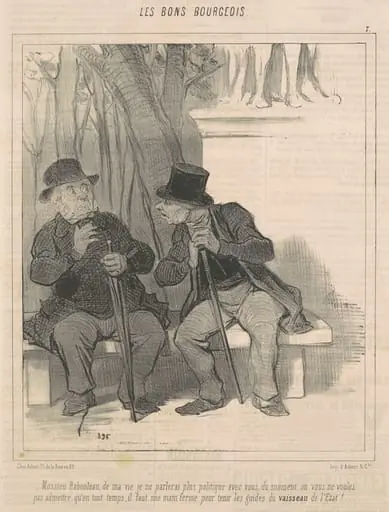 Mossieu Rabourdeau ... je ne parlerai plus politique avec vous ..
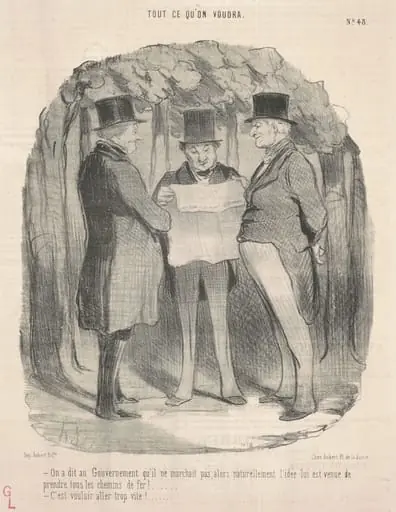 On a dit au gouvernement qu'il ne marchait pas ...
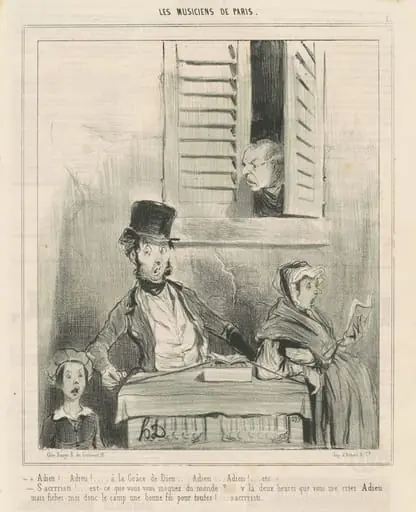 Adieu! ... A la grâce de dieu ...
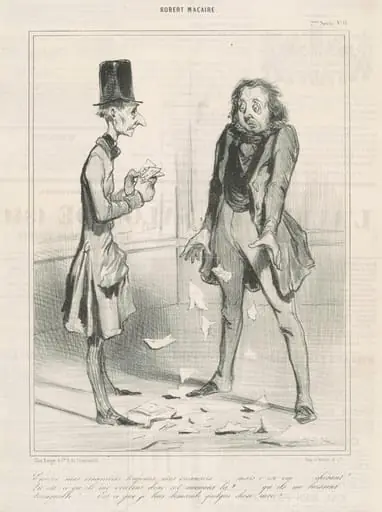 Encore mes créanciers, toujours ...
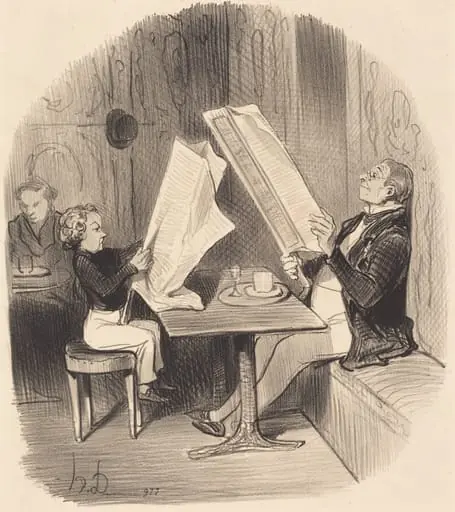 Un Enfant qui s'amuse de peu...
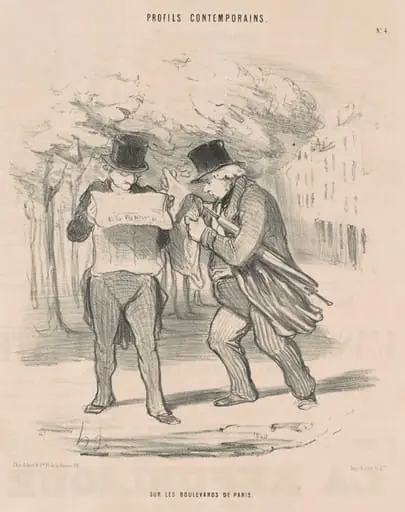 Sur les boulevards de Paris
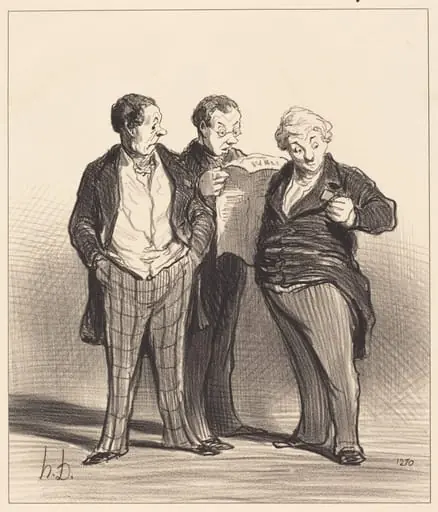 L'Interdiction du port des décorations
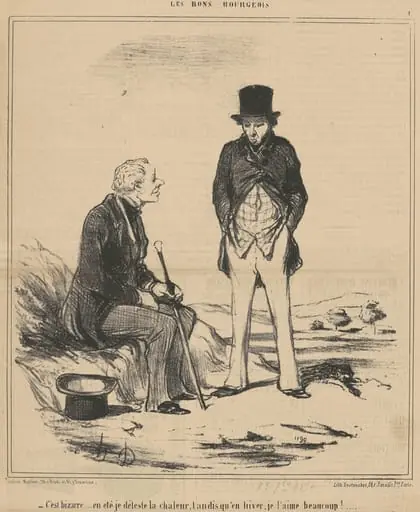 C'est bizarre ... été
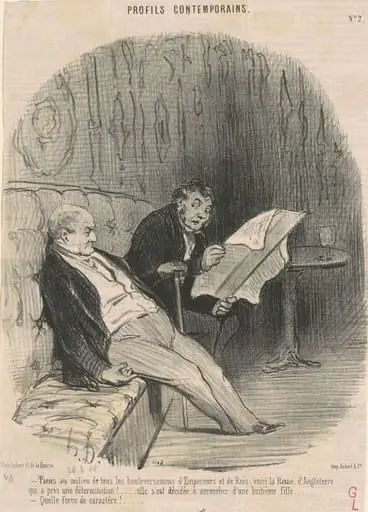 Tiens au milieu de ...bouleversemens ...
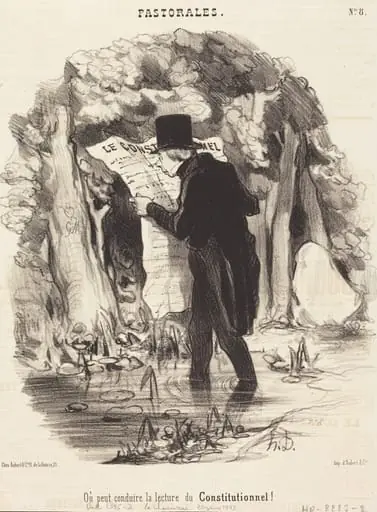 Ou peut conduire la lecture du Constitutionnel!