Artwork
Auguste Avond
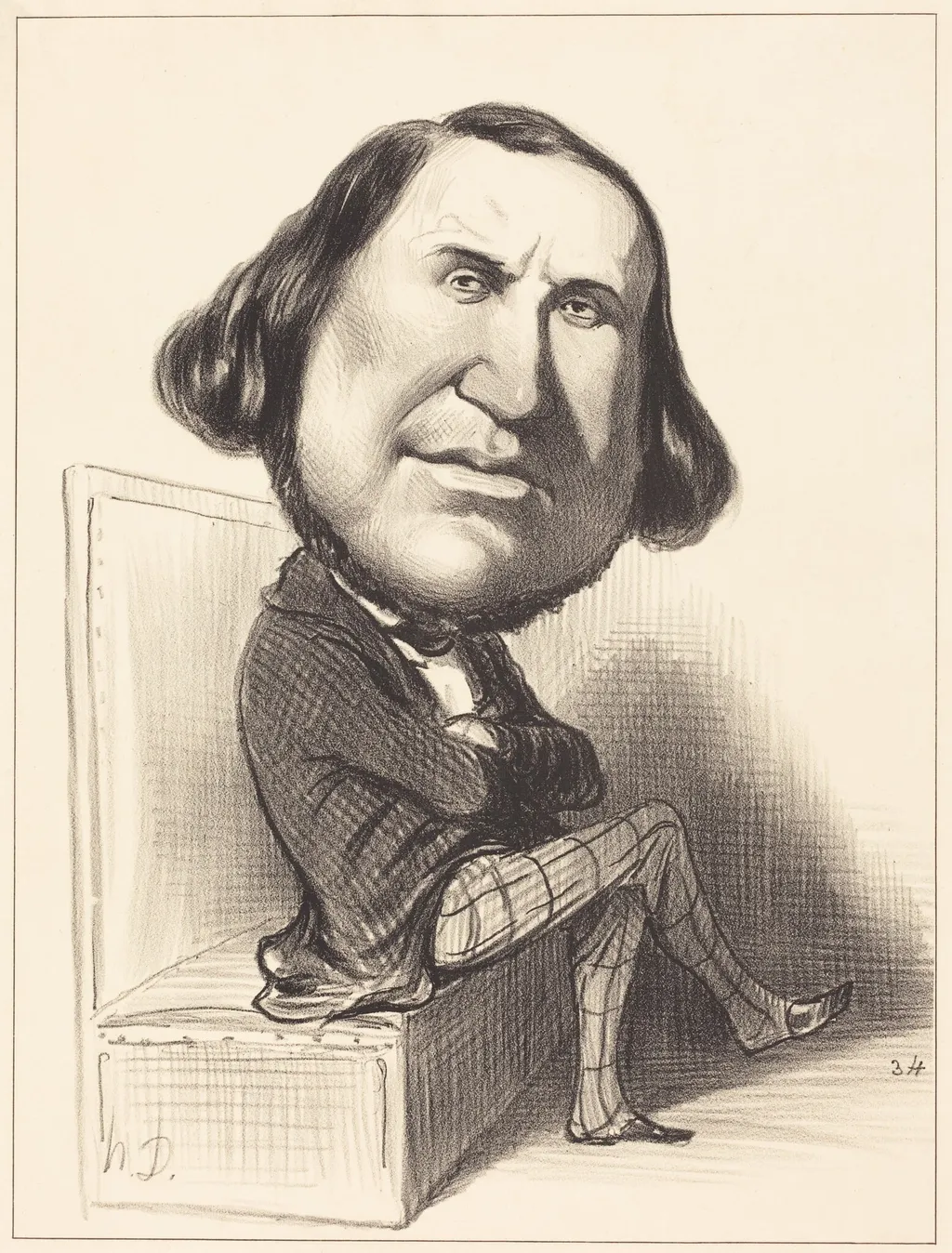
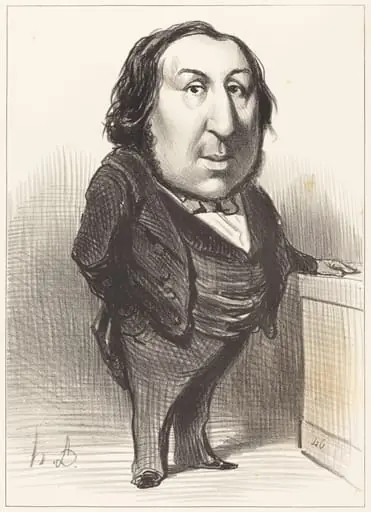
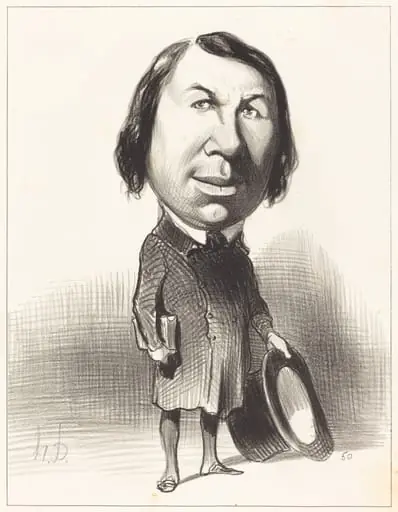
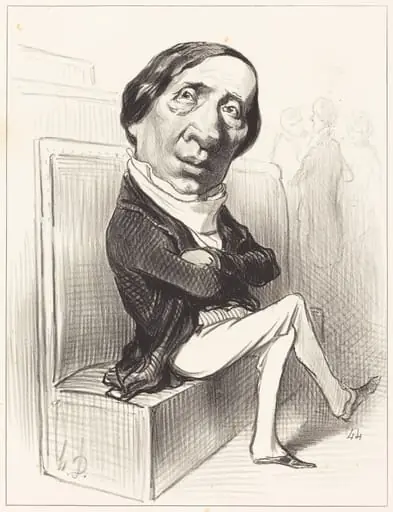
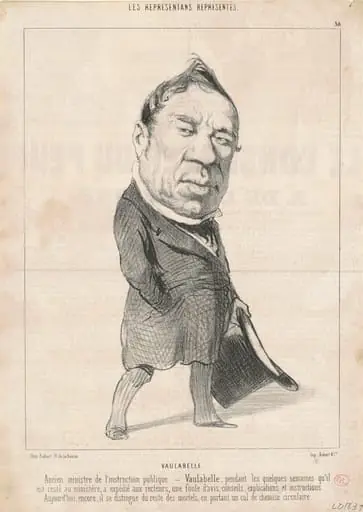
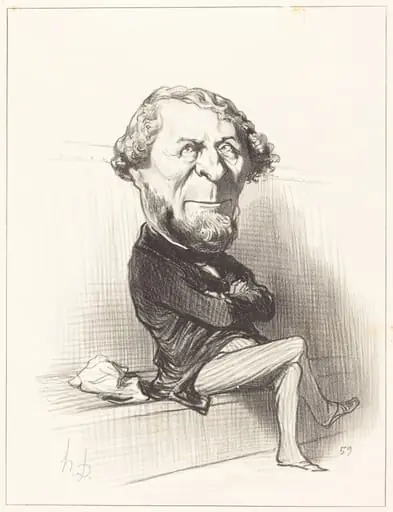
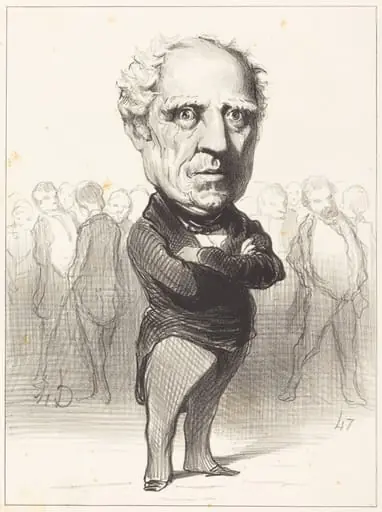
Auguste Avond is an ink print by the Romanticist artist Honoré Daumier. It dates from 1849 and is held in the collection of the National Gallery of Art.
About this work
Overview
Auguste Avond is a 1849 lithograph by Honoré Daumier, a French artist known for his satirical prints. The work depicts Antoine Avond, a relatively unknown individual, in a straightforward portrait.
Subject & Meaning
The lithograph shows Auguste Avond seated in a simple setting, gazing directly at the viewer with a serious expression. As a portrait of an uncelebrated figure, it diverges from Daumier's typical satirical subjects, such as politicians and clergy.
Technique & Style
Created using lithography, a technique allowing for mass production, Auguste Avond exemplifies Daumier's skill in this medium. The straightforward presentation of the subject reflects Daumier's ability to convey character through simple, unadorned representation.
Context
Produced in 1849, Auguste Avond was created during a period of significant social and political change in France. Daumier's work often critiqued the existing power structures, and this lithograph may be seen as part of his broader commentary on French society.
Artist & collection

Artist
Honoré-Victorin Daumier was a French painter, sculptor, and printmaker, whose many works offer commentary on the social and political life in France, from the Revolution of 1830 to the fall of the Second French Empire in 1870.