Artwork
Le Mendiant a domicile
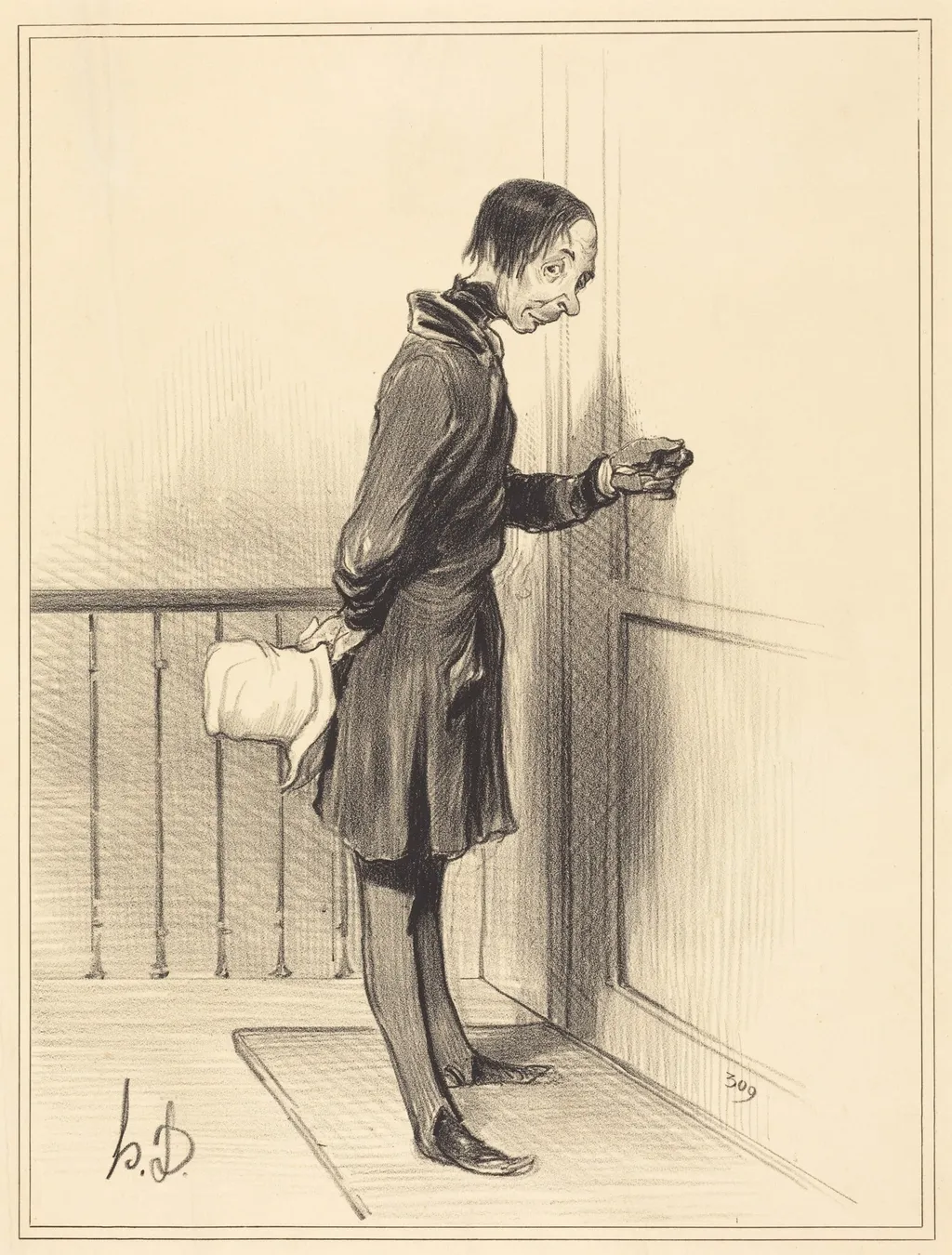
Le Mendiant a domicile is an ink print by the Romanticist artist Honoré Daumier. It dates from 1841 and is held in the collection of the National Gallery of Art.
About this work
Overview
Honoré Daumier’s lithograph *Le Mendiant à domicile*, produced in 1841, belongs to the artist’s extensive series of socially critical prints. Executed as a single‑sheet lithograph, the work portrays a solitary figure at a doorway, embodying the everyday hardships of the urban poor during the turbulent years of the July Monarchy.
Subject & Meaning
The image presents a weary beggar leaning against a doorframe, clutching a hat in one hand and a small object—perhaps a coin or key—in the other. By focusing on this marginal figure, Daumier underscores the stark contrast between the destitute and the more affluent classes, inviting viewers to consider the social inequities of mid‑19th‑century France.
Technique & Style
Rendered with swift, gestural lines, the lithograph conveys a sense of immediacy and tension. Daumier’s use of rough, expressive strokes captures the figure’s fatigue and movement, while the sparse interior—a chair and simple furnishings—keeps attention on the subject’s posture and emotional state.
Context
Created during the July Monarchy, a period marked by political instability and growing class divisions, the print aligns with Daumier’s broader satirical output for newspapers such as *La Caricature* and *Le Charivari*. His work routinely targeted the monarchy, aristocracy, and clergy, employing humor and visual critique to comment on contemporary power structures.
Artist & collection
Artist
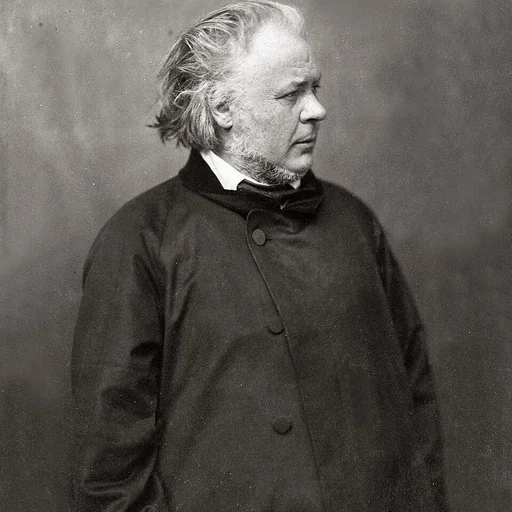
Honoré-Victorin Daumier was a French painter, sculptor, and printmaker, whose many works offer commentary on the social and political life in France, from the Revolution of 1830 to the fall of the Second French Empire in 1870.









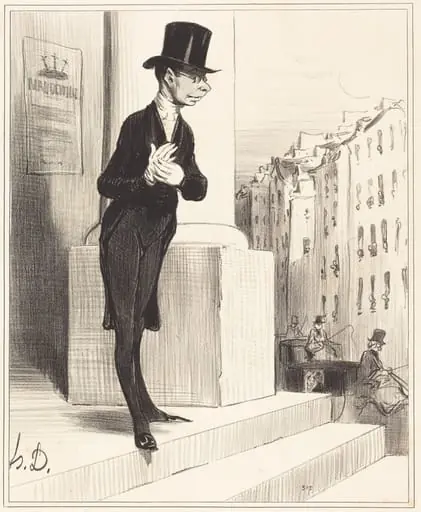 Pique-Assiette
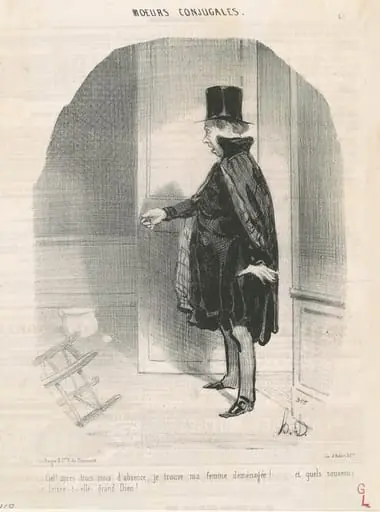 Ciel!...je trouve ma femme déménagée!
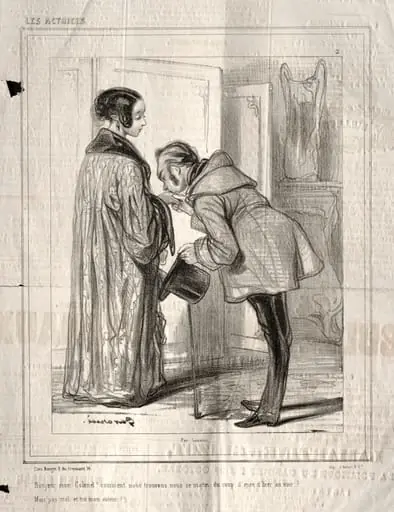 Les Actrices: Bonjour mon Colonel!
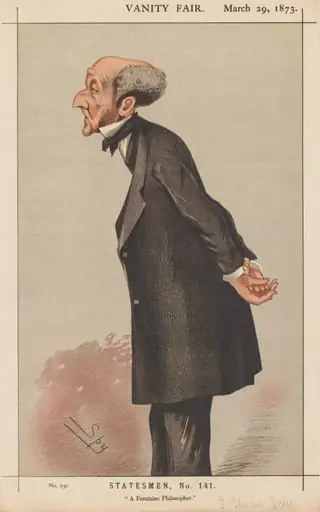 Vanity Fair: Statesman, No. 141 "A Feminine Philosopher"
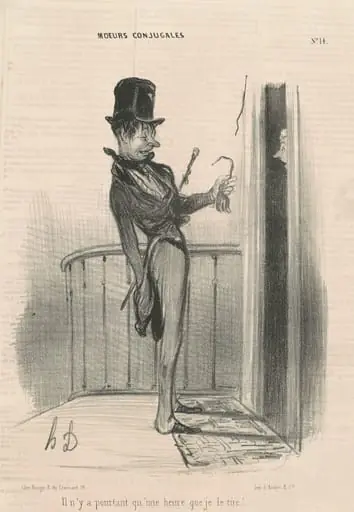 Il n'ya pas pourtant qu'une heure que je tire!
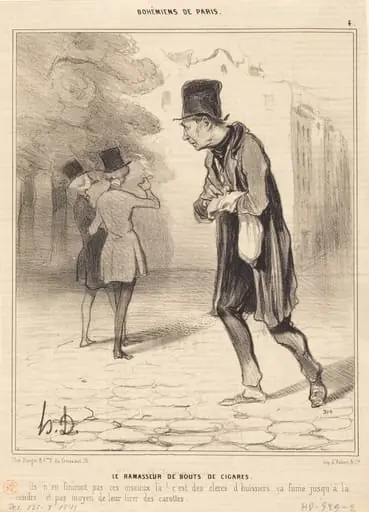 Le Ramasseur de bouts de cigares
 La Souscription Napoléonienne
 La famille de l'électeur
 Soyez donc poli... i...
 Le marchand de contremarques
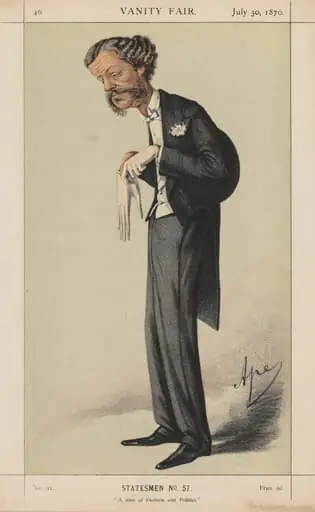 Vanity Fair: Statesman, No. 57 "A man of Fashion and Politics"
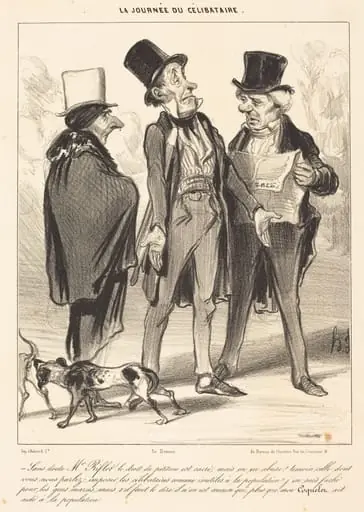 Sans doute M. Riflot le droit...