Artwork
Pique-Assiette
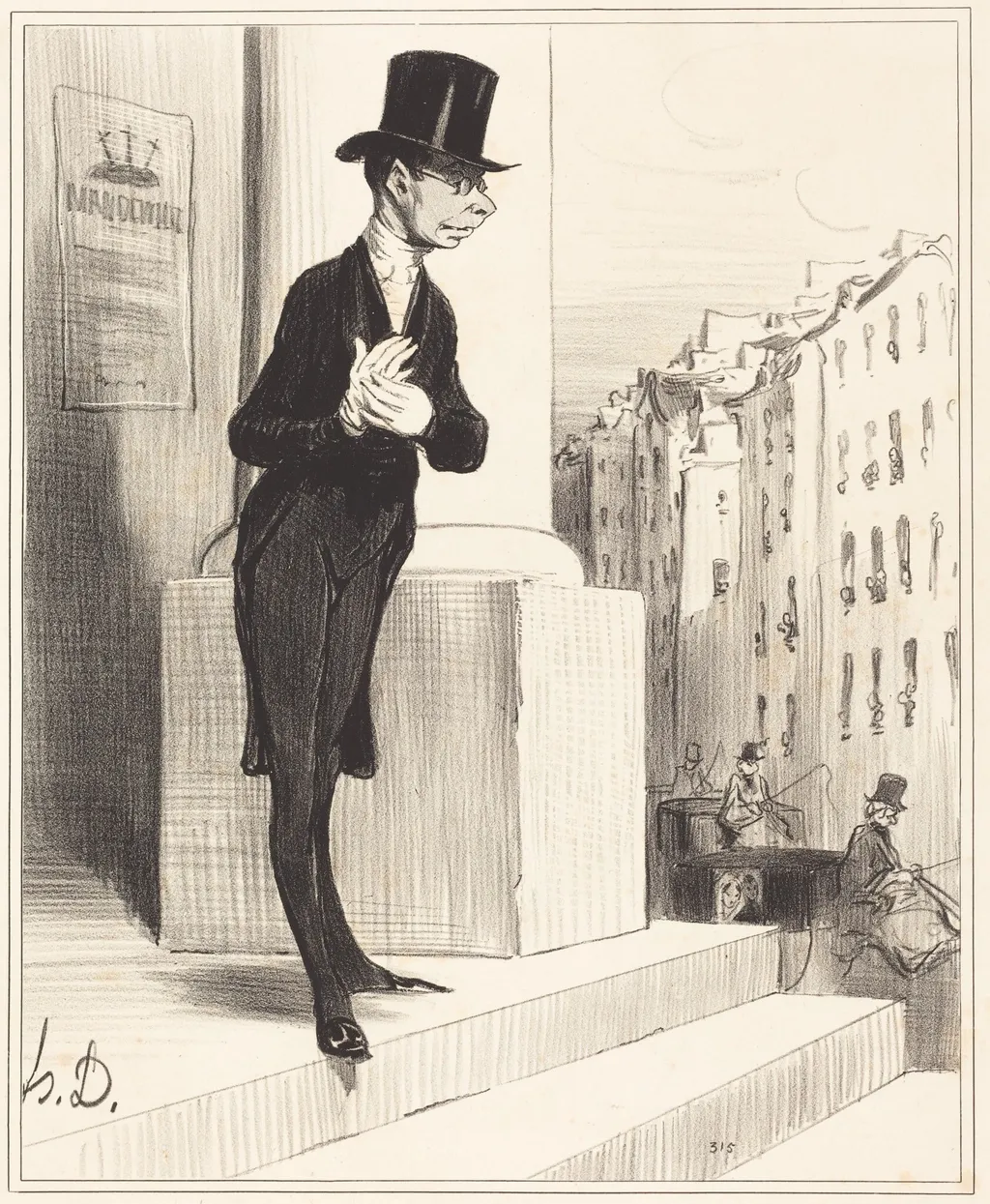
Pique-Assiette is an ink print by the Romanticist artist Honoré Daumier. It dates from 1841 and is held in the collection of the National Gallery of Art.
About this work
This lithograph shows a woman sitting with her back to us. She wears a simple dress and a shawl. Her posture feels tired or resigned.
Daumier made this in 1841. He often drew regular people with honesty. This image feels quiet and real, not fancy or posed.
It’s a great example of lithography. Look up Daumier, Honoré to see more.
Overview
Pique-Assiette is a 1841 lithograph by Honoré Daumier, a prominent French artist known for his satirical prints. The work is characteristic of his output as a printmaker and caricaturist.
Subject & Meaning
The lithograph depicts a woman seated with her back to the viewer, wearing simple attire. Her posture conveys a sense of weariness or resignation. The image presents an unidealized portrayal of everyday life, reflecting Daumier's commitment to honest representation.
Technique & Style
Pique-Assiette exemplifies Daumier's skill as a lithographer. The print's quiet, unadorned quality is typical of his style, which eschews elaborate or posed compositions in favor of straightforward, realistic depiction.
Artist & collection
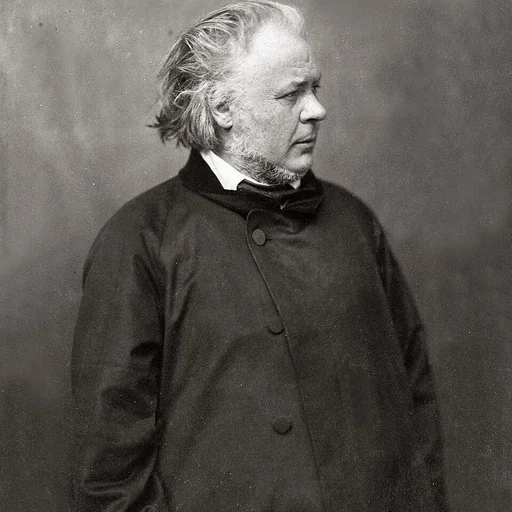
Artist
Honoré-Victorin Daumier was a French painter, sculptor, and printmaker, whose many works offer commentary on the social and political life in France, from the Revolution of 1830 to the fall of the Second French Empire in 1870.









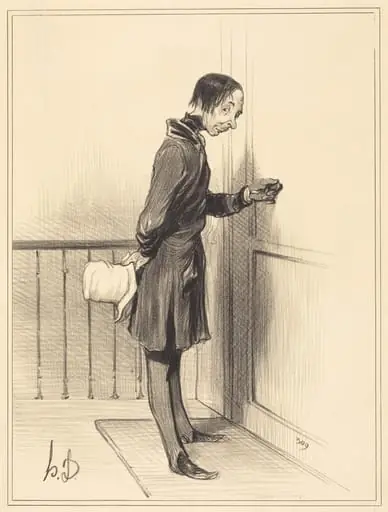 Le Mendiant a domicile
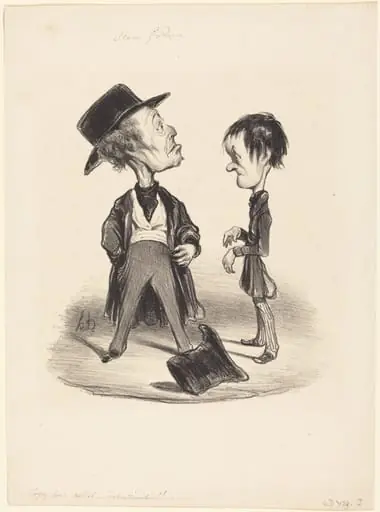 Soyez donc poli... i...
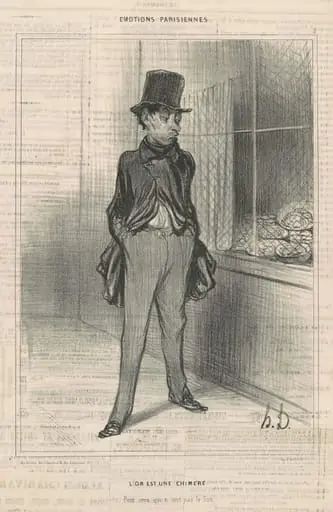 L'or est une chimère
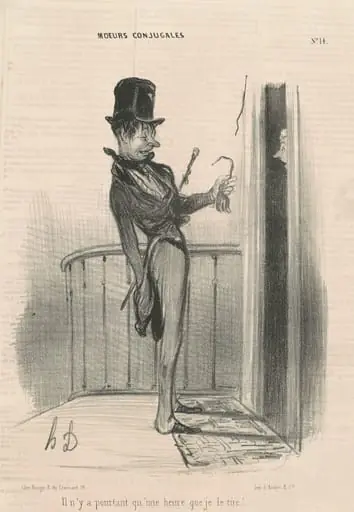 Il n'ya pas pourtant qu'une heure que je tire!
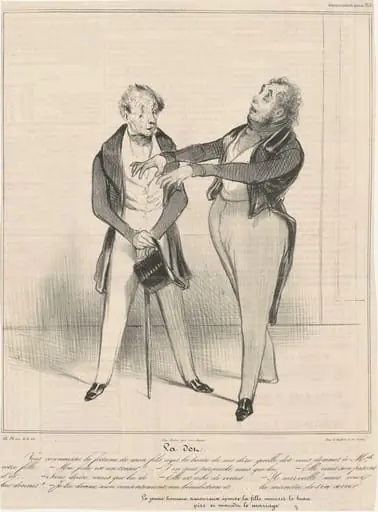 La Dot...vous connaissez la fortune...
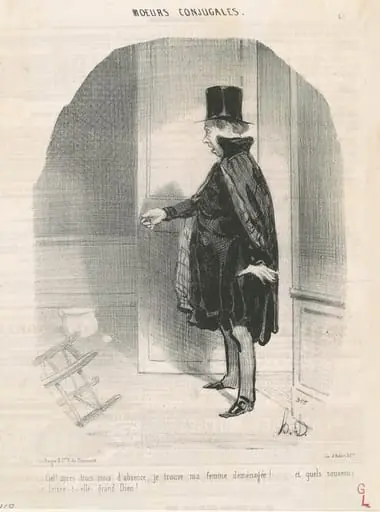 Ciel!...je trouve ma femme déménagée!
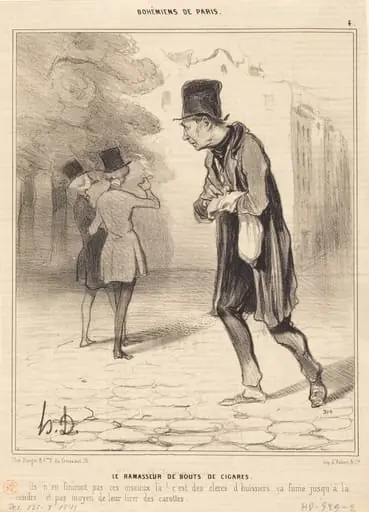 Le Ramasseur de bouts de cigares
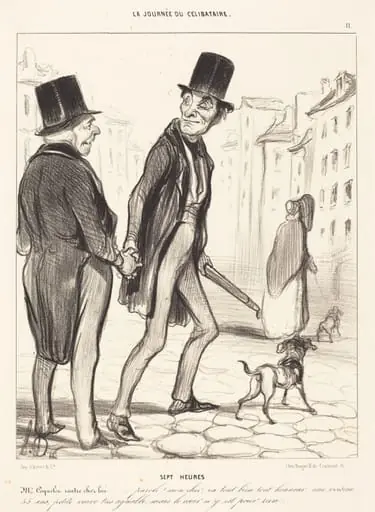 Sept heures
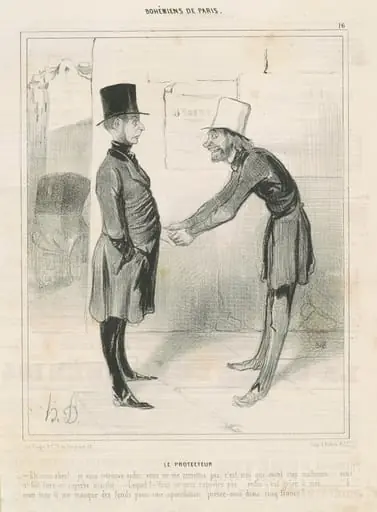 Le Protecteur
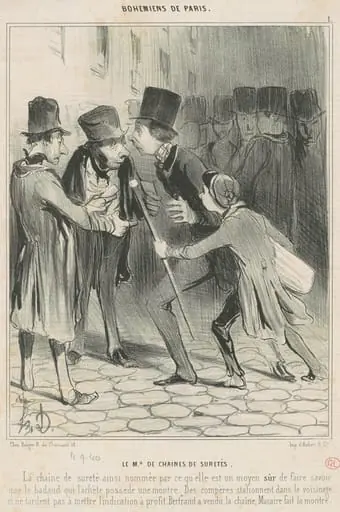 Le Md de Chaines de suretés
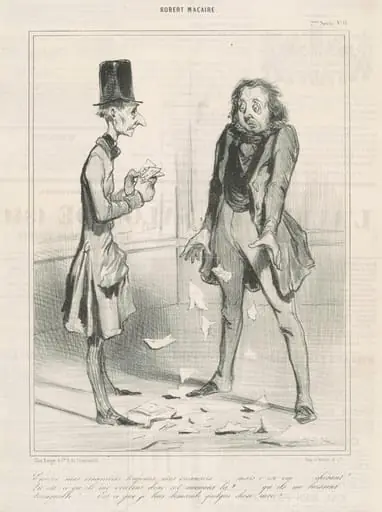 Encore mes créanciers, toujours ...
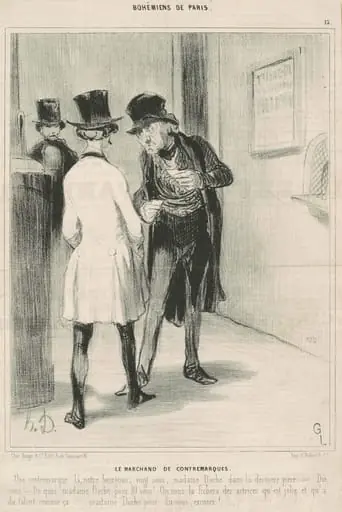 Le marchand de contremarques