Artwork
Mon cher! vous vous êtes admirablement... évanoui...
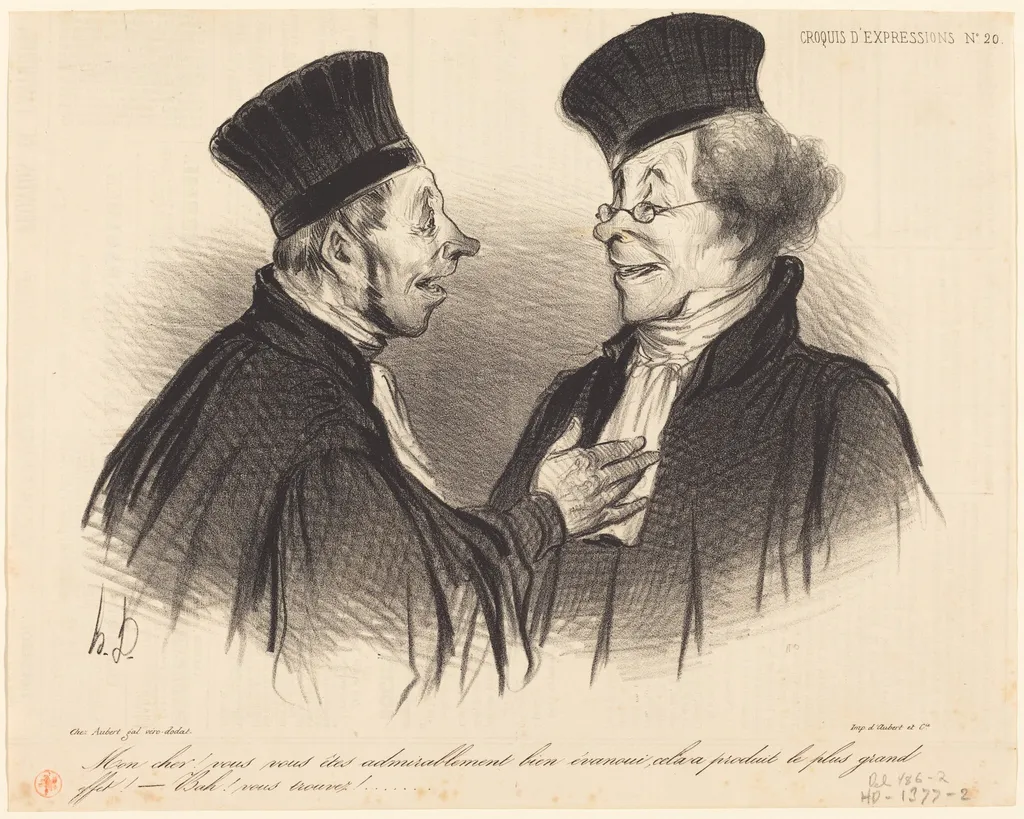
Mon cher! vous vous êtes admirablement... évanoui... is an ink print by the Romanticist artist Honoré Daumier. It dates from 1838 and is held in the collection of the National Gallery of Art. Created in 1838, this lithograph on newsprint bears the French title *Mon cher!
About this work
Overview
Created in 1838, this lithograph on newsprint bears the French title *Mon cher! vous vous êtes admirablement... évanoui...*. Executed by Honoré Daumier, the work exemplifies his prolific output as a caricaturist for popular periodicals of the time, such as *La Caricature* and *Le Charivari*.
Subject & Meaning
The image presents two elegantly dressed men, their hats and coats indicating upper‑class status, engaged in a lively exchange. One figure opens his mouth in a exaggerated laugh or gasp, while the other holds a small object—perhaps a note or coin—and displays a satisfied expression, underscoring a satirical commentary on the pretensions of the aristocracy and clergy.
Technique & Style
Produced by lithography, the print relies on a stone‑based process that allowed rapid reproduction for newspapers. Daumier’s hand is evident in the loose, energetic lines and sketch‑like quality, which convey immediacy and amplify the exaggerated facial expressions characteristic of his caricature style.
Context
The work emerged during a turbulent French era spanning the July Revolution of 1830 to the eventual collapse of the Second Empire. Daumier’s republican sympathies informed his visual attacks on monarchy, aristocracy, and the church, using humor to critique the prevailing social hierarchy.
Legacy
Although intended for swift newspaper circulation, the lithograph illustrates Daumier’s lasting influence on political satire. Its brisk execution and pointed wit prefigure later modernist approaches to social critique, securing its place within the broader narrative of 19th‑century French print culture.
Artist & collection
Artist
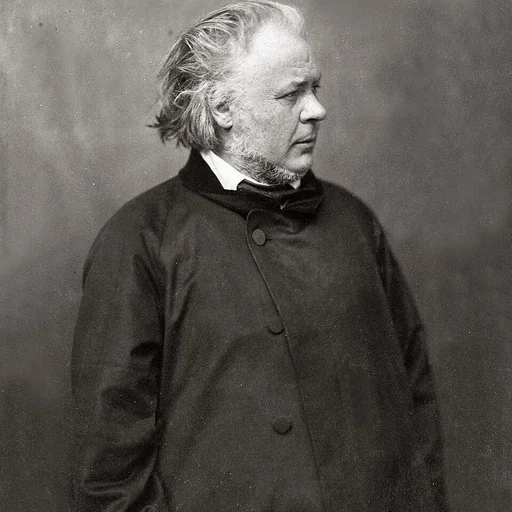
Honoré-Victorin Daumier was a French painter, sculptor, and printmaker, whose many works offer commentary on the social and political life in France, from the Revolution of 1830 to the fall of the Second French Empire in 1870.









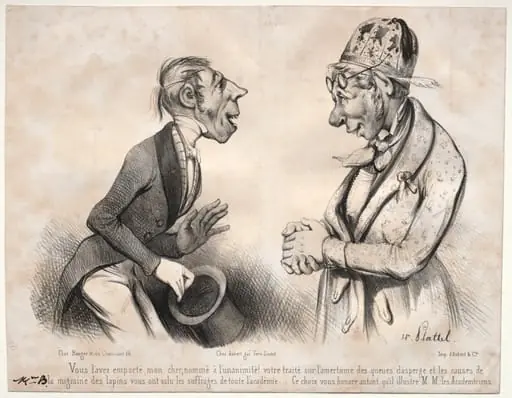 Vous l'avez emporté, mon cher, nommé à l'unanimite!
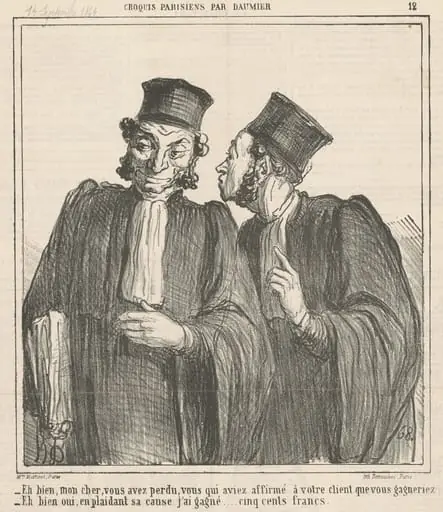 Eh bien, mon cher, vous avez perdu ...
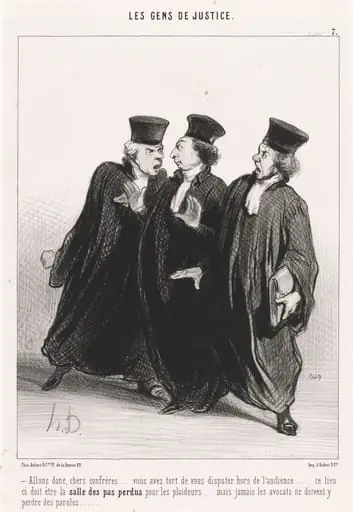 Allons donc, chers confrères...
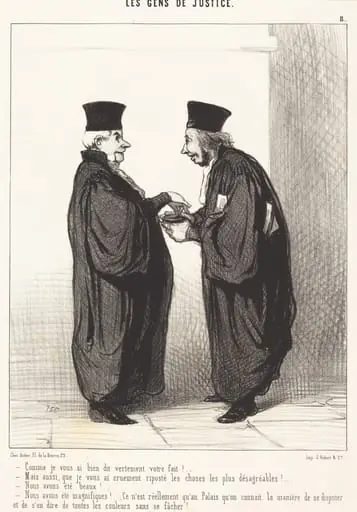 Comme je vous ai dit vertement votre fait!
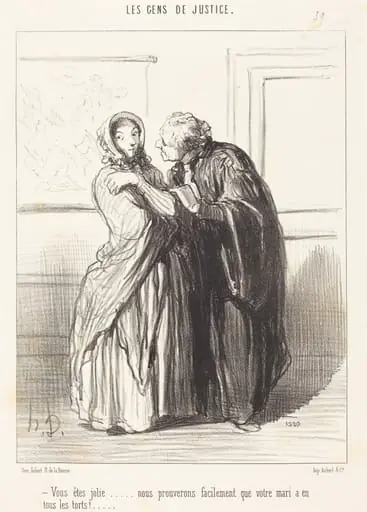 Vous êtes jolie...
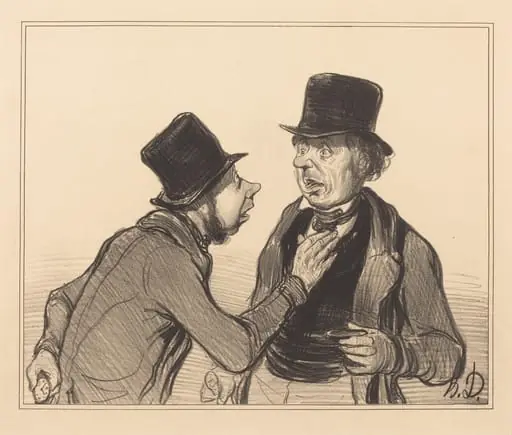 Oui Monsieur vous n'êtes pas de Paris...
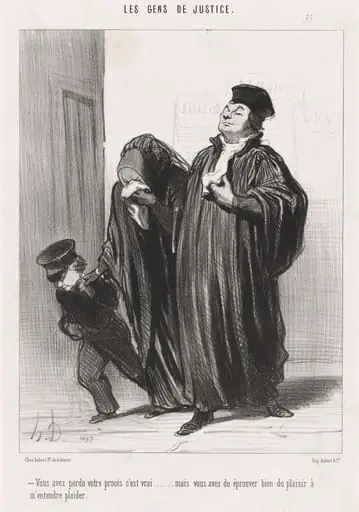 Vous avez perdu votre procès c'est vrai...
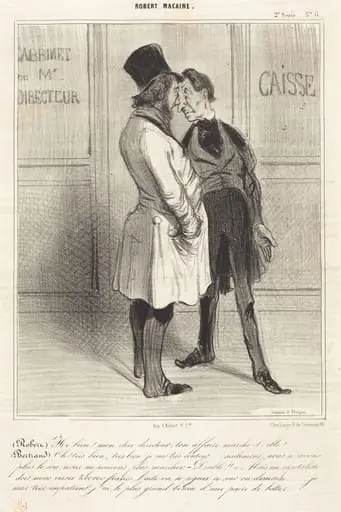 (Robert) Hé bien! mon cher directeur...
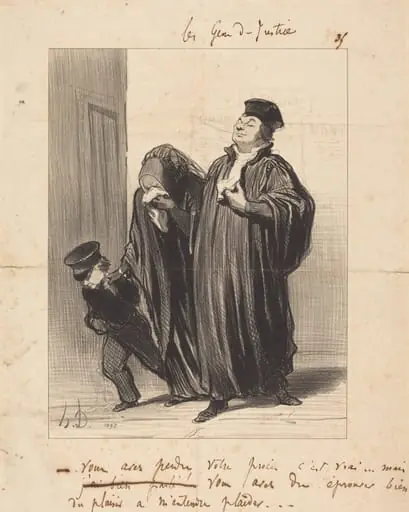 Vous avez perdu votre procès c'est vrai...