Artwork
Quand le crime ne donne pas
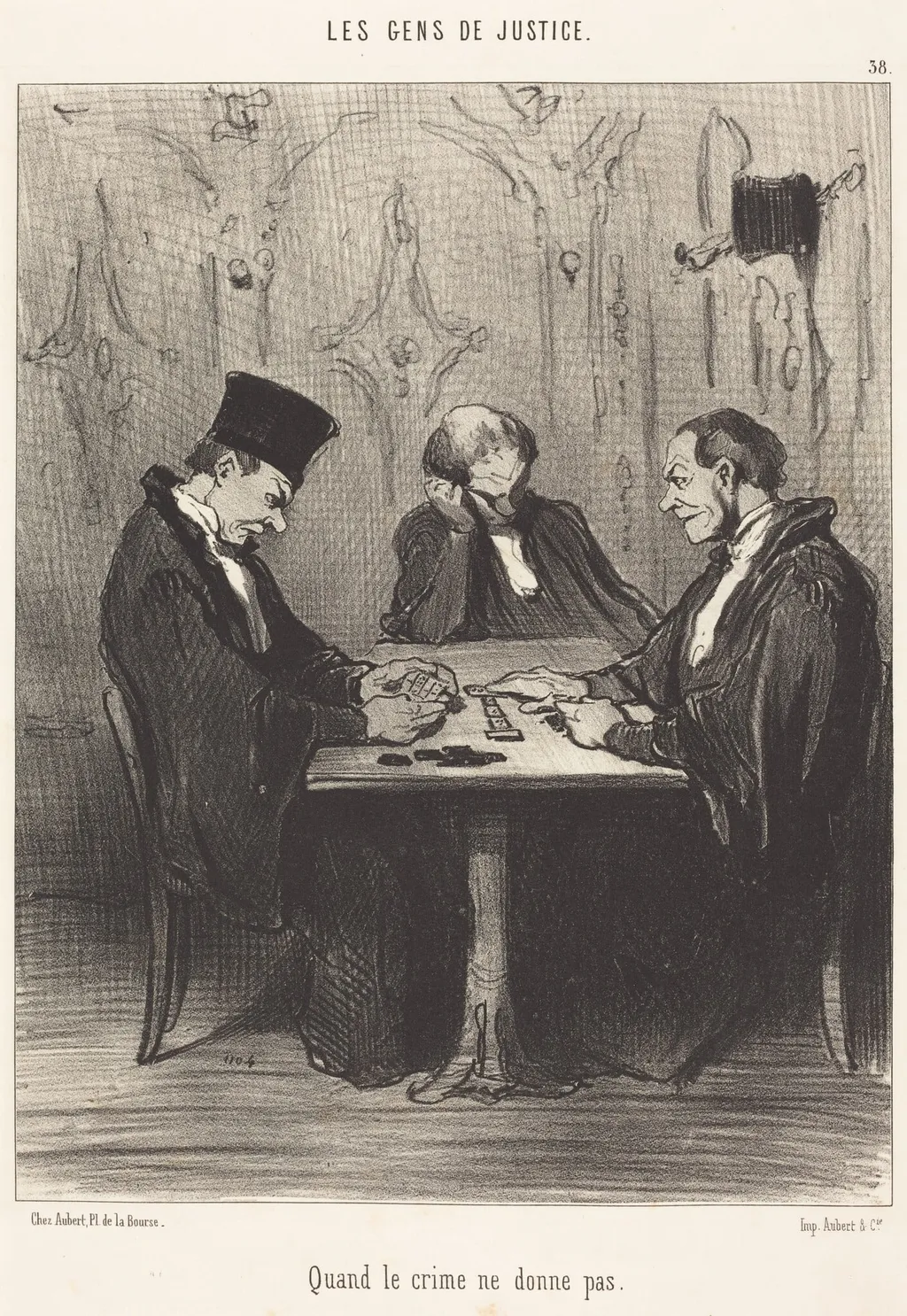
Quand le crime ne donne pas is an ink print by the Romanticist artist Honoré Daumier. It dates from 1848 and is held in the collection of the National Gallery of Art.
About this work
Overview
Honoré Daumier's 1848 lithograph *Quand le crime ne donne pas* (When Crime Does Not Pay) is a satirical print critiquing the French justice system during a period of political turmoil.
Subject & Meaning
The work depicts three indifferent men in judicial attire, surrounded by inconsequential objects in a bare courtroom setting. The title *Les Gens de Justice* (People of Justice) ironically highlights the scene's absurdity, critiquing the ineffective and possibly corrupt handling of justice.
Technique & Style
Executed in lithograph, the piece showcases Daumier's characteristic satirical caricature style, previously featured in publications like *La Caricature* and *Le Charivari*. The simple, expressive lines and minimal background emphasize the figures' apathy and the system's emptiness.
History & Provenance
Created in 1848, amidst France's political upheaval between the 1830 Revolution and the 1870 fall of the Second Empire, the work aligns with Daumier's republican democratic views, targeting the flaws in the monarchy-aligned judicial system.
Context
Part of Daumier's broader commentary on 19th-century French social and political life, *Quand le crime ne donne pas* reflects the era's discontent with institutional failures, resonating with the public's skepticism towards the establishment.
Legacy
As part of Daumier's satirical oeuvre, the lithograph contributes to his legacy as a vocal critic of societal ills through art, influencing future generations of political cartoonists and satirists.
Artist & collection
Artist
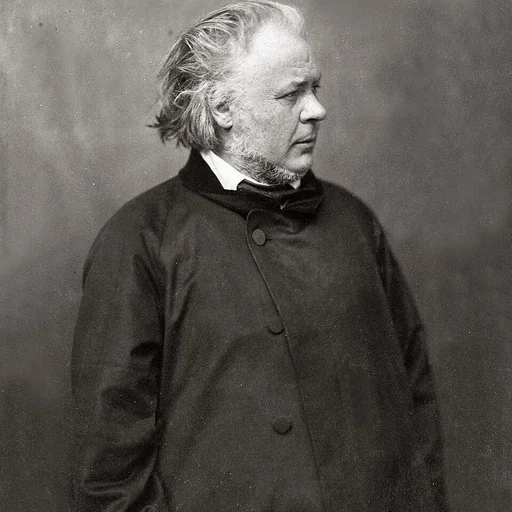
Honoré-Victorin Daumier was a French painter, sculptor, and printmaker, whose many works offer commentary on the social and political life in France, from the Revolution of 1830 to the fall of the Second French Empire in 1870.

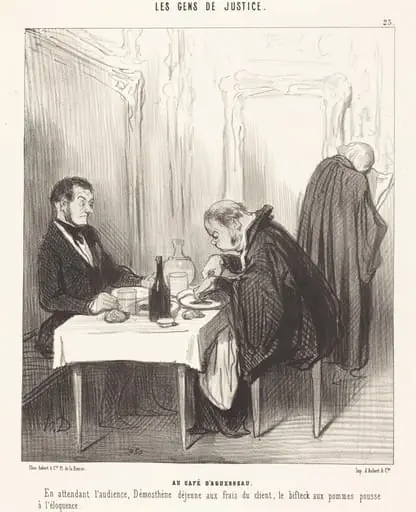 Au Café d'Aguesseau
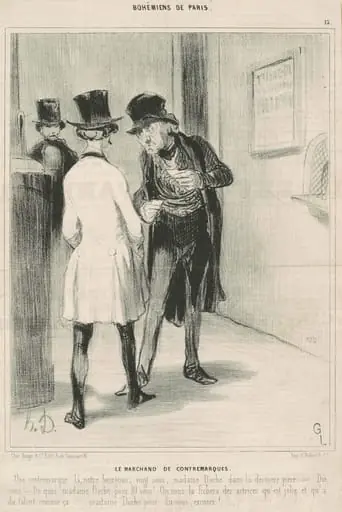 Le marchand de contremarques
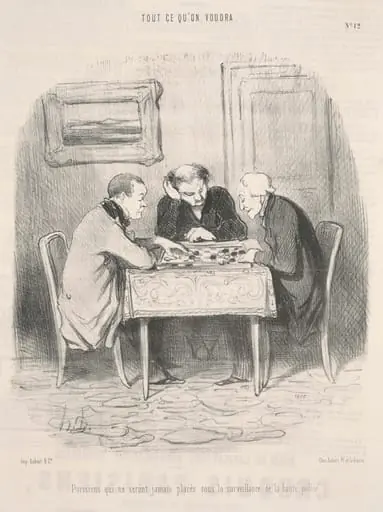 Parisiens qui ne seront jamais ... sous la surveillance ...
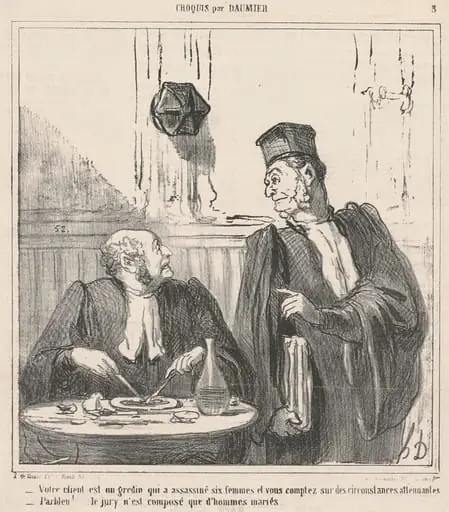 Votre client est un gredin ...
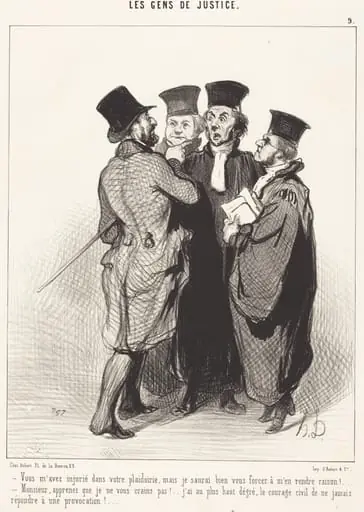 Vous m'avez injurié dans votre plaidoirie...
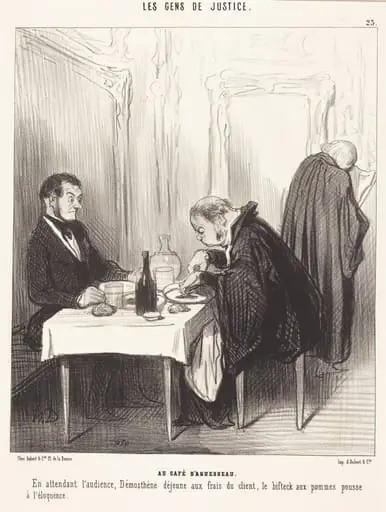 Au Café d'Aguesseau
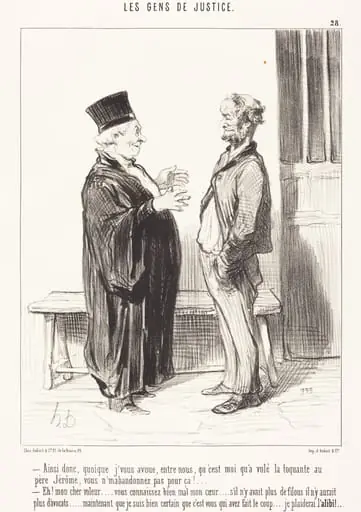 Ainsi donc, quoique j'vous avoue...
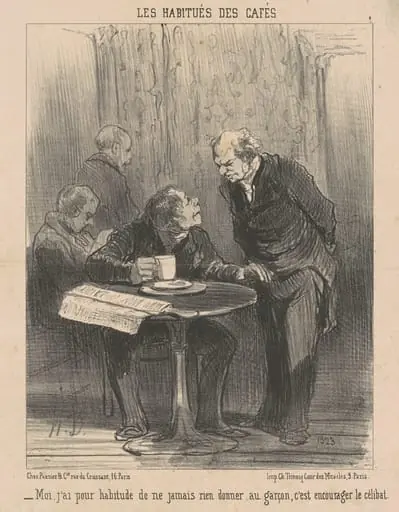 Moi, j'ai habitude de ne ... rien donner
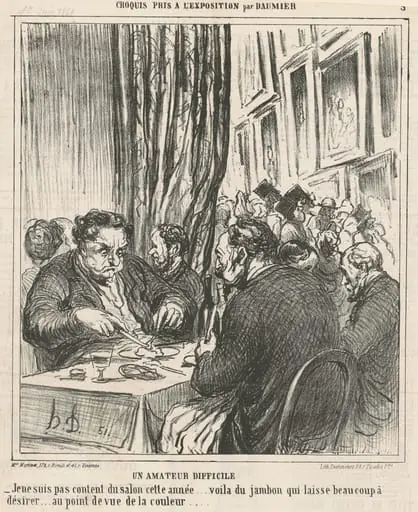 Un amateur difficile
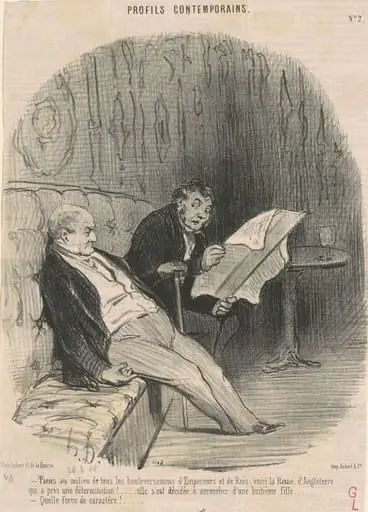 Tiens au milieu de ...bouleversemens ...