Artwork
Triste contenance de la sculpture ...
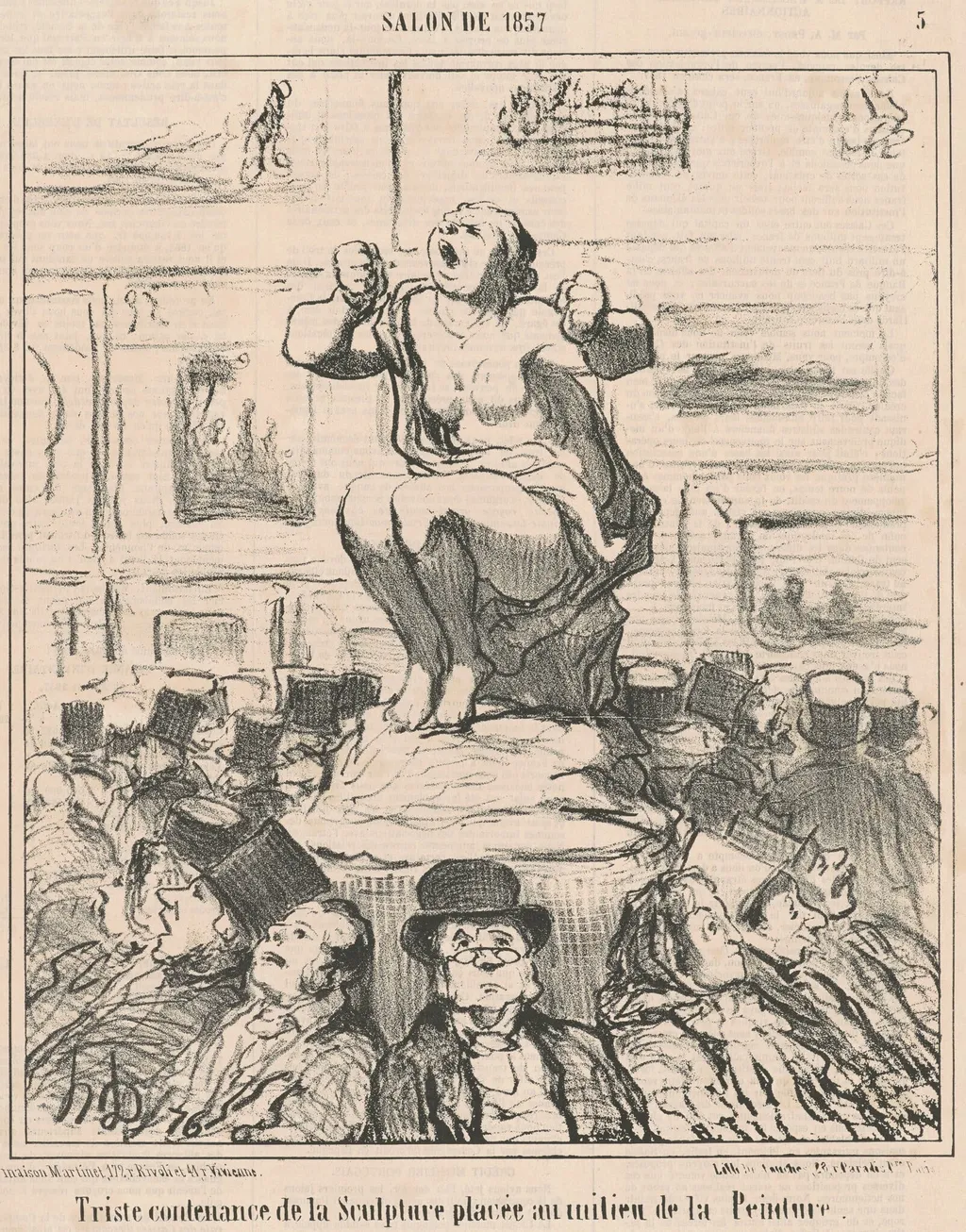
Triste contenance de la sculpture ... is an ink print by the Impressionist artist Honoré Daumier. It dates from 1857 and is held in the collection of the National Gallery of Art.
About this work
Overview
This lithograph by Honoré Daumier presents a stone sculpture in a state of apparent anguish, its head thrown back, mouth agape, and arms clenched in tension.
This lithograph by Honoré Daumier presents a stone sculpture in a state of apparent anguish, its head thrown back, mouth agape, and arms clenched in tension. Rendered in stark monochrome, the figure is positioned within a gallery setting where spectators in period attire observe it alongside other artworks. Daumier uses the print medium to interrogate the solemnity traditionally assigned to sculpture, contrasting its perceived gravity with the immediacy and irreverence of lithography.
Subject & Meaning
The sculpture’s exaggerated posture—mouth open as if screaming, fists tight—transforms a static object into a vessel of emotional distress. Daumier implies that the rigid conventions of academic art may suppress genuine expression. The onlookers, absorbed in their own contemplation, remain oblivious to the figure’s torment, suggesting a disconnect between institutionalized art and the raw humanity it claims to represent.
Technique & Style
Daumier employs sharp, incisive lines and dense tonal contrasts to give the sculpture a heavy, carved presence, despite the medium’s inherent flatness. The lithographic process allows for rapid, expressive mark-making, which he uses to mimic the texture of stone while infusing the figure with a sense of internal strain. The background figures are rendered with looser strokes, emphasizing the sculpture’s isolation and weight.
History & Provenance
Created in the mid-to-late 19th century, this work emerged from Daumier’s prolific output of satirical prints published in French periodicals. It was likely part of a series critiquing the Parisian art establishment. As a lithographer, Daumier operated outside the Salon system, using accessible prints to reach a broader audience and challenge elite artistic norms with wit and visual irony.
Context
In mid-19th century Paris, sculpture was upheld as the highest form of fine art, while printmaking was often dismissed as commercial or trivial. Daumier, working in the margins of the art world, used lithography to subvert this hierarchy. His depiction of a tormented sculpture mocks the pretensions of academic art, reflecting broader cultural debates about who gets to define artistic value and what constitutes serious expression.
Legacy
Daumier’s work contributed to the redefinition of printmaking as a vehicle for critical commentary rather than mere reproduction. By portraying sculpture not as idealized form but as a trapped, suffering entity, he anticipated later modernist critiques of artistic tradition. His approach influenced generations of artists who saw in lithography a tool for social and aesthetic dissent.
Artist & collection
Artist
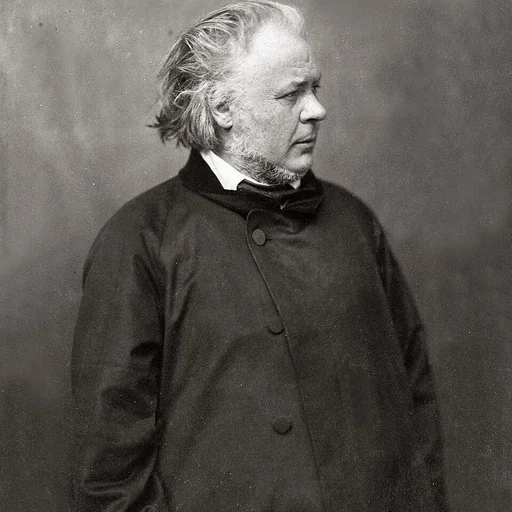
Honoré-Victorin Daumier was a French painter, sculptor, and printmaker, whose many works offer commentary on the social and political life in France, from the Revolution of 1830 to the fall of the Second French Empire in 1870.

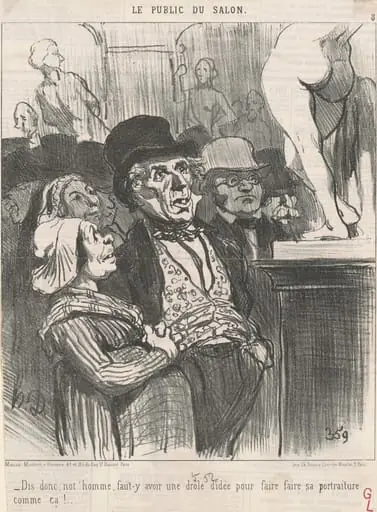 Dis donc, not'homme, faut-y ...
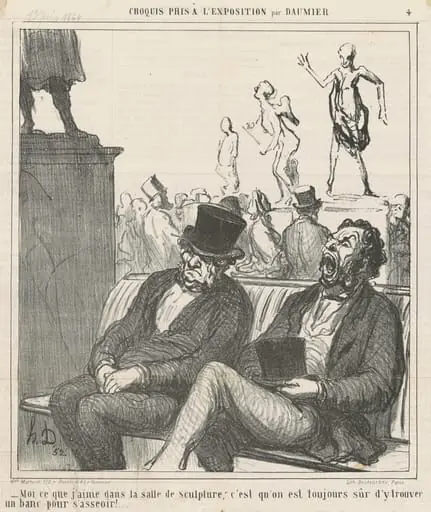 Moi ce que j'aime dans la salle de sculpture ...
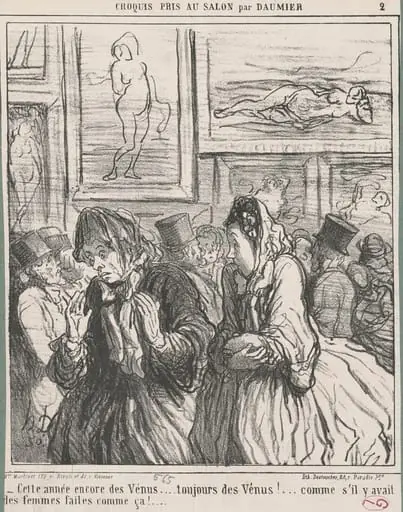 Cette année encore des vénus ...
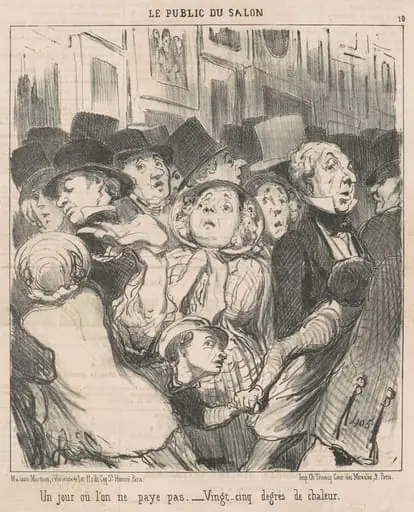 Un jour ou l'on ne paye pas
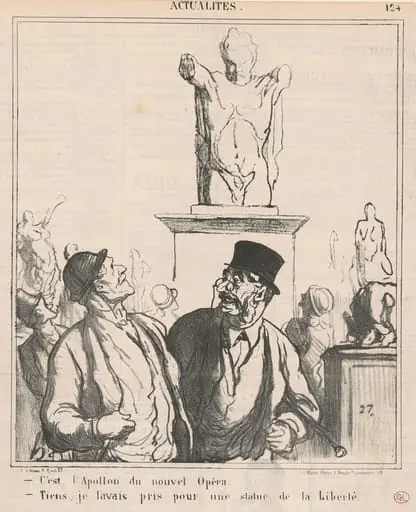 C'est l'apollon du nouvel opéra
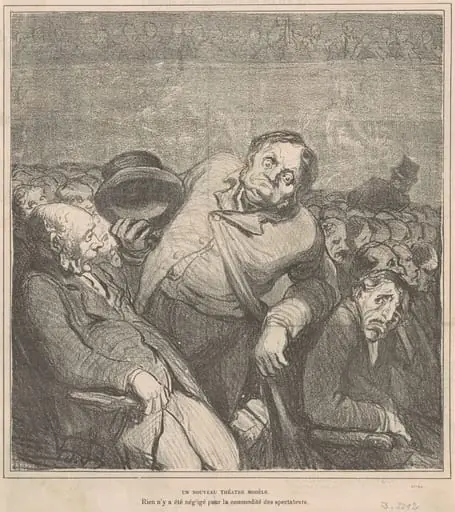 Un nouveau théatre modèle
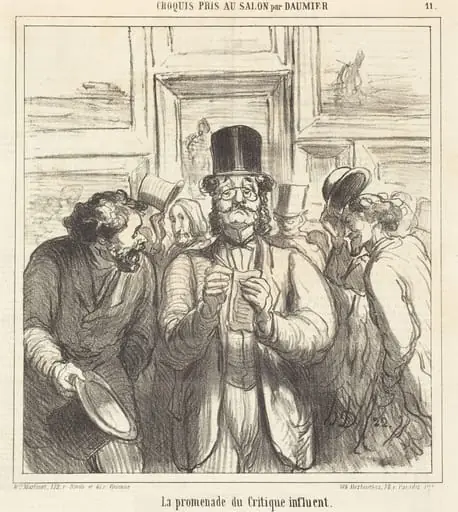 La promenade du Critique influent
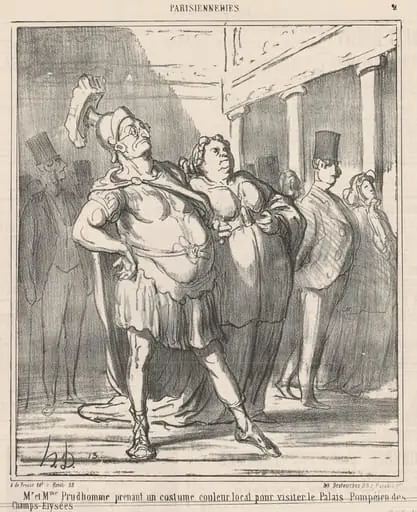 Mr. et Mme Prudhomme prenant un ...
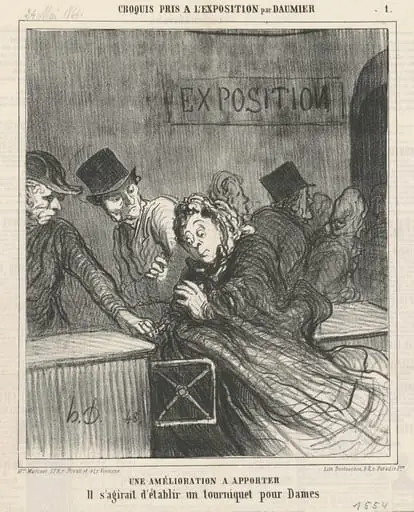 Une amelioration a apporter
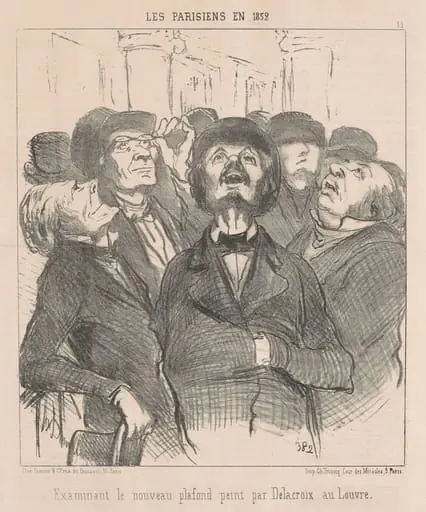 Examinant le nouveau plafond ...
 Le Gamin de Paris aux Tuileries
 Cocher! La main de notre fille!