Artwork
Presentation of Jesus in the Temple
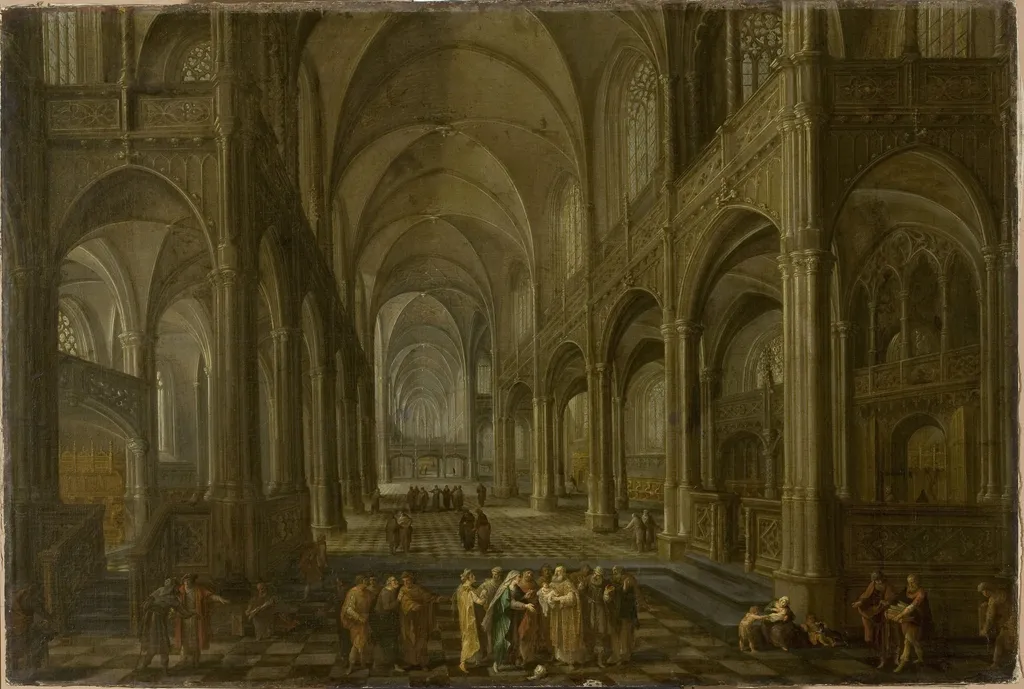
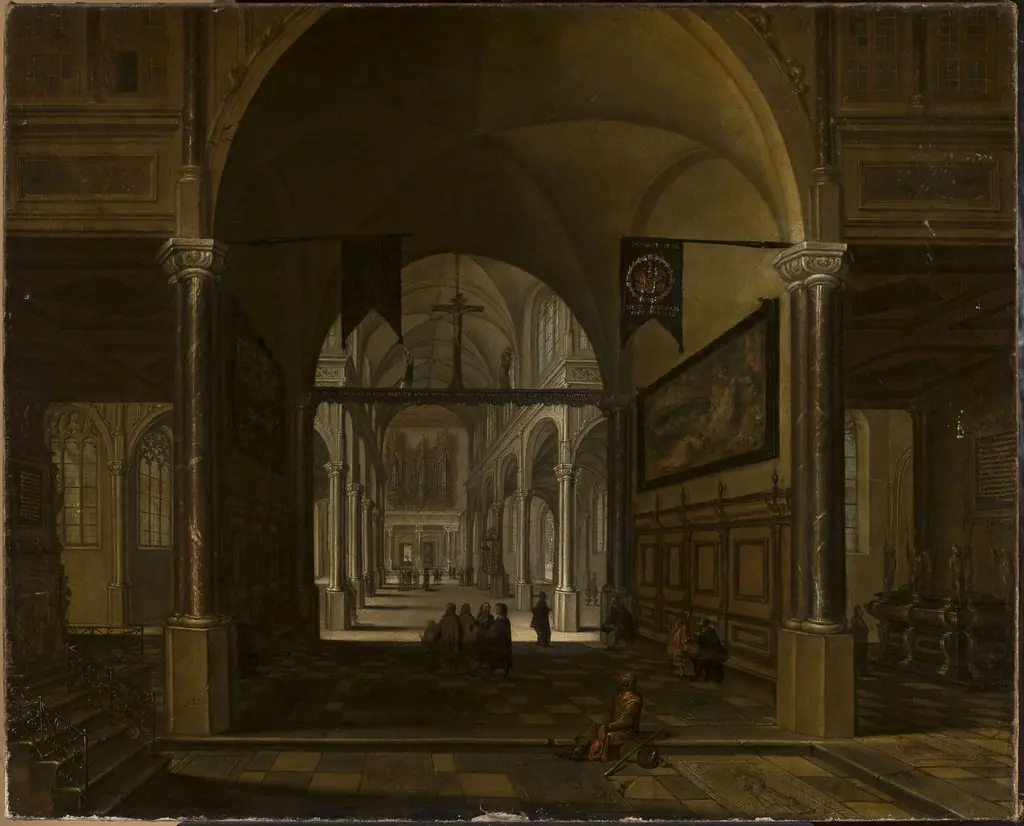
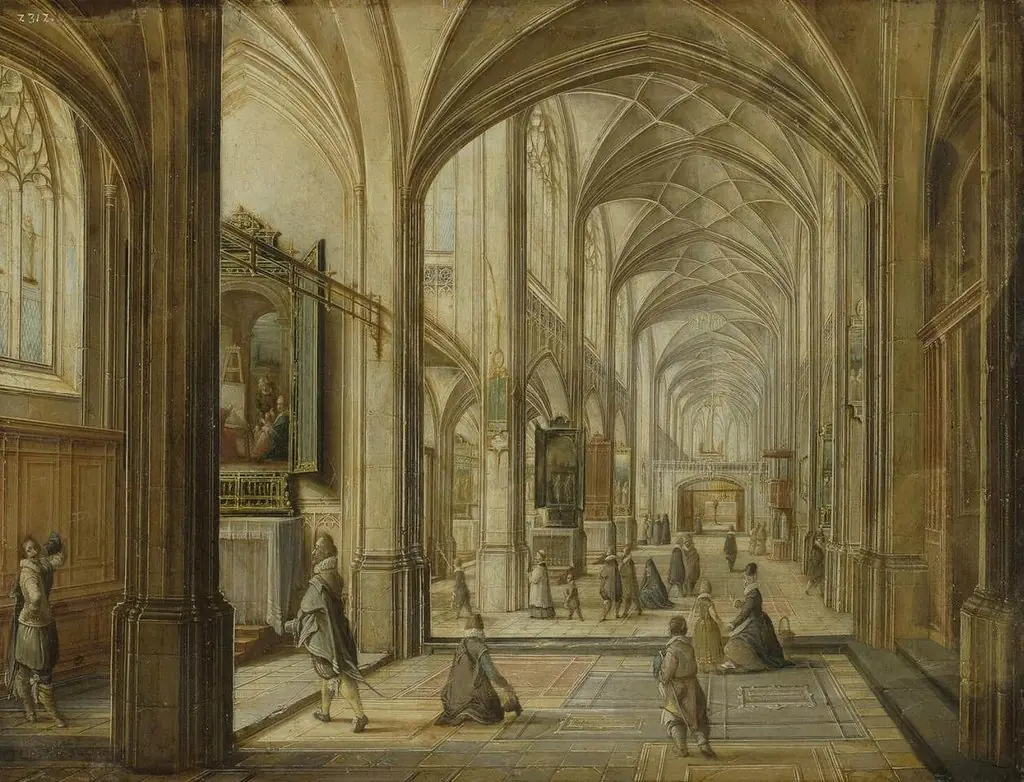
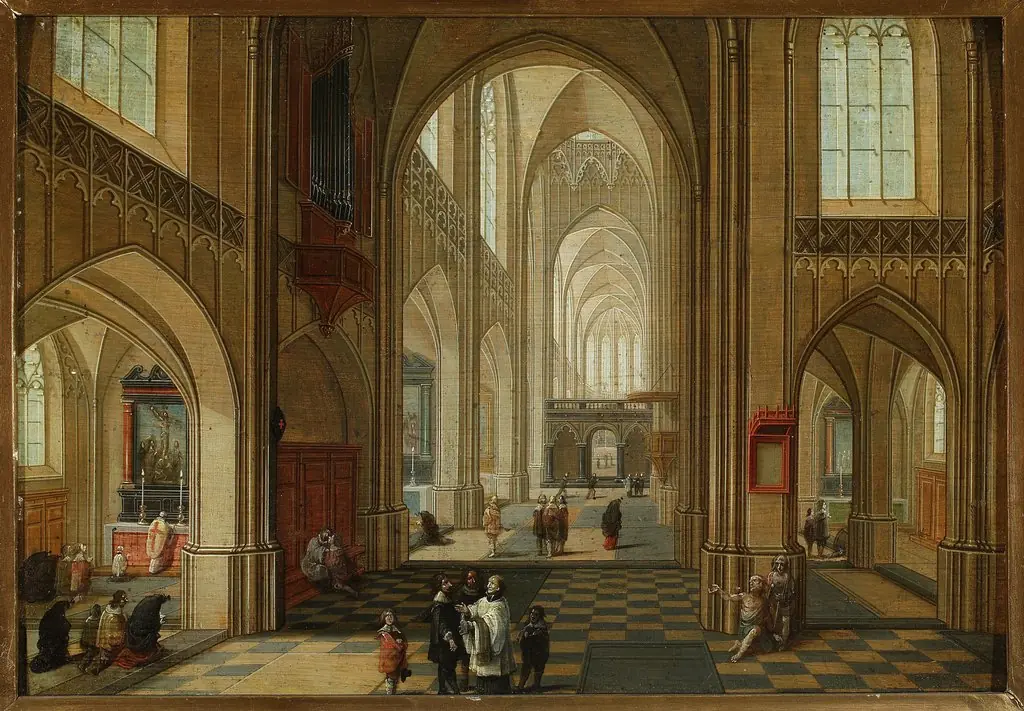
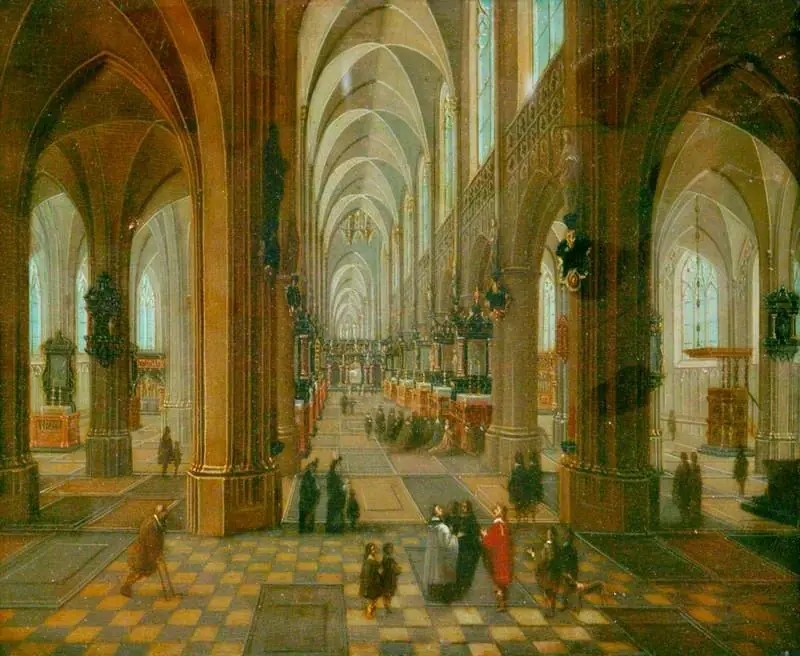
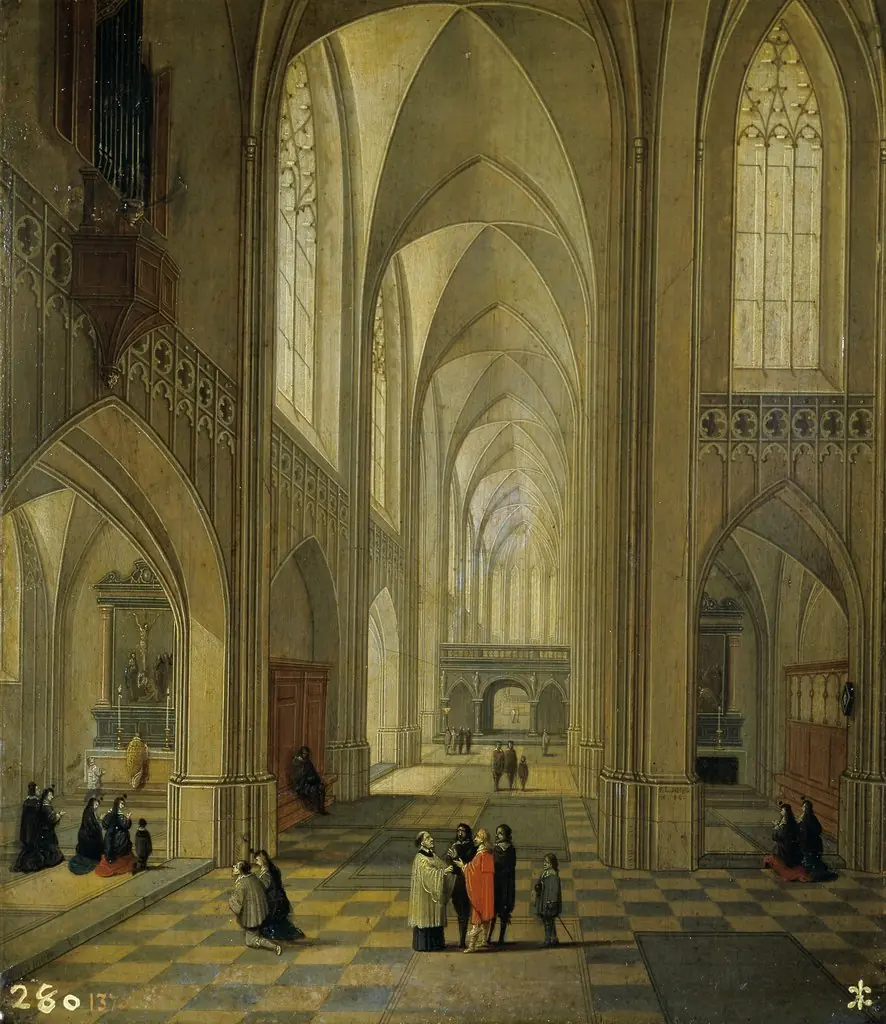
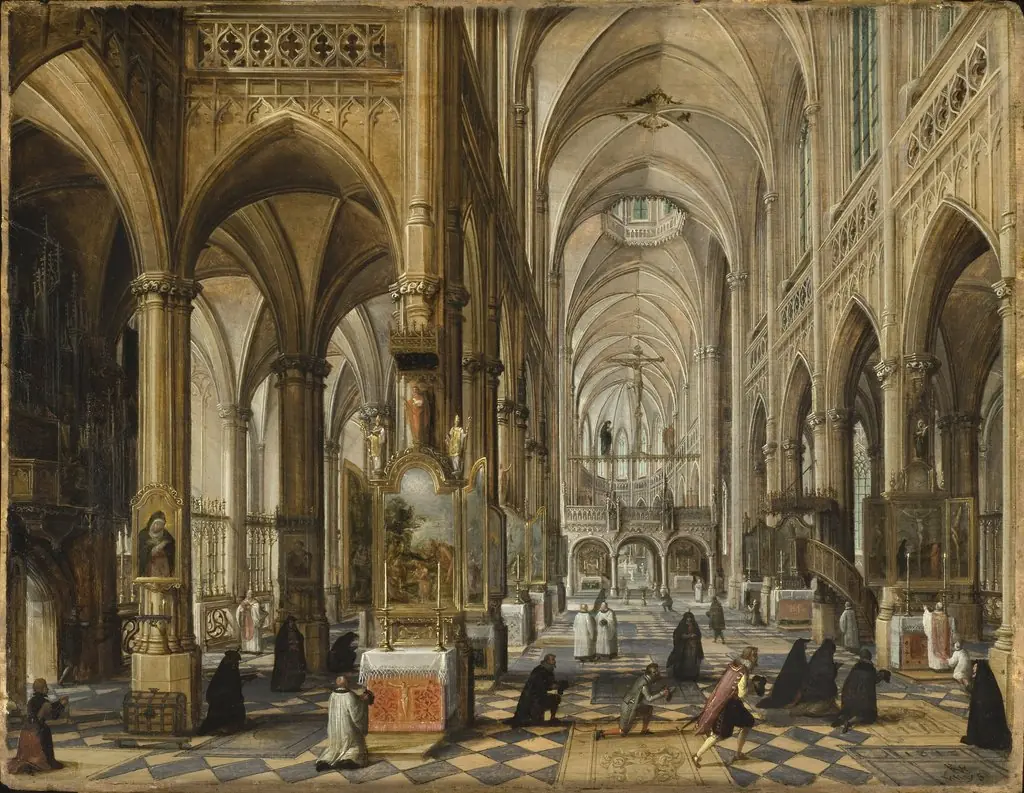
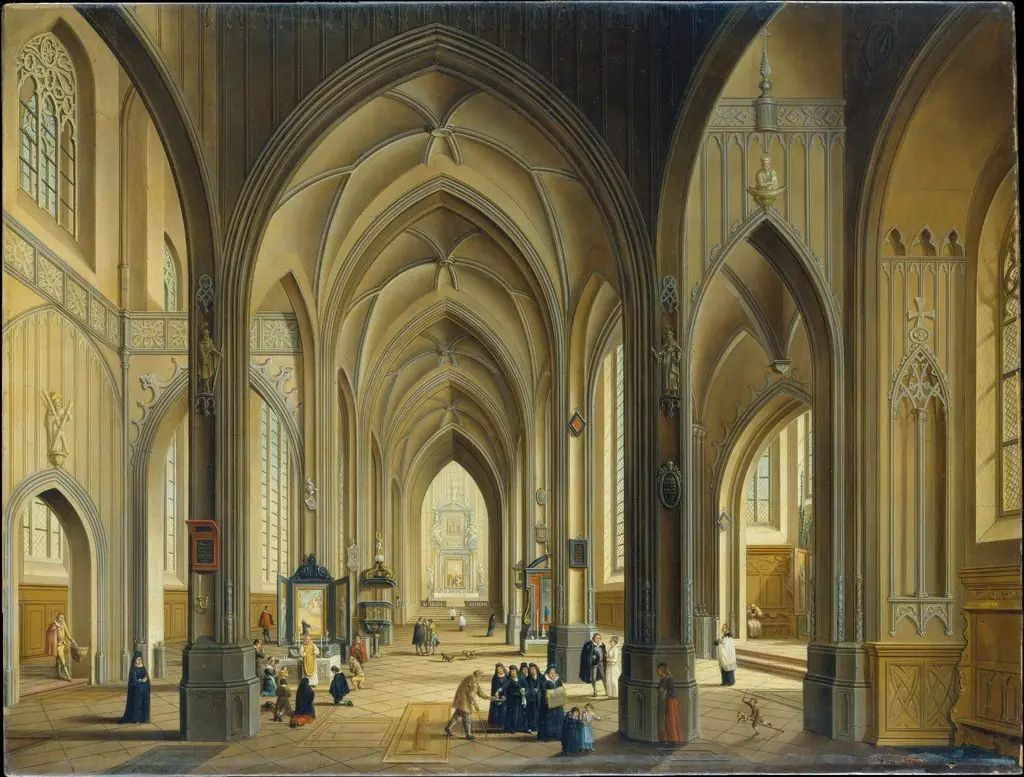
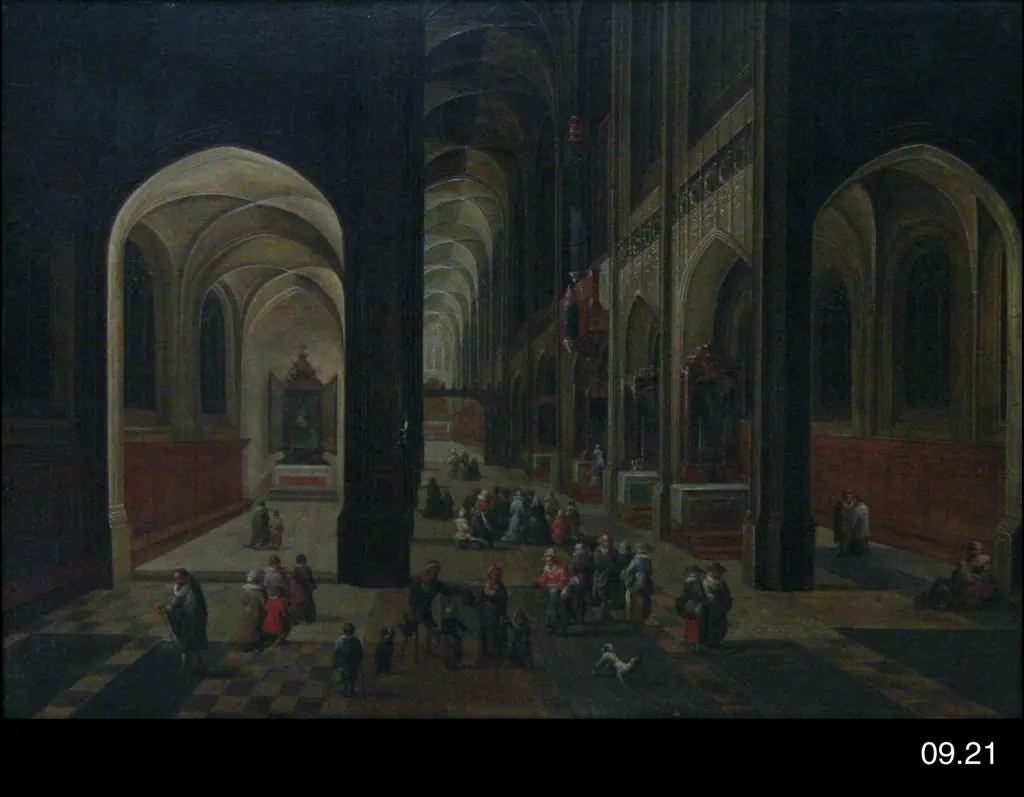
Presentation of Jesus in the Temple is an oil painting by the Dutch Golden Age artist David Colijns. It dates from 1635 and is held in the collection of the National Museum in Warsaw.
About this work
Overview
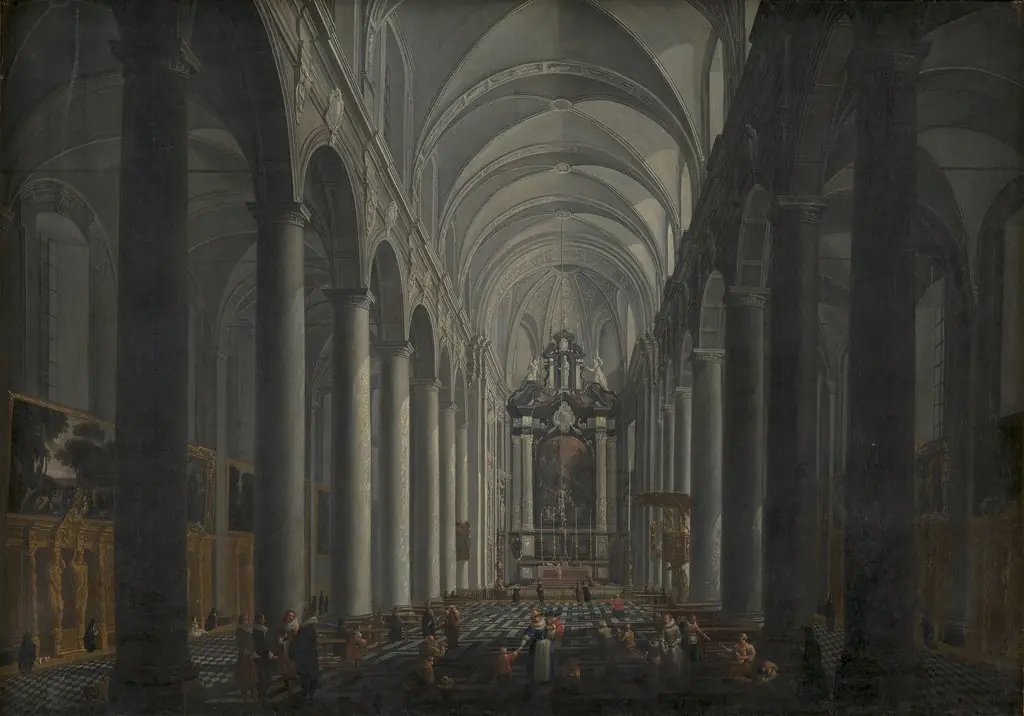
Painted in 1635 by Dutch artist David Colijns, this oil on panel work depicts the biblical event of Jesus’ presentation at the Temple in Jerusalem.
Painted in 1635 by Dutch artist David Colijns, this oil on panel work depicts the biblical event of Jesus’ presentation at the Temple in Jerusalem. The painting is part of the collection at the National Museum in Warsaw, where it has remained since at least the early 20th century. Its composition reflects the influence of Dutch Baroque religious painting, emphasizing spatial depth and quiet solemnity.
Subject & Meaning
The scene illustrates the ritual presentation of the infant Jesus, as described in the Gospel of Luke, where Mary and Joseph offer him to God in the Temple. The figures gathered around the altar convey reverence and anticipation. The inclusion of Simeon, who recognizes the child as the Messiah, anchors the moment in theological significance, while the surrounding worshippers suggest a community witnessing a sacred transition.
Technique & Style
Colijns employs chiaroscuro to model the architecture and figures, using sharp contrasts between light and shadow to suggest volume and spatial recession. The dim interior, illuminated by high, narrow windows, enhances the sense of sacred stillness. Brushwork is restrained, favoring clarity over ornamentation, and the figures are rendered with naturalistic posture and subdued expression, aligning with Dutch devotional aesthetics of the period.
History & Provenance
The painting entered the National Museum in Warsaw’s collection in the early 1900s, likely through acquisition from a private Polish or Dutch collection. Its presence in Poland suggests possible transmission through Northern European religious art networks. No major alterations or restorations are documented, and the panel remains in stable condition, preserving the artist’s original tonal balance and detail.
Context
Created during the Dutch Golden Age, the work reflects a trend in Protestant-influenced regions to depict biblical narratives with restrained realism rather than overt theatricality. Though the Netherlands had largely moved away from Catholic iconography, devotional scenes like this one persisted in private and civic collections, serving as quiet meditations on faith rather than public liturgical tools.
Legacy
Colijns’s painting contributes to a modest but persistent corpus of Dutch religious scenes from the 17th century that prioritize introspection over spectacle. While not widely reproduced, it remains a representative example of how Northern artists adapted biblical themes to intimate, architecturally grounded settings, influencing later regional approaches to sacred narrative in painting.
Own this work as a print
Artist & collection