Artwork
Tracings of Classical Subjects
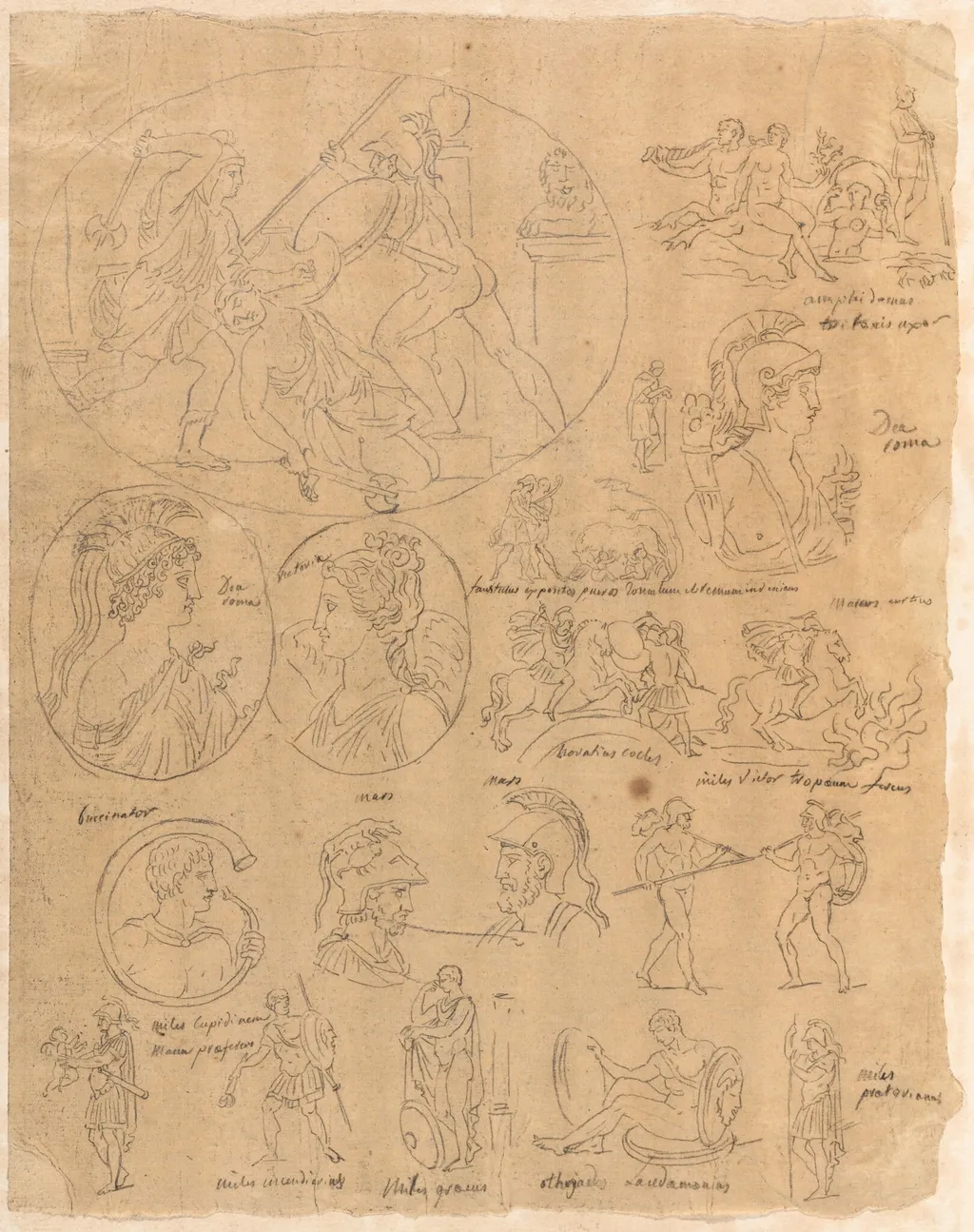
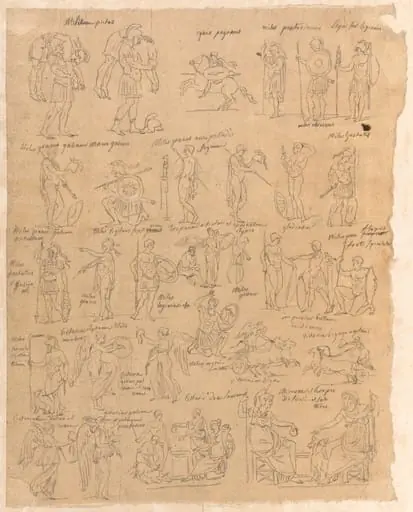
Tracings of Classical Subjects is an oil drawing by the Neoclassicist artist Jacques-Louis David. It dates from 1778 and is held in the collection of the National Gallery of Art. This drawing, executed in black chalk on oiled laid paper, compiles a series of rapid sketches derived from classical antiquities.
About this work
Overview
This drawing, executed in black chalk on oiled laid paper, compiles a series of rapid sketches derived from classical antiquities.
This drawing, executed in black chalk on oiled laid paper, compiles a series of rapid sketches derived from classical antiquities. Created in 1778 by Jacques-Louis David, it functions as a study sheet rather than a finished work, capturing fragments of mythological figures and Roman iconography gathered from ancient sculptures and coins. The composition is dense and unstructured, reflecting an artist’s personal engagement with classical sources.
Subject & Meaning
The sheet features recurring figures from Roman mythology—Mars, Dea Roma, and other deities—rendered in isolated portraits or dynamic poses. Some are depicted in motion, such as a figure grappling with a beast, while others are static, helmeted heads. Labels identify key entities, suggesting David’s intent to catalog and internalize classical symbolism, possibly for future historical or allegorical compositions.
Technique & Style
David employed light, fluid chalk strokes to trace forms directly from ancient models, preserving the contours of worn reliefs and coins. The lines are economical yet assured, avoiding shading or refinement. The oiled paper allowed for smoother tracing, enabling quick replication. The overall effect is spontaneous, resembling a working notebook, where precision is secondary to accumulation and recall.
History & Provenance
Made during David’s formative years in Rome, this sheet belongs to a group of studies he produced while absorbing classical art. It was likely kept as a private reference, not intended for public display. The work remained in David’s possession until his death, later entering institutional collections through documented transfers, preserving its role as an intimate pedagogical tool.
Context
In the late 1770s, French artists were increasingly drawn to classical antiquity as a source of moral and aesthetic authority. David’s tracings reflect a broader movement away from Rococo frivolity toward disciplined historical study. By copying ancient fragments, he sought to reconstruct a visual language rooted in perceived Roman virtue, laying groundwork for his later historical paintings.
Legacy
This sheet exemplifies the methodical approach that defined David’s artistic development. Its unpolished nature reveals the behind-the-scenes labor behind his monumental works. Later scholars recognized it as evidence of his commitment to historical accuracy and classical revival, influencing how academic training incorporated direct engagement with ancient artifacts.
Artist & collection
Artist
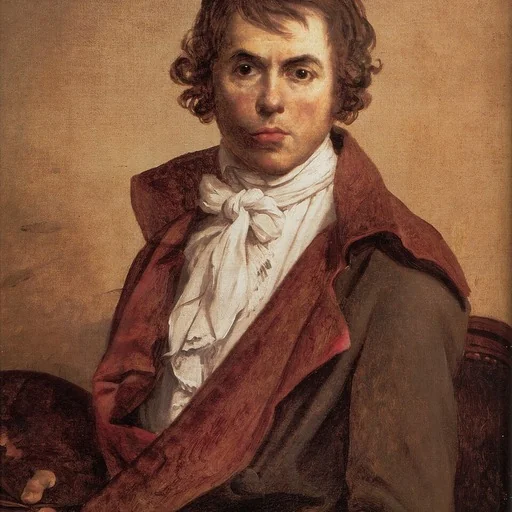
Jacques-Louis David was born in Paris on 30 August 1748 into a bourgeois family; his father died in a duel when the boy was nine, and a maternal uncle guided his education.

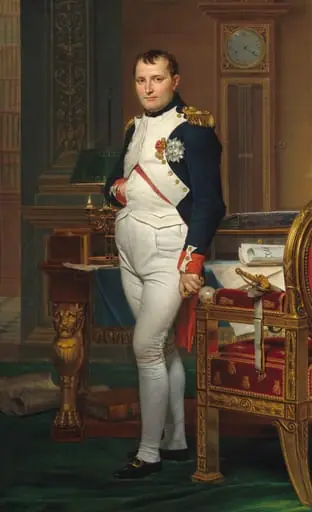 The Emperor Napoleon in His Study at the Tuileries
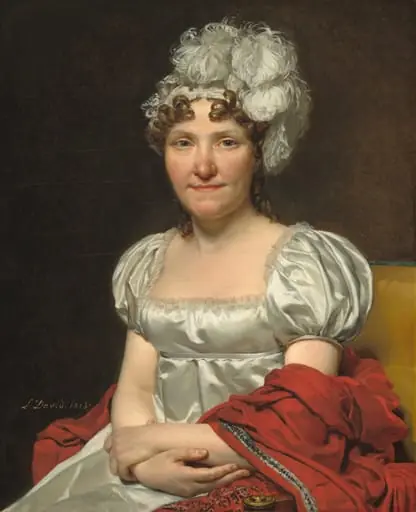 Madame David
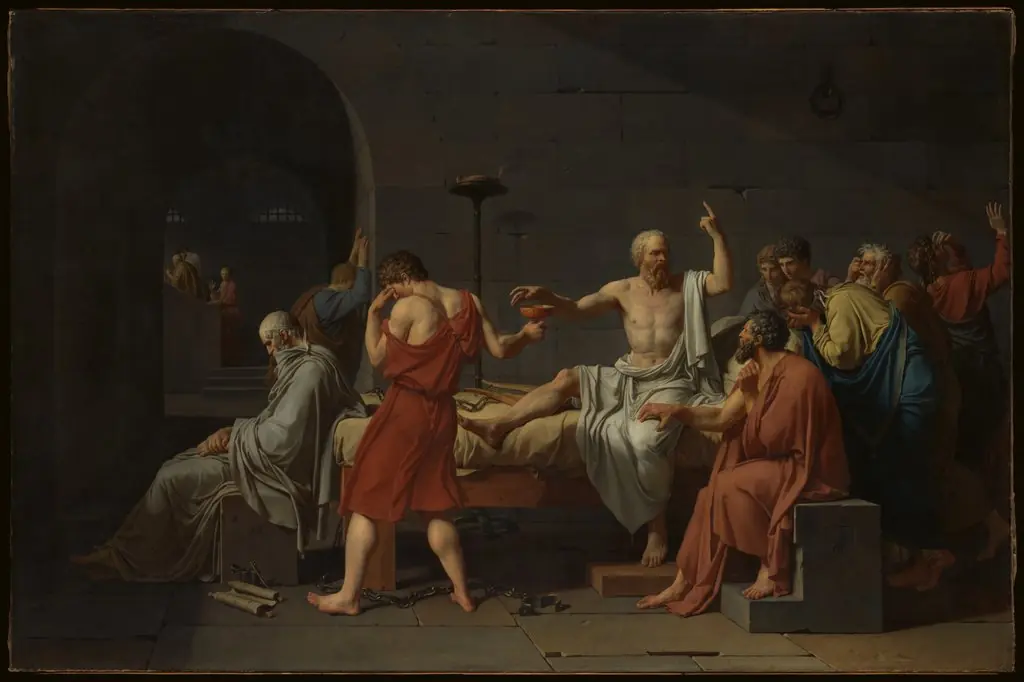 The Death of Socrates
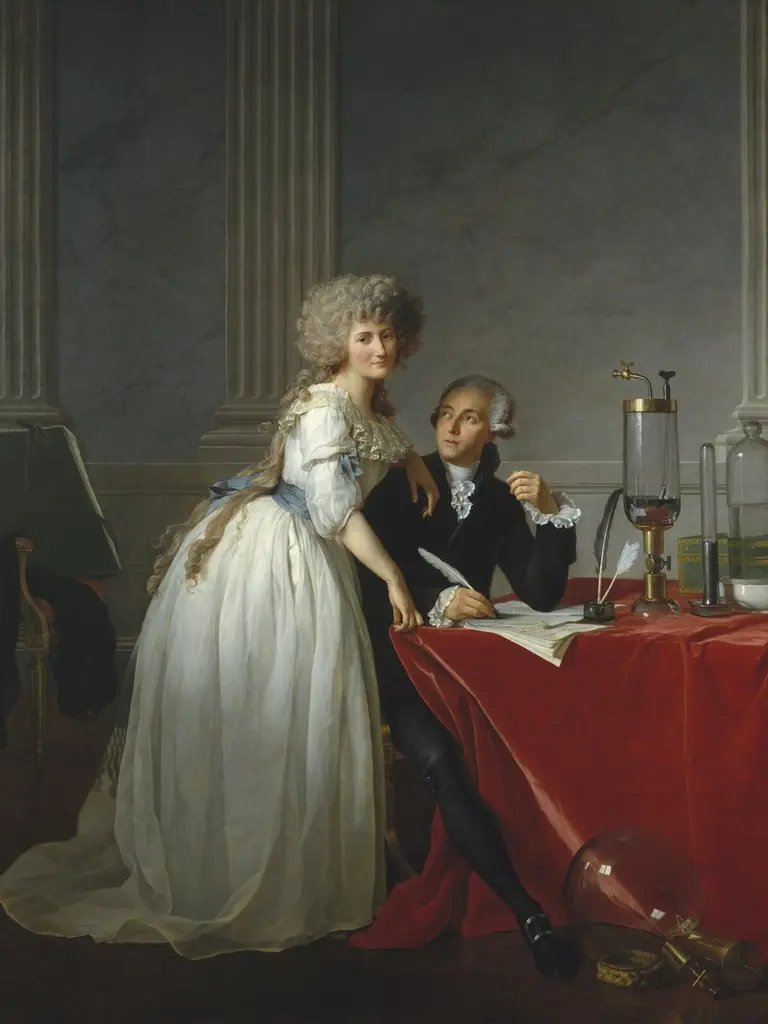 Portrait of Antoine-Laurent Lavoisier and his wife
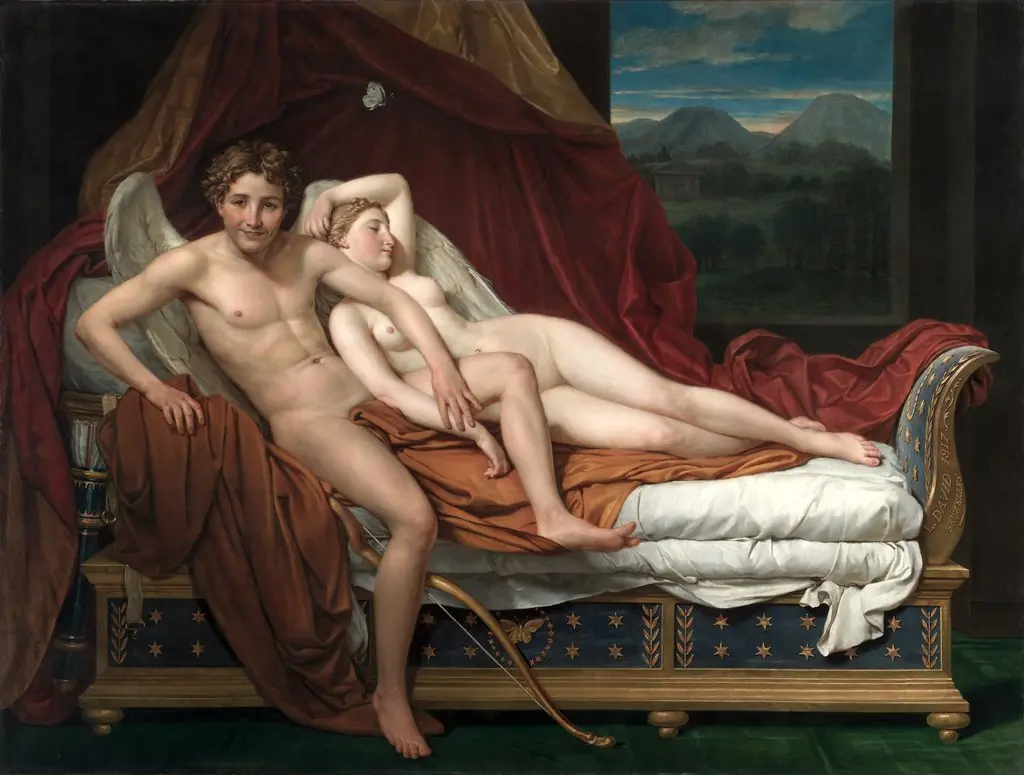 Cupid and Psyche
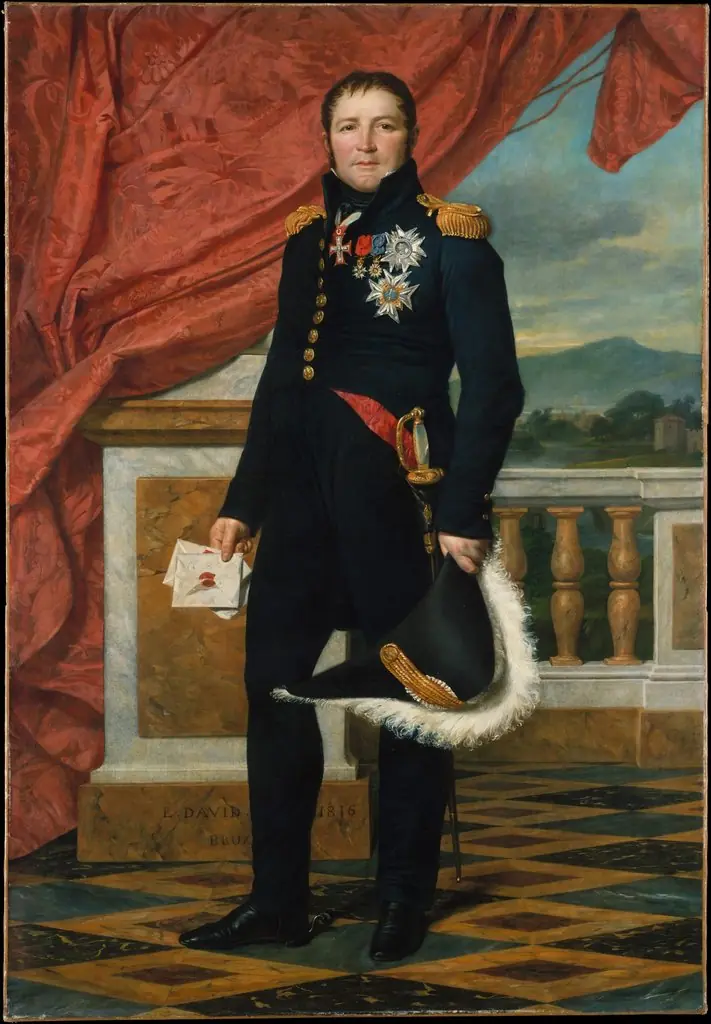 General Étienne-Maurice Gérard (1773–1852), Marshal of France
 The Distribution of the Eagle Standards
 Coronation of Emperor Napoleon I and Coronation of the Empress Josephine
 Warriors with Victims, and Other Classical Subjects
 The Obsequies of Agostino Carracci: Third Plate
![Sheet of Studies with the Drunken Pan and Nymphs [verso], by Jacob Jordaens](https://artifactworldgallery.com/img/jacob-jordaens--sheet-of-studies-with-the-drunken-pan-and-nymphs-verso--7da29549b59c490a-w320.webp) Sheet of Studies with the Drunken Pan and Nymphs [verso]
Sheet of Studies with the Drunken Pan and Nymphs [verso]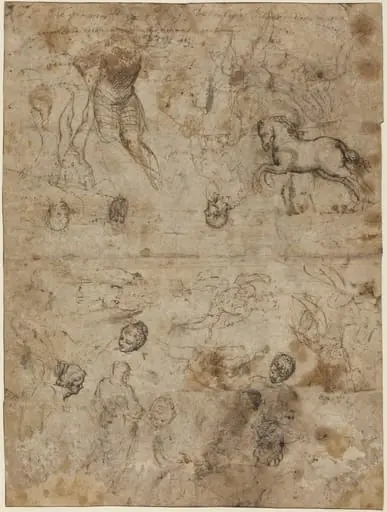 Sheet of Studies
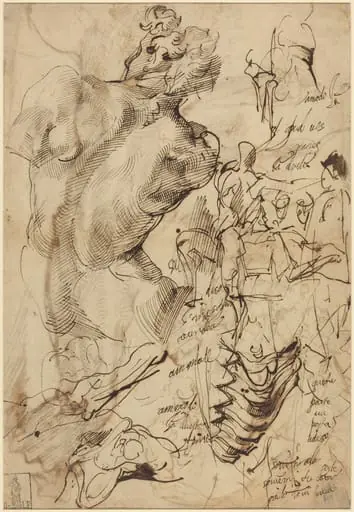 Studies of a Sculpture of a Male Nude, Vertebrae, and Gesturing Figures
![Design for a Book Illustration of Circe and Odysseus [recto], by Thomas Stothard](https://artifactworldgallery.com/img/thomas-stothard--design-for-a-book-illustration-of-circe-and-odysseus-recto--5bd59a6f73de4838-w320.webp) Design for a Book Illustration of Circe and Odysseus [recto]
Design for a Book Illustration of Circe and Odysseus [recto]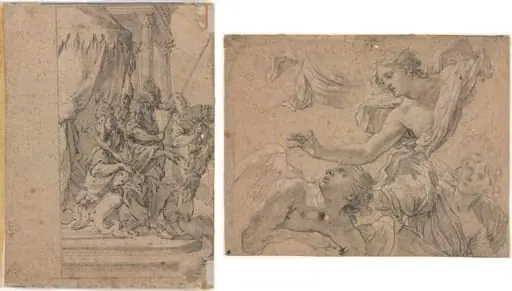 Studies of Angels (recto); Panthea before Cyrus? (verso)
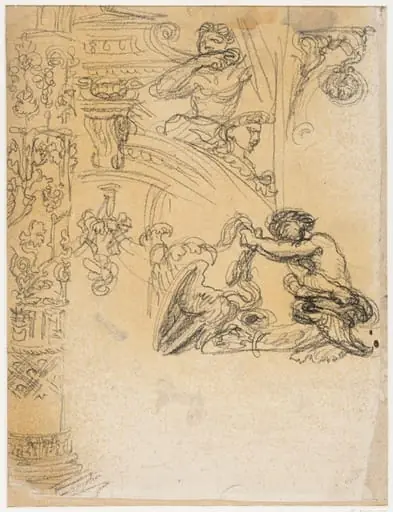 Studies by Alfred Stevens
![Sheet of Studies, including Warrior with Child [recto and verso], by John Flaxman](https://artifactworldgallery.com/img/john-flaxman--sheet-of-studies-including-warrior-with-child-recto-and-vers--5c5dd1ec083169b5-w320.webp) Sheet of Studies, including Warrior with Child [recto and verso]
Sheet of Studies, including Warrior with Child [recto and verso]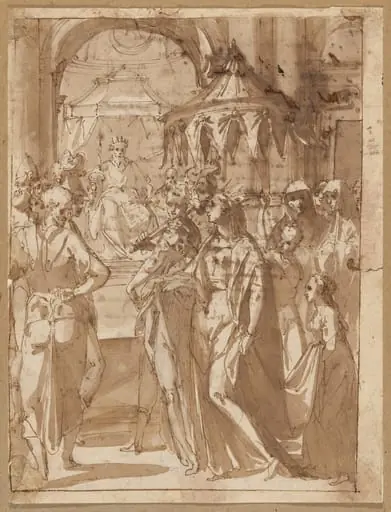 Esther before Ahasuerus
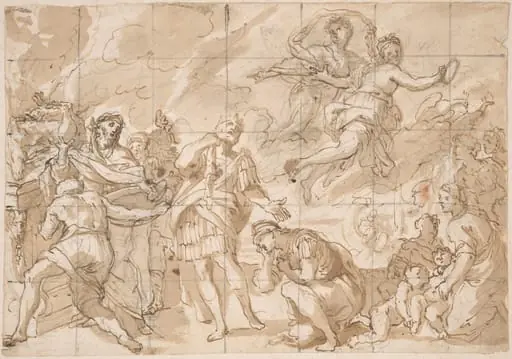 The Sacrifice of Iphigenia
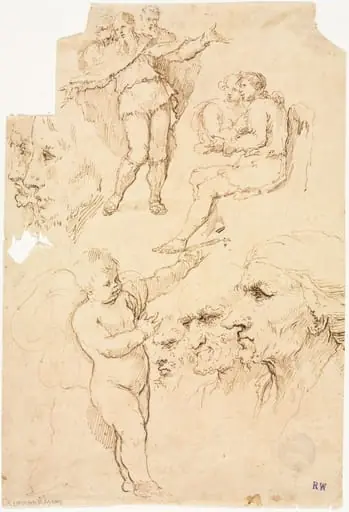 Sketches of Heads and Figures