Artwork
Henrietta Maria, Queen of Charles I
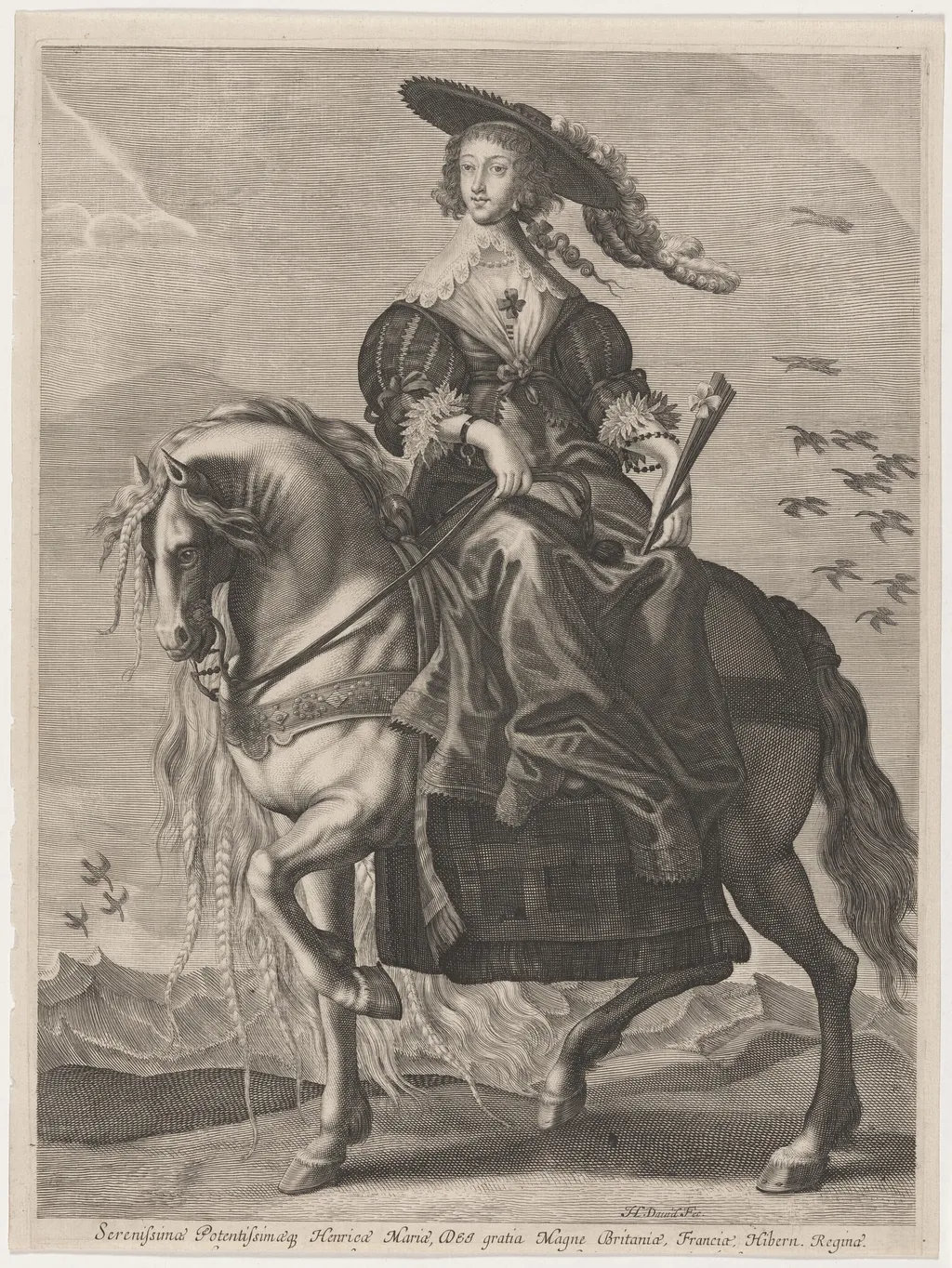
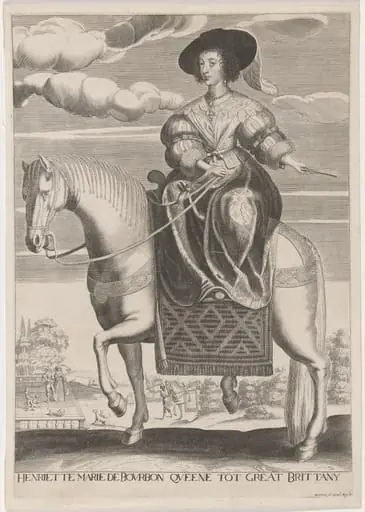
Henrietta Maria, Queen of Charles I is an ink print by the Baroque artist Jerome David. It dates from 1638 and is held in the collection of the National Gallery of Art.
About this work
Overview
An engraving from 1638 by Jerome David portrays Henrietta Maria, queen consort of England, mounted on a rearing horse. The work is a printed image, not a painting, and was produced using fine linear techniques typical of early 17th-century printmaking. It captures the queen in a ceremonial equestrian pose, emphasizing her status through symbolic attributes and controlled composition.
Subject & Meaning
The inclusion of birds in the distant sky may suggest divine favor or the expansive reach of her influence, reinforcing her role as a symbol of monarchy.
Henrietta Maria is depicted as a sovereign figure, not merely a royal consort. Her raised scepter and ornate feathered hat signify authority and regal dignity. The dynamic horse, mid-rear, conveys control and power, aligning her with classical equestrian portraits of rulers. The inclusion of birds in the distant sky may suggest divine favor or the expansive reach of her influence, reinforcing her role as a symbol of monarchy.
Technique & Style
David employed fine cross-hatching and precise line work to model form and texture, characteristic of engraved portraiture of the period. The contrast between the dark bodice and white collar enhances the queen’s silhouette, while the horse’s muscular contours are rendered with rhythmic, controlled strokes. The background remains minimal, directing focus to the figure and her symbolic paraphernalia.
History & Provenance
Created in 1638, the engraving was likely produced to circulate the queen’s image among courtiers and foreign dignitaries, reinforcing her public presence during a politically tense period. No definitive record of its original commission survives, but its existence aligns with the Stuart court’s use of prints to project royal imagery. It entered later collections as a specimen of royal iconography.
Context
In the years before the English Civil War, Henrietta Maria’s visibility in art served political aims, countering criticism of her Catholic faith and foreign origins. Equestrian portraits, traditionally reserved for male rulers, were adapted for her to assert legitimacy. David’s engraving reflects this effort, drawing on continental traditions while adapting them for an English audience.
Legacy
The engraving remains a rare surviving example of Henrietta Maria’s visual representation in print form during her lifetime. It contributes to scholarly understanding of how royal women were portrayed in early modern Britain, particularly through mediums accessible beyond court circles. Though not widely reproduced, it informs studies of gender, power, and print culture in Stuart England.
Artist & collection

 Henrietta Maria on Horseback
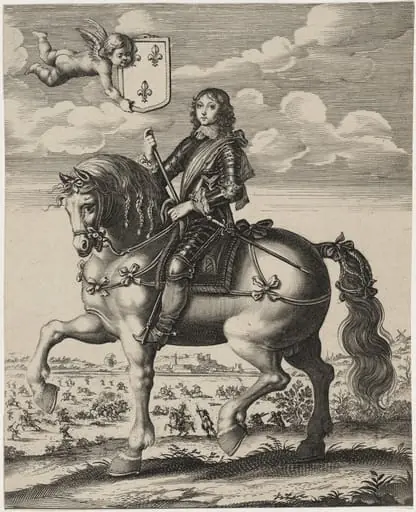 Philip, Duc d'Orléans, Brother of Louis XIV
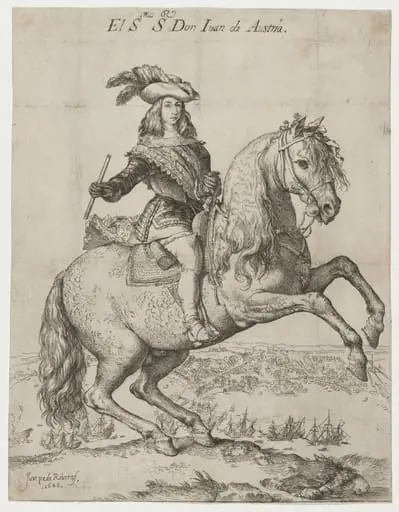 Equestrian Portrait of Don Juan de Austria
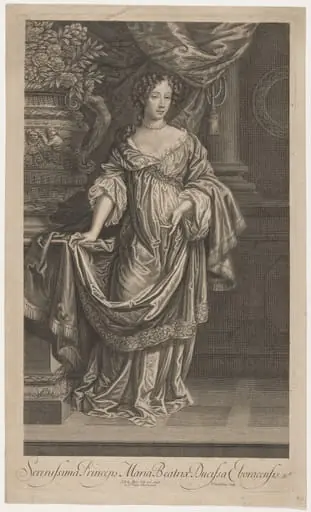 Mary of Modena, as Duchess of York
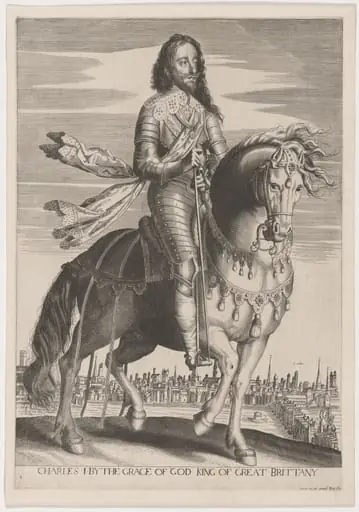 Charles I on Horseback
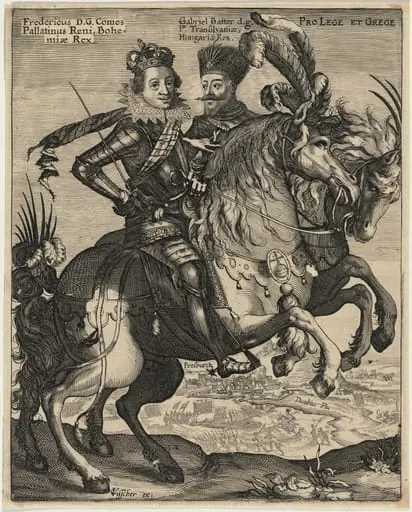 Frederick V, King of Bohemia and Gabriel II, Prince of Transylvania
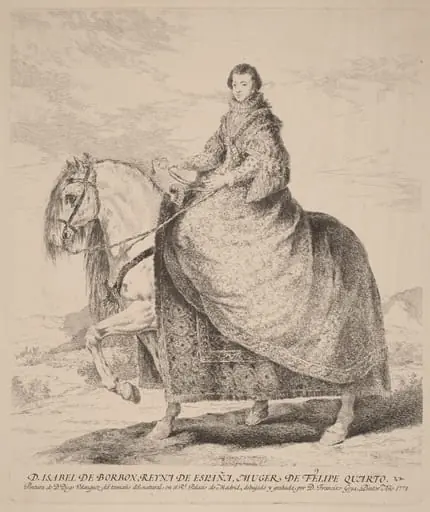 Isabel de Borbon
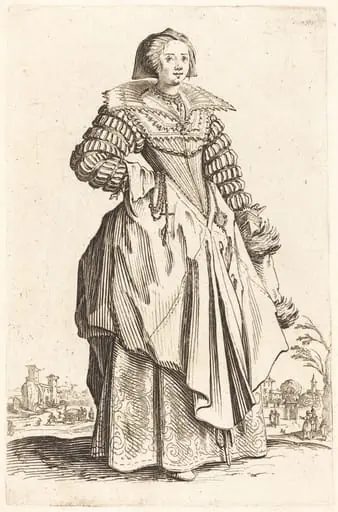 Noble Woman with Large Collar
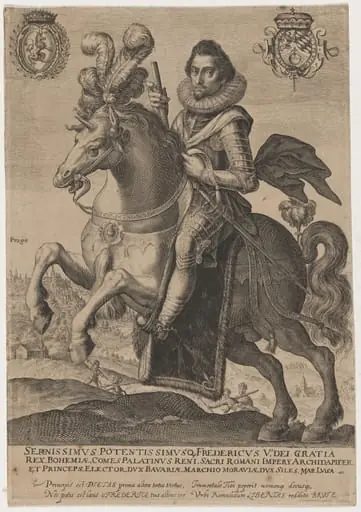 Frederick, King of Bohemia