Artwork
Allegori över hur konung Karl XI mottager regeringen av sin moder Hedvig Eleonora
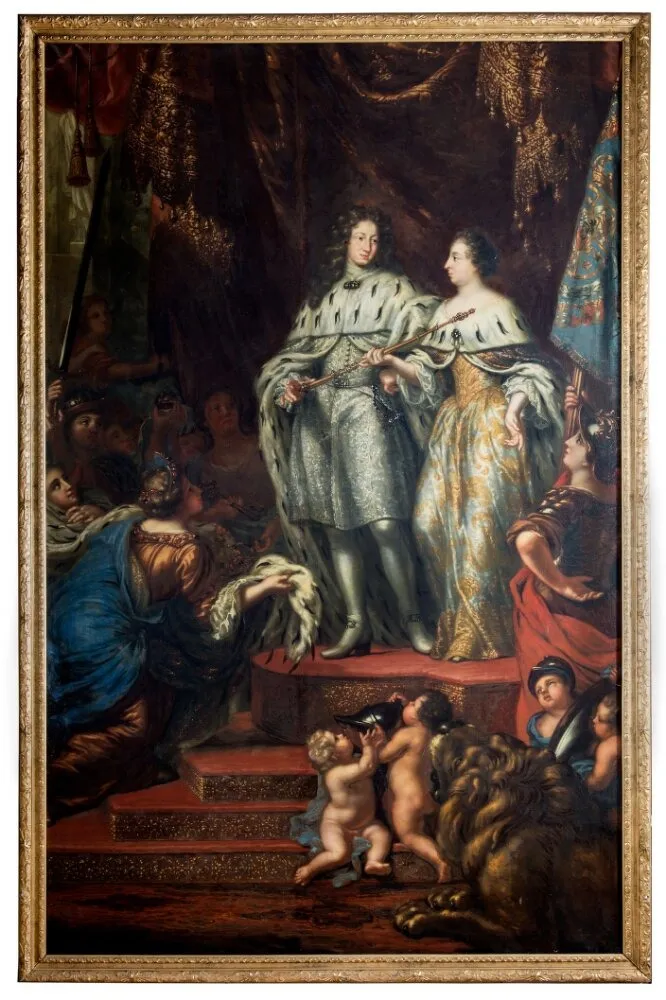
Allegori över hur konung Karl XI mottager regeringen av sin moder Hedvig Eleonora is an oil painting by the French Classical Baroque artist David Klöcker Ehrenstrahl. It dates from 1696 and is held in the collection of the Nationalmuseum.
About this work
Overview
David Klöcker Ehrenstrahl’s 1696 oil painting, titled *Allegori över hur konung Karl XI mottager regeringen av sin moder Hedvig Eleonora*, presents a formal allegorical scene. Executed in the late seventeenth‑century Swedish court style, the work is part of the Nationalmuseum’s collection and illustrates a ceremonial transfer of authority between the monarch and his mother.
Subject & Meaning
The composition centers on King Charles XI, robed in silver and holding a scepter, receiving a symbolic emblem of power from his mother, Hedvig Eleonora of Holstein‑Gottorp, who is dressed in gold. The surrounding figures, kneeling or standing in period costume, underscore the gravity of the moment, while two cherubic figures interacting with a lion add a mythic layer to the political narrative.
Technique & Style
Ehrenstrahl employs a restrained palette of dark background tones contrasted with luminous garments, creating a chiaroscuro effect that highlights the central figures. The brushwork is smooth and precise, typical of courtly portraiture, while the inclusion of allegorical elements such as cherubs reflects the Baroque fascination with merging history and symbolism.
History & Provenance
Completed in 1696, the painting was likely commissioned to commemorate Charles XI’s assumption of full royal authority under his mother’s guidance. It entered the Nationalmuseum’s holdings as part of the museum’s core collection of Swedish Baroque art, where it remains on display.
Context
The work belongs to a broader tradition of Swedish royal propaganda that emphasized dynastic continuity and divine right. By portraying the queen‑mother as the conduit of power, the painting reinforces the legitimacy of Charles XI’s reign during a period of consolidation after the wars of the late 1600s.
Artist & collection
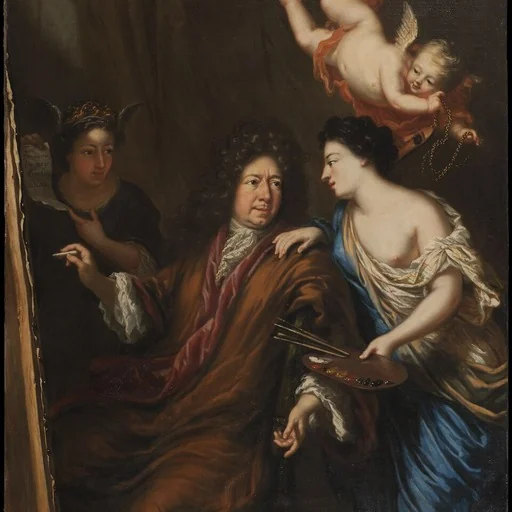
Artist
David Klöcker Ehrenstrahl (1628–1698) was an artist, born in Hamburg.

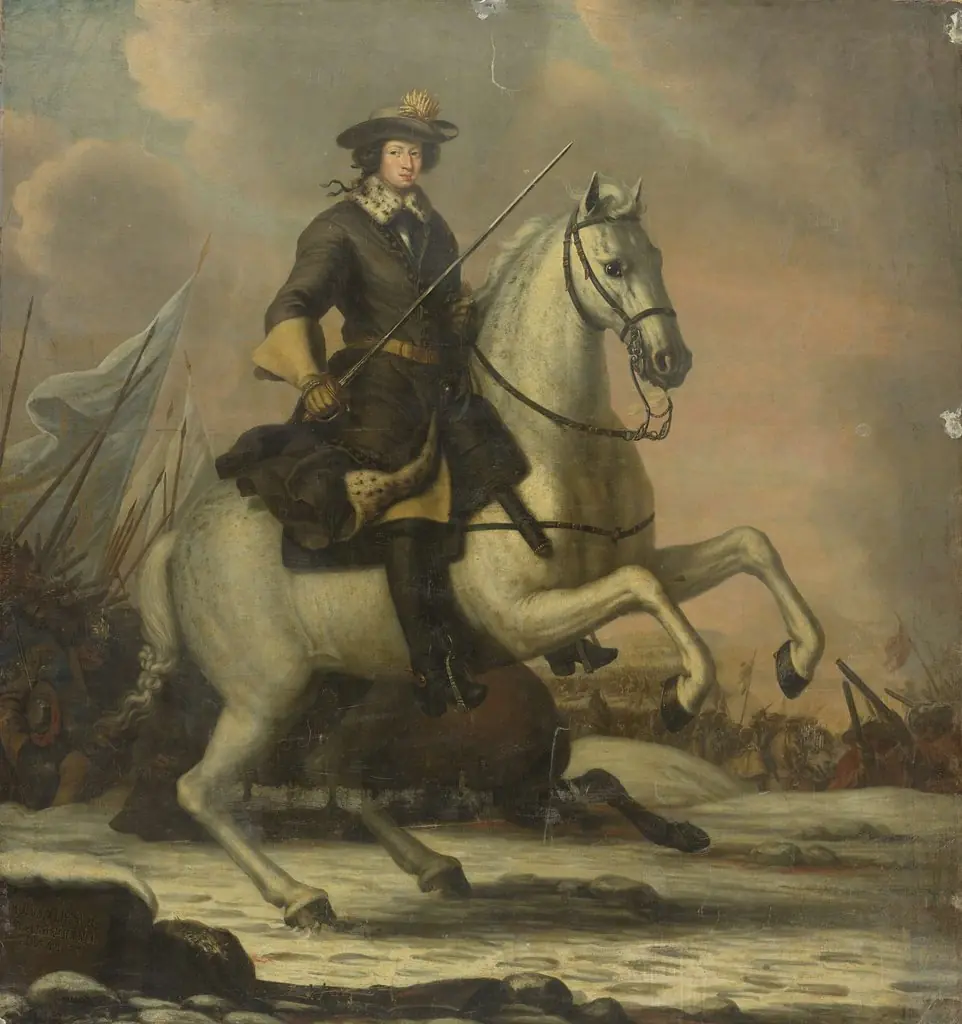 Karl XI (1665-1697), king of Sweden
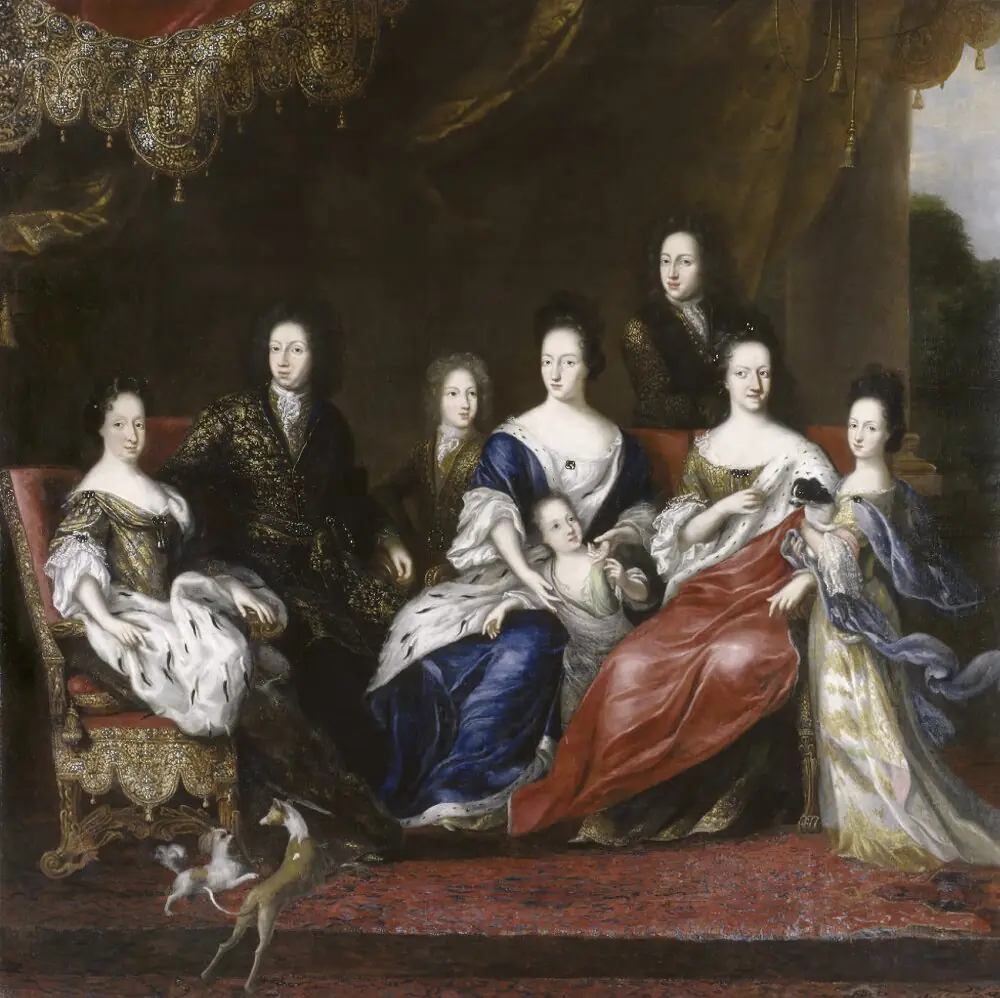 Karl XI konung av Sverige med familj
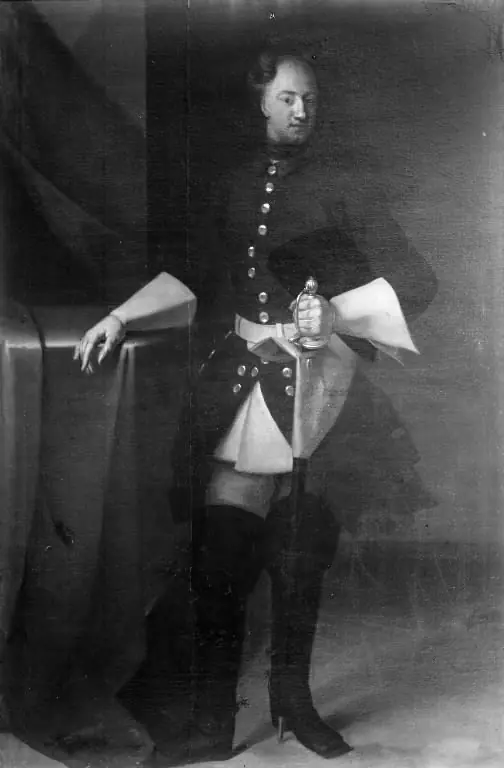 Portrait of Carl XII of Sweden
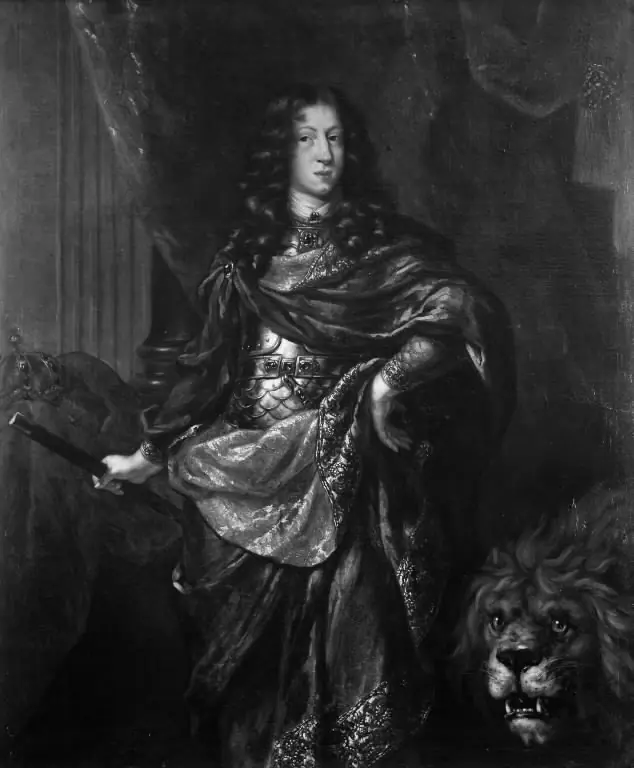 Portrait of Carl XI
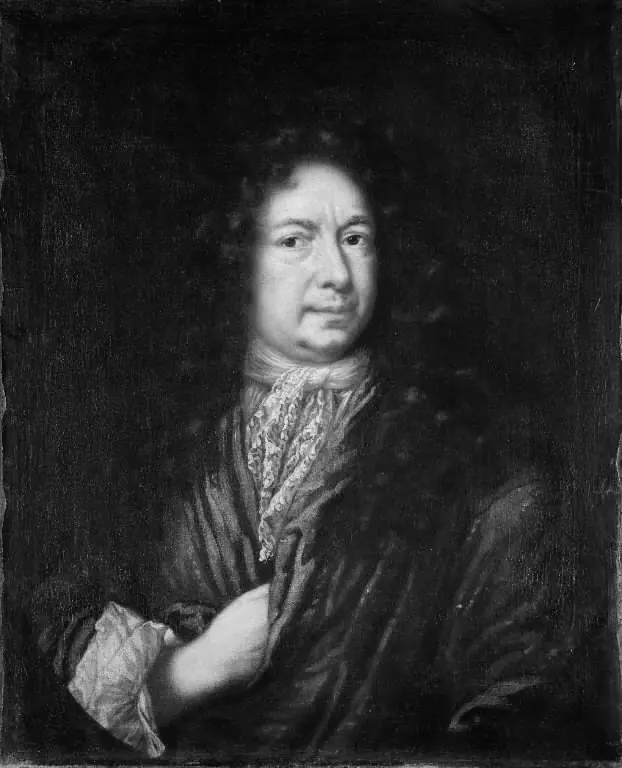 Portrait of the Artist
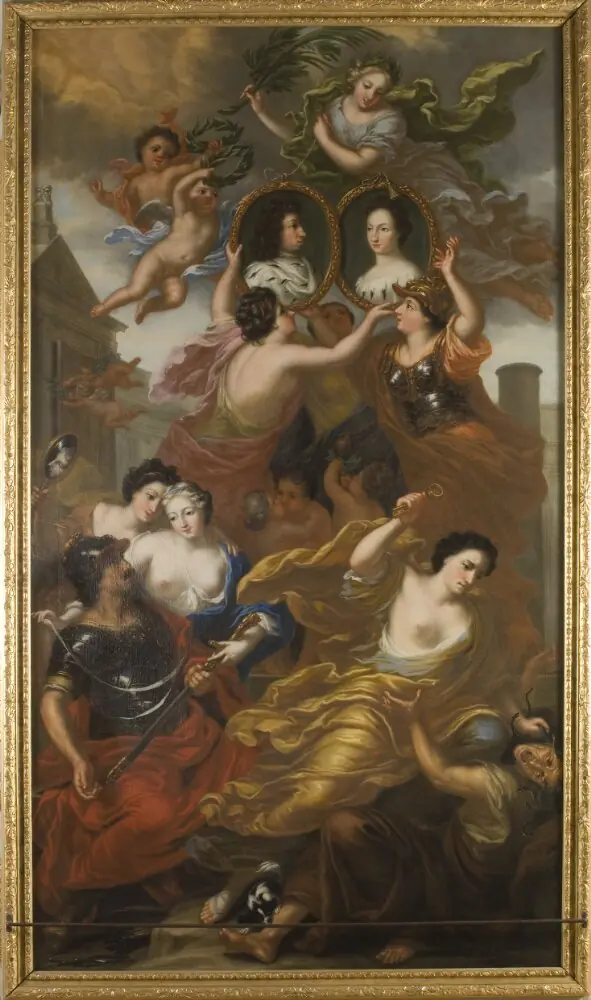 Allegori över konung Karl XI:s och drottning Ulrika Eleonoras förening
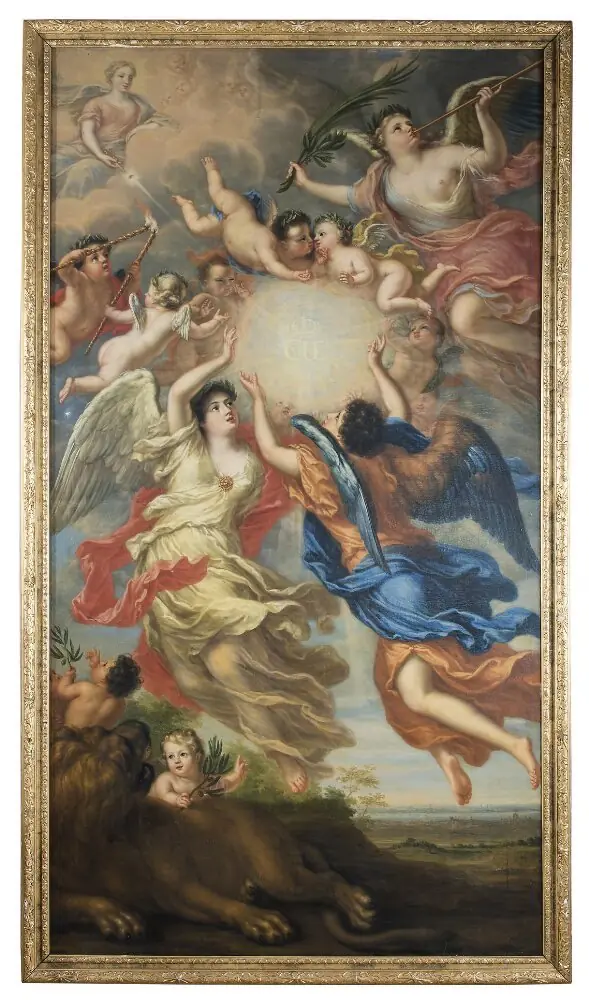 Allegori över konung Karl XI:s och drottning Ulrika Eleonoras förmälning
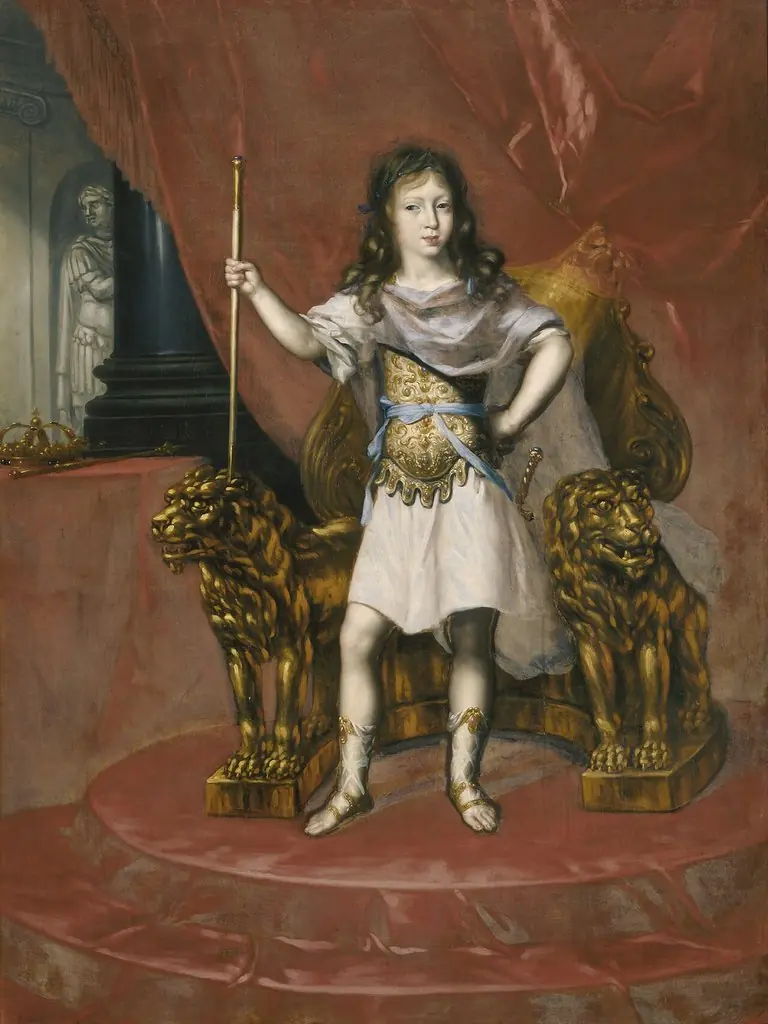 Karl XI, 1655-1697, konung av Sverige pfalzgreve av Zweibrücken
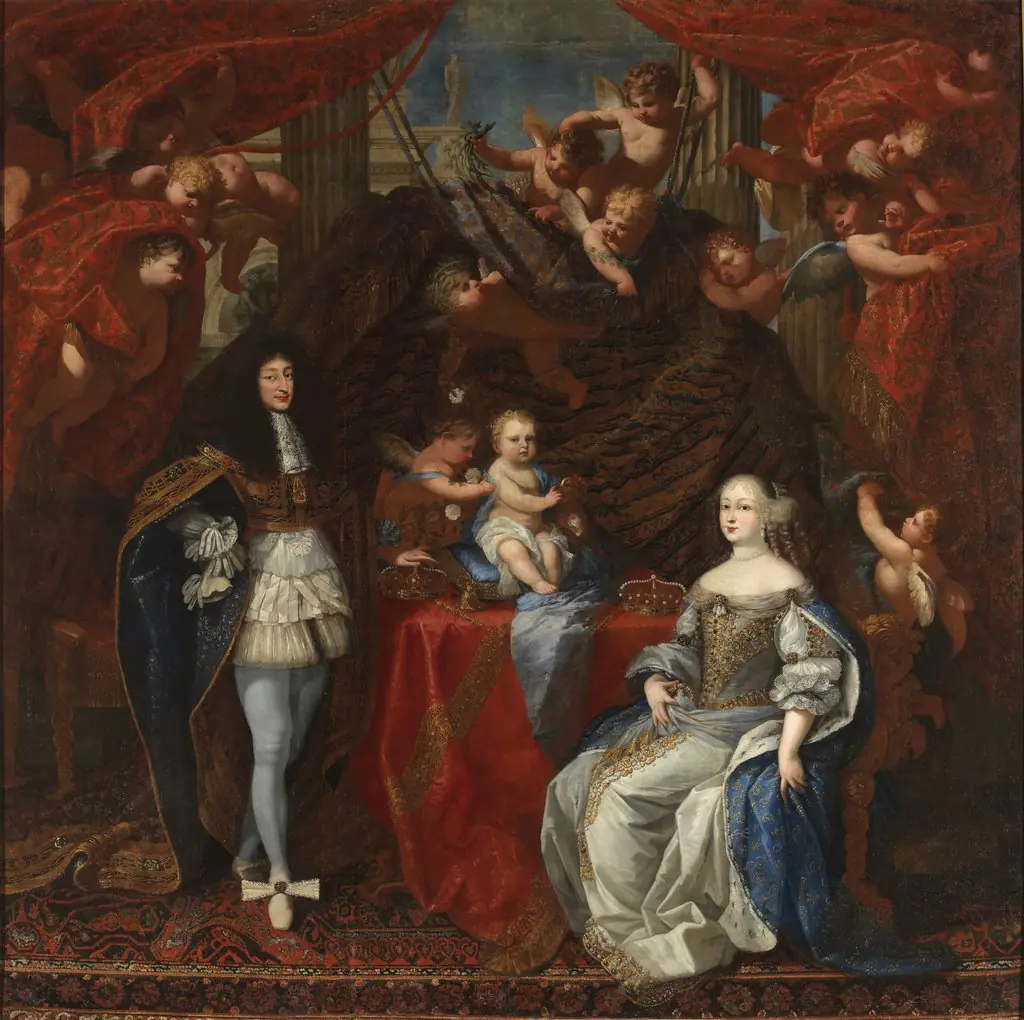 Charles Emmanuel II, Duke of Savoy, and his family
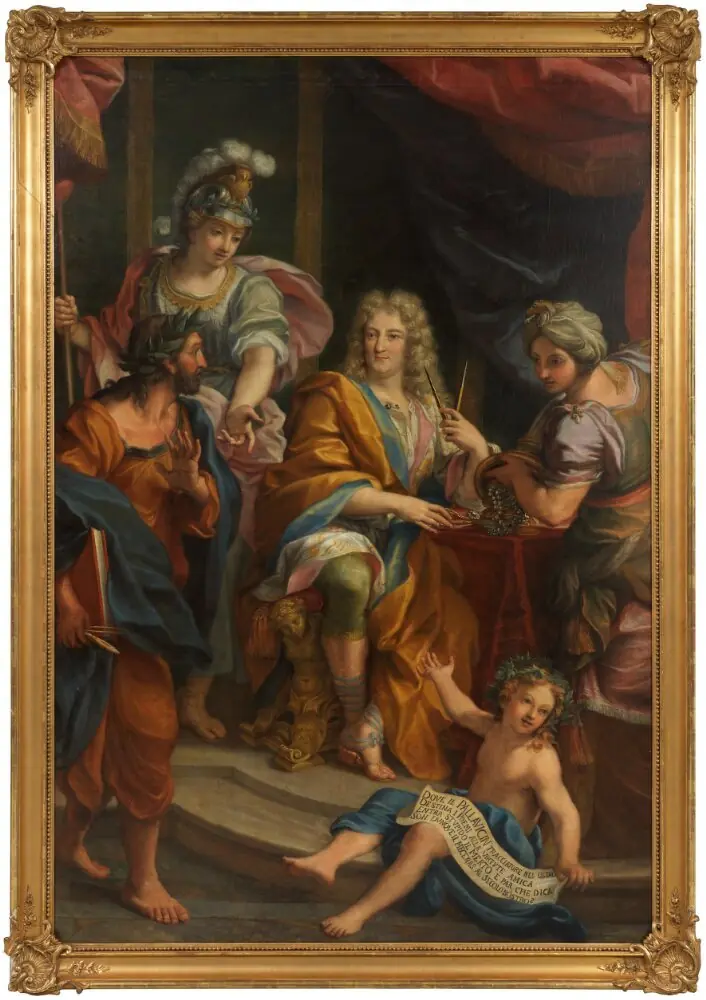 Allegorical portrait of Marchese Niccolò Maria Pallavicini (1650-1714)
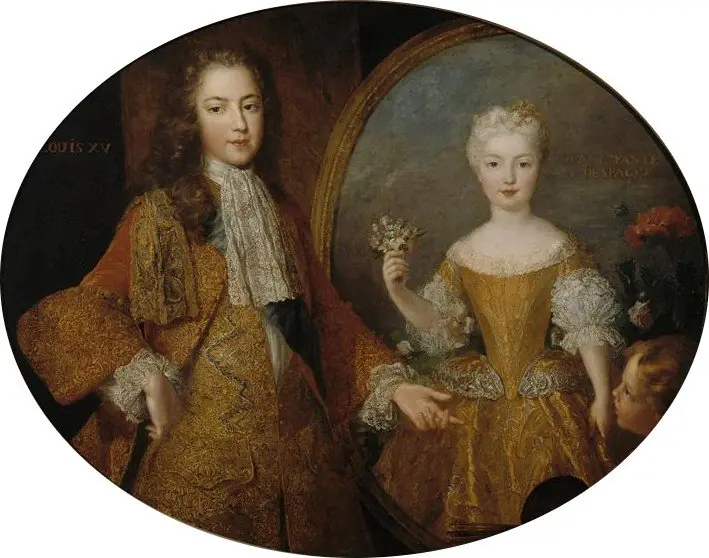 Louis XV and the Infanta Marie-Anne-Victoire
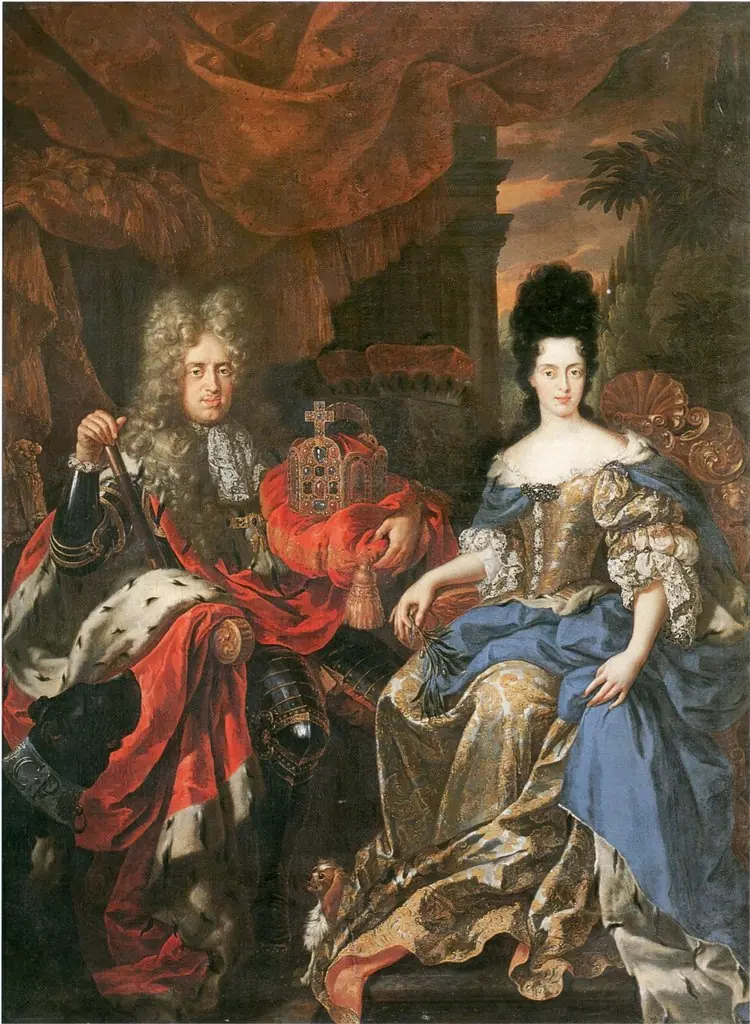 Double portrait of Johann Wilhelm von der Pfalz and Anna Maria Luisa de' Medici
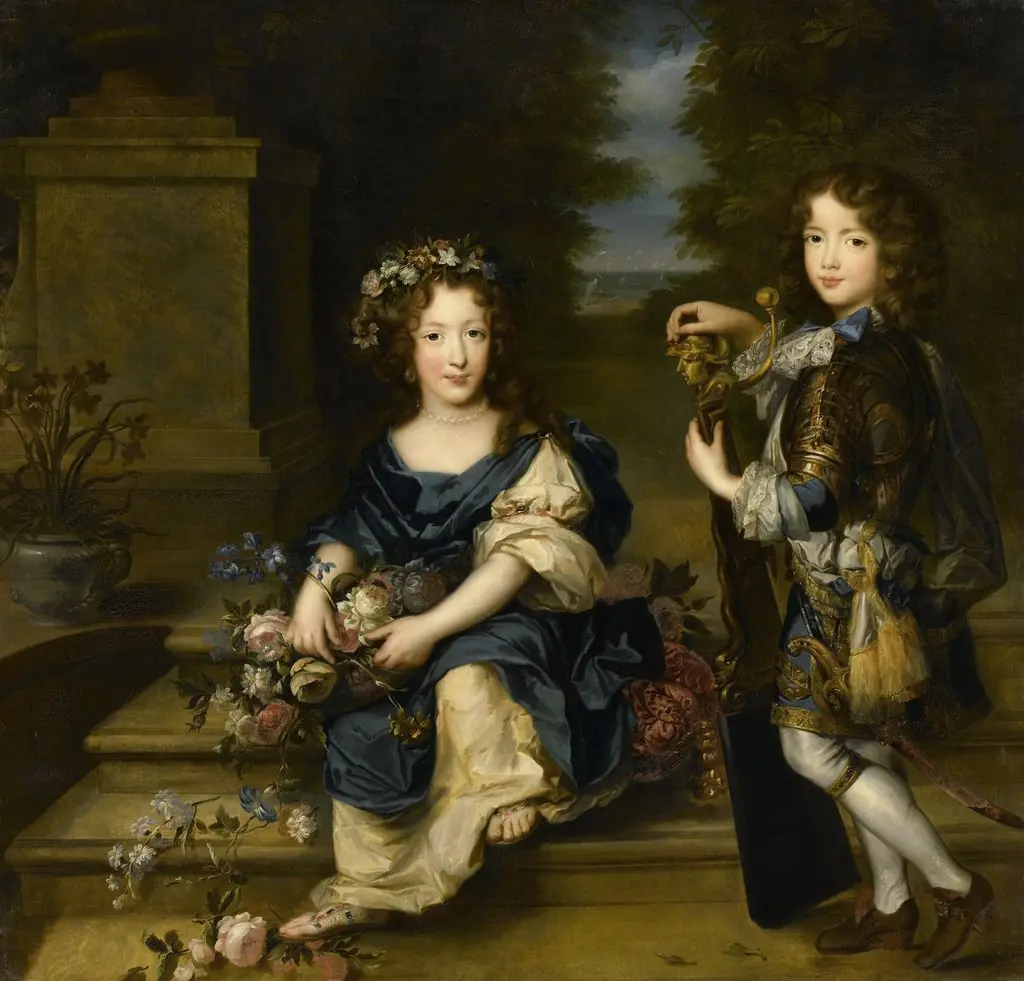 Anne-Marie de Bourbon, future princess of Conti and Louis de Bourbon, count of Vermandois
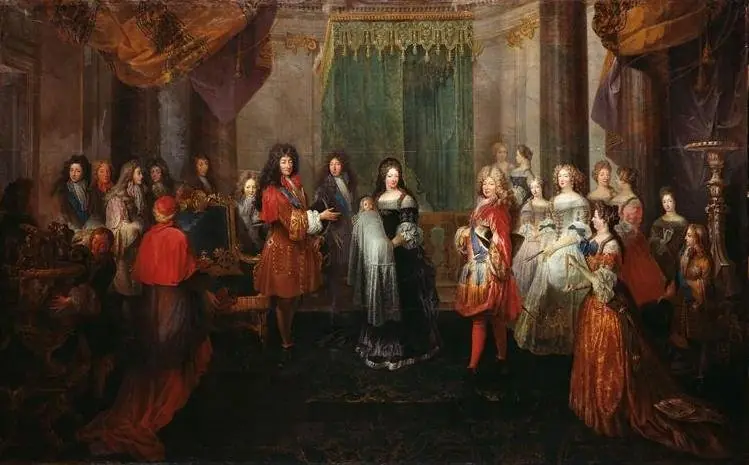 The Birth of the Duke of Burgundy
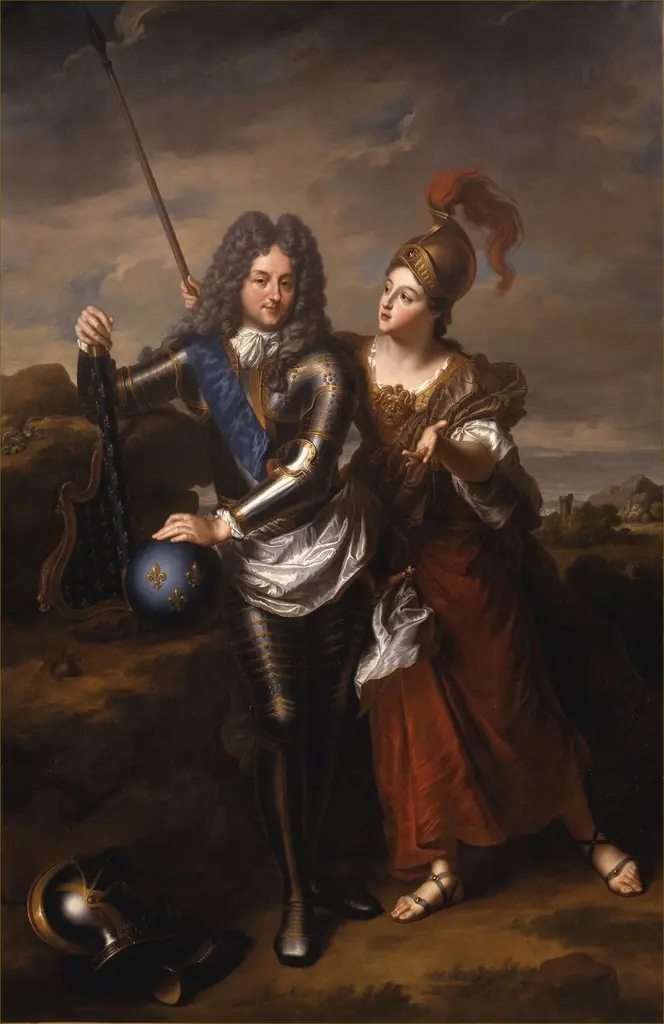 Philippe II d'Orleans, Regent of France and Madame de Parabere as Minerva
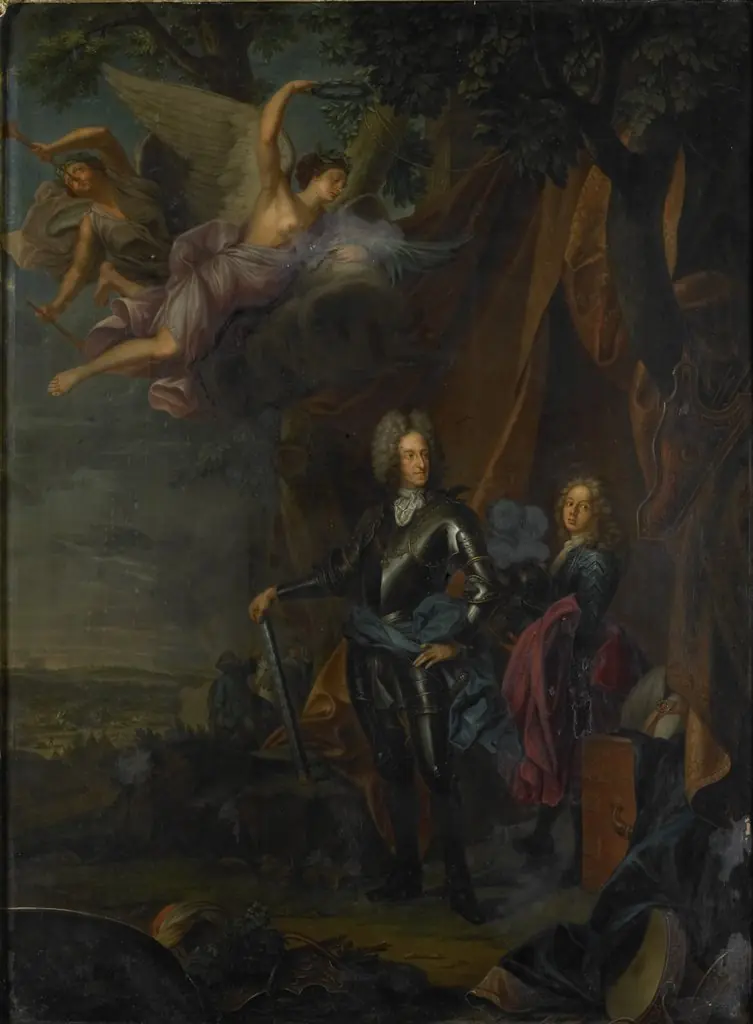 Portrait of Maximilian II, Elector of Bavaria, at the Battle of Mohács against the Turks
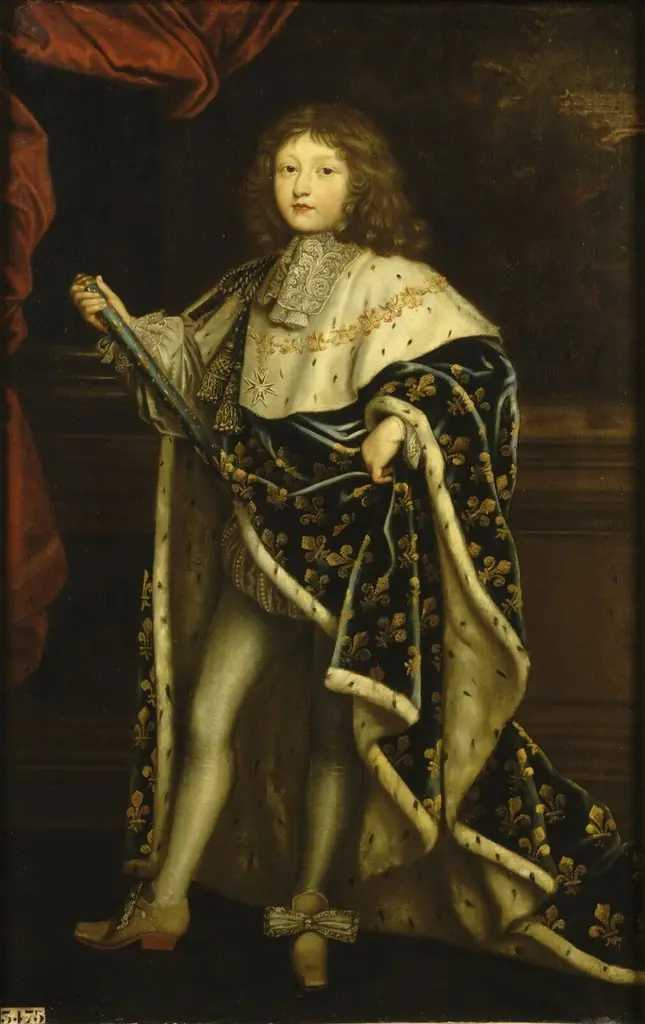 Louis XIV child in Coronation Robes
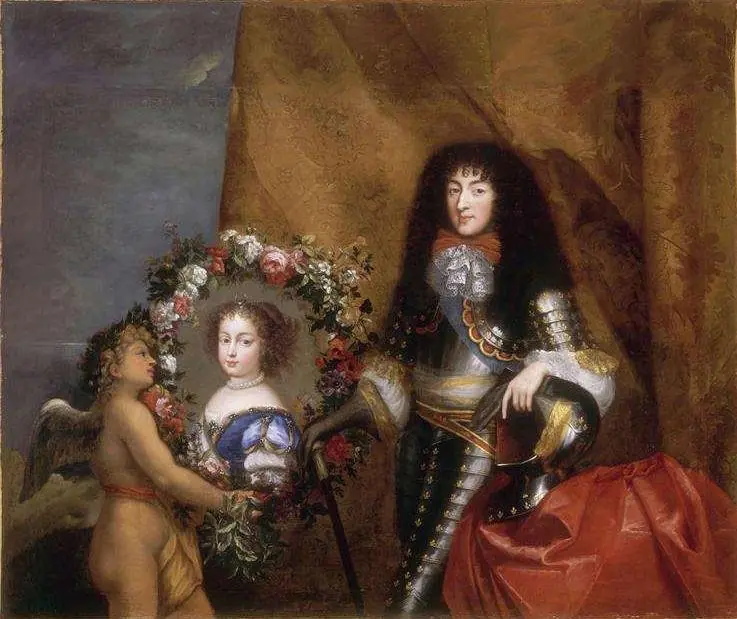 Philippe d'Orléans auprès du portrait de sa fille Marie-Louise d'Orléans, future reine d'Espagne, en Diane