Artwork
Karl XI, 1655-1697, konung av Sverige pfalzgreve av Zweibrücken
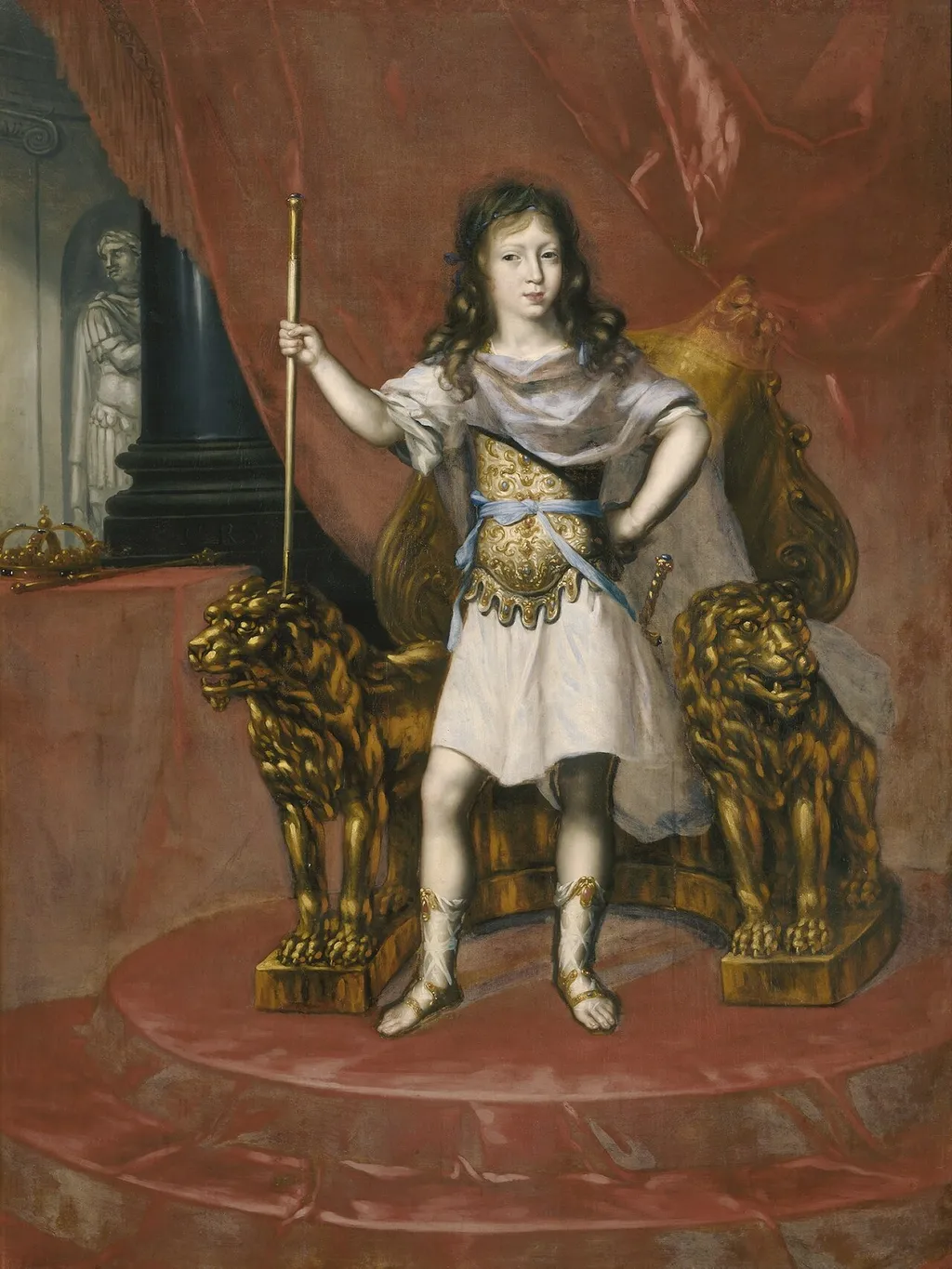
Karl XI, 1655-1697, konung av Sverige pfalzgreve av Zweibrücken is an oil painting by the Dutch Golden Age artist David Klöcker Ehrenstrahl. It dates from 1690 and is held in the collection of the Nationalmuseum.
About this work
Overview
Painted in 1690 by David Klöcker Ehrenstrahl, this oil portrait captures Charles XI of Sweden during his reign as monarch and Count Palatine of Zweibrücken.
Painted in 1690 by David Klöcker Ehrenstrahl, this oil portrait captures Charles XI of Sweden during his reign as monarch and Count Palatine of Zweibrücken. Executed with formal precision, the work belongs to the Nationalmuseum in Stockholm. It presents the king as a youthful sovereign, rendered in ceremonial attire against a richly draped backdrop, emphasizing his authority through symbolic elements and controlled composition.
Subject & Meaning
Charles XI, depicted as a boy-king, is shown in the full regalia of monarchy: gold armor, scepter, and ornate sandals. The lions flanking him symbolize strength and royal lineage, while the red curtain and classical column evoke permanence and imperial tradition. His poised stance—hand on hip, gaze direct—conveys composure and inherited power, reinforcing his legitimacy despite his youth at the time of coronation.
Technique & Style
Ehrenstrahl employs chiaroscuro to model the king’s form, isolating him against a darkened background with focused illumination. The textures of armor, fabric, and fur are rendered with meticulous detail, contrasting with the looser brushwork of the drapery. The composition is symmetrical and hierarchical, typical of court portraiture, where every element serves to elevate the subject’s status through visual order and controlled symbolism.
History & Provenance
Commissioned during Charles XI’s reign, the portrait was likely intended for public display to reinforce royal authority. It entered the Nationalmuseum’s collection in the 19th century as part of Sweden’s effort to consolidate its national artistic heritage. Its preservation reflects its role as a key document of 17th-century Swedish state imagery, documenting how monarchy was visually constructed in the era.
Context
Painted during Sweden’s era as a major European power, the portrait aligns with broader trends in Northern European court art, where rulers were depicted as timeless, almost mythic figures. The inclusion of classical motifs and heraldic animals mirrors contemporary practices in France and the Holy Roman Empire, underscoring Sweden’s aspiration to be seen as a legitimate heir to imperial traditions.
Legacy
The portrait remains a defining image of Charles XI, frequently reproduced in historical texts and state publications. It exemplifies how Swedish royalty used visual culture to project stability and continuity. While not widely known outside Scandinavia, it holds enduring significance within Sweden’s national visual archive as a carefully constructed representation of sovereign identity.
Own this work as a print
Artist & collection
Artist
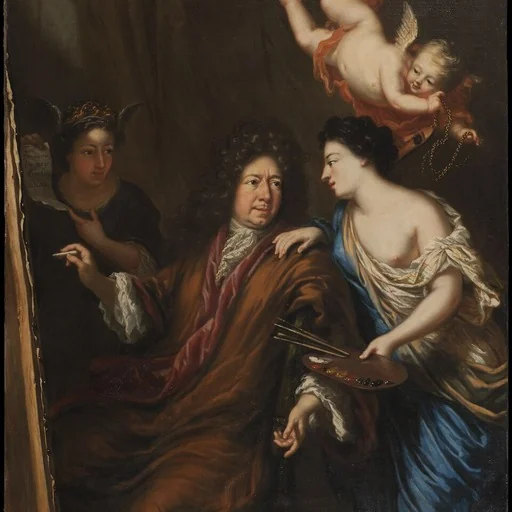
David Klöcker Ehrenstrahl (1628–1698) was an artist, born in Hamburg.

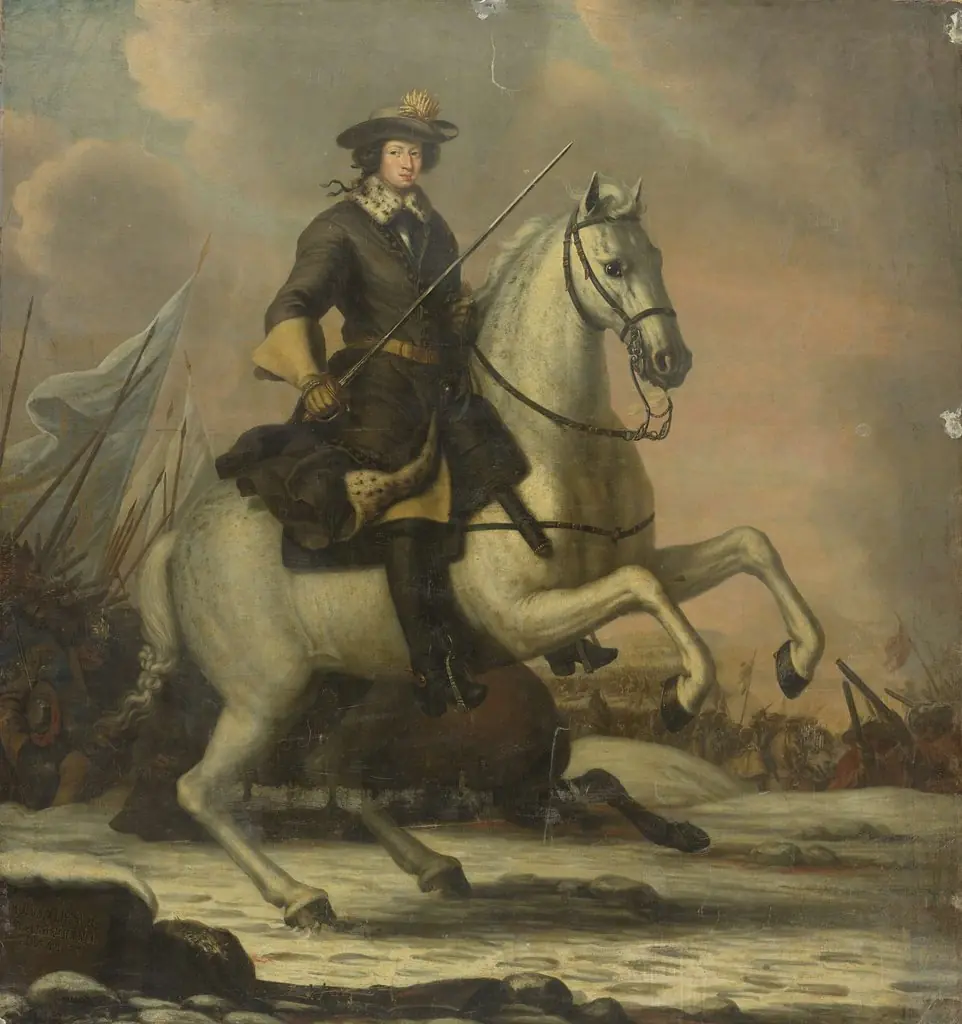 Karl XI (1665-1697), king of Sweden
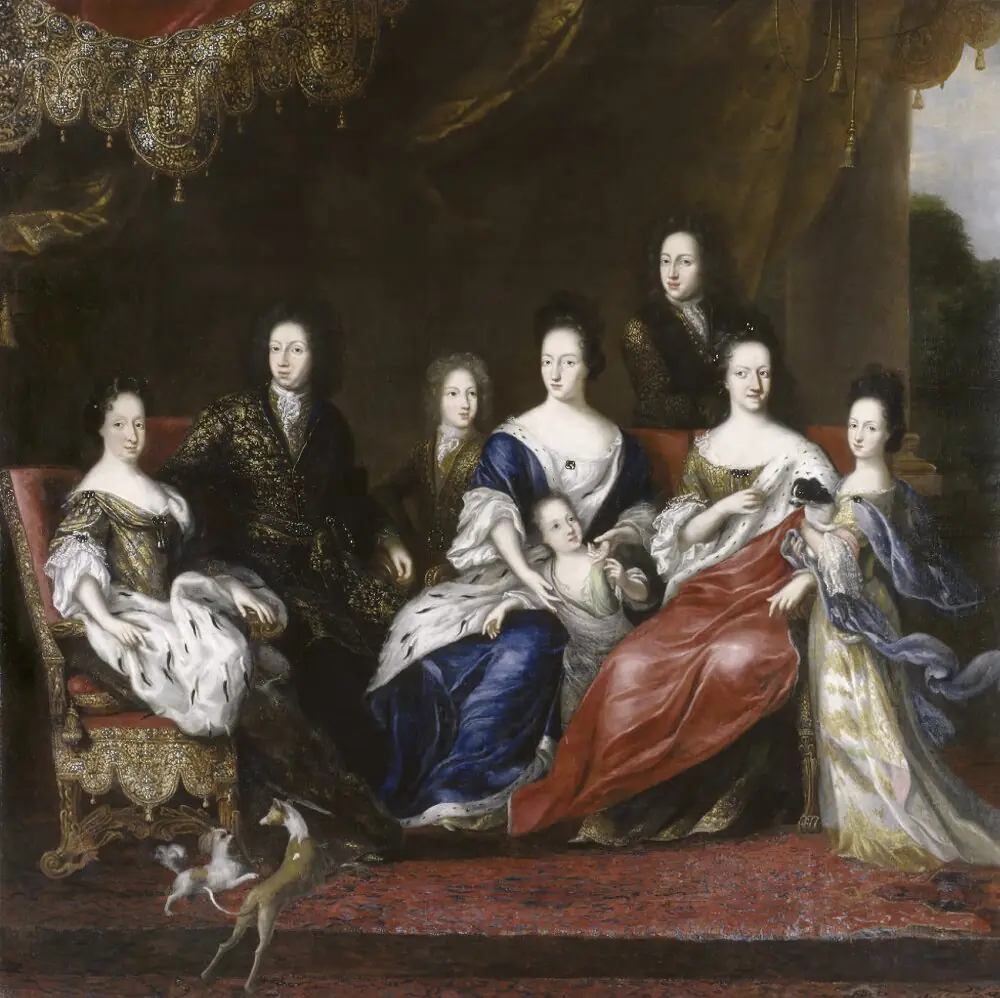 Karl XI konung av Sverige med familj
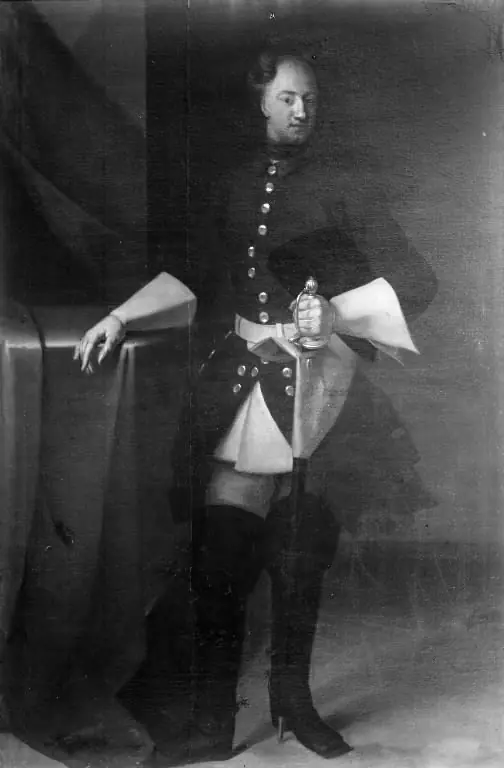 Portrait of Carl XII of Sweden
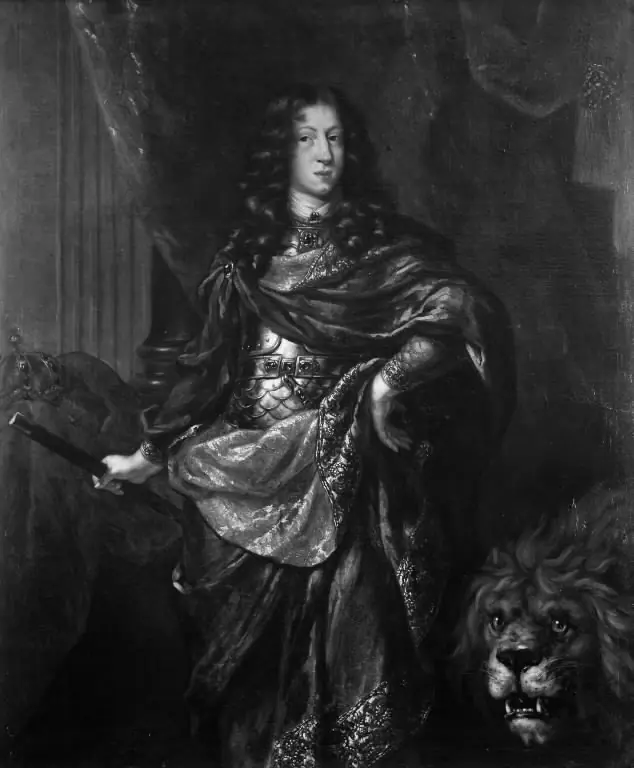 Portrait of Carl XI
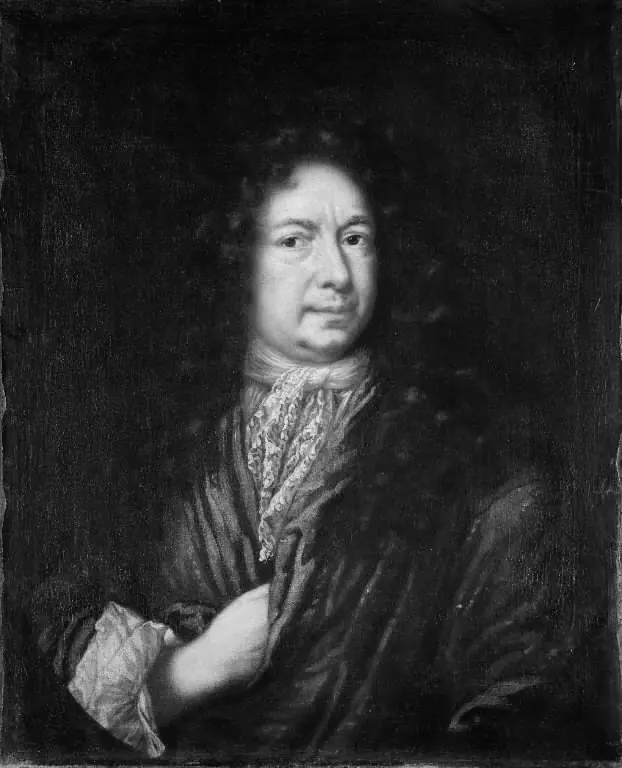 Portrait of the Artist
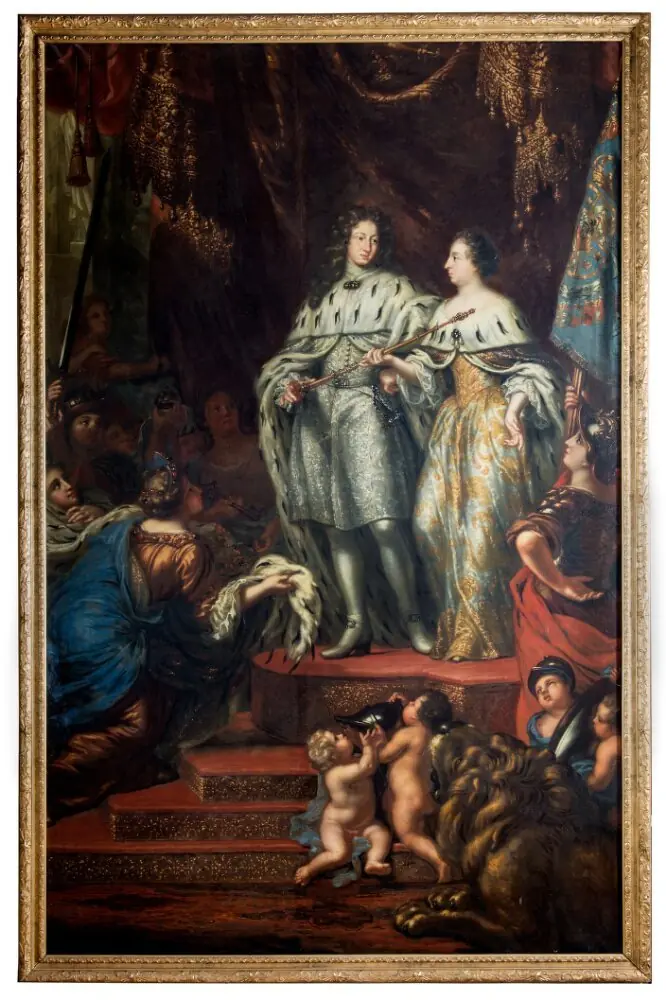 Allegori över hur konung Karl XI mottager regeringen av sin moder Hedvig Eleonora
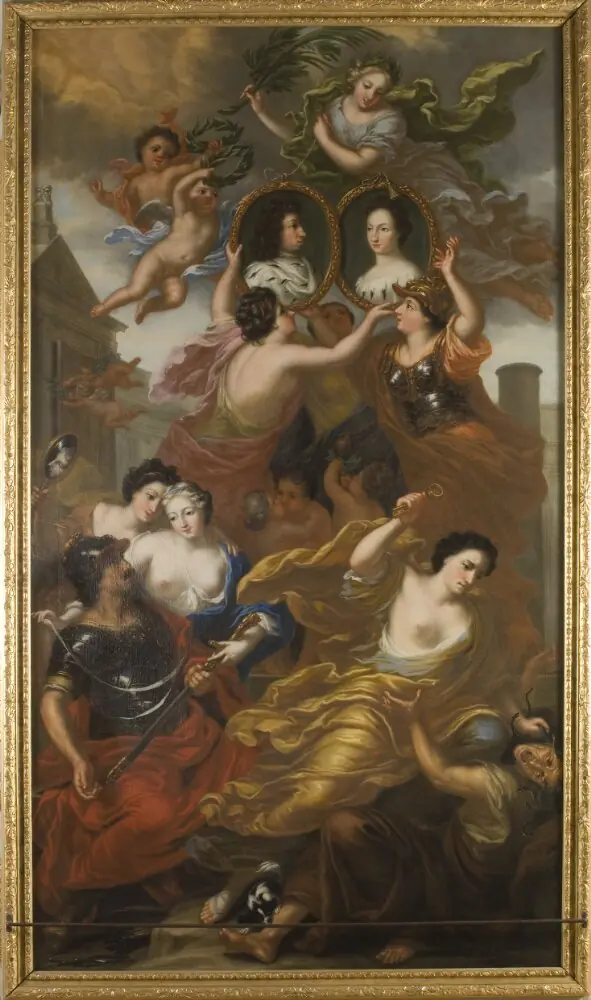 Allegori över konung Karl XI:s och drottning Ulrika Eleonoras förening
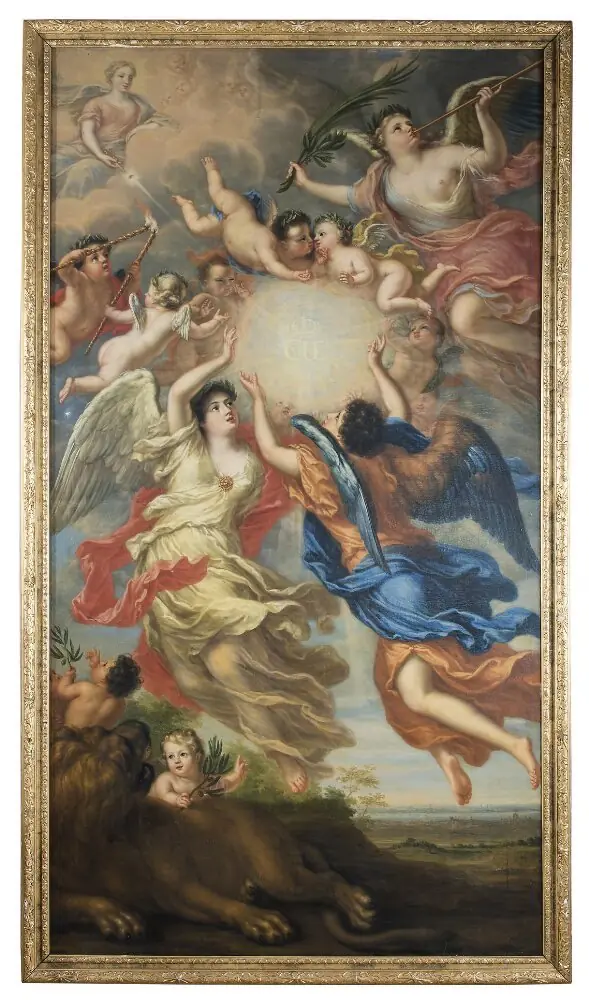 Allegori över konung Karl XI:s och drottning Ulrika Eleonoras förmälning
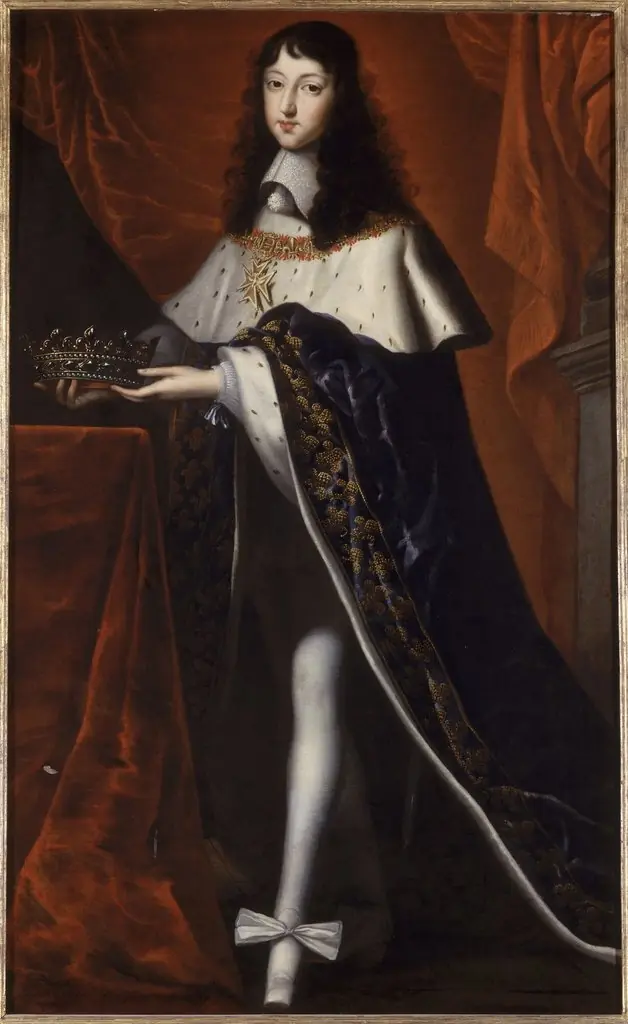 Philippe of France, Duke of Orleans
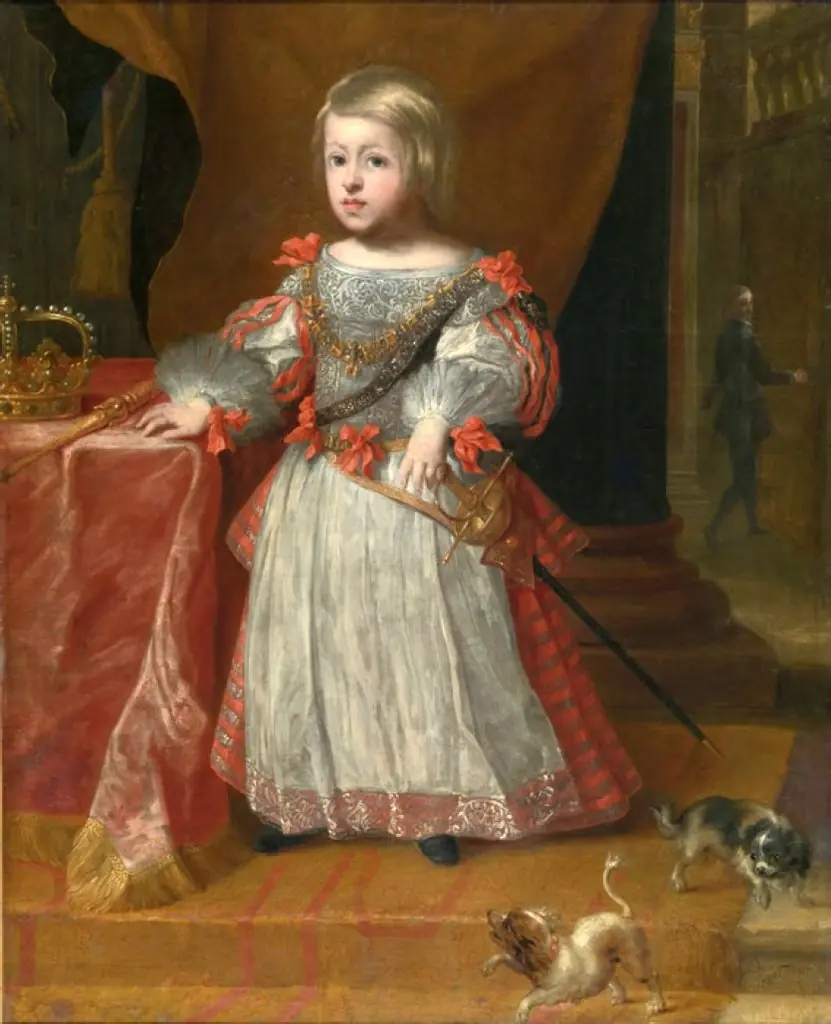 Childhood portrait of Charles II of Spain
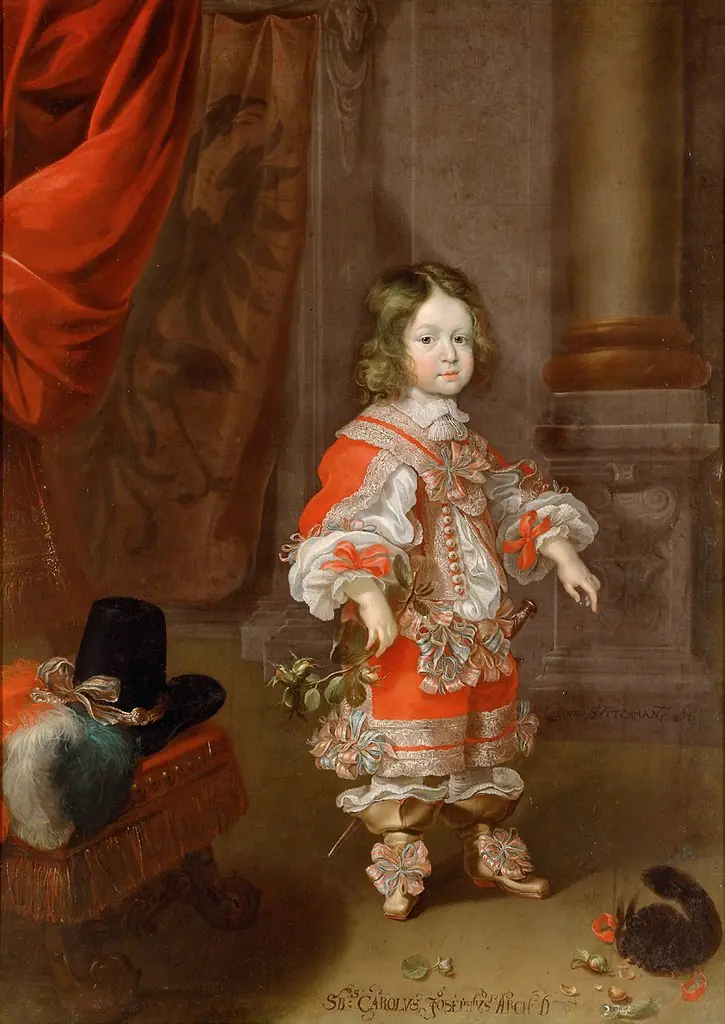 Erzherzog Karl Joseph (1649-1664) mit Eichhörnchen, im Alter von vier bis fünf Jahren
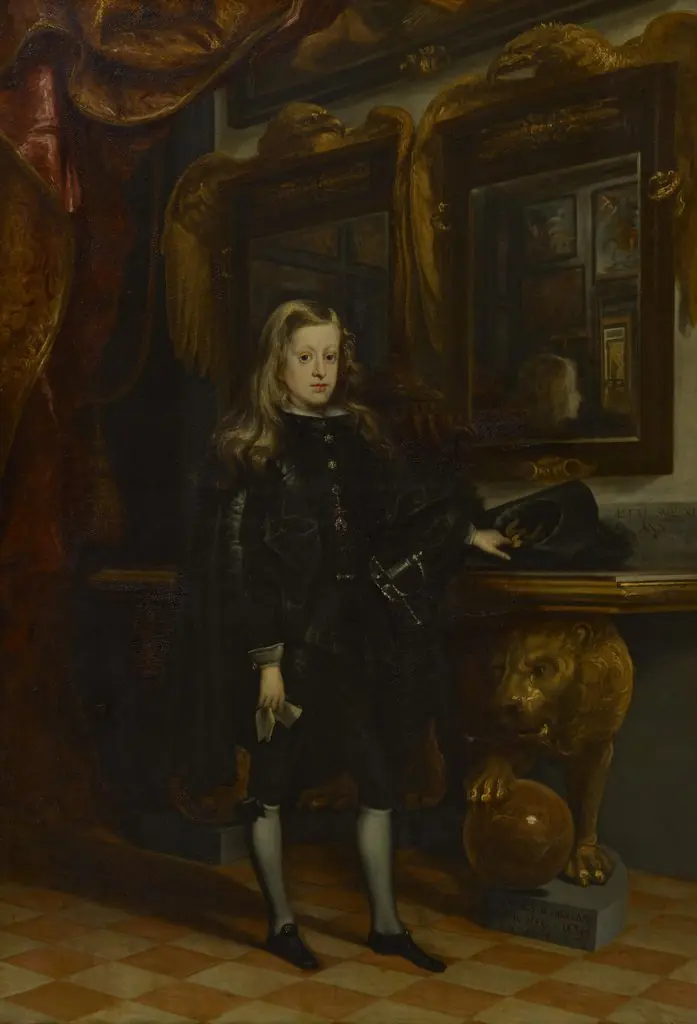 King Charles II. of Spain (1661-1700) as a Twelve-Year-Old
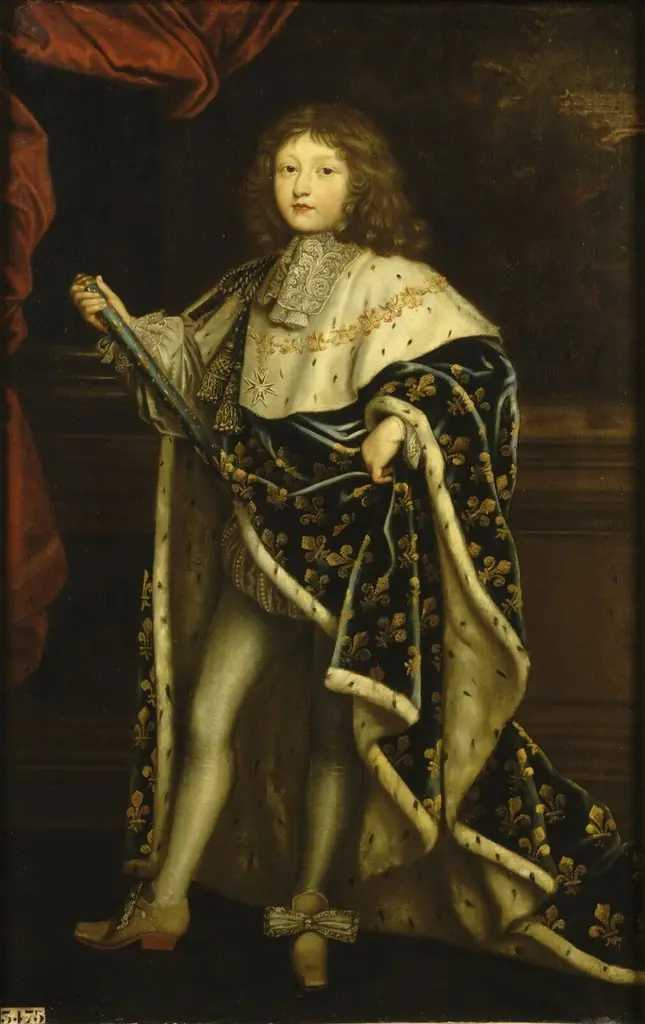 Louis XIV child in Coronation Robes
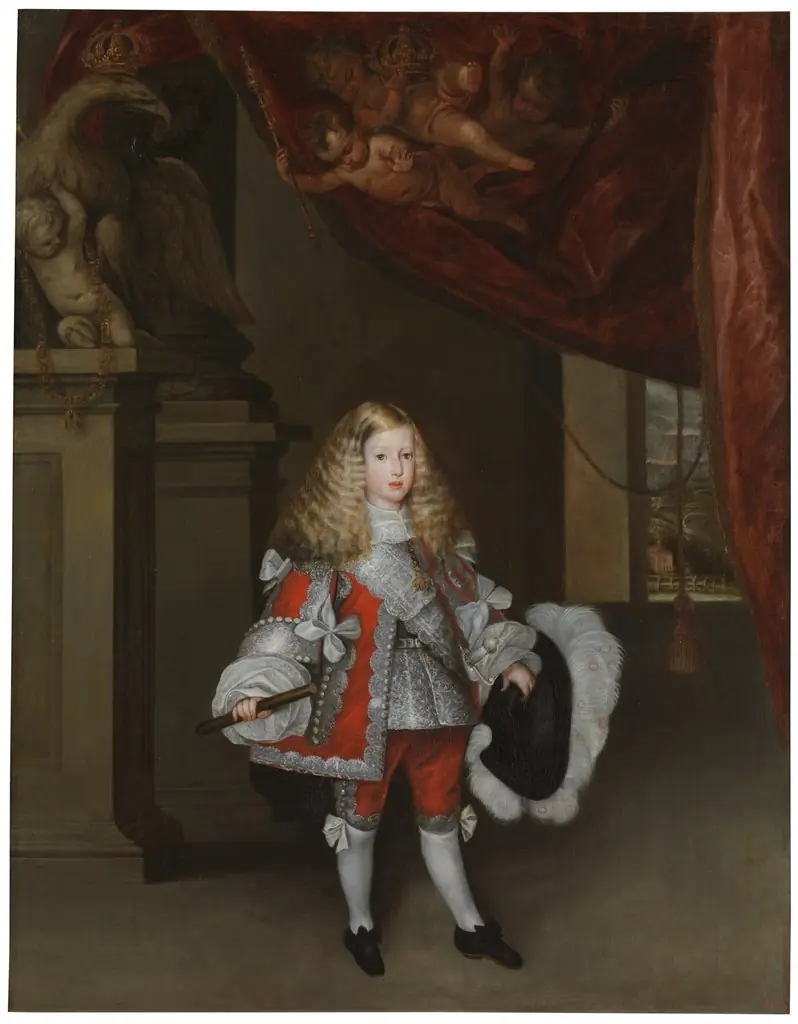 Charles II as a Child
 Portrait of Infante Balthasar Carlos
 Portrait of Don Alonso Verdugo de Albornoz
 King Louis XIV (1638-1715) of France
 Charles II as a child