Artwork
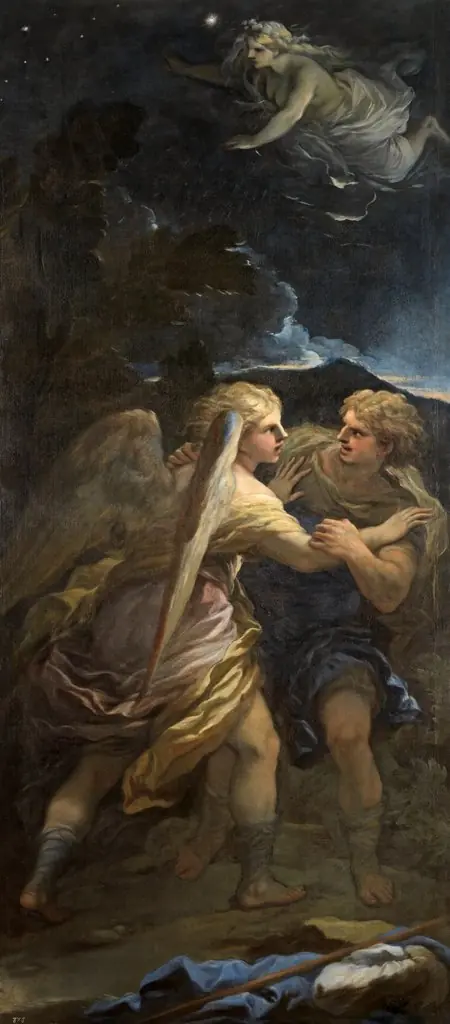
Konung Karl XI:s skyddsängel. Allegori
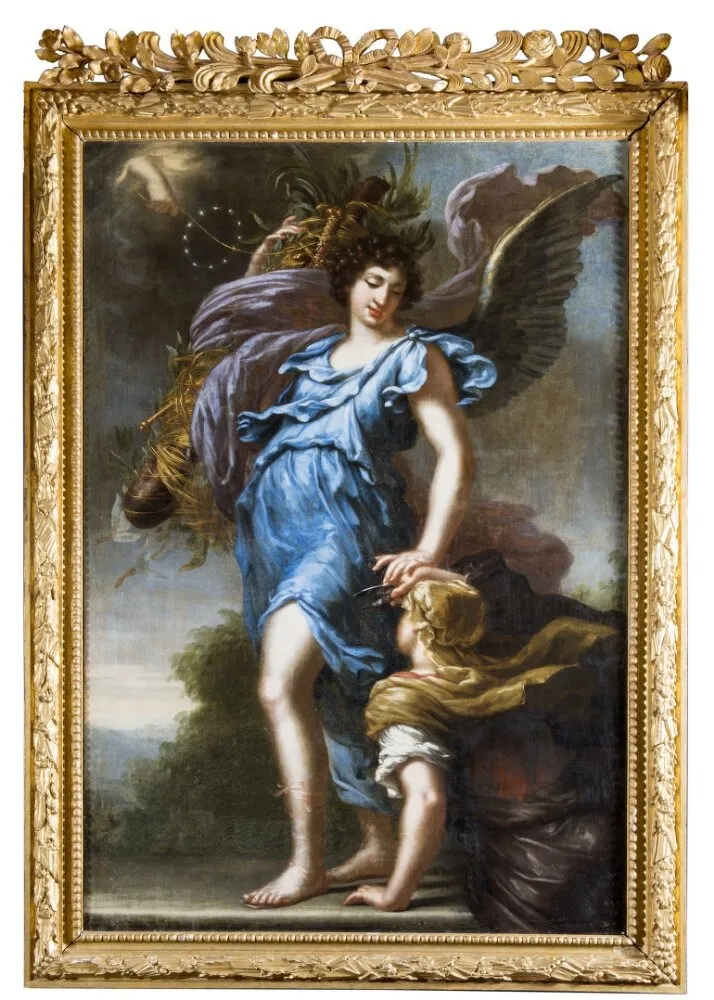
Konung Karl XI:s skyddsängel. Allegori is an oil painting by the Flemish Baroque painting artist David Klöcker Ehrenstrahl. It dates from 1668 and is held in the collection of the Nationalmuseum.
About this work
Overview
Painted in 1668 by David Klöcker Ehrenstrahl, this oil work is an allegorical portrait commissioned to honor King Charles XI of Sweden. It presents a symbolic vision rather than a literal likeness, blending royal iconography with mythological elements. The painting resides in the Nationalmuseum in Stockholm, where it remains a key example of 17th-century Swedish court art.
Subject & Meaning
The central figure, a winged woman crowned with foliage, represents divine protection, likely embodying the concept of Sweden’s guardian angel.
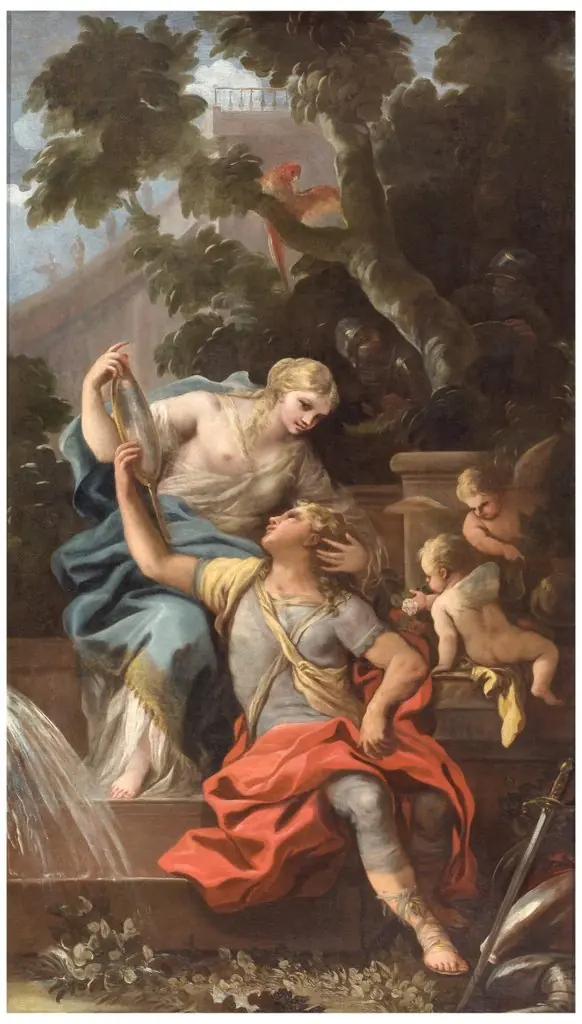
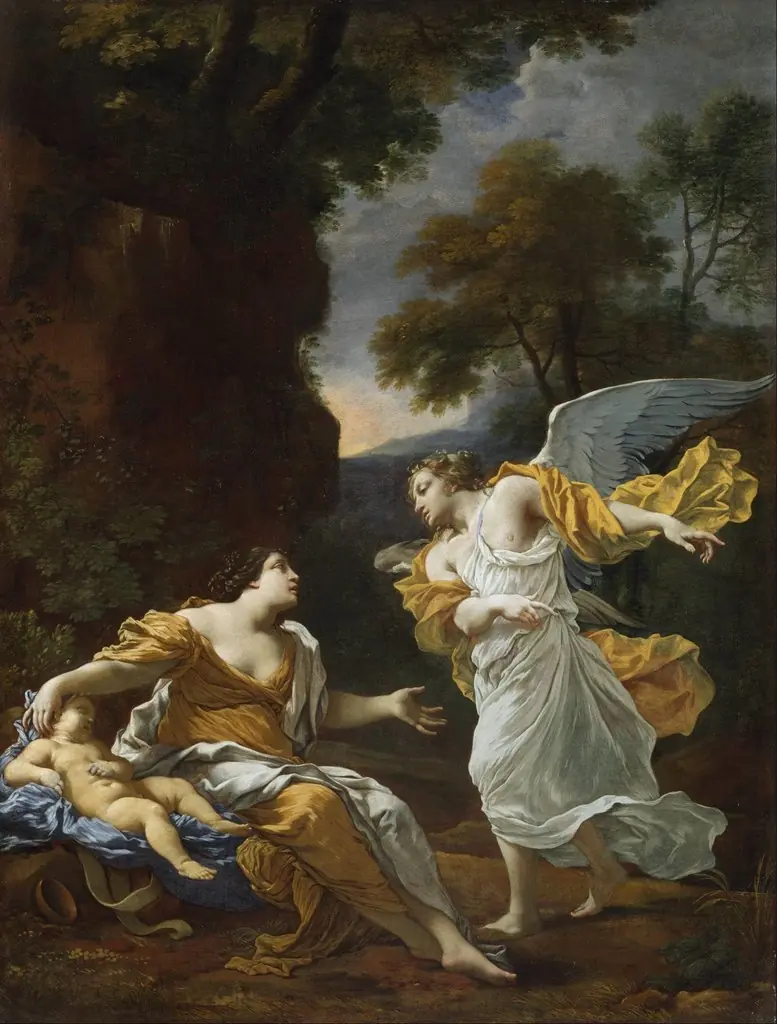
The central figure, a winged woman crowned with foliage, represents divine protection, likely embodying the concept of Sweden’s guardian angel. She offers a wreath to a child dressed in royal white and gold, symbolizing the young King Charles XI. The imagery conveys the idea of heavenly favor guiding the monarch’s reign, reinforcing the legitimacy and sacred duty of the monarchy during a period of political consolidation.
Technique & Style
Ehrenstrahl employs rich, saturated colors to distinguish the allegorical figures from the subdued landscape background. The woman’s blue gown and purple cape are rendered with careful attention to fabric texture, while the child’s garments gleam with metallic highlights. The composition is formal and balanced, reflecting Baroque ideals of grandeur and order, with soft atmospheric perspective enhancing the ethereal quality of the scene.
History & Provenance
Commissioned shortly after Charles XI’s accession, the painting was intended for royal display, possibly in a palace or ceremonial space. It entered the Nationalmuseum’s collection in the 19th century, following the reorganization of Sweden’s royal art holdings. Its preservation reflects its enduring significance as a state-sponsored allegory tied to the early years of the king’s rule.
Context
Created during Sweden’s rise as a Northern European power, the painting aligns with broader European trends of using classical and religious symbolism to legitimize monarchical authority. In post-Thirty Years’ War Sweden, such imagery reinforced national identity and divine sanction for the crown, particularly as the young king assumed power amid ongoing political and military challenges.
Legacy
The painting remains a defining example of Swedish Baroque allegory, illustrating how visual culture served state ideology. While later generations viewed such imagery with increasing skepticism, its technical execution and symbolic clarity continue to inform scholarly understanding of how power was visually constructed in early modern Scandinavia.
Artist & collection
Artist
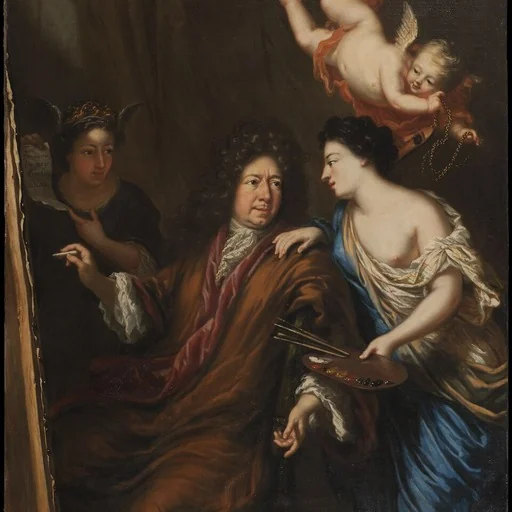
David Klöcker Ehrenstrahl (1628–1698) was an artist, born in Hamburg.

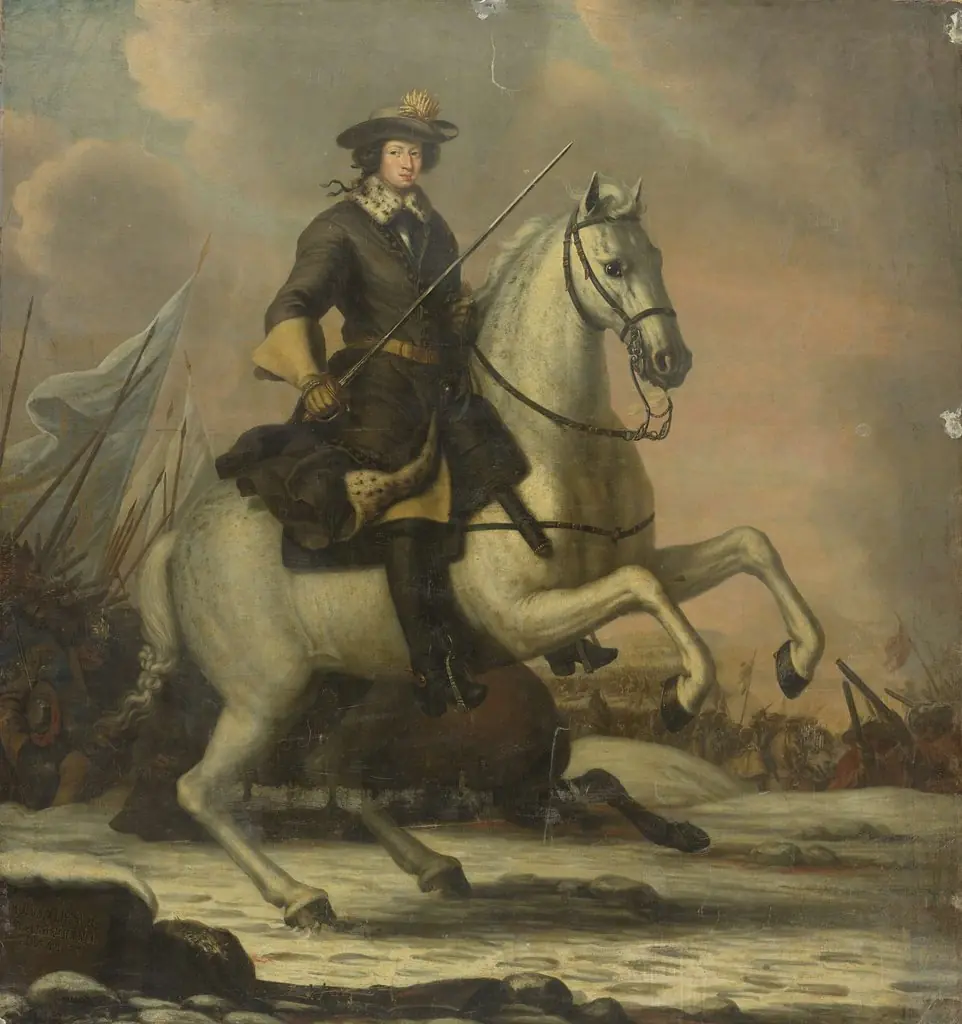 Karl XI (1665-1697), king of Sweden
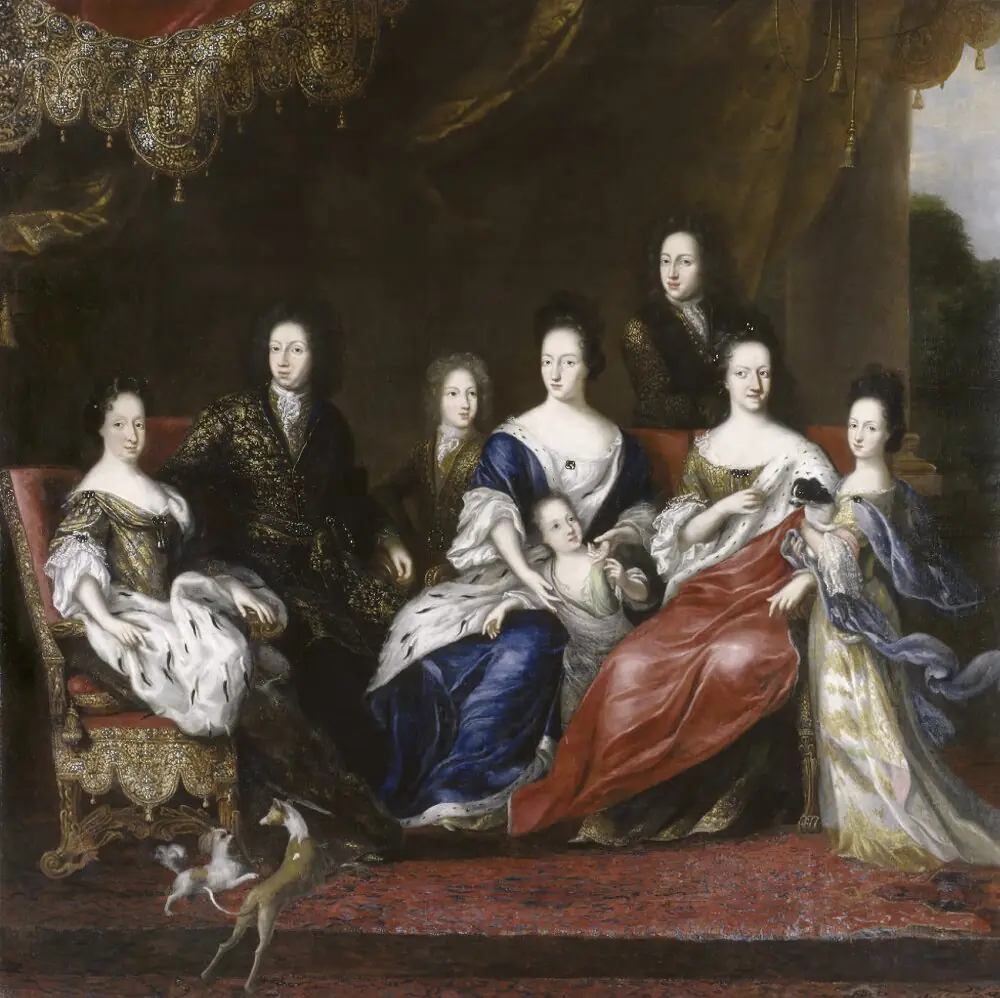 Karl XI konung av Sverige med familj
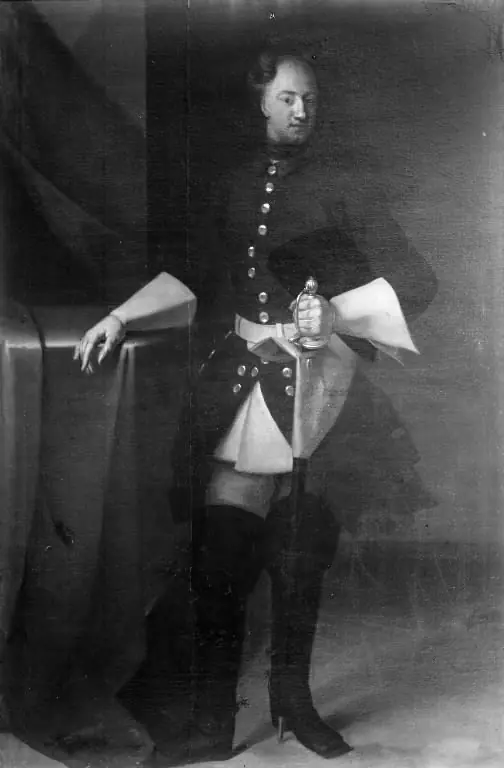 Portrait of Carl XII of Sweden
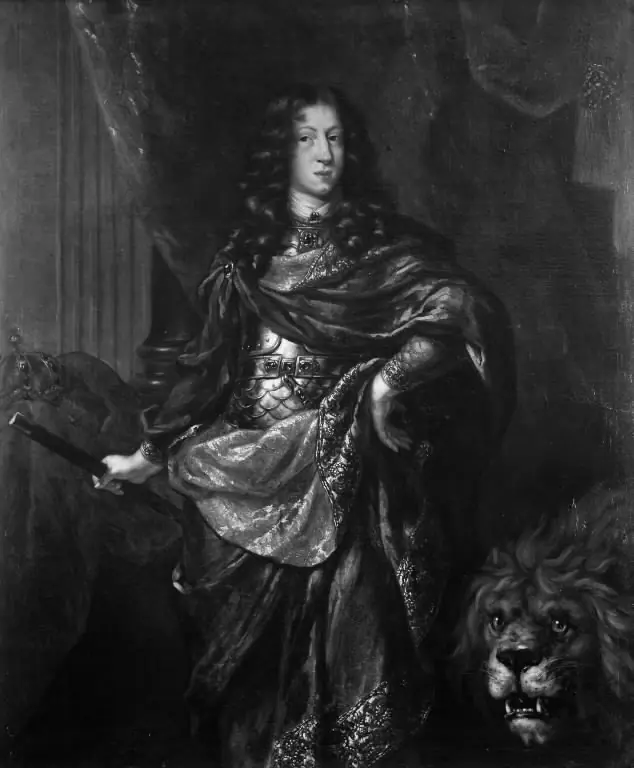 Portrait of Carl XI
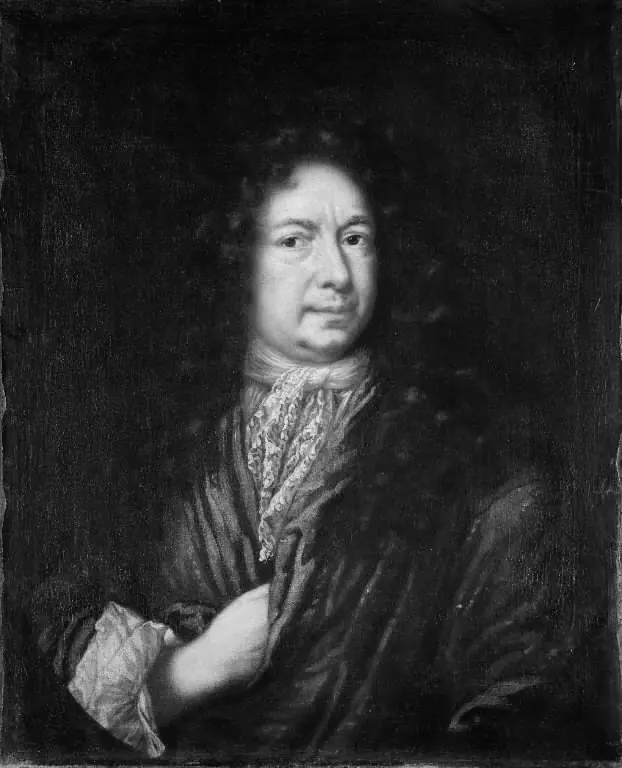 Portrait of the Artist
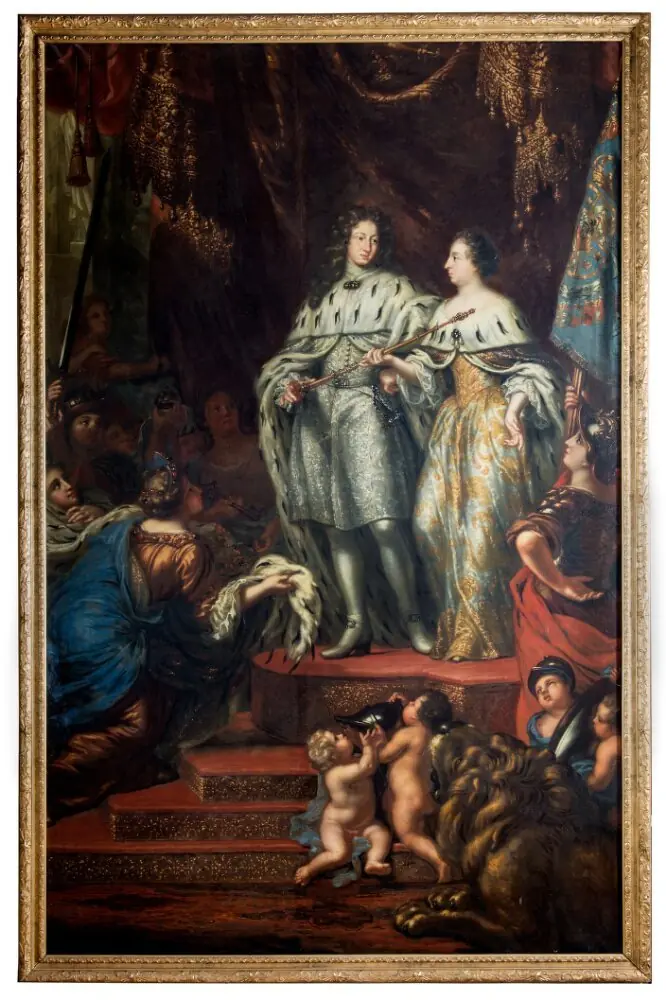 Allegori över hur konung Karl XI mottager regeringen av sin moder Hedvig Eleonora
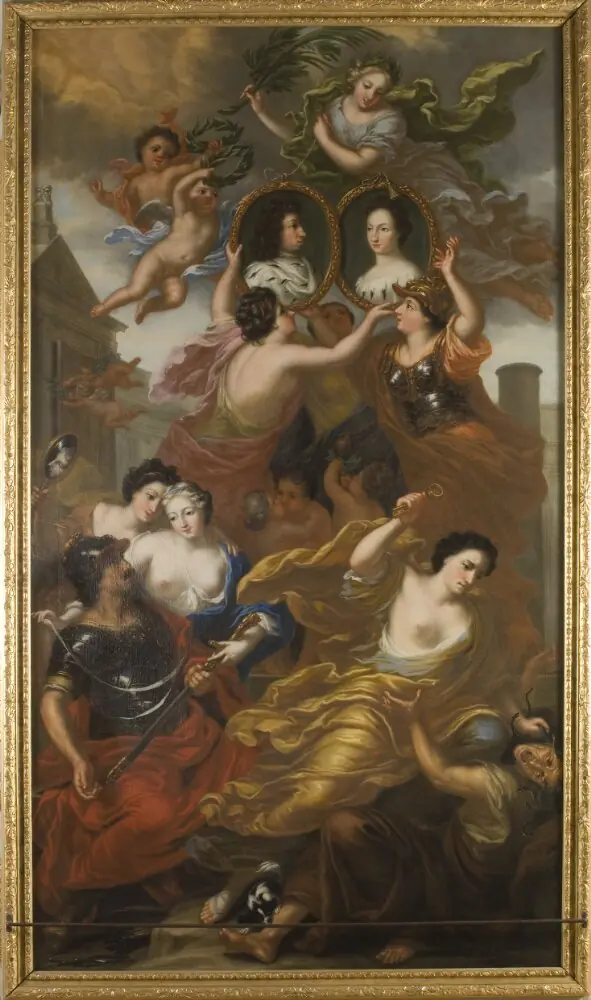 Allegori över konung Karl XI:s och drottning Ulrika Eleonoras förening
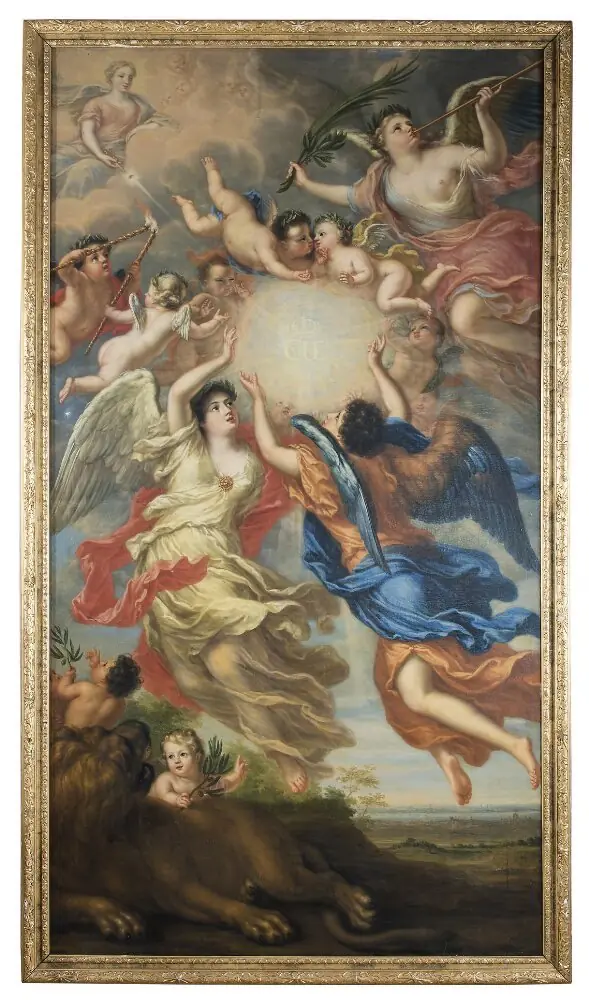 Allegori över konung Karl XI:s och drottning Ulrika Eleonoras förmälning