Artwork
Gule-Hissa Ovassy in the Northern part of Lycia
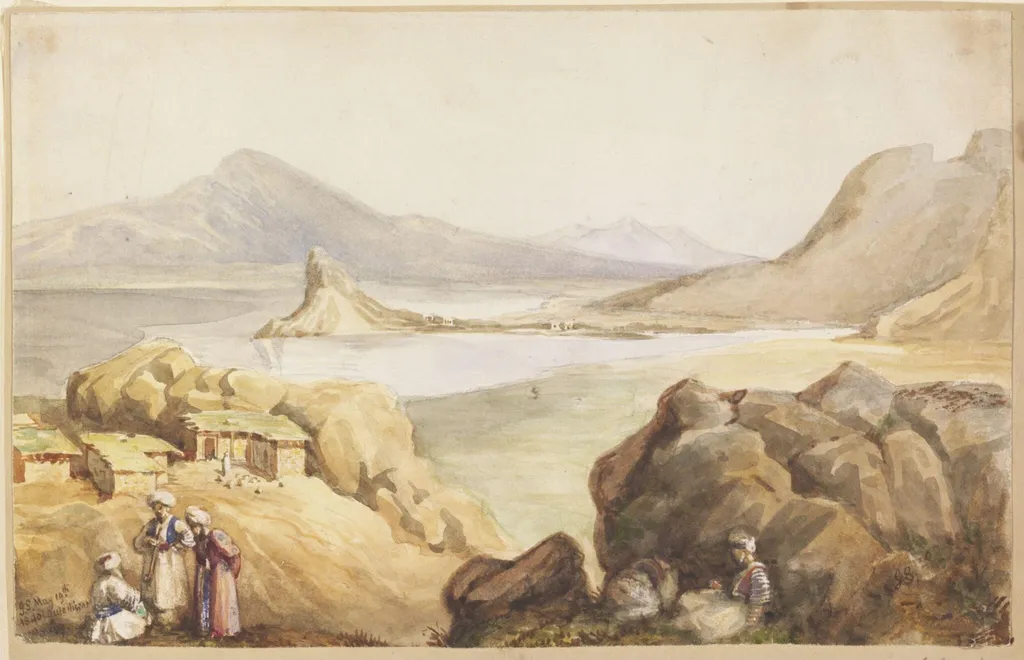
Gule-Hissa Ovassy in the Northern part of Lycia is a watercolor work on paper by the British Romanticist artist George Scharf. It dates from 1840 and is held in the collection of the Victoria and Albert Museum.
About this work
Overview
Created in 1840 by George Scharf, this watercolour captures a quiet coastal scene in northern Lycia. Executed during a survey expedition led by Charles Fellows, the work is one of several topographical studies made to document the region’s landscapes and settlements. Its subdued palette and restrained composition reflect a documentary intent rather than dramatic embellishment.
Subject & Meaning
The scene portrays Gule-Hissa Ovassy, a modest settlement along the Lycian coast, with figures dressed in simple garments going about daily routines. Their small scale and integration into the terrain suggest an emphasis on place over person. The absence of narrative action reinforces a sense of stillness, presenting the village as a quiet fixture within its natural environment.
Technique & Style
Scharf employed delicate watercolour washes to render the rocky shoreline, distant mountains, and calm sea. Soft blues and earthy browns blend seamlessly, avoiding sharp contrasts. The technique prioritizes atmospheric tone over detail, with figures rendered as subtle silhouettes. This restrained approach aligns with 19th-century topographical practices focused on observational accuracy.
History & Provenance
The watercolour was produced during Charles Fellows’s 1840 expedition to Lycia, later referenced in his 1841 publication. It entered private collections and was acquired at Phillips auction house on August 12, 1974, as recorded by Rodney Searight. Its journey from field sketch to collected object reflects its value as a historical document rather than a standalone artistic statement.
Context
Scharf’s work emerged from British archaeological efforts to map and record antiquities in the Ottoman Empire. Lycia’s remote coasts were of particular interest due to their preserved ruins and little-documented settlements. These watercolours served as visual records for scholars, supplementing written accounts and sketches made under challenging field conditions.
Legacy
They provide visual evidence of landscapes and settlements before modern development, offering researchers a baseline for understanding regional change.
Though not widely exhibited, Scharf’s Lycian watercolours remain important for their unembellished depiction of 19th-century coastal life. They provide visual evidence of landscapes and settlements before modern development, offering researchers a baseline for understanding regional change. Their quiet precision continues to inform archaeological and historical studies of the eastern Mediterranean.
Artist & collection


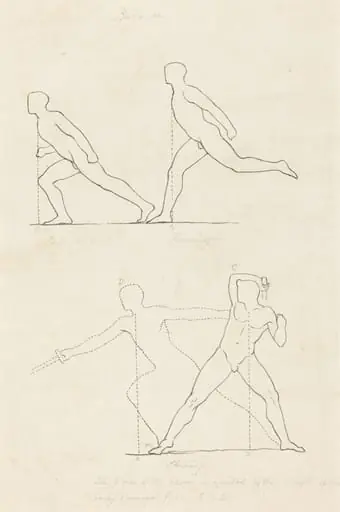 Preparing to Run; Running; Striking
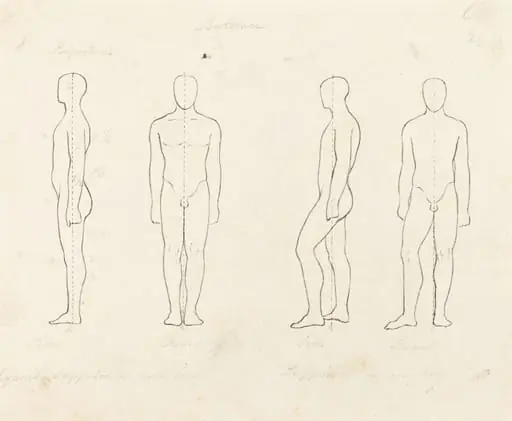 Extent of Motion, Front and Side View Equipoised, Supported on One Leg
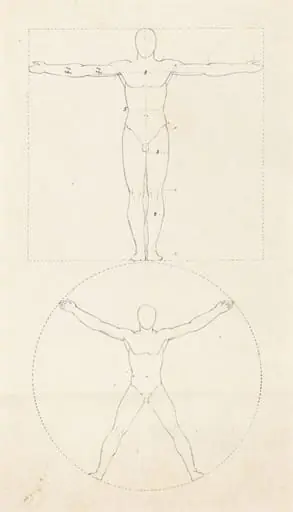 Circle and Square of the Human Figure
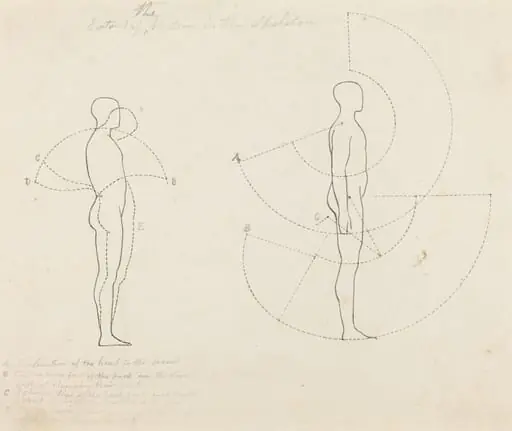 Extent of Motion Shown in Two Figures
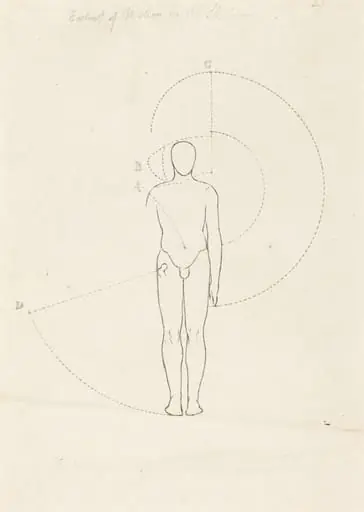 Extent of Motion, One Figure
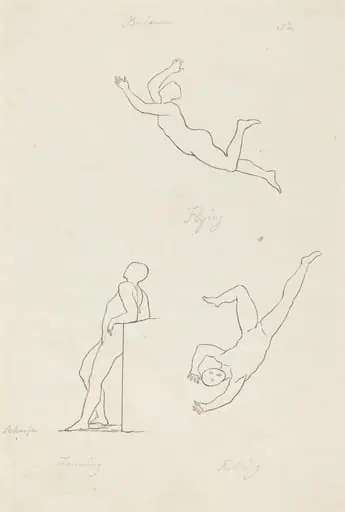 Leaning, Flying and Falling
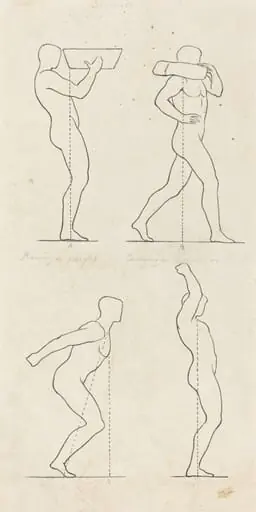 Bearing a Weight; Preparing to Jump, and Alighting
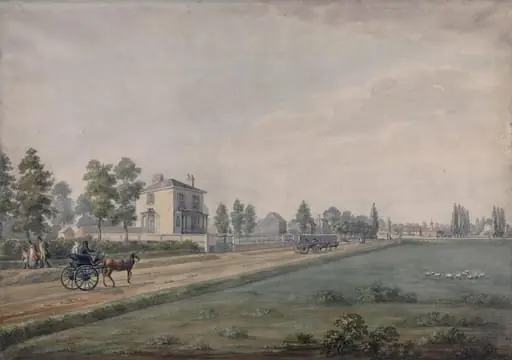 Mitcham Common, Surrey, shewing the road running along the west side
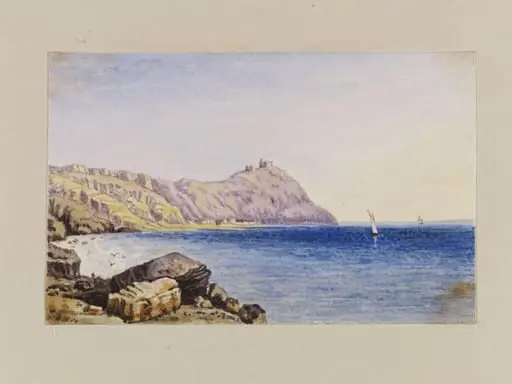 Carmel
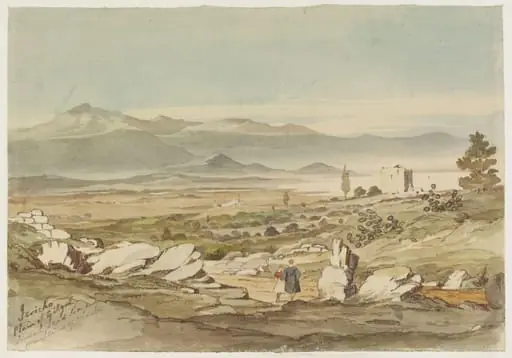 Jericho Plain of Gilgal, Jordan, Dead Sea, and Mountains of Moab
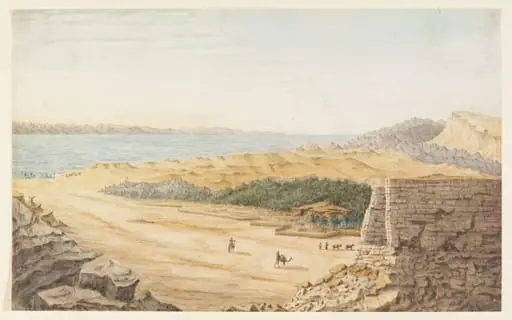 Ancient Ruins in the land of Edom above the bed of a valley and Arab Date gardens
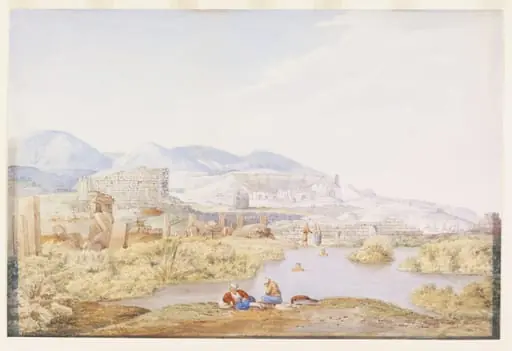 Hierapolis - Natural Hot Spring. Phrygia
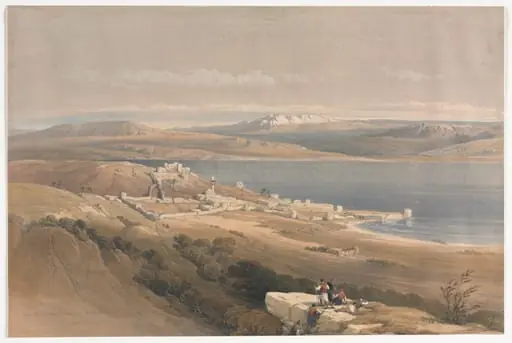 City of Tiberias on the Sea of Galilee, looking towards Hebron
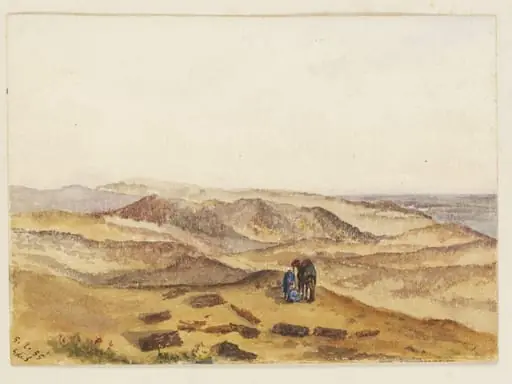 `Petrified Forest Desert near Cairo'
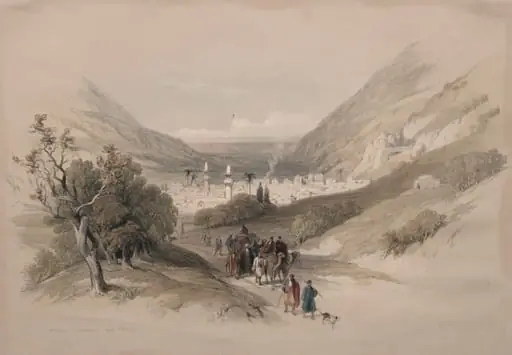 Entrance to Nablus
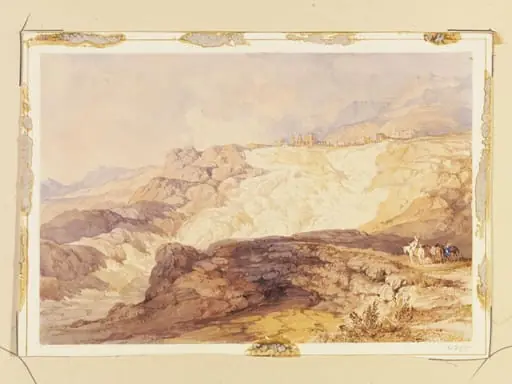 The Ruins of Hierapolis
![Tiberais [sic], by Mary Parker](https://artifactworldgallery.com/img/mary-parker--tiberais-sic--e6f3a288c102ee52-w320.webp) Tiberais [sic]
Tiberais [sic]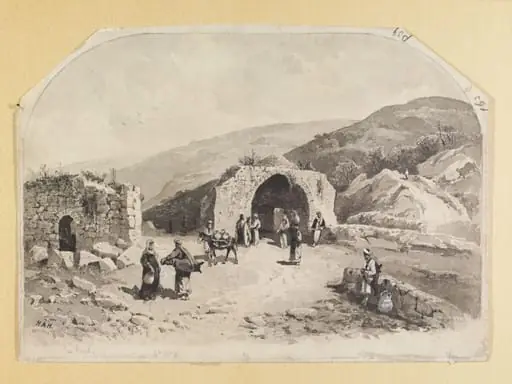 En Rogel, Holy Land
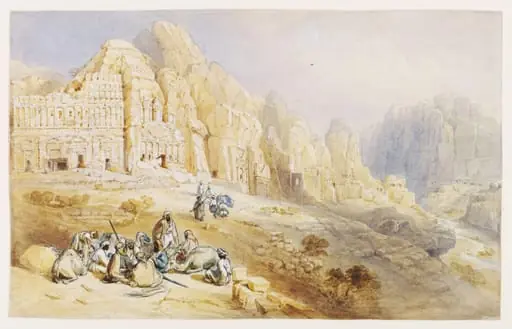 Principal range of tombs
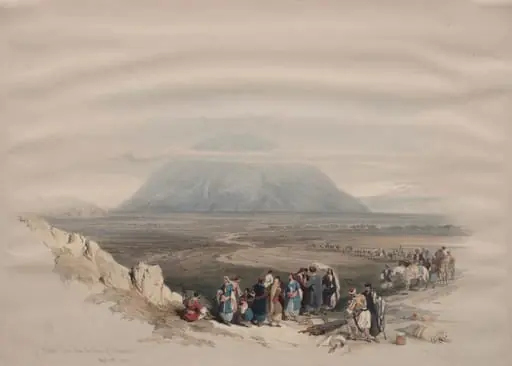 Mount Tabor from the Plain of Esdraelon