Artwork
The Errand Boy
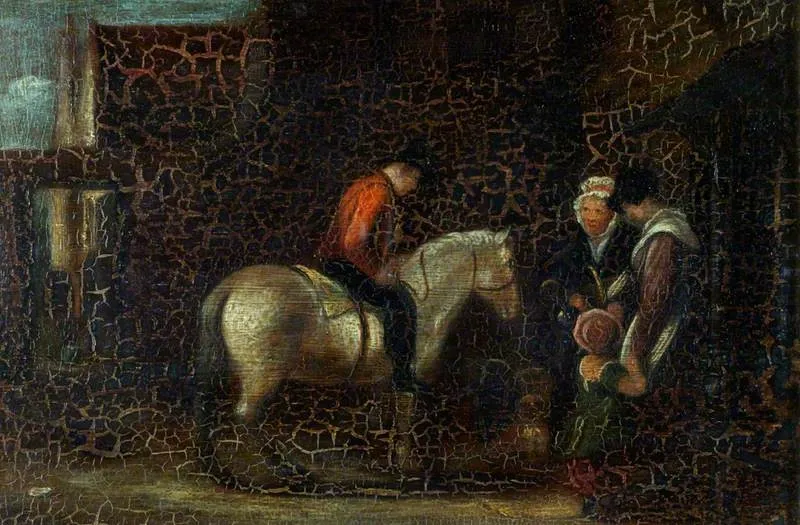
The Errand Boy is an oil painting by the British Romanticist artist David Wilkie. It dates from 1823 and is held in the collection of the Victoria and Albert Museum.
About this work
Overview
It captures a fleeting moment of domestic life in early 19th-century Britain, rendered with careful attention to light and character.
Painted circa 1823, *The Errand Boy* is an oil-on-canvas work by Scottish artist David Wilkie. It captures a fleeting moment of domestic life in early 19th-century Britain, rendered with careful attention to light and character. The painting belongs to the Victoria and Albert Museum’s collection and exemplifies Wilkie’s focus on ordinary people engaged in routine tasks, a hallmark of his genre painting practice.
Subject & Meaning
A young boy on horseback pauses in a dim interior, looking down at two men below—one holding a wrapped bundle. The scene suggests a moment of transaction or instruction, likely part of daily urban or household logistics. The boy’s posture and gaze imply duty and attentiveness, while the men’s stillness conveys authority or familiarity. No dramatic narrative is present; instead, the painting elevates the quiet dignity of minor social interactions.
Technique & Style
Wilkie employs chiaroscuro to define form and space, contrasting the boy’s red jacket and pale horse against the shadowed stone floor and deep background. The brushwork is precise yet unobtrusive, emphasizing texture in fabric, leather, and stone without overt flourish. The narrow window provides a subtle source of ambient light, grounding the scene in naturalism while enhancing its intimate, enclosed atmosphere.
History & Provenance
Created during Wilkie’s mature period, the painting entered the Victoria and Albert Museum’s collection in the 19th century. It was likely acquired as part of broader efforts to document British social life through art. No record of prior ownership or exhibition prior to the museum’s acquisition is widely documented, though it aligns with Wilkie’s known output from the early 1820s.
Context
In the 1820s, British art increasingly turned to scenes of everyday life, moving away from grand historical or mythological themes. Wilkie, among others, helped shape this shift, portraying servants, laborers, and children with psychological nuance. *The Errand Boy* reflects a growing cultural interest in the moral and social fabric of ordinary existence, particularly in urban settings.
Legacy
Though not among Wilkie’s most widely reproduced works, *The Errand Boy* remains a representative example of his commitment to unidealized observation. It influenced later genre painters who sought to capture the subtleties of class and labor. The painting’s quiet realism continues to be studied for its technical restraint and empathetic portrayal of transient moments in Victorian society.
Artist & collection
Artist
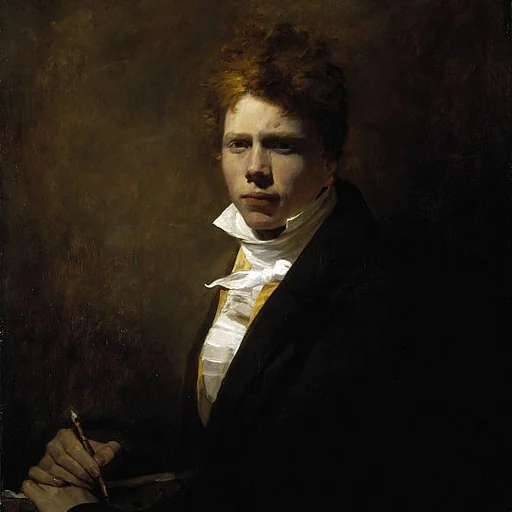
Sir David Wilkie (18 November 1785 – 1 June 1841) was a Scottish painter, especially known for his genre scenes.

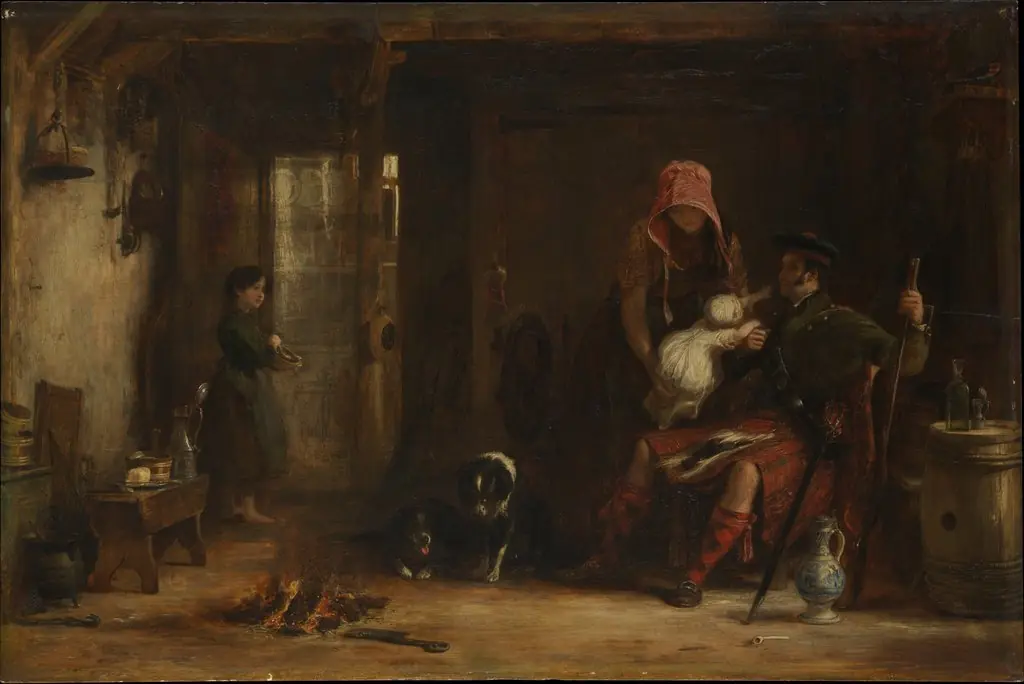 The Highland Family
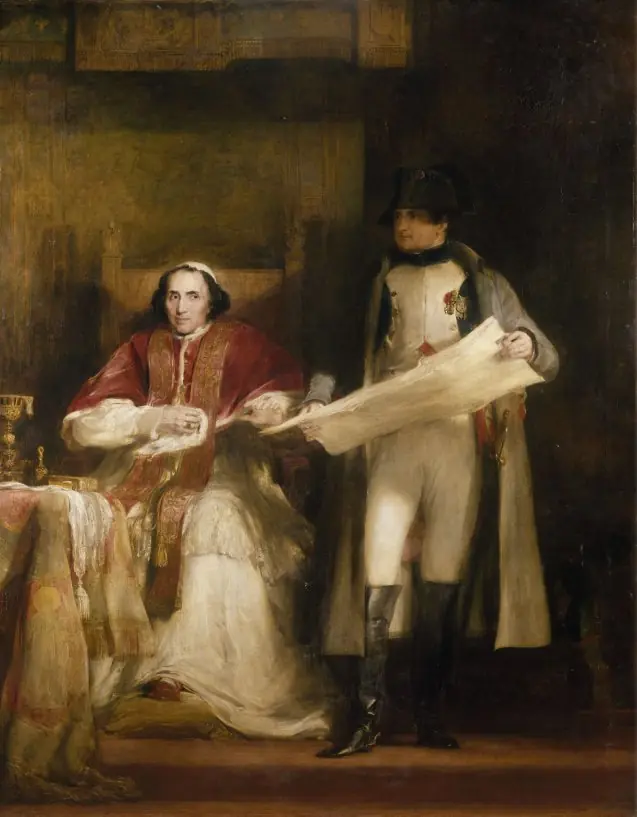 Napoleon and Pope Pius VII at Fontainebleau in 1813
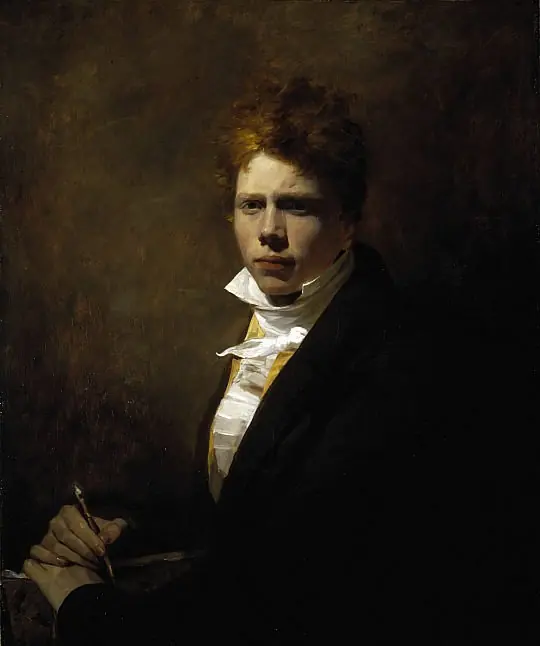 Self-Portrait
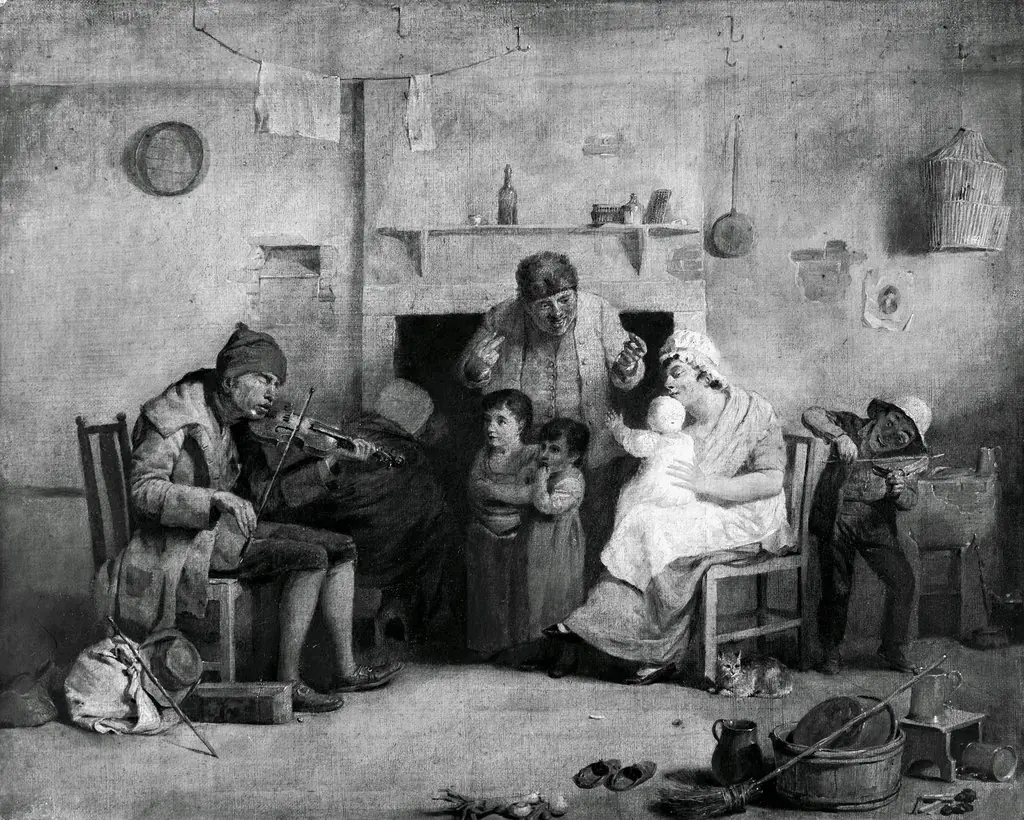 The blind violinist
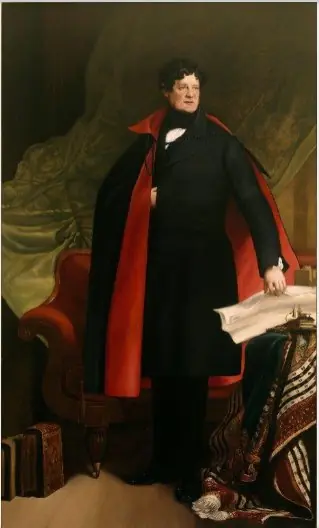 Portrait of Daniel O'Connell as Governor of the National Bank
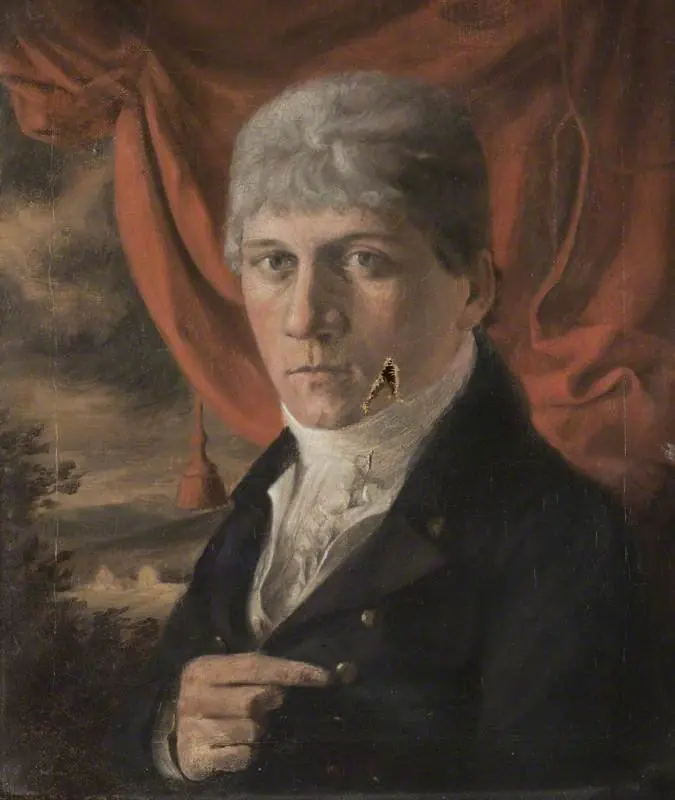 Portrait of the Artist's Brother, Captain James Wilkie (1784 - 1824)
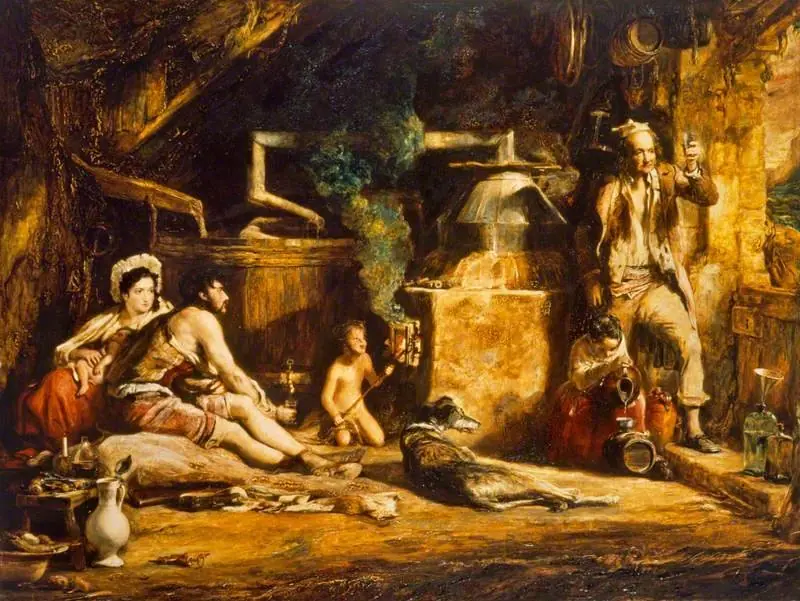 The Irish Whiskey Still
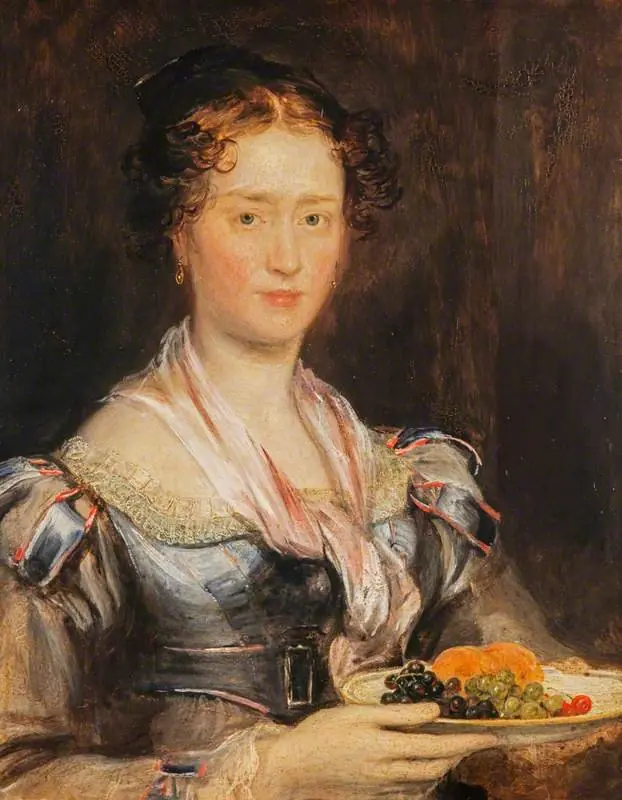 The Artist's Sister, Helen Hunter, née Wilkie (1793–1870)
 Trei cai în fața unor corturi. Pandant: Doi cai în fața unor corturi
 Pregătirea de vânătoare
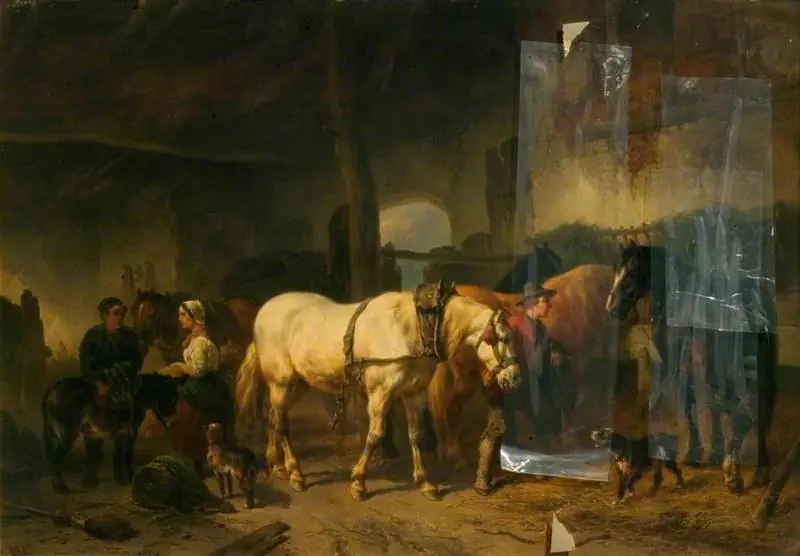 Interior of a Stable
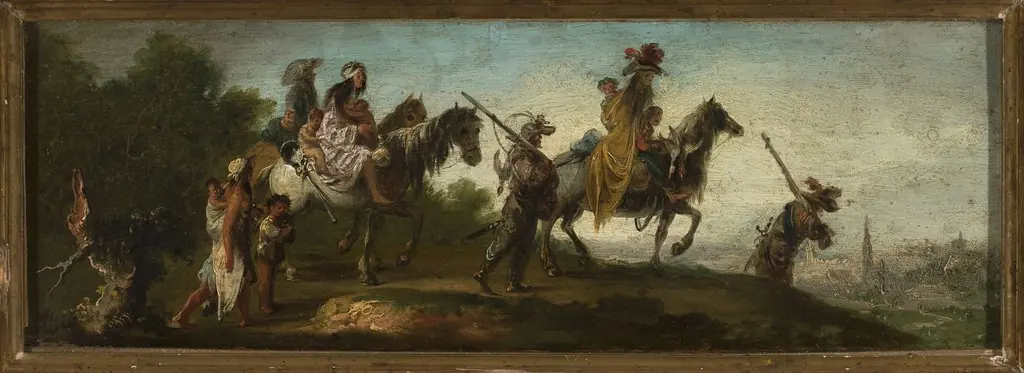 Gipsies on the road
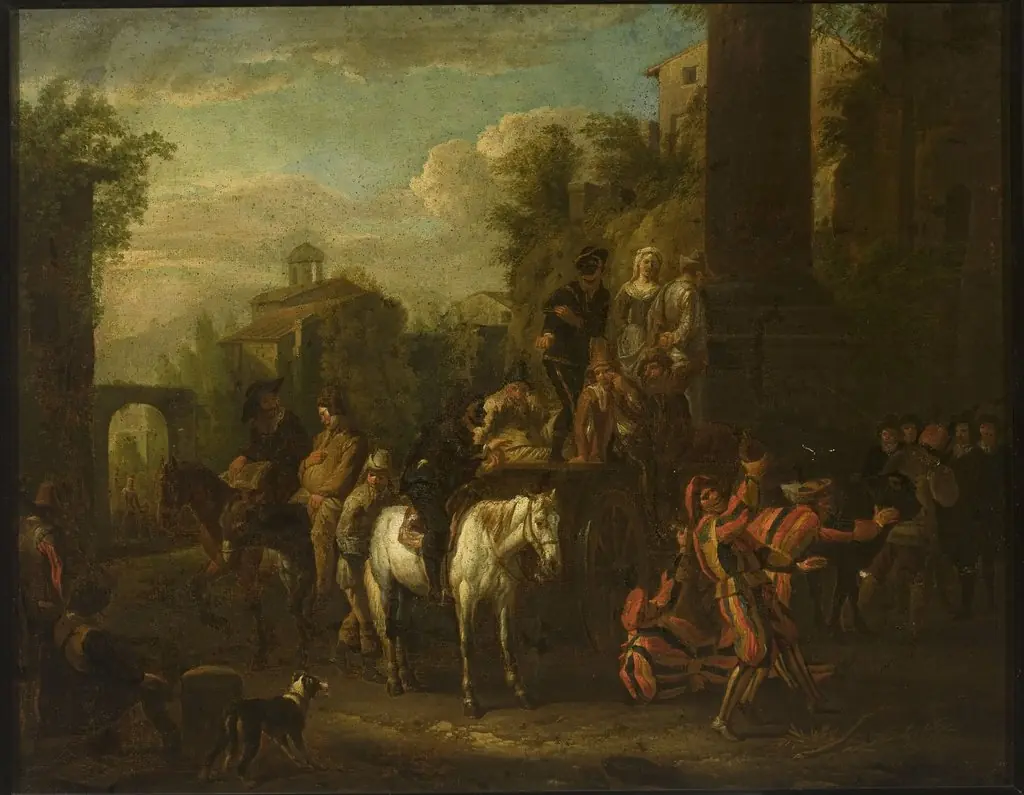 Jugglers passing – Carnival
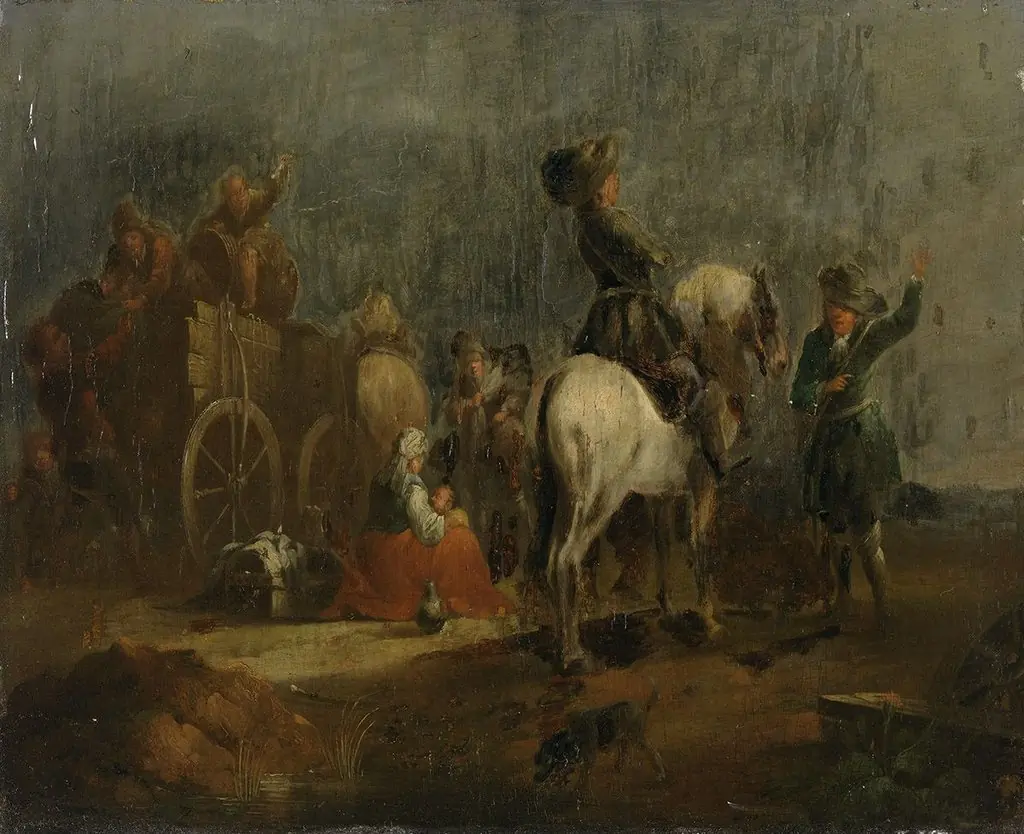 Fahrendes Volk mit Reiter bei der Rast (Nachfolger)
 Pferde
 Doi cai în fața unor corturi. Pandant: Trei cai în fața unor corturi
 Horses in front of a tavern
 Hunters by a Tavern
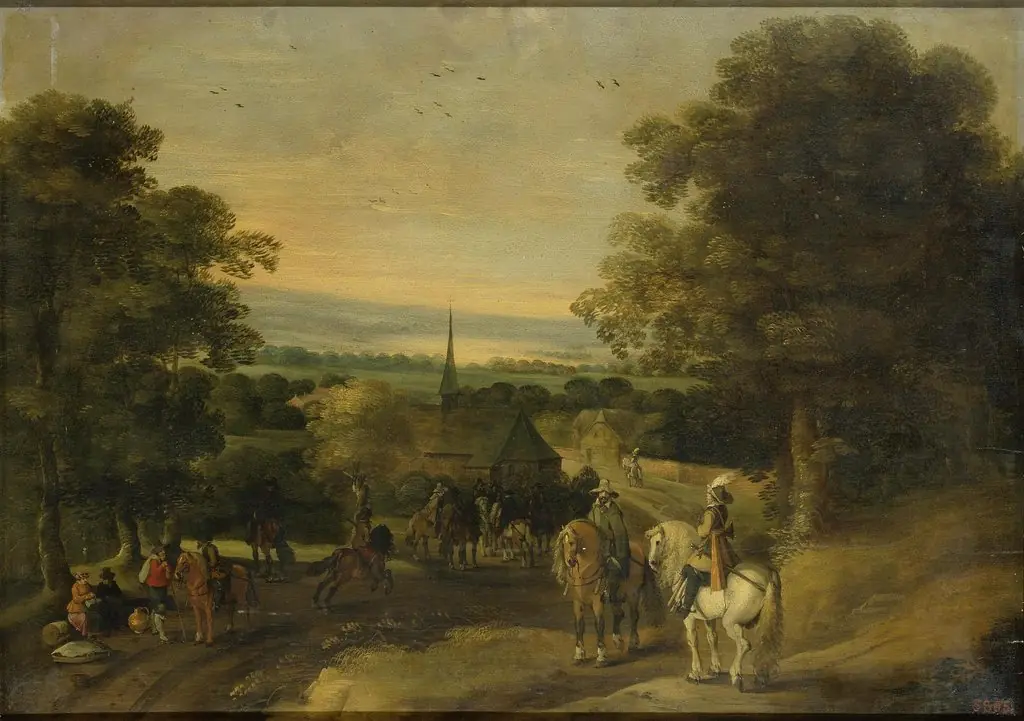 Landscape with a Cavalry Group
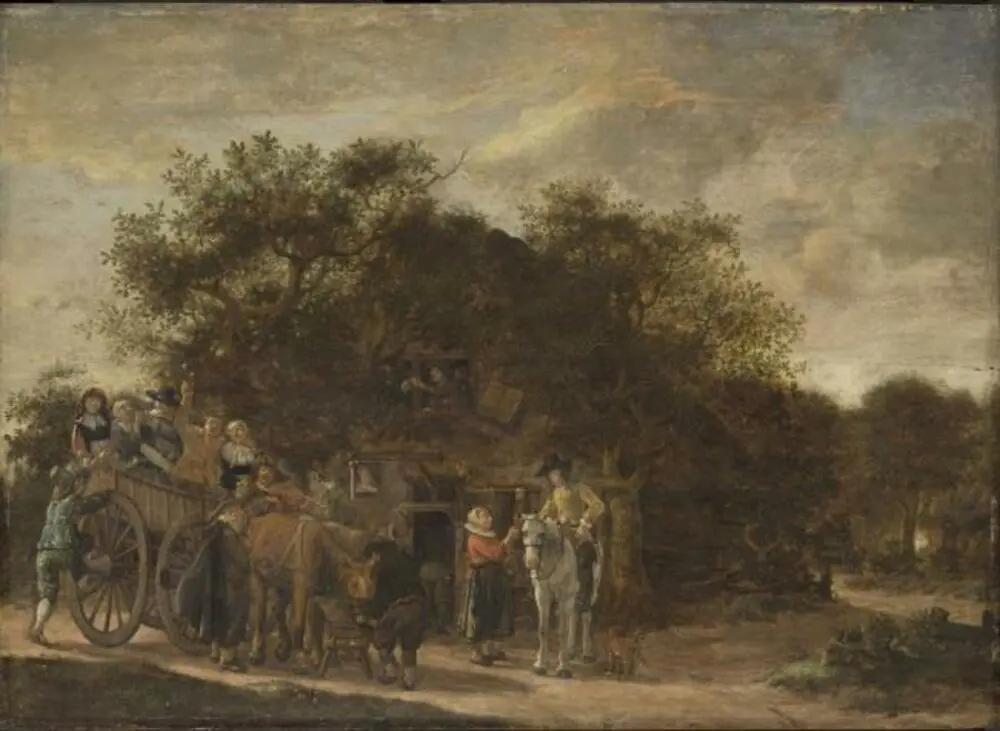 The Halt at the Inn