Artwork
Glen Strae
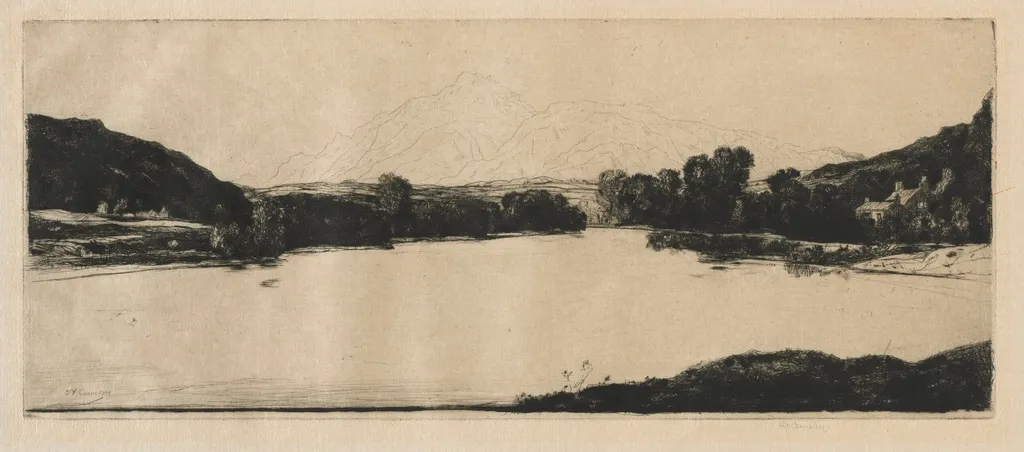
Glen Strae is a print by David Young Cameron. It dates from 1915 and is held in the collection of the Cleveland Museum of Art.
About this work
Overview
The print captures a secluded valley with subtle tonal shifts, reflecting his interest in the interplay between land and light.
Created around 1915, *Glen Strae* is a drypoint etching by Scottish artist David Young Cameron. It belongs to a body of work that helped define the later phase of the Etching Revival in Britain. Cameron focused on quiet, unpopulated landscapes, using minimal marks to evoke atmosphere rather than detail. The print captures a secluded valley with subtle tonal shifts, reflecting his interest in the interplay between land and light.
Subject & Meaning
The scene portrays a tranquil glen with a still body of water, scattered dwellings along its edge, and distant rolling hills. There is no human activity depicted, reinforcing a sense of solitude and timelessness. The composition avoids dramatic elements, instead inviting quiet contemplation. Cameron’s choice of subject reflects a broader early 20th-century interest in rural Scotland as a space of calm and continuity amid industrial change.
Technique & Style
Cameron employed drypoint etching with delicate, sparse lines, allowing the paper’s natural whiteness to suggest light and air. The hills are rendered with loose, rapid strokes that imply form without definition, while the water’s surface remains largely unmarked, enhancing its stillness. The technique prioritizes mood over precision, aligning with the aesthetic of tonalism and the influence of Japanese prints in European printmaking of the period.
History & Provenance
The print was made during Cameron’s mature period, when he was actively exhibiting in London and Edinburgh. While specific early ownership records are limited, *Glen Strae* entered institutional collections in the decades following its creation, reflecting its recognition within British print circles. It is now held in public collections, including the Cleveland Museum of Art, where it is studied as an example of early modern British etching.
Context
In the early 1900s, etching experienced a resurgence among artists seeking alternatives to mass-produced imagery. Cameron, alongside contemporaries like James McNeill Whistler and Francis Seymour Haden, championed the medium for its intimacy and directness. *Glen Strae* emerged amid growing cultural interest in Scotland’s landscapes, as artists and writers sought to define a national identity rooted in place rather than industry.
Legacy
Cameron’s restrained approach influenced later generations of printmakers who valued subtlety over detail. *Glen Strae* remains a representative work of the Etching Revival’s later phase, illustrating how minimal means could convey deep atmospheric presence. Its presence in major museum collections underscores its role in the transition from 19th-century romanticism to 20th-century modernist sensibilities in British printmaking.
Artist & collection
Artist
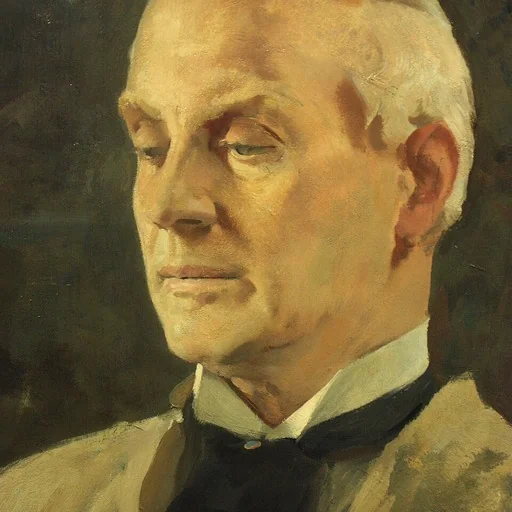
Sir David Young Cameron (28 June 1865 – 16 September 1945) was a Scottish painter and, with greater success, etcher, mostly of townscapes and landscapes in both cases. He was a leading figure in the final decades of the Etching Revival.

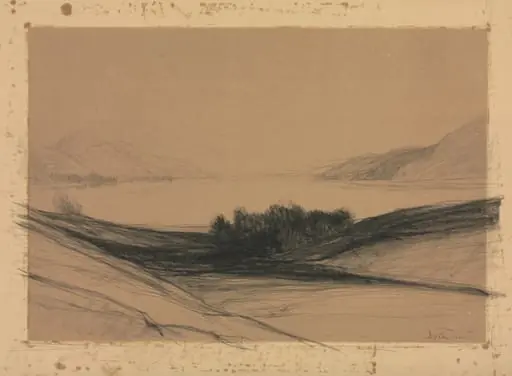 Loch Ness, Scotland
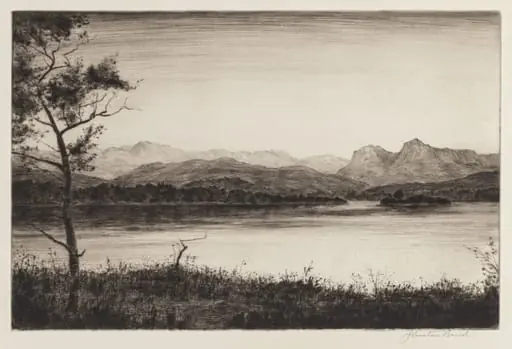 Langdale Pikes, Windermere
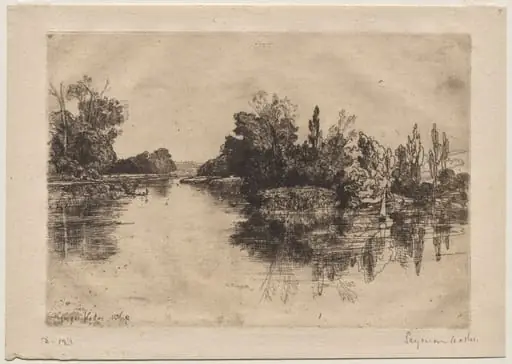 The Island, opposite Boyle's Farm
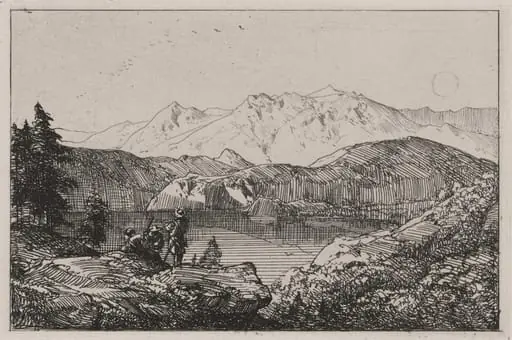 Mountain View with Lake
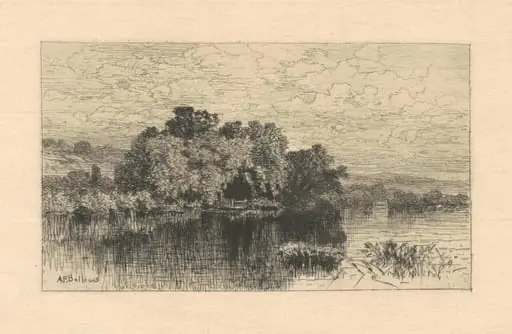 Mill Pond at Windsor, Connecticut
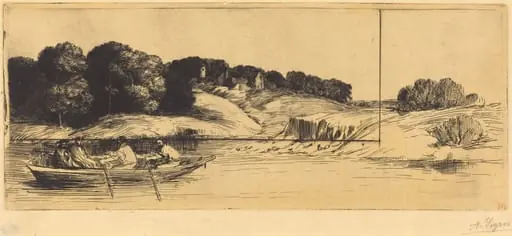 Landscape with Boat, 1st plate (Le paysage au bateau)
 Mountain Stream with Rapids
 Landscape with Peat-bog; In the Marsh (Paysage des tourbieres; Dans les marais)
 Shere Mill Pond (The Larger Plate)
 Danube at Walhalla
 Egham
Egham Solitude