Artwork
Weislingen Attacked by the Forces of Goetz (Weislingen attaqué par les gens de Goetz)
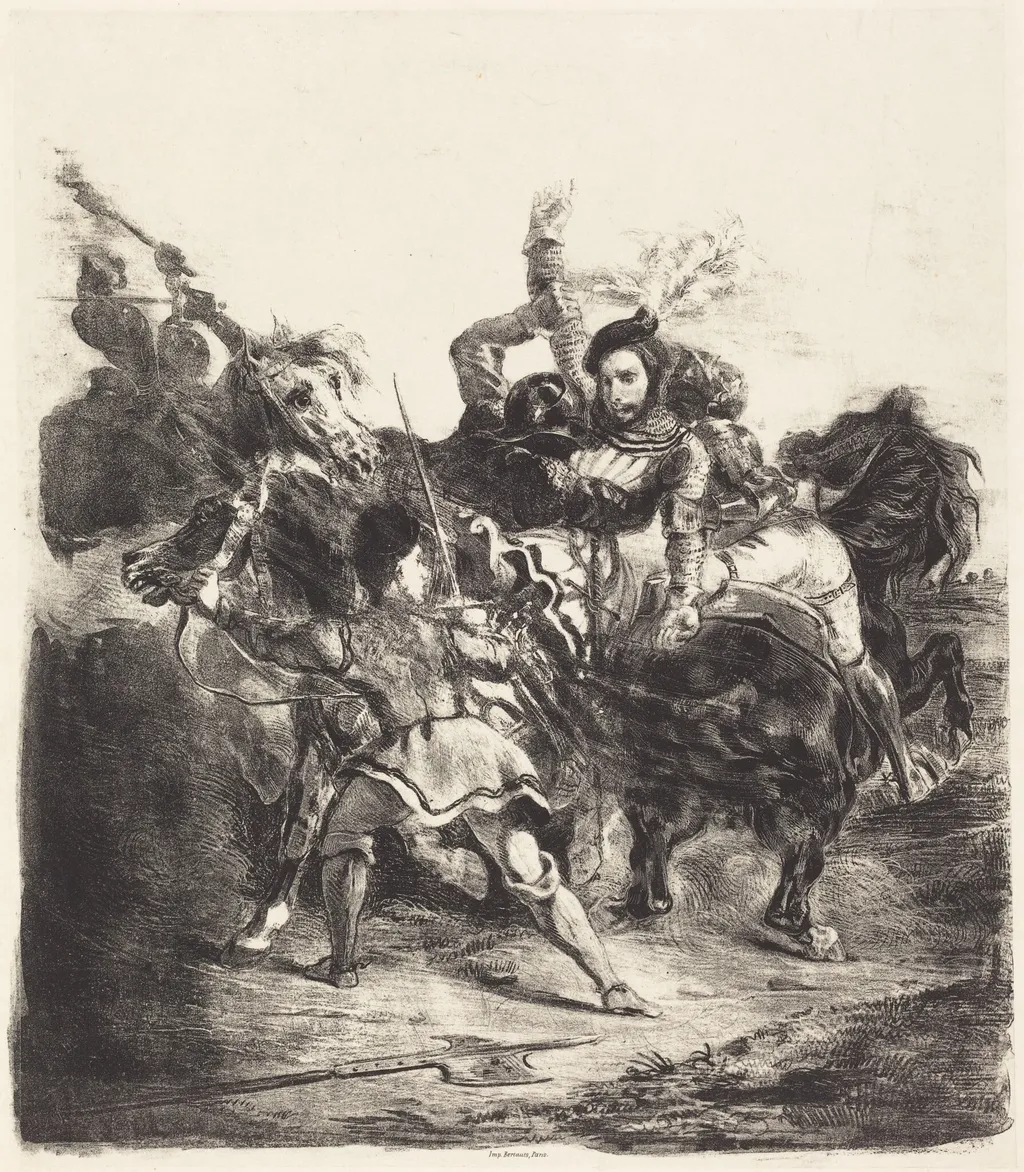
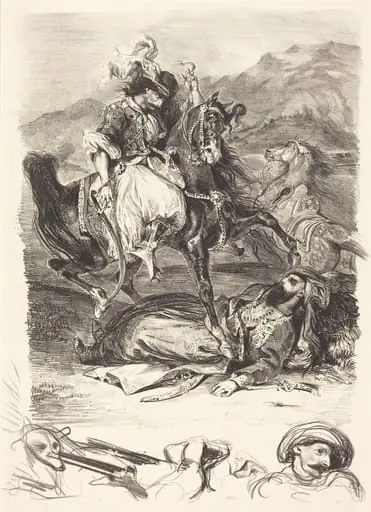
Weislingen Attacked by the Forces of Goetz (Weislingen attaqué par les gens de Goetz) is an ink print by the Romanticist artist Eugène Delacroix. It dates from 1836 and is held in the collection of the National Gallery of Art.
About this work
Overview
Created in 1836, this lithograph on chine collé by Eugène Delacroix captures a violent episode from Goethe’s play *Götz von Berlichingen*.
Created in 1836, this lithograph on chine collé by Eugène Delacroix captures a violent episode from Goethe’s play *Götz von Berlichingen*. Executed in a rapid, expressive manner, the print reflects Delacroix’s departure from academic rigidity in favor of emotional intensity. The medium allowed for spontaneous mark-making, aligning with his interest in capturing motion and turmoil rather than static form.
Subject & Meaning
The scene illustrates the ambush of the noble Weislingen by the forces of Götz, a rebel knight. Delacroix emphasizes chaos over narrative clarity, focusing on the frenzy of combat rather than individual identity. The struggle symbolizes the clash between feudal authority and personal defiance, themes central to Goethe’s drama and Romantic ideals of individual heroism amid disorder.
Technique & Style
Delacroix employed loose, energetic lines to convey motion, using dark lithographic ink to suggest thrusting weapons, rearing horses, and falling figures. The chine collé technique added subtle texture, enhancing the sense of urgency. His brushwork resembles quick pencil sketches, prioritizing emotional impact over detail, a hallmark of his Romantic approach influenced by Rubens’ dynamism.
History & Provenance
Produced as part of a series illustrating Goethe’s works, the print was likely intended for a limited audience of literary and artistic circles. It was never widely distributed, remaining within private collections and institutional holdings. Its survival reflects its value as a study in Delacroix’s engagement with German literature and his experimental printmaking during the 1830s.
Context
In 1830s France, Romanticism thrived as a reaction against Neoclassical restraint. Delacroix, immersed in contemporary literature, turned to Goethe’s turbulent characters as vehicles for exploring passion and violence. This print aligns with broader European interest in medieval themes and the glorification of rebellious figures, mirroring political unrest and cultural shifts of the era.
Legacy
Though not among Delacroix’s most famous works, this lithograph exemplifies his innovative use of printmaking to translate painterly energy into graphic form. It influenced later artists seeking to convey movement and emotion through spontaneous line, contributing to the evolution of expressive print traditions in the 19th century.
Own this work as a print
Artist & collection
Artist
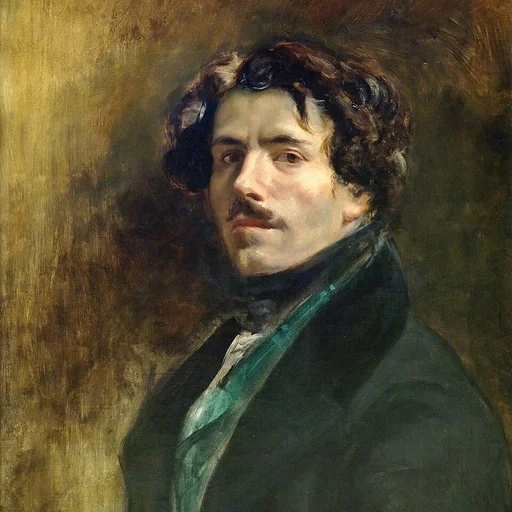
Ferdinand Victor Eugène Delacroix ( DEL-ə-krwah, -KRWAH; French: ; 26 April 1798 – 13 August 1863) was a French Romantic artist who was regarded as the leader of the French Romantic school.

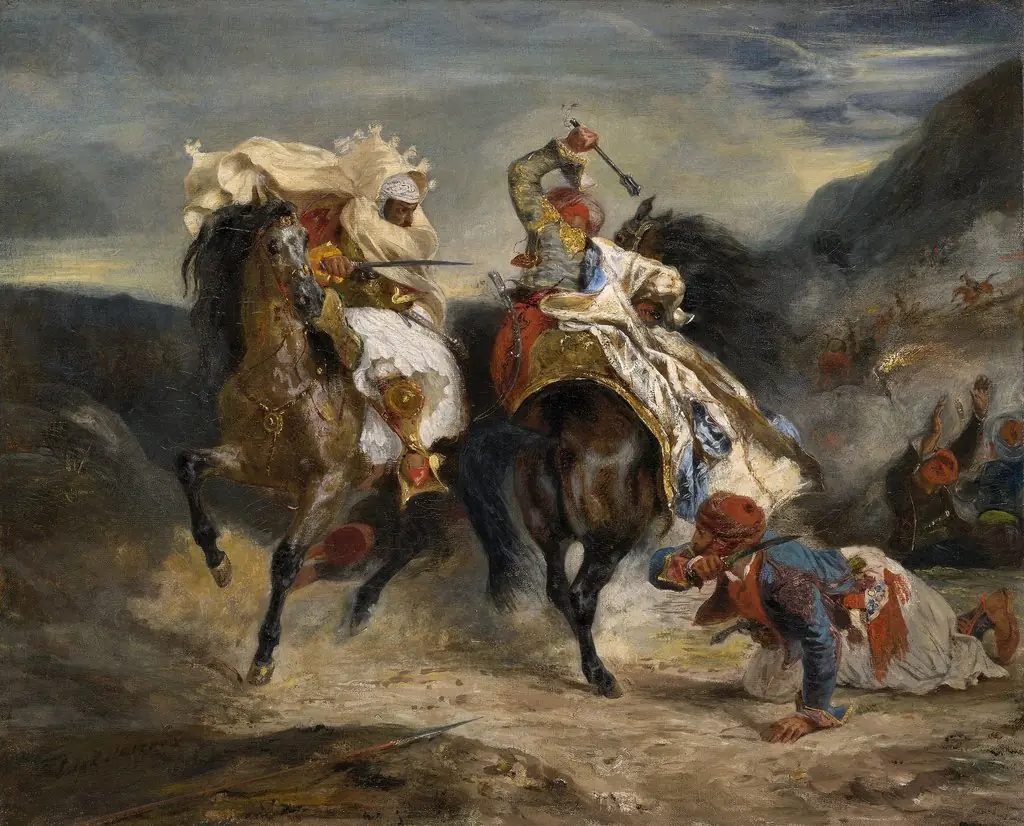
 The Battle of the Giaour and the Pasha (Combat du Giaour et du Pacha)
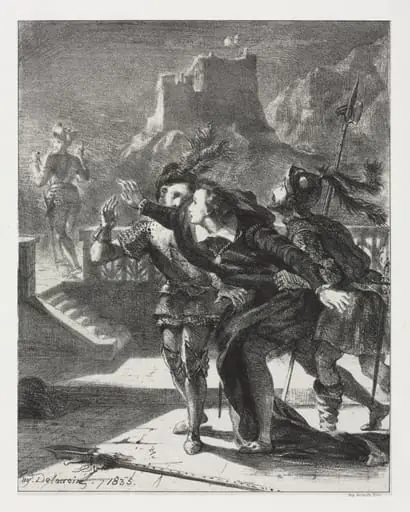 Hamlet: Hamlet Rushes to Follow the Ghost of His Father
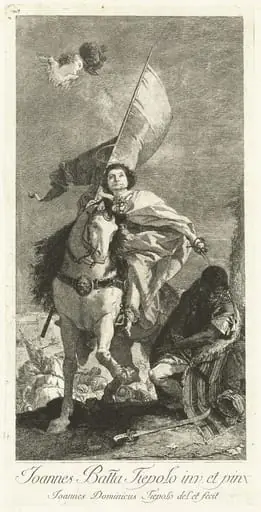 Saint James of Compostela
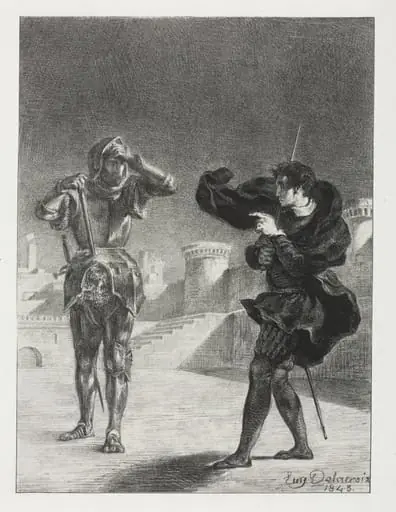 Hamlet: The Phantom on the Terrace
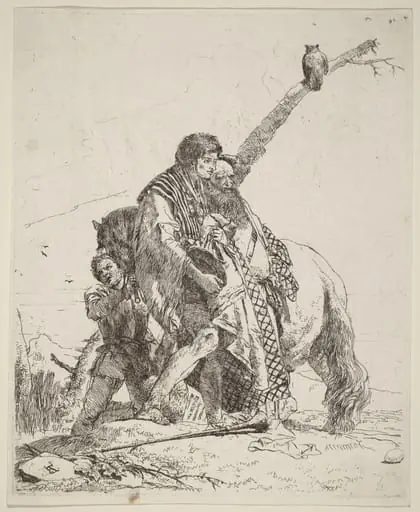 Youth, Sage, and Attendant with Horse
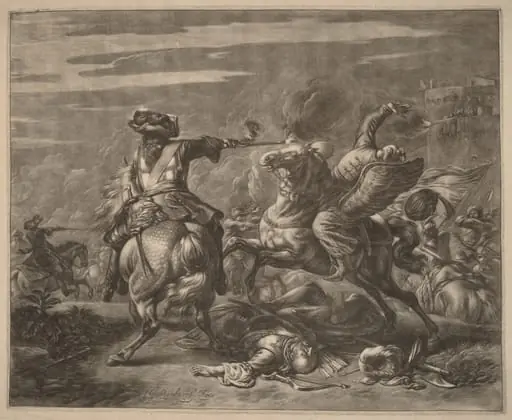 A Horseman Shooting a Turk from His Horse
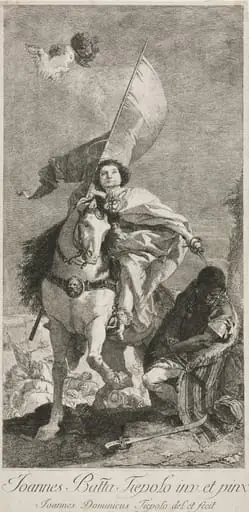 St. Jacques
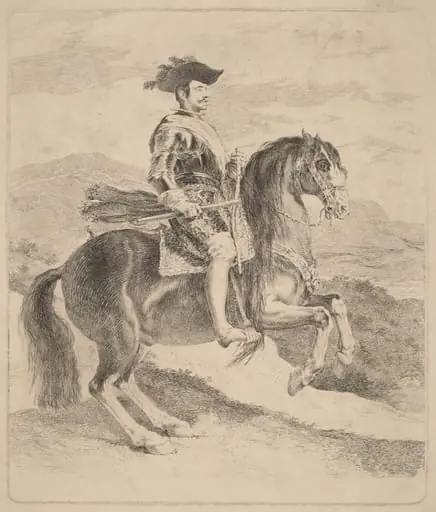 Felipe IV
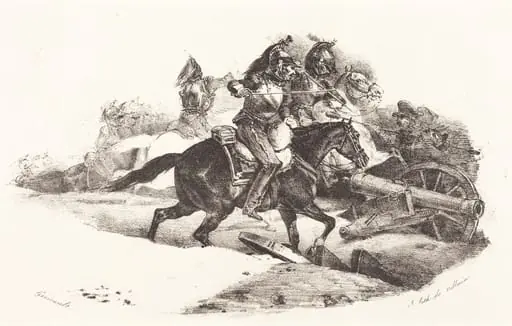 Cuirassiers Charging
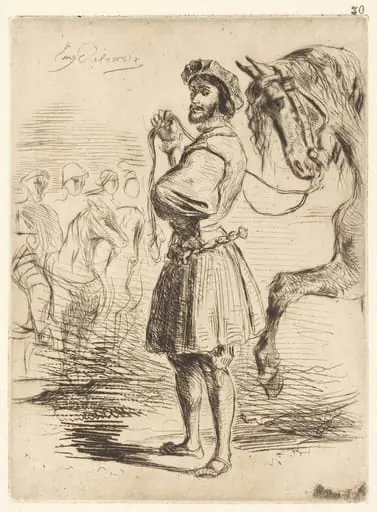 A Lord from the Period of Francis I (Un Seigneur de temps de François Ier)
 Encounter of Cuirassiers
 Bullfights: El Cid Campeador Spearing Another Bull