Artwork
Ernestus Earle of Mansfield
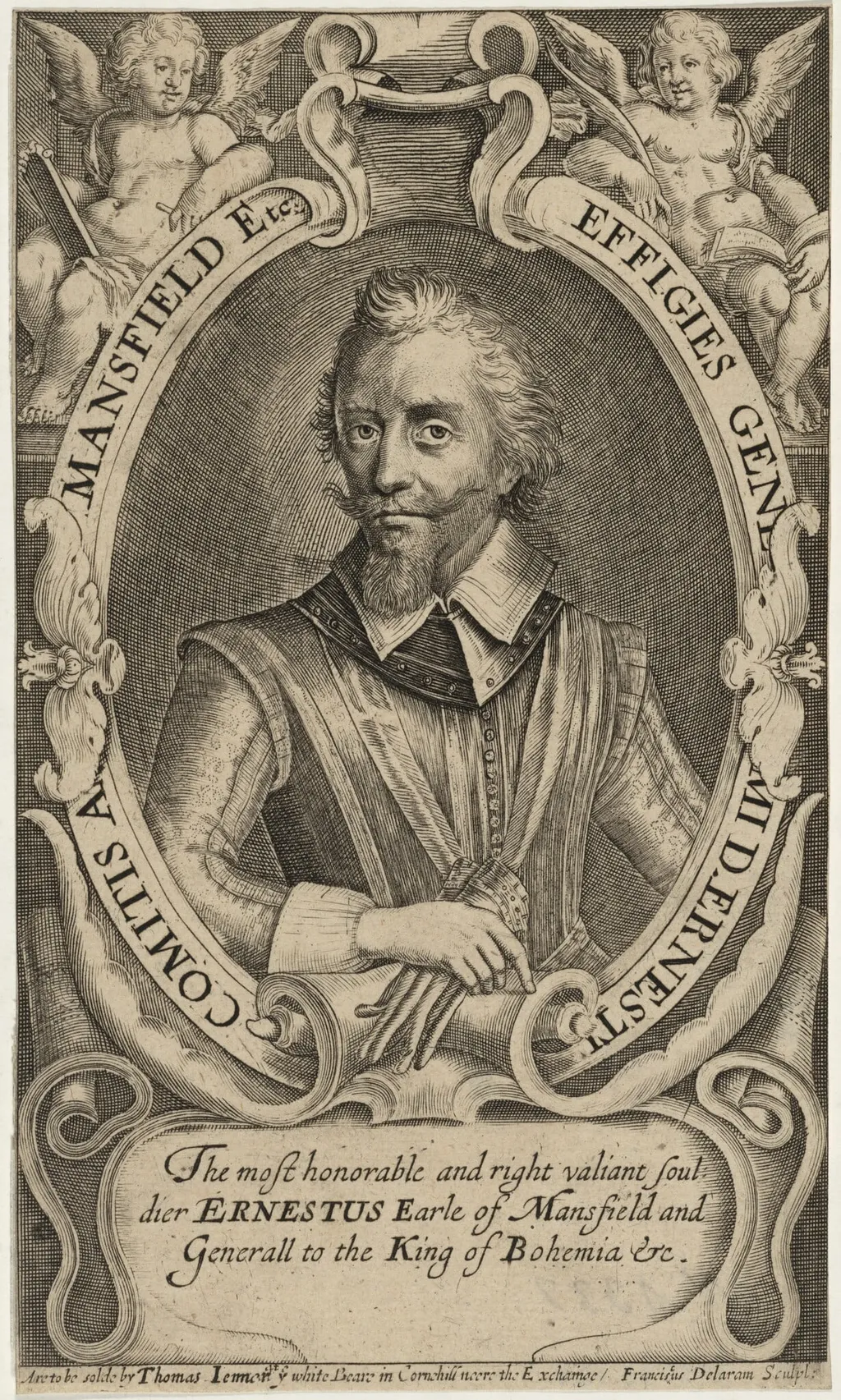
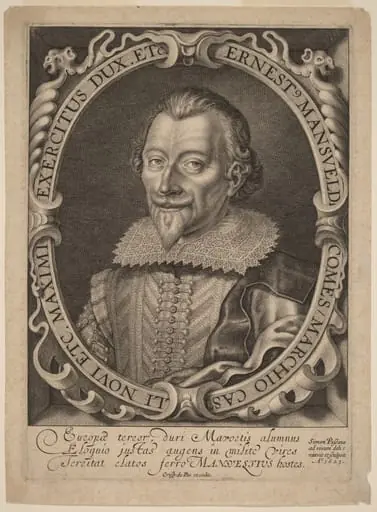
Ernestus Earle of Mansfield is an ink print by the Renaissance artist Francis Delaram. It dates from 1608 and is held in the collection of the National Gallery of Art.
About this work
Overview
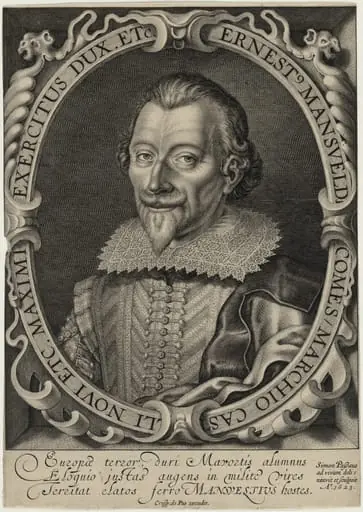
Francis Delaram’s 1608 engraving presents Ernest Earl of Mansfield in a formal, half‑length portrait.
Francis Delaram’s 1608 engraving presents Ernest Earl of Mansfield in a formal, half‑length portrait. Executed in black‑and‑white line work, the image shows the bearded nobleman in a dark collar and ruffled shirt, holding a folded sheet and gazing directly at the viewer. Above his head, two small cherubs support a banner bearing his name, while the surrounding space is filled with ornamental scrolls and Latin inscriptions typical of early‑modern portraiture.
Subject & Meaning
The sitter, identified as Ernest Earl of Mansfield, is depicted with the trappings of status: elaborate dress, a poised stance, and symbolic cherubs that underscore his aristocratic rank. The inclusion of a folded document may allude to his official duties or legal authority, while the Latin phrase “Effigies Gen.” reinforces the notion of a formal representation of a distinguished lineage.
Technique & Style
Delaram employed copper‑plate engraving, a labor‑intensive process that allowed for fine line work and intricate detailing. The portrait’s decorative elements—scrollwork, cherubic figures, and inscribed text—reflect the influence of Delaram’s Flemish origins, merging Northern ornamental motifs with English portrait conventions of the early seventeenth century.
History & Provenance
Born circa 1590 in Flanders, Francis Delaram was active in England during James I’s reign, producing portraits, landscapes, and book illustrations, including work for William Camden’s Historie. This particular print, dated 1608, is among his English portrait series and illustrates his role in disseminating continental artistic styles within the British market.
Context
The engraving belongs to a period when printed portraiture served both commemorative and propagandistic functions, often accompanying printed texts or serving as collectible images of the elite. The decorative background and Latin legends echo Renaissance conventions that linked visual representation with scholarly authority.
Artist & collection
Artist
Francis Delaram (born around 1590, fl. 1615–1624 or 1627), was an English engraver. Delaram left a substantial collection of engraved portraits, landscapes and book illustrations (specifically, William Camden's…

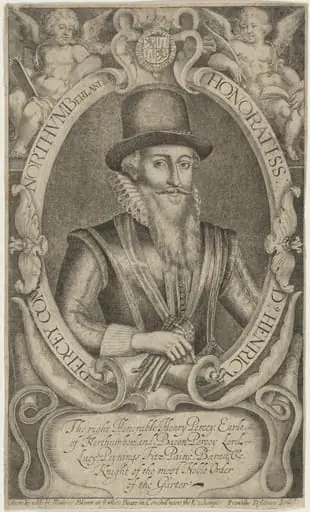 Henricus Percye (Henry Percy, Ninth Earl of Northumberland)
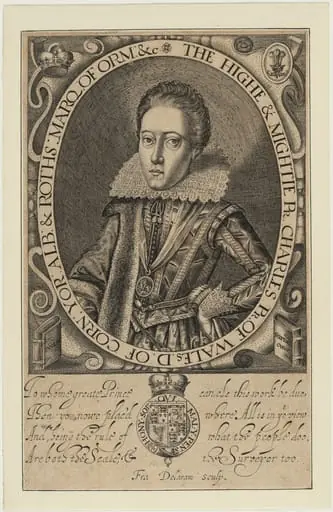 Charles I, as Prince of Wales
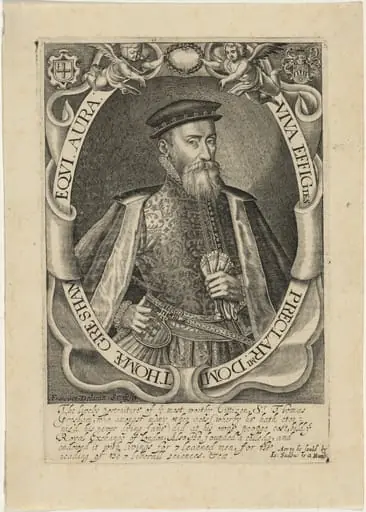 Sir Thomas Grisham
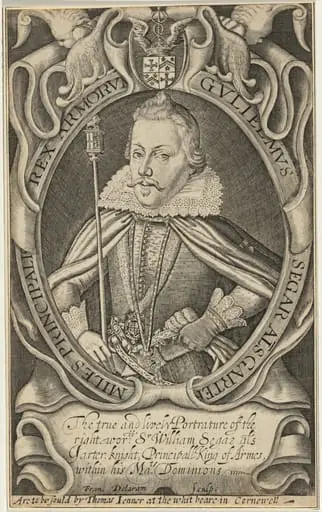 Guliemus Segar (Sir William Segar)
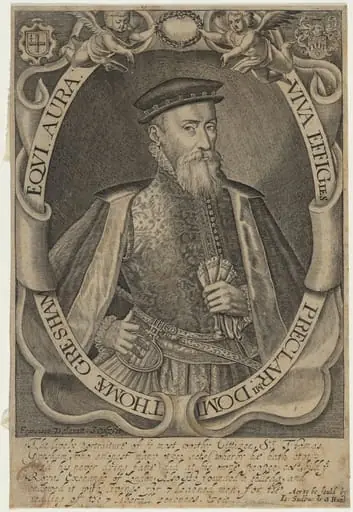 Thomae Gresham Equi. Aura (Sir Thomas Gresham)
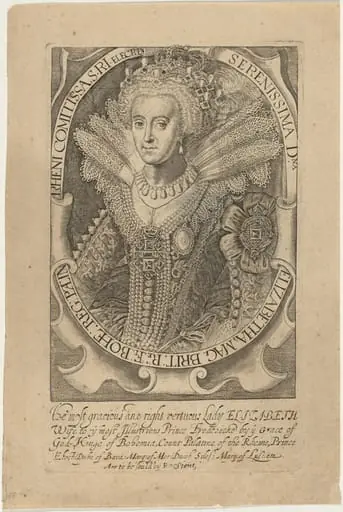 Elizabeth, Queen of Bohemia
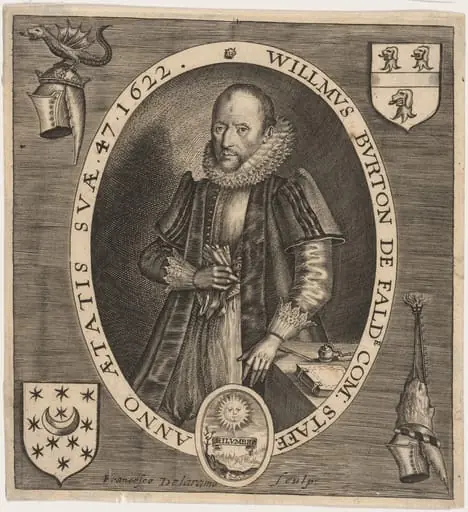 Willmus Burton de Falde (William Burton)
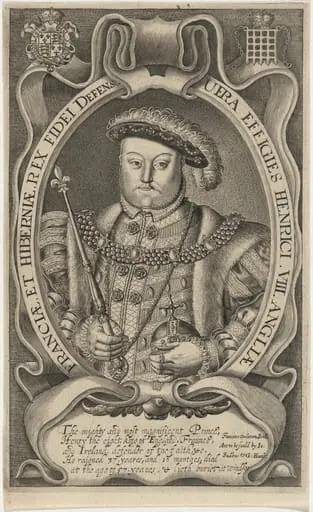 Henrici VIII Angliae, Franciae et Hiberniam Rex (King Henry VIII)