Artwork
Fredericus IIII (Frederick IV)
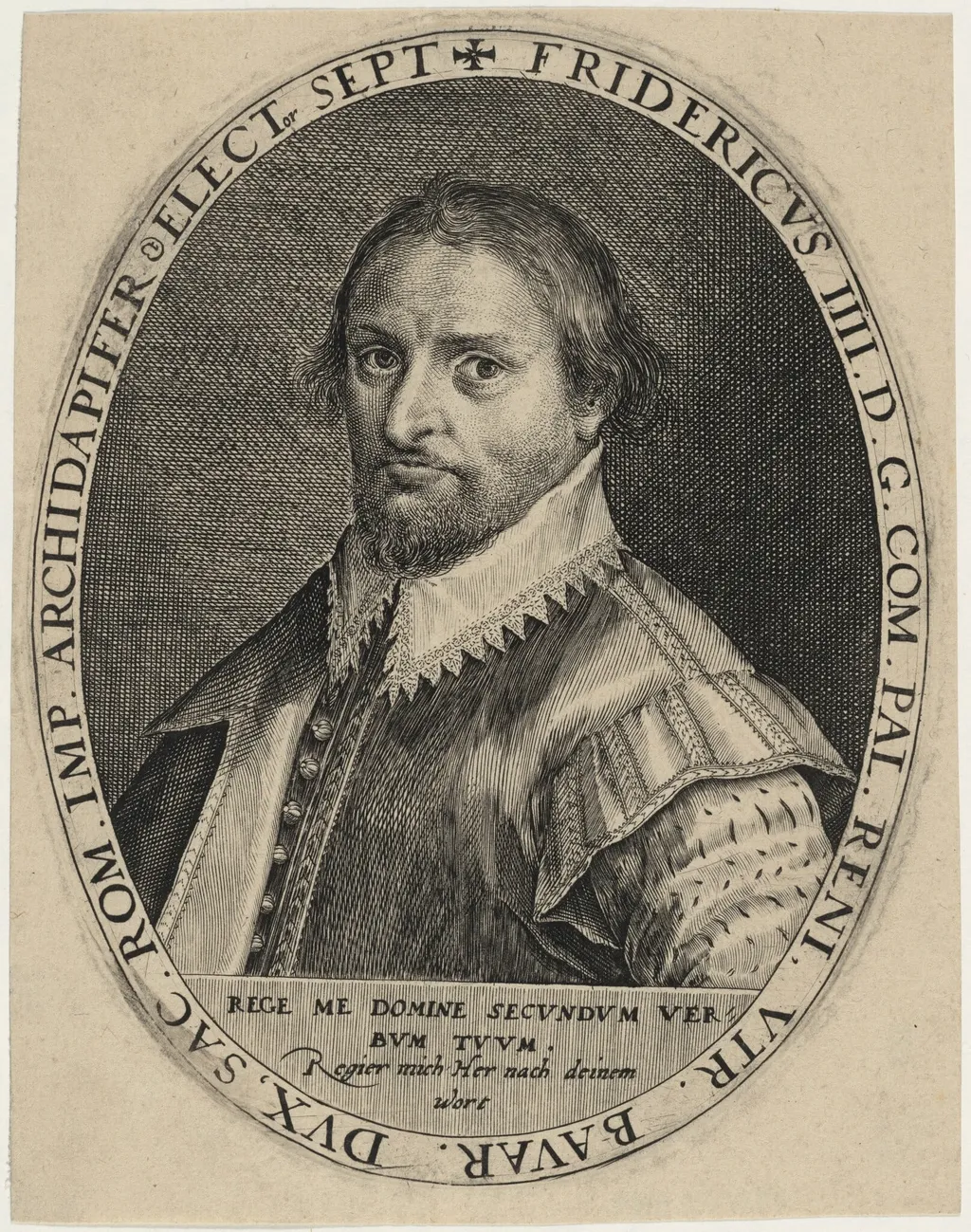
Fredericus IIII (Frederick IV) is an ink print by the Renaissance artist Francis Delaram. It dates from 1608 and is held in the collection of the National Gallery of Art.
About this work
Overview
This 1608 engraving by Francis Delaram depicts Frederick IV, Elector Palatine of the Rhine. Delaram, an English printmaker likely of Flemish origin, worked during the early 17th century and specialized in portraiture and book illustrations. The print is one of several engraved portraits he produced, reflecting the international exchange of artistic styles in Protestant Europe at the time.
Subject & Meaning
The inclusion of cherubs playing instruments in the background alludes to cultural refinement, aligning the subject with humanist ideals of the era.
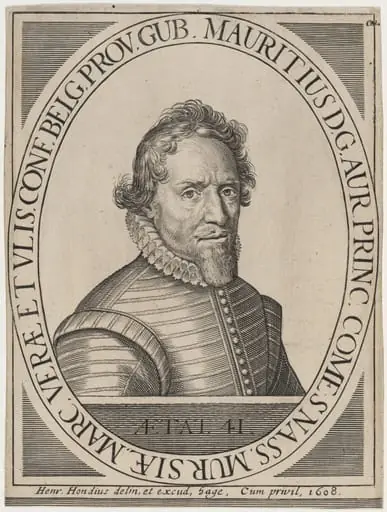
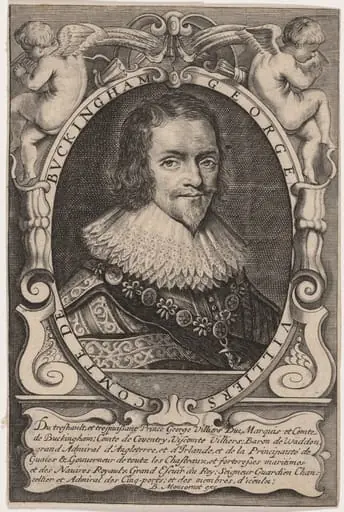
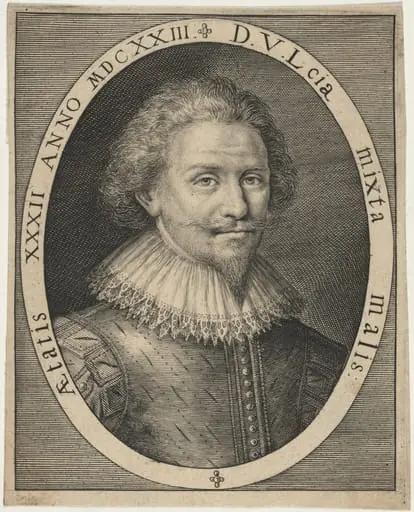
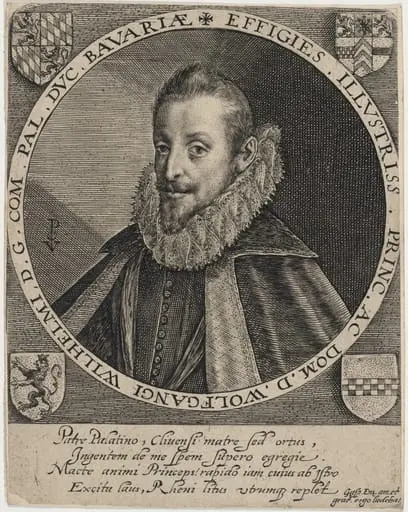
Frederick IV, ruler of the Palatinate and a leading Protestant figure, is portrayed with solemn dignity. His centered gaze, neatly parted hair, and trimmed beard convey authority and restraint. The elaborate lace collar and textured jacket suggest his status within the German nobility. The inclusion of cherubs playing instruments in the background alludes to cultural refinement, aligning the subject with humanist ideals of the era.
Technique & Style
Delaram employed fine, controlled lines typical of Northern European engraving traditions. The clothing is rendered with meticulous detail, particularly the lace and fabric patterns, while the background remains loosely executed, creating a shallow spatial effect. Decorative cherubs reflect Flemish ornamental influences, possibly derived from the work of Cornelis Boel, whose engravings were used in contemporary biblical publications.
History & Provenance
Created in 1608, the engraving likely served as a diplomatic or commemorative portrait, circulated among Protestant courts. Delaram’s activity as a printmaker coincided with his work on William Camden’s historical texts, suggesting his prints were part of broader scholarly and political networks. The print’s survival in institutional collections indicates its early recognition as a record of noble likeness.
Context
The portrait emerges during a period of intense religious and political realignment in Europe. Frederick IV’s leadership in the Protestant Union and his later role in the Bohemian Revolt made him a significant figure. Delaram’s work, though produced in England, aligns with continental traditions of princely portraiture, illustrating how print culture transmitted visual identities across borders.
Legacy
Delaram’s engraving of Frederick IV remains a modest but clear example of early 17th-century portrait printmaking. While not widely reproduced, it contributes to the understanding of how Northern European artists adapted Flemish motifs for English and German audiences. Its technical precision and symbolic elements offer insight into the visual language of Protestant leadership during the pre-Thirty Years’ War era.
Artist & collection
Artist
Francis Delaram (born around 1590, fl. 1615–1624 or 1627), was an English engraver. Delaram left a substantial collection of engraved portraits, landscapes and book illustrations (specifically, William Camden's…

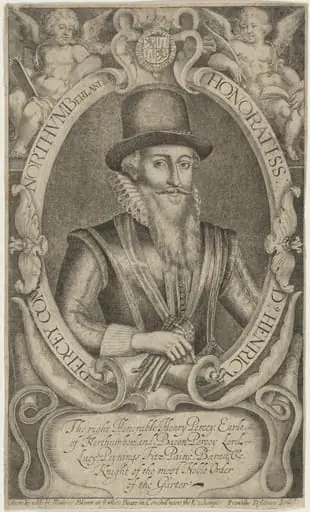 Henricus Percye (Henry Percy, Ninth Earl of Northumberland)
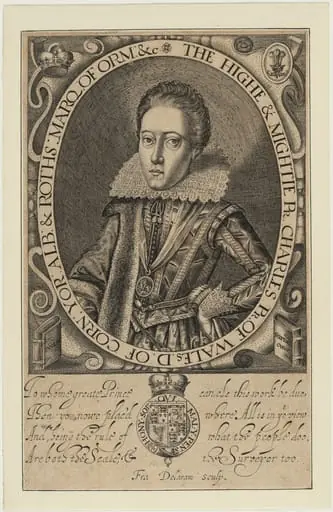 Charles I, as Prince of Wales
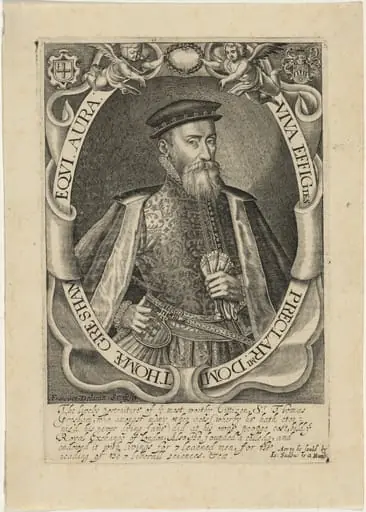 Sir Thomas Grisham
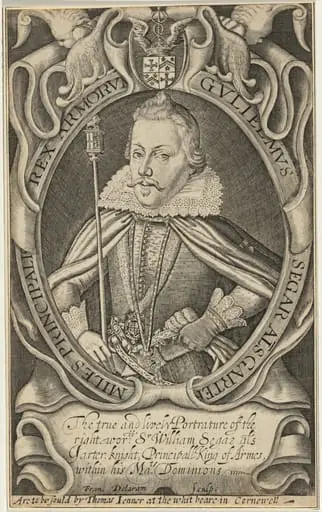 Guliemus Segar (Sir William Segar)
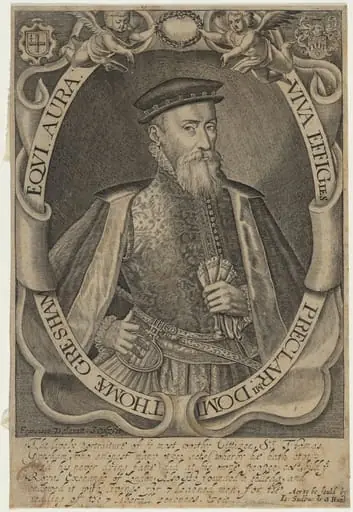 Thomae Gresham Equi. Aura (Sir Thomas Gresham)
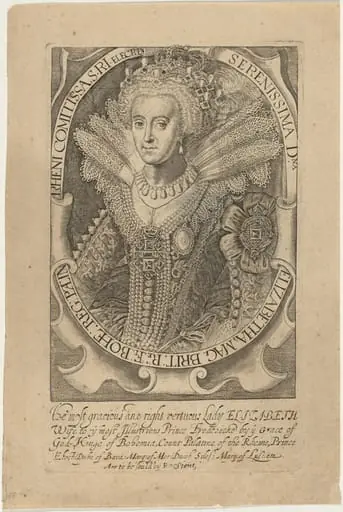 Elizabeth, Queen of Bohemia
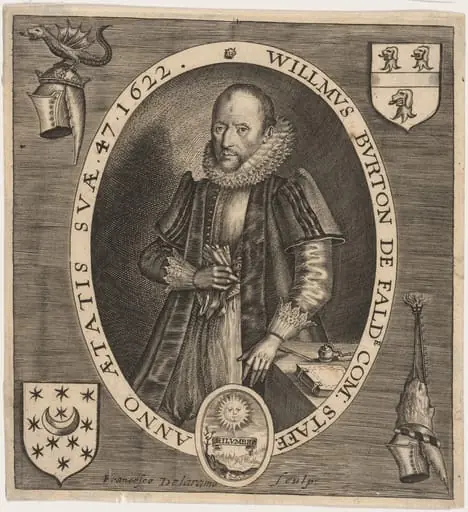 Willmus Burton de Falde (William Burton)
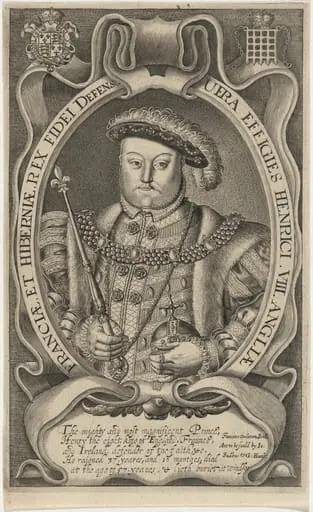 Henrici VIII Angliae, Franciae et Hiberniam Rex (King Henry VIII)