Artwork
Ferdinand I, Roman Emperor
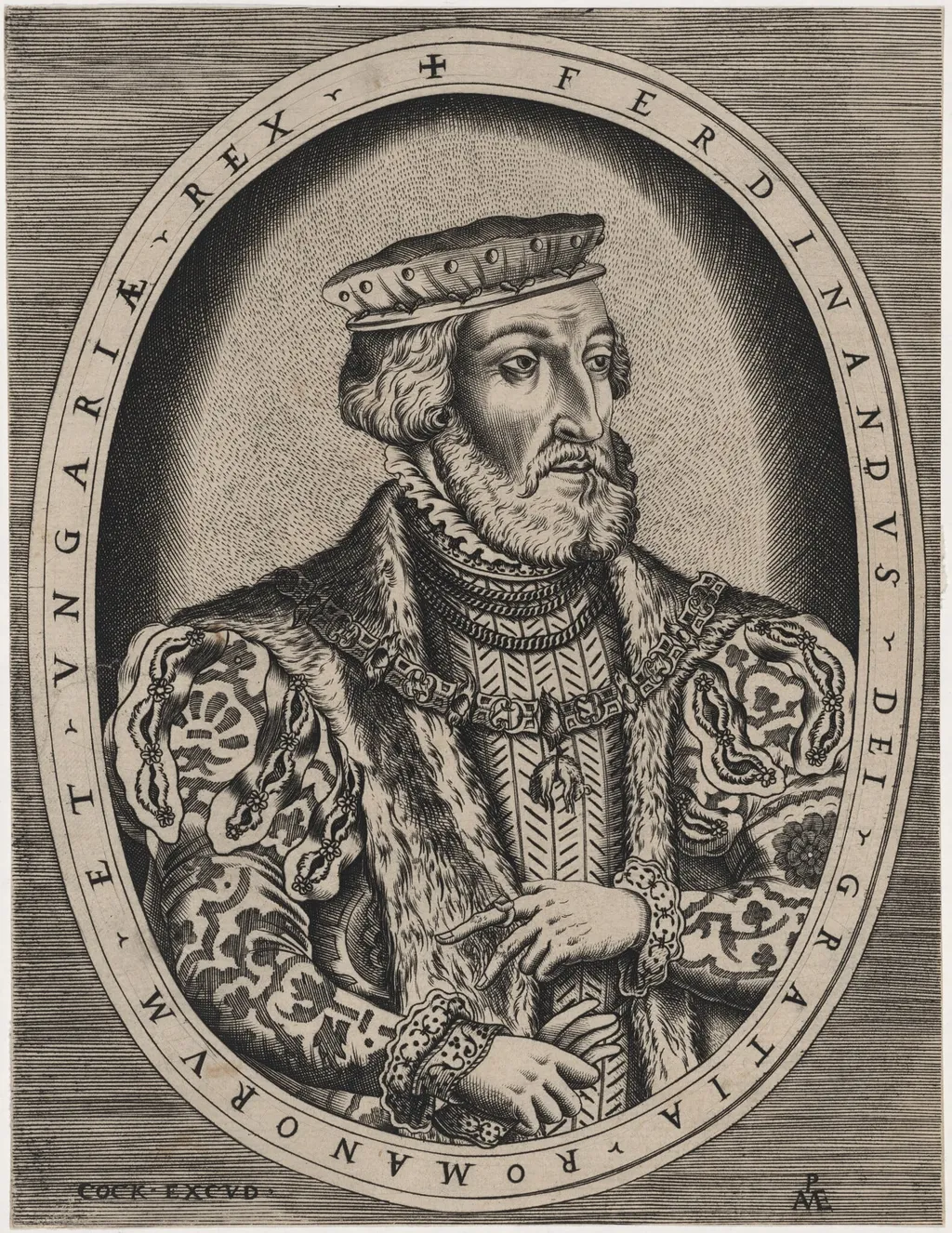
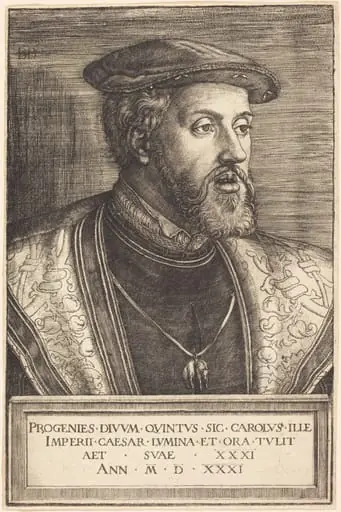
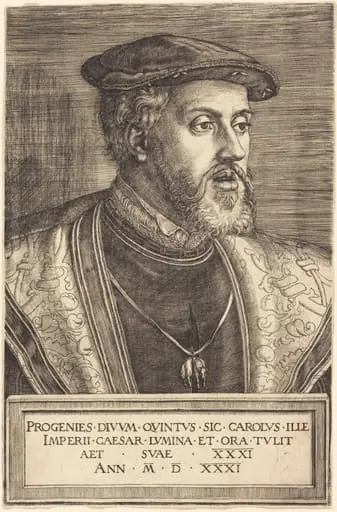
Ferdinand I, Roman Emperor is an ink print by the Renaissance artist Hieronymus Cock. It dates from 1540 and is held in the collection of the National Gallery of Art.
About this work
Overview
This 1540 engraving, *Ferdinand I, Roman Emperor*, is a work by Hieronymus Cock, a Flemish artist and publisher who significantly advanced large-scale printmaking in northern Europe during the mid-16th century.
Subject & Meaning
The engraving portrays Ferdinand I in formal, imperial attire, aligning with the era's fascination with portraiture and the visual representation of imperial authority.
Technique & Style
Executed with meticulous precision, the engraving showcases intricate details in the emperor's facial features and clothing, highlighting Cock's mastery of the engraving technique.
History & Provenance
Created in 1540 by Hieronymus Cock, who also operated a major publishing house in Antwerp, contributing to the commercialization of printmaking in northern Europe.
Context
Reflects the 16th-century European interest in capturing the likeness and power of rulers through detailed, formally composed portraits.
Legacy
As part of Cock's prolific output, the engraving contributes to the broader legacy of 16th-century printmaking innovations, though its specific impact on subsequent art movements is not prominently documented.
Artist & collection
Artist
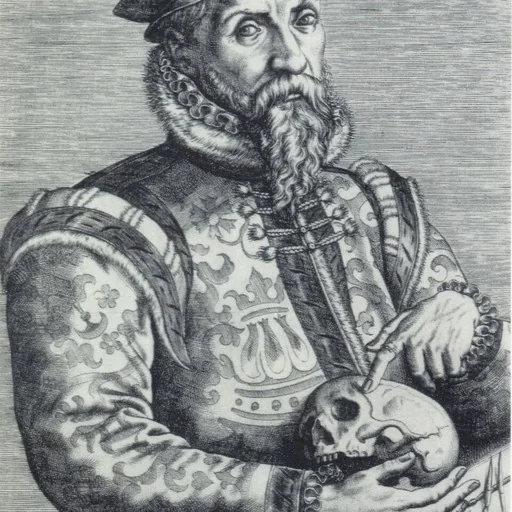
Hieronymus Cock, or Hieronymus Wellens de Cock, (1518 – 3 October 1570) was a Flemish painter and etcher as well as a publisher and distributor of prints.