Artwork
Will Sommers, Kinge Henryes Jester
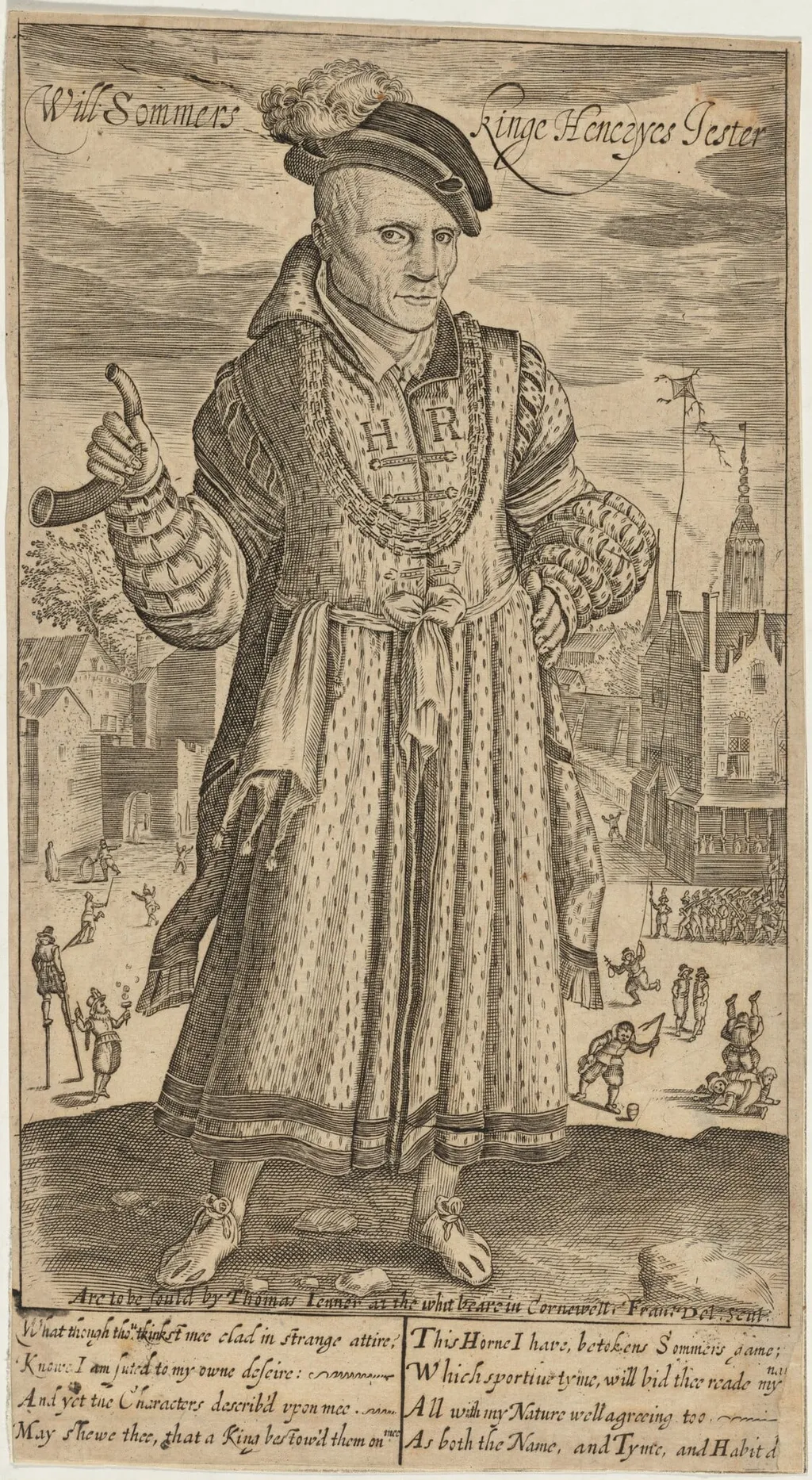
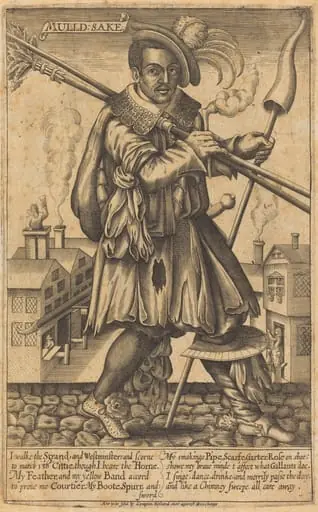
Will Sommers, Kinge Henryes Jester is an ink print by the Renaissance artist Francis Delaram. It dates from 1608 and is held in the collection of the National Gallery of Art.
About this work
Overview
Francis Delaram’s 1608 copper‑plate engraving presents Will Sommers, the celebrated fool of King Henry VIII’s court. The image captures the jester in elaborate costume, thumb raised in a gesture of approval while clutching a horn. Decorative borders frame the central figure, and a modest landscape with a church spire and miniature game scenes fills the background.
Subject & Meaning
Will Sommers, long associated with Henry VIII’s household, is rendered here as a lively entertainer, his flamboyant attire and the horn emphasizing his role in courtly amusement. The accompanying verse at the bottom, referencing the horn, underscores the jester’s function as a source of merriment and commentary within the Tudor court.
Technique & Style
Delaram employed the fine line work typical of early‑17th‑century English engraving, using cross‑hatching to model flesh and fabric. The decorative elements surrounding the figure reveal a Flemish influence, while the restrained treatment of the background demonstrates the period’s preference for a clear, readable composition on a relatively small plate.
History & Provenance
Francis Delaram, active as an engraver from roughly 1615 to 1624, produced portraits and book illustrations, including contributions to William Camden’s Historie. Though the print dates to 1608, it reflects Delaram’s later stylistic development. Surviving copies are found in several European print collections, attesting to the work’s circulation among collectors of Tudor portraiture.
Artist & collection
Artist
Francis Delaram (born around 1590, fl. 1615–1624 or 1627), was an English engraver. Delaram left a substantial collection of engraved portraits, landscapes and book illustrations (specifically, William Camden's…

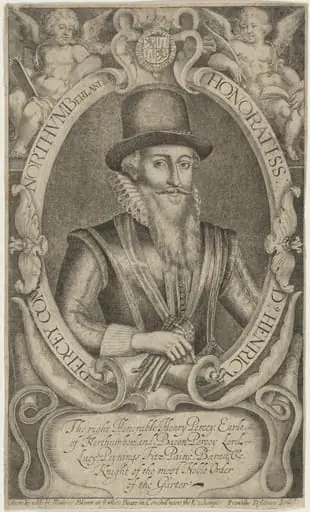 Henricus Percye (Henry Percy, Ninth Earl of Northumberland)
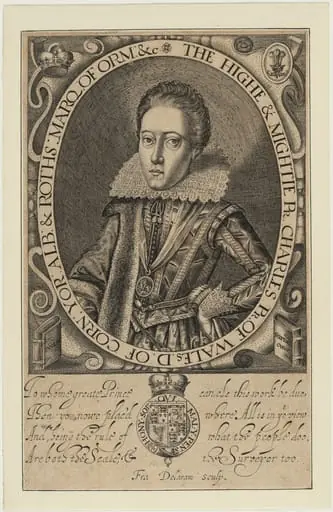 Charles I, as Prince of Wales
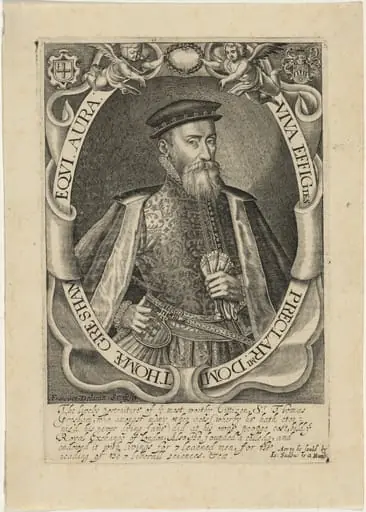 Sir Thomas Grisham
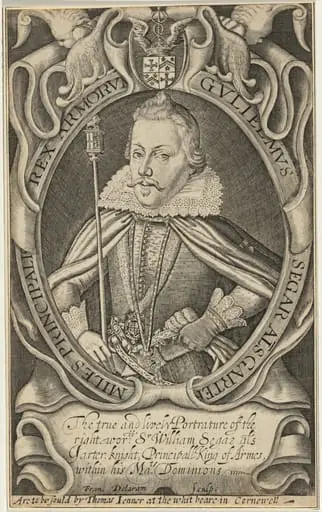 Guliemus Segar (Sir William Segar)
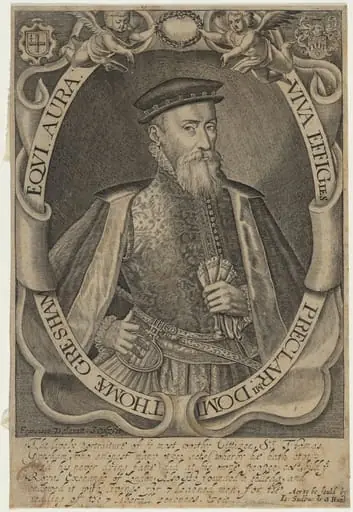 Thomae Gresham Equi. Aura (Sir Thomas Gresham)
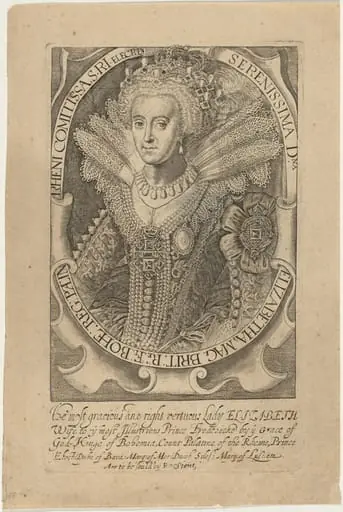 Elizabeth, Queen of Bohemia
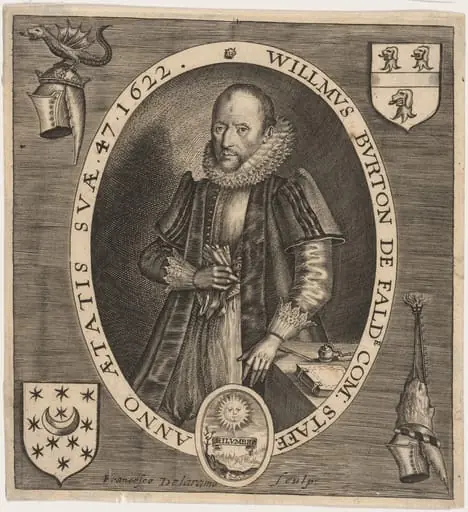 Willmus Burton de Falde (William Burton)
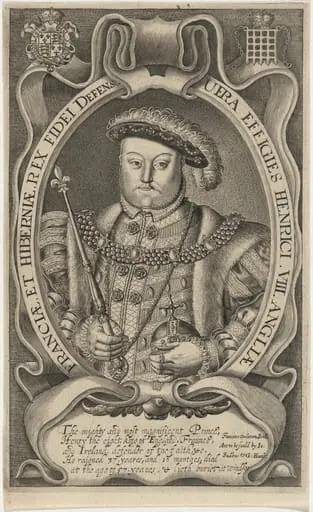 Henrici VIII Angliae, Franciae et Hiberniam Rex (King Henry VIII)