Artwork
Moor in a Turban Trimmed with Five Feathers
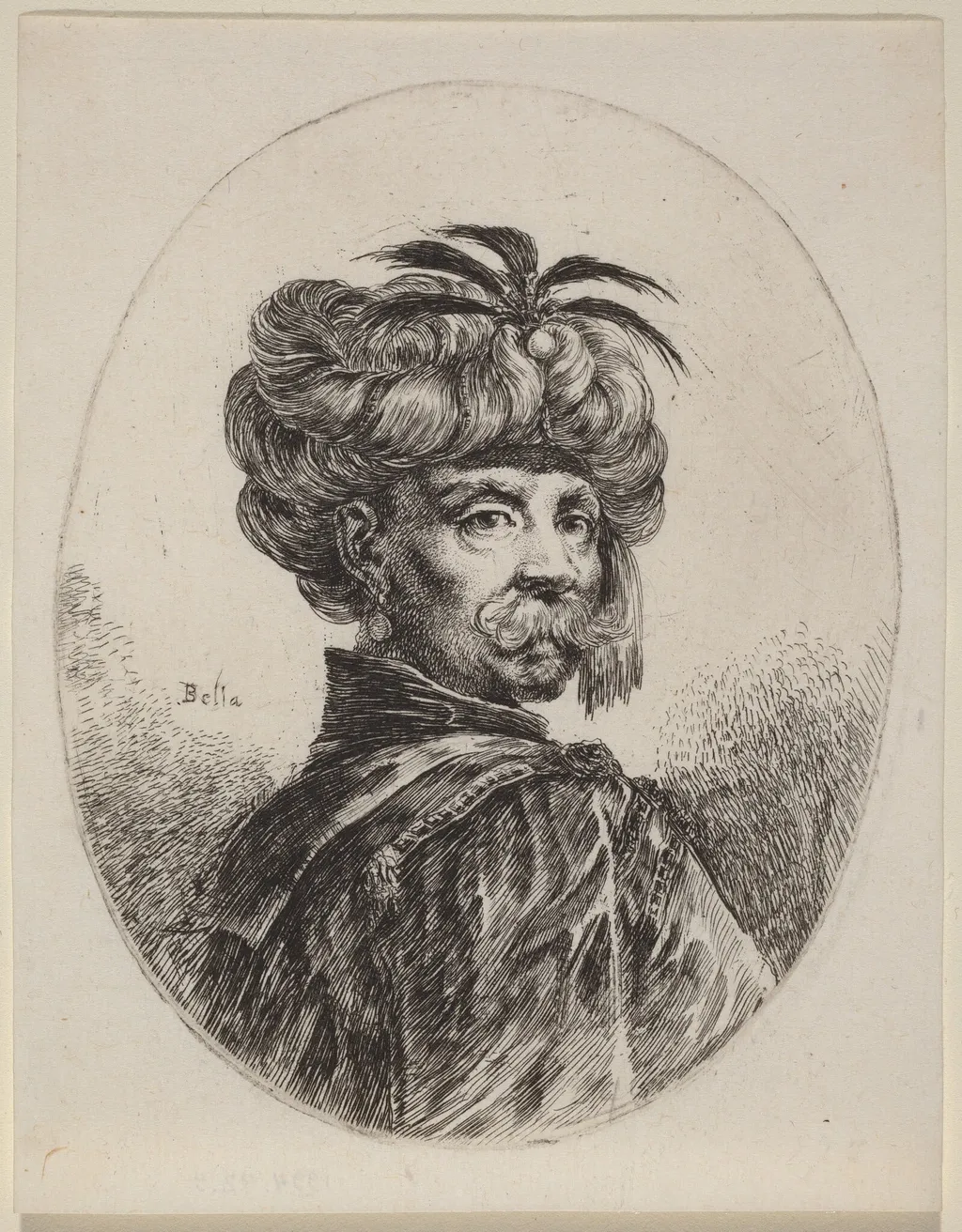
Moor in a Turban Trimmed with Five Feathers is an ink print by the Baroque artist Stefano Della Bella. It dates from 1650 and is held in the collection of the National Gallery of Art.
About this work
Overview
Stefano della Bella, a Florentine artist active in the mid-17th century, produced this etching in 1650 as part of a vast body of graphic work.
Stefano della Bella, a Florentine artist active in the mid-17th century, produced this etching in 1650 as part of a vast body of graphic work. Known primarily for his prints rather than paintings, he created over a thousand etchings alongside numerous drawings. This piece, rendered on laid paper, exemplifies his engagement with portraiture and exoticized figures, reflecting the period’s fascination with cultural difference and visual curiosity.
Subject & Meaning
The figure depicts a man wearing a turban adorned with five feathers, a stylized representation likely inspired by contemporary European perceptions of North African or Middle Eastern attire. The elaborate headgear and thick mustache suggest an idealized or theatrical portrayal rather than a specific individual. Such images were often used to explore foreignness, status, or costume, serving more as visual studies than ethnographic records.
Technique & Style
Della Bella employed etching to create fine, expressive lines that convey texture and movement with apparent spontaneity. The scratchy, energetic strokes suggest a rapid execution, capturing the folds of fabric and the curl of hair with minimal but deliberate marks. The use of laid paper, with its characteristic chain lines, was standard for prints of the time, enhancing the tactile quality of the image while supporting the medium’s reproductive potential.
History & Provenance
The etching emerged during della Bella’s mature period, when he was working in Florence and later in Paris under the patronage of the French court. Though the specific early ownership of this print is undocumented, it aligns with his broader output circulated among collectors and artists. Its survival reflects the demand for his graphic work, which was widely disseminated across Europe in the decades following its creation.
Context
In mid-17th-century Europe, images of 'Moors' and other non-European figures appeared frequently in art, often as symbols of exoticism or theatricality. Della Bella’s depiction fits within this trend, influenced by diplomatic exchanges, travel literature, and courtly masques. His approach, however, avoids overt caricature, instead favoring a nuanced, observational style rooted in his background as a skilled draftsman.
Legacy
Della Bella’s etchings, including this one, contributed to the development of printmaking as a serious artistic medium in Italy and beyond. His ability to render detail with fluidity influenced later generations of printmakers. While not widely exhibited today, his works remain in major collections, valued for their technical precision and their insight into early modern visual culture.
Artist & collection
Artist
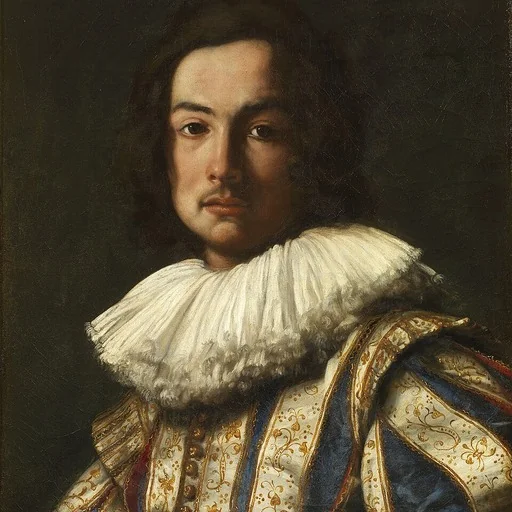
Stefano della Bella (18 May 1610 – 12 July 1664) was an Italian draughtsman and printmaker known for etchings of a great variety of subjects, including military and court scenes, landscapes, and lively genre scenes.

![The Flight into Egypt [verso], by Stefano Della Bella](https://artifactworldgallery.com/img/stefano-della-bella--the-flight-into-egypt-verso--3a100db72e6d25e3-w320.webp)
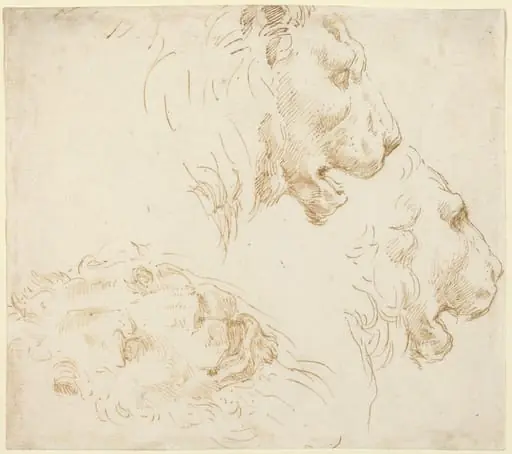
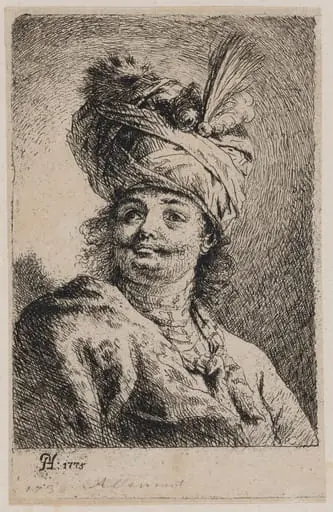 Oriental with a Turban, Three-Quarter View
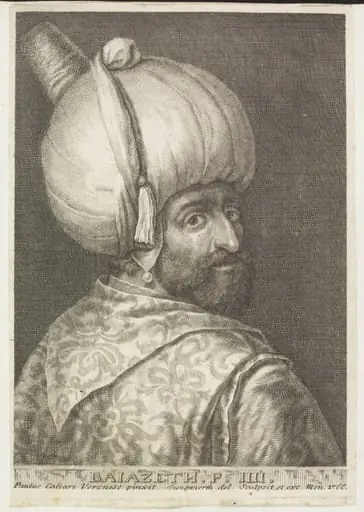 Turkish sultans, sultanas and other historical figures
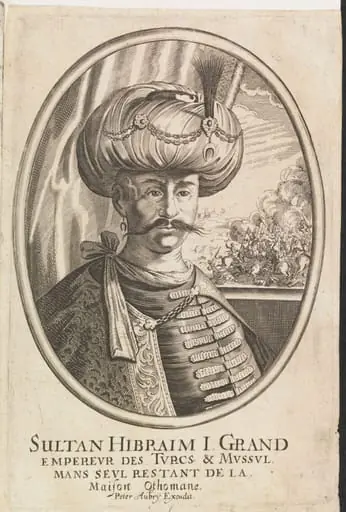 Turkish sultans, sultanas and other historical figures
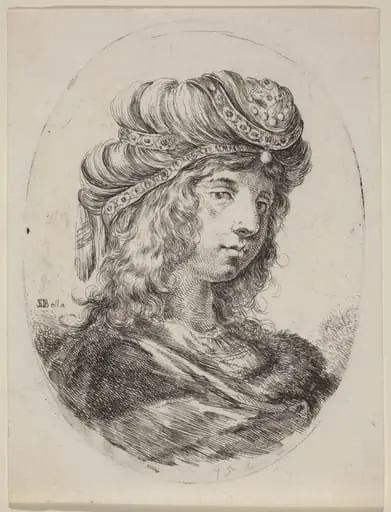 Sultaness in a Banded Turban, Turned to the Right
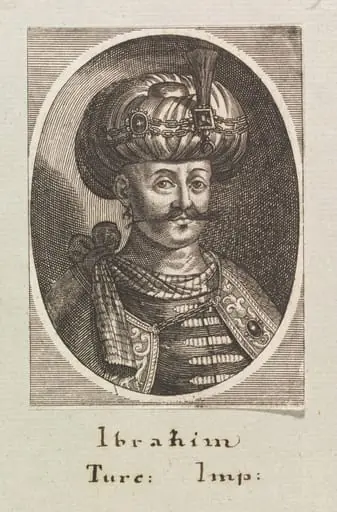 Turkish sultans, sultanas and other historical figures
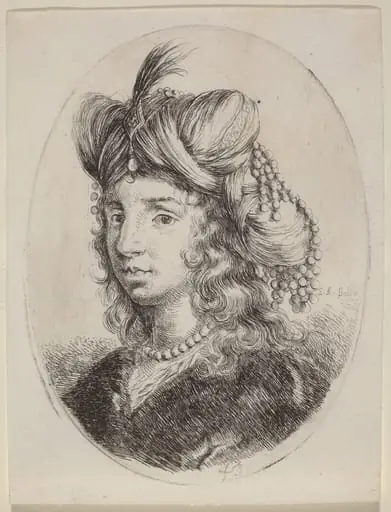 Sultaness Adorned with Pearls, Turned to the Left
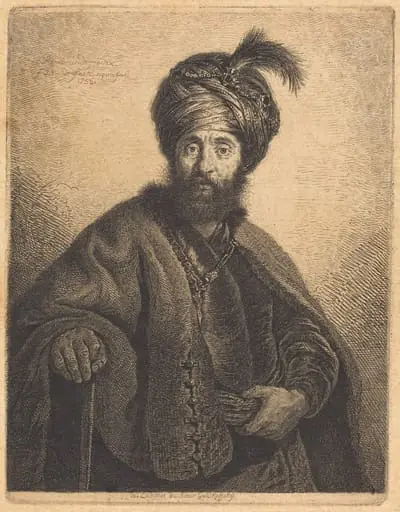 The Persian
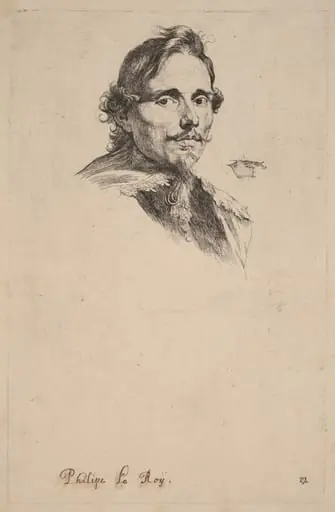 Philippe le Roy, Lord of Ravels
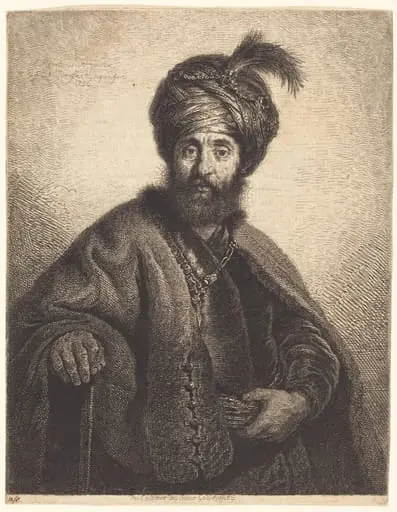 The Persian
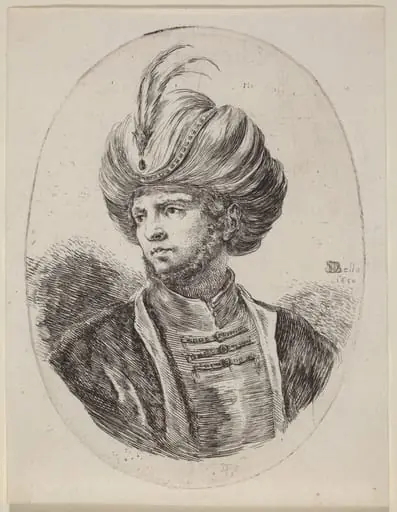 Young Moor with a Slight Beard and Feathered Turban, Turned to the Left