Artwork
Perseus and Andromeda; Cephalus and Procris; Hippomene and Atalantus
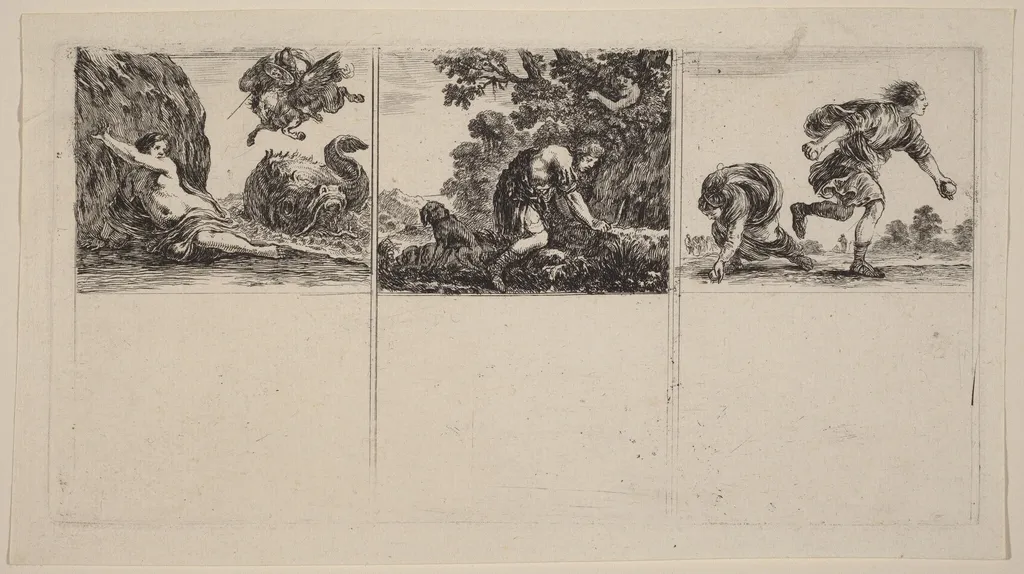
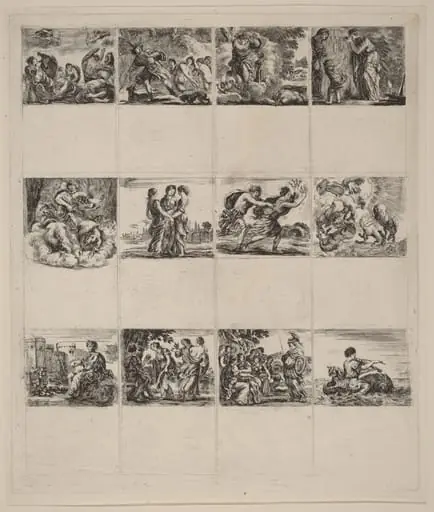
Perseus and Andromeda; Cephalus and Procris; Hippomene and Atalantus is an ink print by the Baroque artist Stefano Della Bella. It dates from 1644 and is held in the collection of the National Gallery of Art.
About this work
Overview
Each scene is tightly composed within a unified format, demonstrating the artist’s skill in condensing complex stories into a compact visual field.
Created in 1644 by Stefano della Bella, this single sheet combines three distinct mythological narratives through etching. Each scene is tightly composed within a unified format, demonstrating the artist’s skill in condensing complex stories into a compact visual field. Della Bella, a Florentine printmaker active in the mid-17th century, favored etching for its precision and expressive line, distinguishing his output from the painting traditions of his peers.
Subject & Meaning
The left panel illustrates Perseus rescuing Andromeda from a sea monster, the center shows Cephalus and Procris reunited in a woodland setting, and the right depicts Hippomene outpacing Atalanta during their race. These stories, drawn from Ovid’s Metamorphoses, explore themes of love, fate, and divine intervention. Della Bella’s selection suggests an interest in human vulnerability and the interplay between mortal effort and supernatural forces.
Technique & Style
Using fine, incised lines typical of etching, della Bella rendered each scene with dense, energetic detail. The compositions are animated by swirling drapery, dynamic poses, and overlapping figures, creating a sense of motion despite the static medium. The absence of tone or color emphasizes linear rhythm, allowing the viewer’s eye to trace the narrative flow across the three panels as if reading a visual sequence.
History & Provenance
Della Bella produced this print during his mature period in Florence, where he maintained a prolific career despite political instability and shifting artistic tastes. The sheet was likely circulated among collectors and artists familiar with classical literature, serving both as artistic study and decorative object. No early provenance is documented, but its survival in multiple institutional collections attests to its enduring appeal among print connoisseurs.
Context
In mid-17th-century Italy, mythological subjects remained popular among printmakers seeking to engage educated audiences. Della Bella’s work reflects a broader trend of reviving classical narratives through graphic media, distinct from the grandeur of Baroque painting. His prints often circulated beyond Florence, reaching Northern Europe, where their narrative clarity and technical finesse were highly regarded.
Legacy
Though not widely known today outside specialist circles, della Bella’s etchings influenced later generations of printmakers through their compositional ingenuity and narrative economy. This tripartite sheet exemplifies his ability to merge multiple stories into a single, coherent frame—a technique that prefigured modern sequential imagery. His legacy endures in the preservation of his prints across major European collections.
Artist & collection
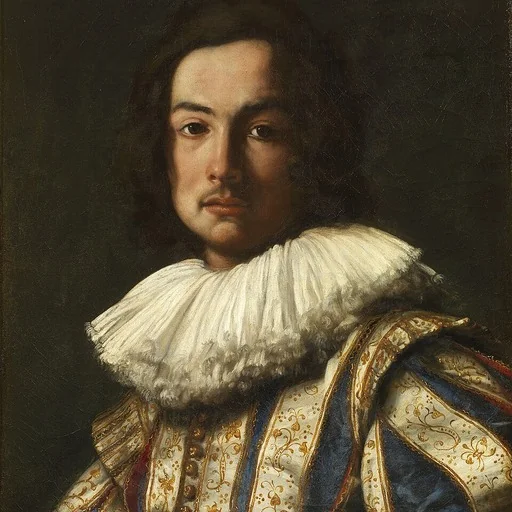
Artist
Stefano della Bella (18 May 1610 – 12 July 1664) was an Italian draughtsman and printmaker known for etchings of a great variety of subjects, including military and court scenes, landscapes, and lively genre scenes.

![The Flight into Egypt [verso], by Stefano Della Bella](https://artifactworldgallery.com/img/stefano-della-bella--the-flight-into-egypt-verso--3a100db72e6d25e3-w320.webp)
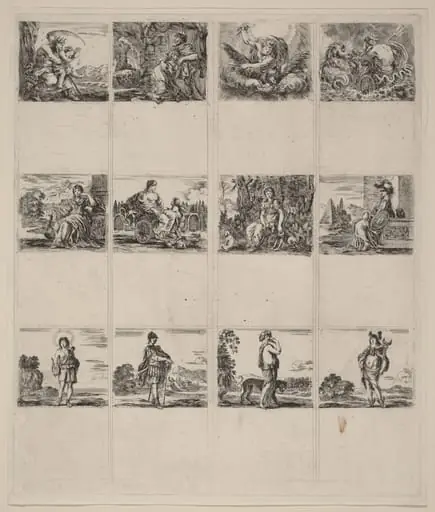 Mythological Playing Cards
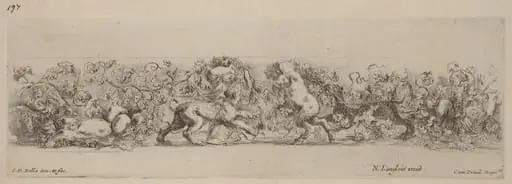 Ornamental Frieze with Grape Vine
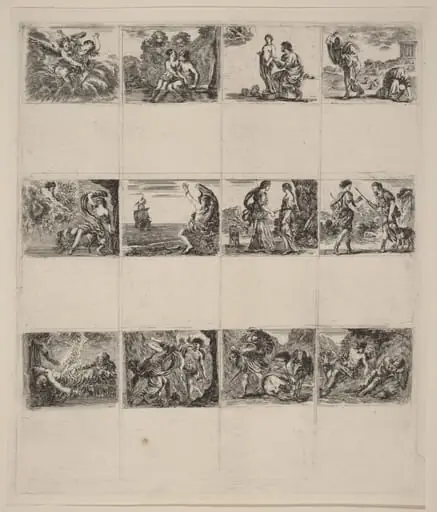 Mythological Playing Cards
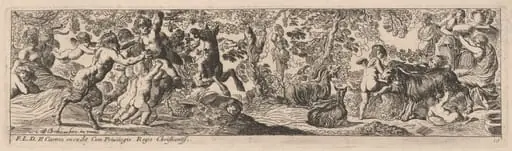 Satyrs and Putti Playing with Animals
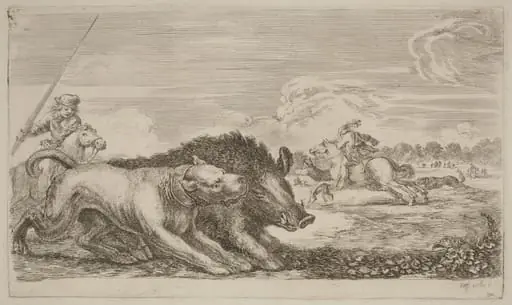 Boar Chased by a Dog
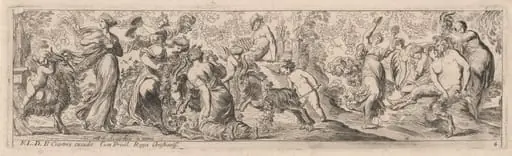 Putto Herding Goats through Garlands
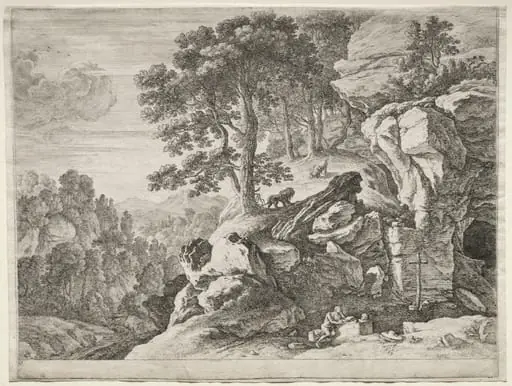 The Penitents: St. Jerome in the Desert
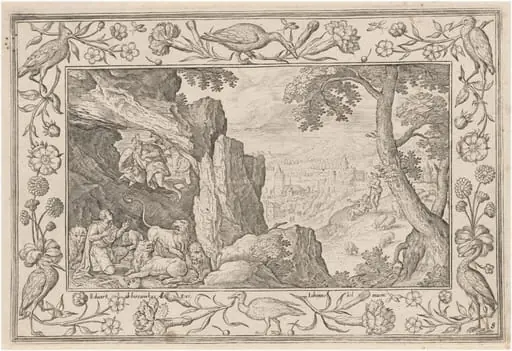 Daniel in the Lion’s Den
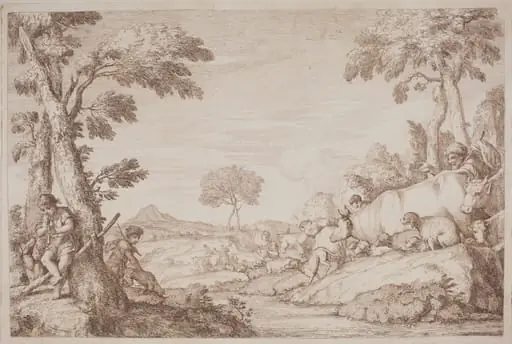 A Pastoral Journey with a Boy Playing His Flute by a Tree
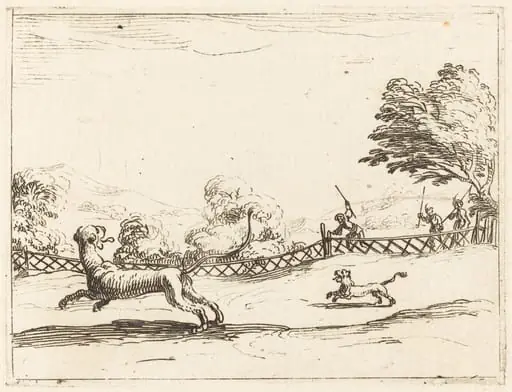 Lioness and Cub Pursued by Hunters
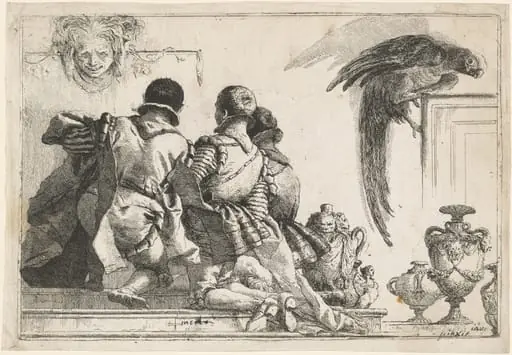 Kneeling Pages, a Mask, and a Parrot
 Mythological Playing Cards