Artwork
Mamaia veche
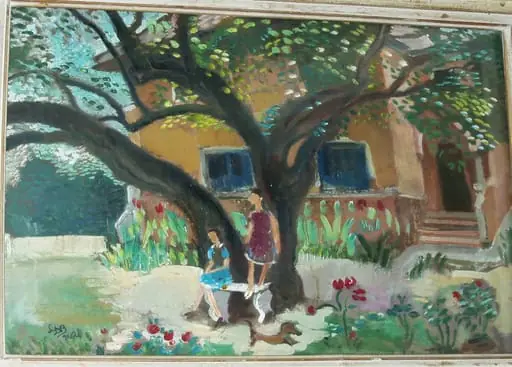
Mamaia veche is an unspecified painting by Lucia Dem-Bălăcescu. It dates from 1850 and is held in the collection of the National Museum of Art of Romania.
About this work
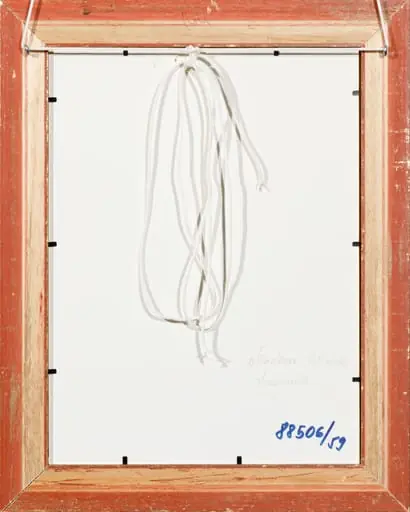
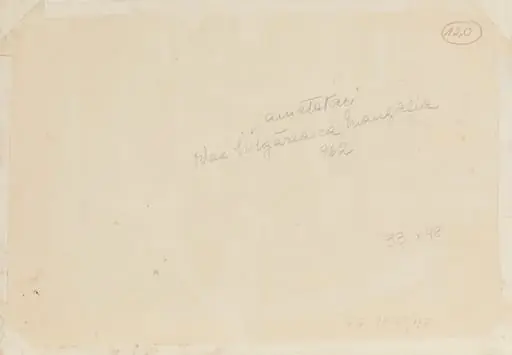
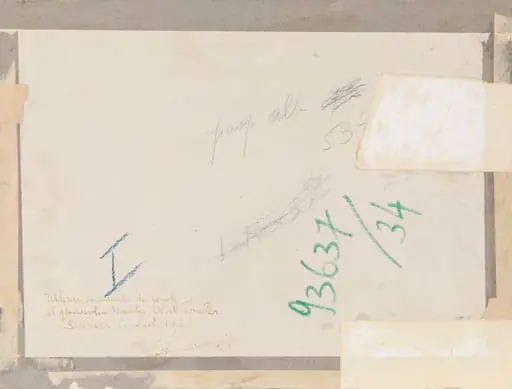
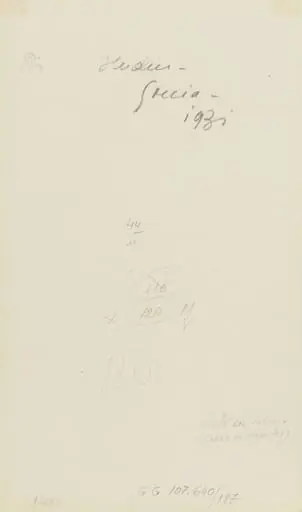
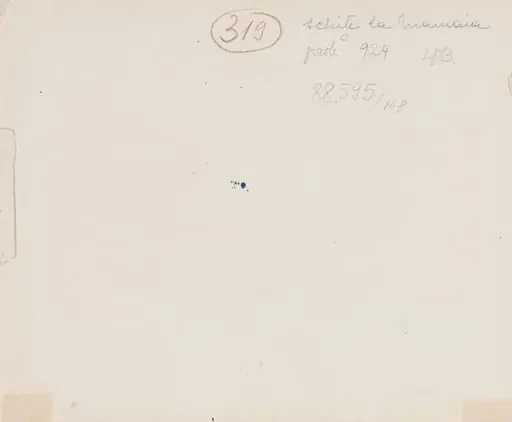
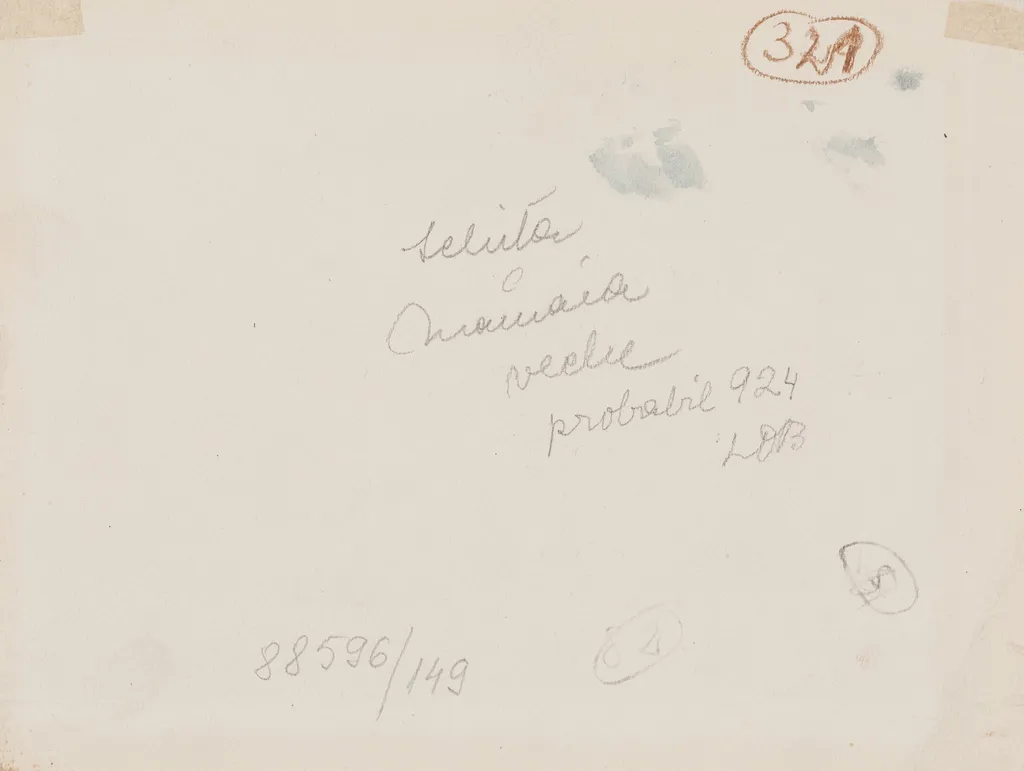
The words "Mamaia veche" are scrawled near the top, along with notes like "probabil 1876" and a number "924.
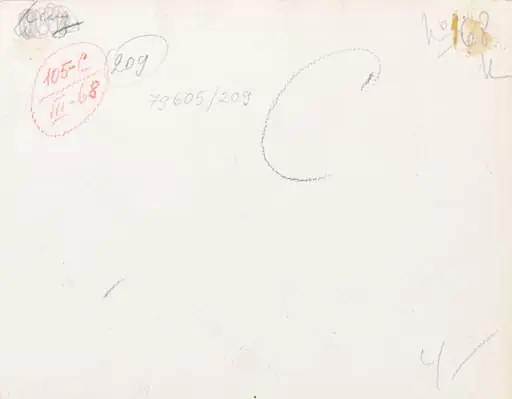
This is a blank canvas with faded pencil writing. The words "Mamaia veche" are scrawled near the top, along with notes like "probabil 1876" and a number "924." There’s also a partial date "88596/149" and a few small circles and smudges in the corners.
The notes suggest this might be a sketch or inventory label for a painting. The handwriting looks hurried, like someone jotting down details quickly.
If you’re curious about where this might belong, check out the Museum of Ethnography.
Overview
This artifact is a fragmentary surface bearing faint pencil inscriptions, attributed to Lucia Dem-Bălăcescu around 1850. What remains is not a finished image but a set of annotations—likely an inventory tag or working note—on what may have been a preparatory or discarded support. The presence of cryptic numerals and tentative dates suggests it was used in cataloging or archival practice rather than as an artistic composition.
Subject & Meaning
The phrase 'Mamaia veche' refers to an old locality in Romania, possibly tied to folk traditions or regional geography. The accompanying notes, including 'probabil 1876' and '924,' imply an attempt to link the label to a specific object or location in a collection. The markings do not convey narrative or symbolism but serve as functional identifiers, reflecting the practical concerns of documentation over artistic intent.
Technique & Style
The inscriptions are executed in a hurried, unrefined hand, with light pencil strokes showing signs of erasure and smudging. Circles and stray marks in the corners suggest marginalia or cross-referencing. There is no compositional intent; the surface functions as a record-keeping tool. The style is utilitarian, resembling the kind of annotations made by archivists or curators during routine inventory work.
History & Provenance
The work’s origins are tied to Lucia Dem-Bălăcescu’s archival activities in mid-19th-century Romania. Its survival as a standalone fragment indicates it was separated from its original context—perhaps a larger collection of paintings or ethnographic materials. The reference to 1876 and the numerical code '88596/149' may correspond to institutional cataloging systems now lost or untraced.
Context
In the mid-1800s, Romanian cultural institutions began systematically documenting regional artifacts and landscapes. This fragment likely emerged from such efforts, possibly linked to ethnographic surveys or museum acquisitions. The handwriting and notation style align with contemporary practices among scholars compiling regional heritage, where speed and legibility outweighed aesthetic consideration.
Legacy
As a surviving fragment of archival labor, it offers insight into the quiet, often overlooked work behind cultural preservation. Though not an artwork in the traditional sense, it bears witness to the processes by which objects were classified and remembered. Its current preservation suggests recognition of its value as a historical trace rather than a creative product.
Artist & collection