Artwork
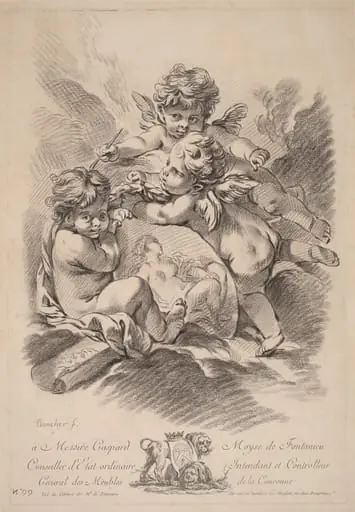
Allegory of Music with Two Cherubs and Doves (100)
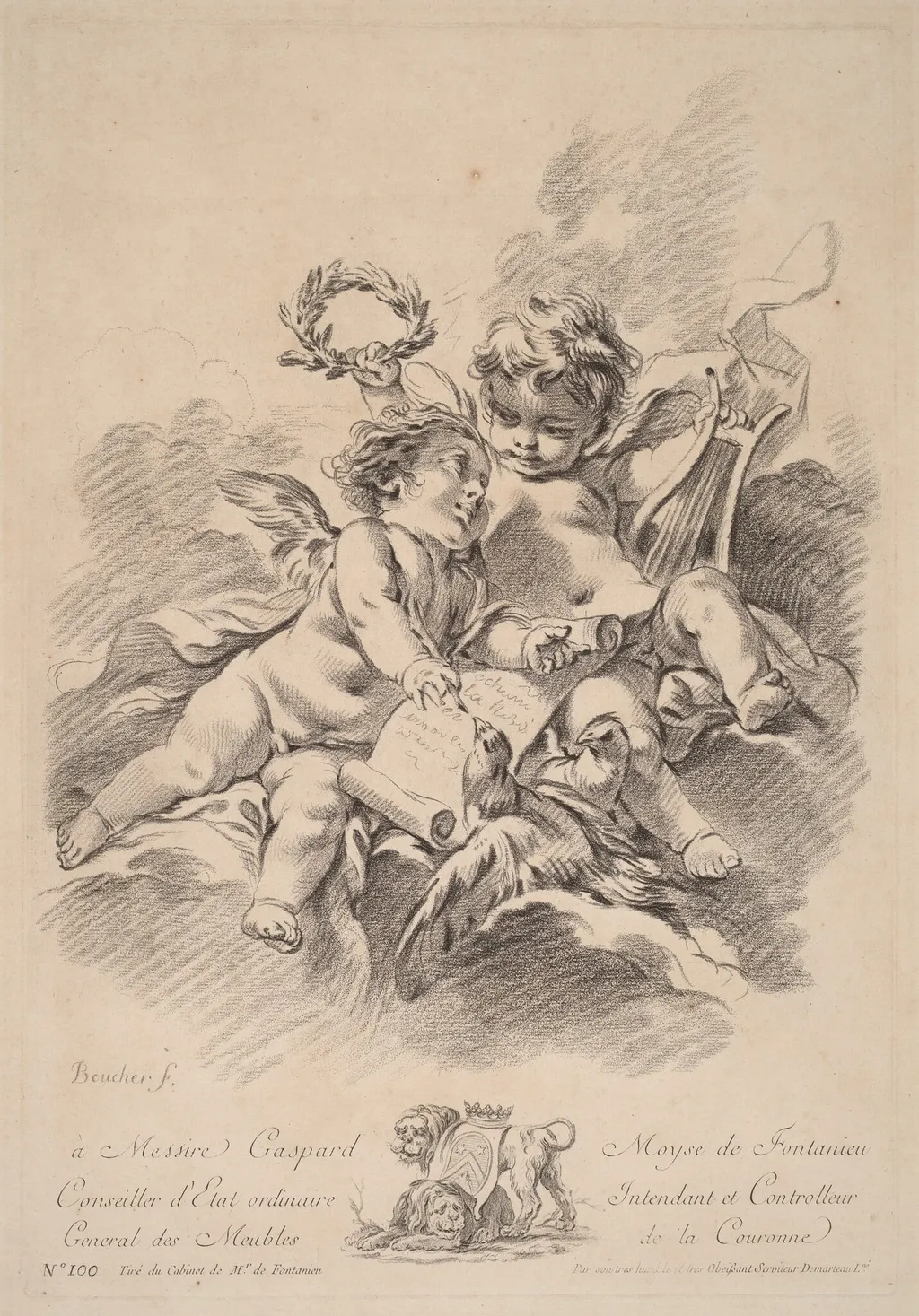
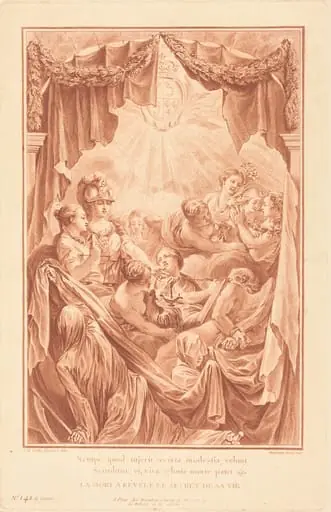
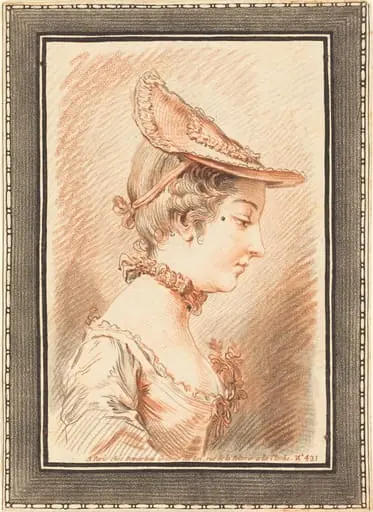
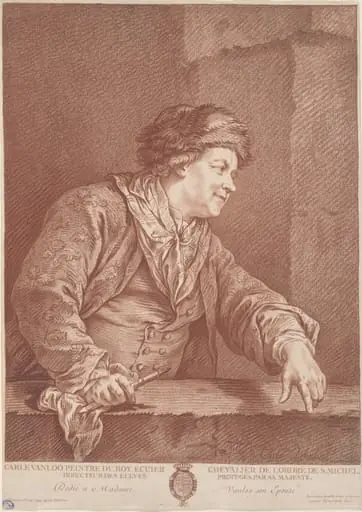
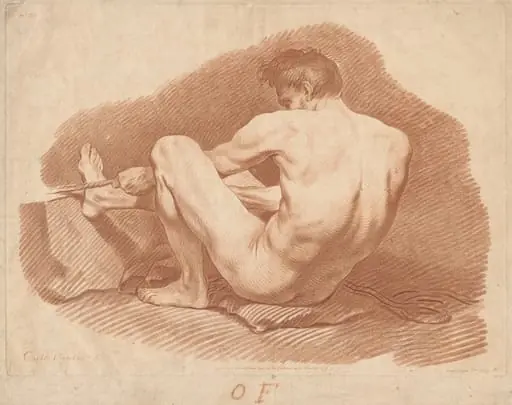
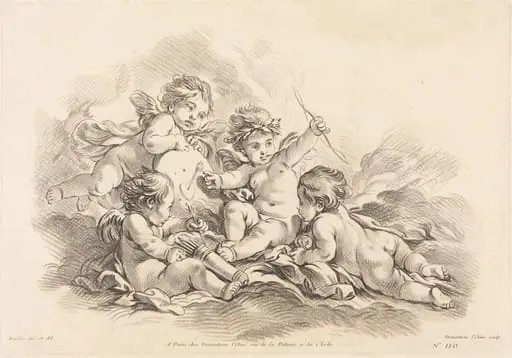
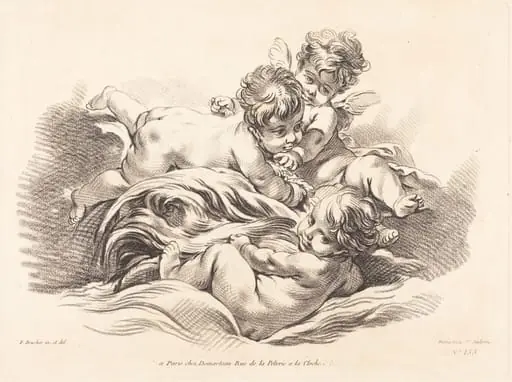
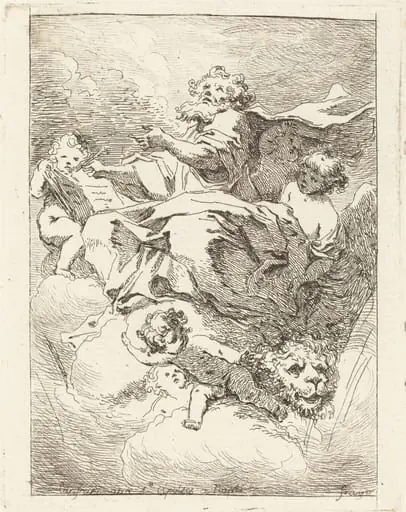
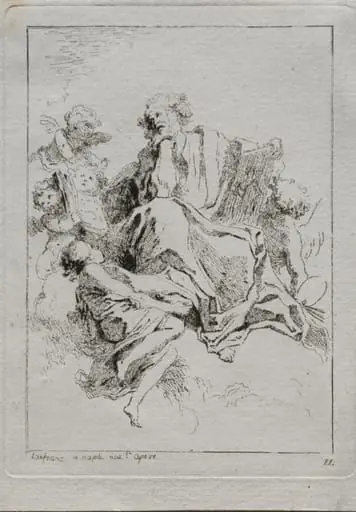
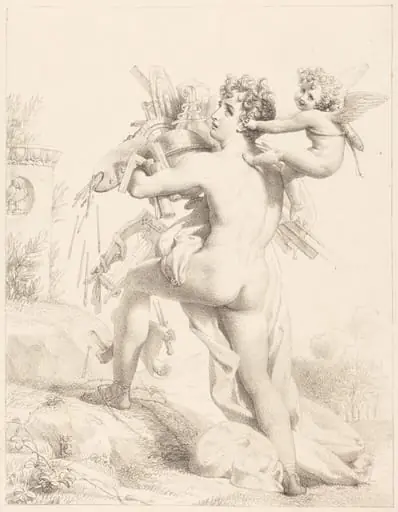
Allegory of Music with Two Cherubs and Doves (100) is a chalk print by the Baroque artist Gilles Demarteau the Elder. It dates from 1749 and is held in the collection of the National Gallery of Art. The work is a black‑ink print on laid paper, executed in the chalk‑manner technique and dated 1749.
About this work
Overview
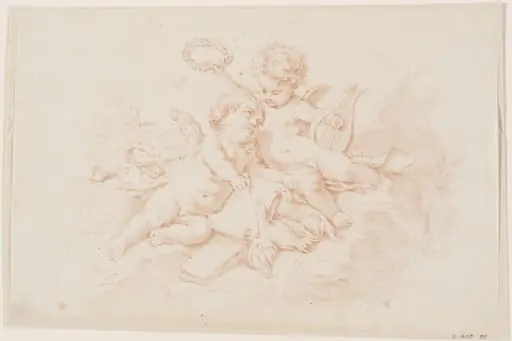
The work is a black‑ink print on laid paper, executed in the chalk‑manner technique and dated 1749. It depicts a modestly sized composition in which two plump cherubic figures are engaged with musical devices, accompanied by hovering doves. The image is held in the collection of the National Gallery of Art in Washington, D.C.
Subject & Meaning
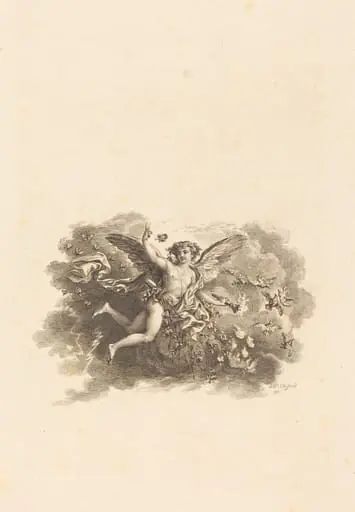
The central figures are two infantile angels, one blowing a flute and the other plucking a lyre, symbols traditionally associated with harmony and the celestial nature of music. The doves that surround them reinforce themes of peace and the spiritual resonance of sound, suggesting an allegorical celebration of music’s soothing power.
Technique & Style
The print employs the chalk‑manner process, a relatively uncommon method in which the artist sketches the design on a copper plate with chalk before inking. This yields a soft, sketch‑like quality, with lines that resemble pencil work rather than the crisp edges of conventional engraving. The result is a delicate tonal range that emphasizes the gentle mood of the scene.
History & Provenance
Created by the French engraver Gilles Demarteau the Elder, the print was produced in the mid‑18th century, a period when allegorical subjects were popular in decorative prints. It entered the National Gallery of Art’s holdings through acquisition in the 20th century, where it remains part of the museum’s print and drawing collection.
Context
During the Rococo era, artists often favored lighthearted, pastoral subjects rendered with elegant softness. Demarteau’s use of the chalk‑manner technique aligns with contemporary tastes for prints that resembled drawings, catering to collectors who desired affordable yet refined artworks for domestic interiors.
Artist & collection