Artwork
Portrait of Jacob Pietersz Olycan (1596-1638)
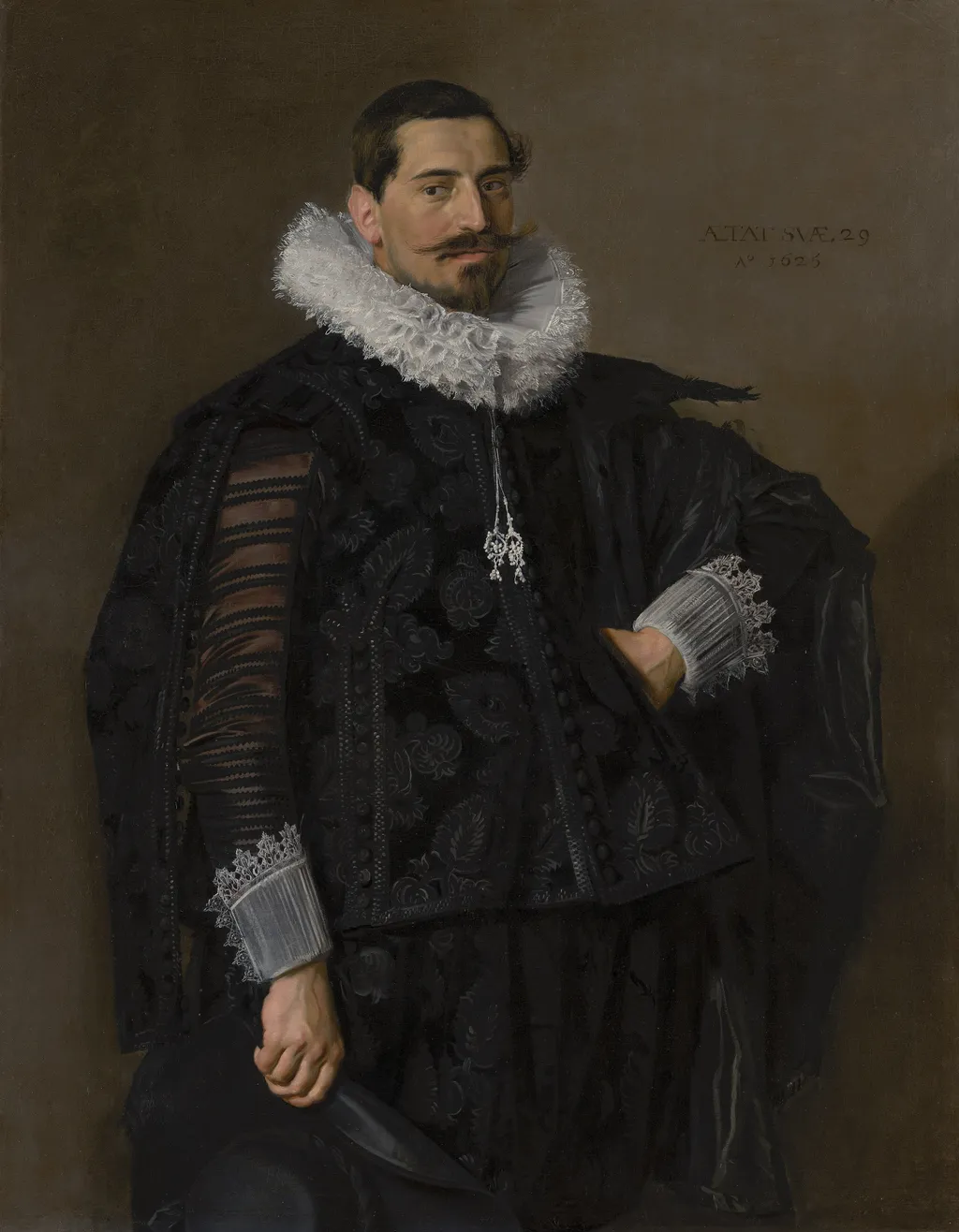
Portrait of Jacob Pietersz Olycan (1596-1638) is an oil painting by the Dutch Golden Age artist Frans Hals. It dates from 1625 and is held in the collection of the Mauritshuis.
About this work
The artist has used chiaroscuro to create a sense of depth and volume in the subject's face and clothing.
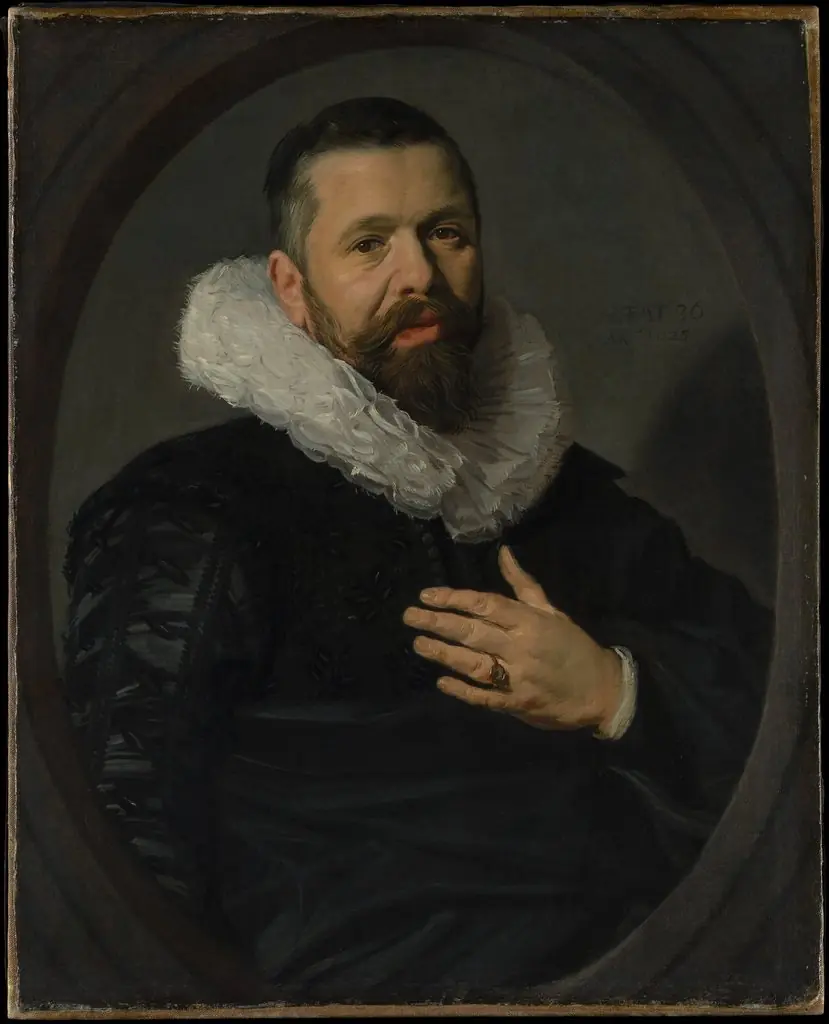
This painting shows a man dressed in black, with a white ruffled collar and cuffs. He has short dark hair and a mustache, and his right hand rests on the hilt of a sword. The background is a dark brown color.
The man's clothing and the style of the painting suggest that it is from the 17th century. The artist has used chiaroscuro to create a sense of depth and volume in the subject's face and clothing.
The painting is a portrait of Jacob Pietersz Olycan, created by the Dutch artist Frans Hals. To learn more about the artist's technique, look up the use of impasto in his work.
Overview
This 1625 oil-on-canvas portrait by Frans Hals depicts Jacob Pietersz Olycan, a figure from Haarlem's wealthy burgher class. The painting is characteristic of Hals' work, showcasing his skill in capturing the likeness and personality of his subjects.
Subject & Meaning
The subject, Jacob Pietersz Olycan, is shown dressed in formal attire, with a sword at his side, indicating his social status. His confident pose and direct gaze convey a sense of self-assurance and pride.
Technique & Style
Hals employed chiaroscuro to create a sense of depth and volume in Olycan's face and clothing. The use of chiaroscuro, along with loose brushwork, contributes to the painting's sense of vitality and immediacy.
History & Provenance
The portrait is now part of the Mauritshuis collection, having been created during a period when Haarlem's citizens were actively collecting art for their homes, despite restrictions on certain types of imagery.
Own this work as a print
Artist & collection
Artist
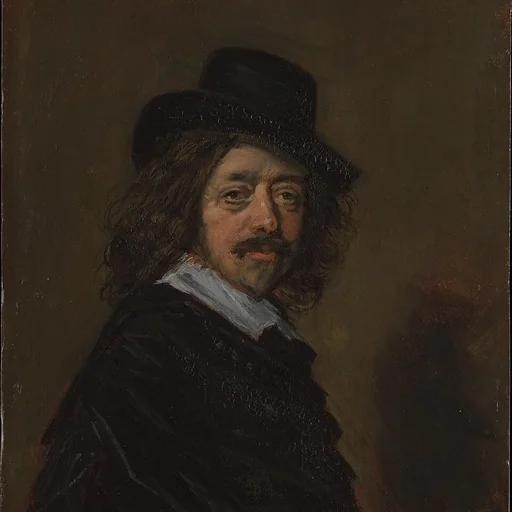
Frans Hals the Elder (UK: , US: ; Dutch: ; c. 1582 – 26 August 1666) was a Dutch Golden Age painter. He lived and worked in Haarlem, a city in which the local authority of the day frowned on religious painting in places…

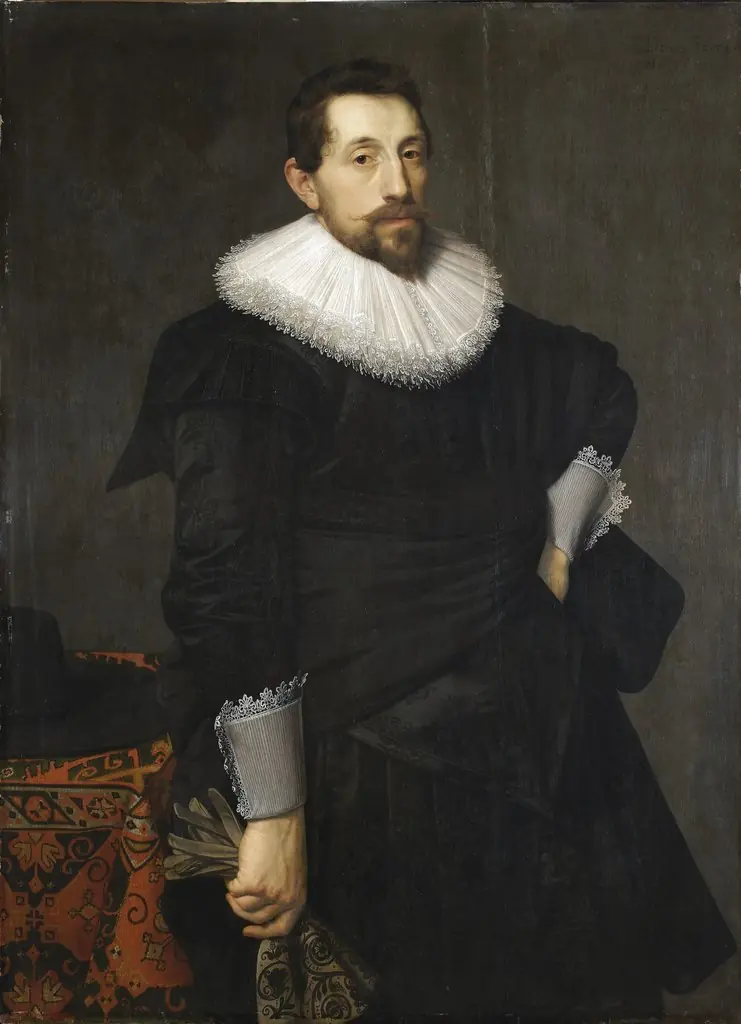 Portrait of a Man with Gloves
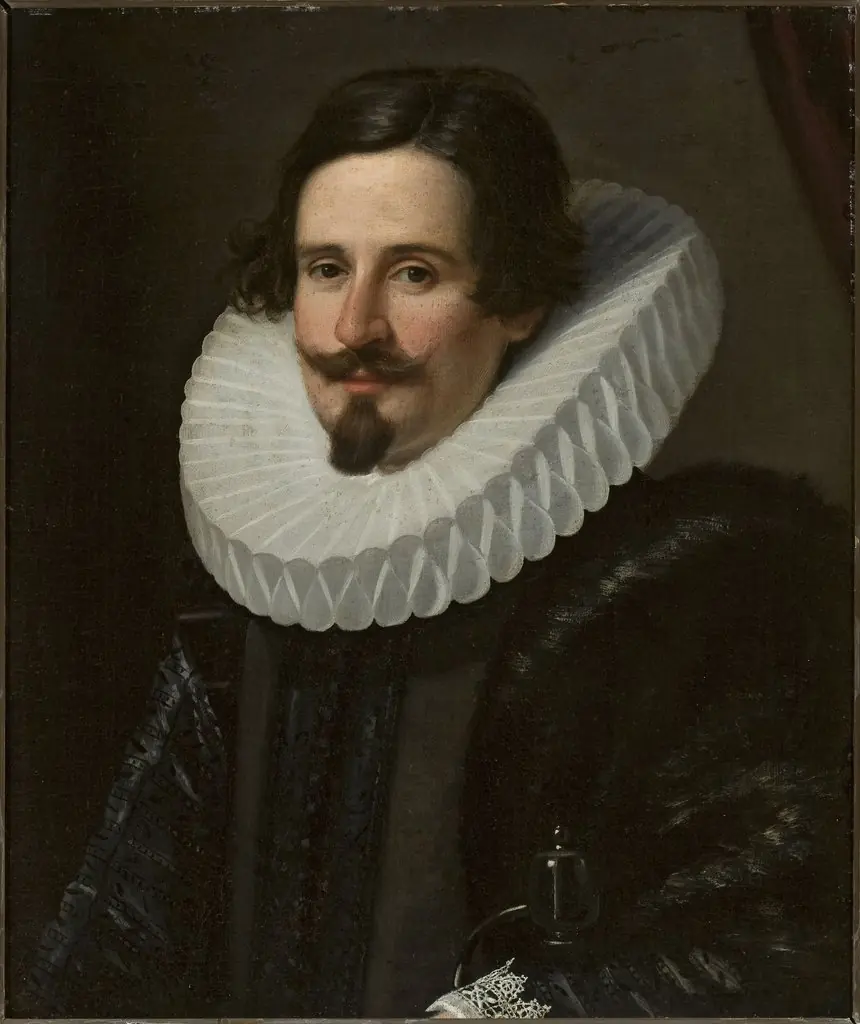 Portrait of a man in a frill
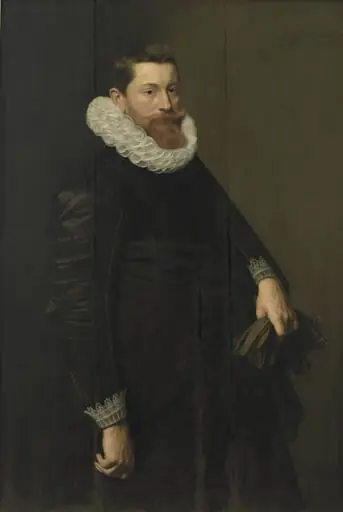 Portrait of a Gentleman
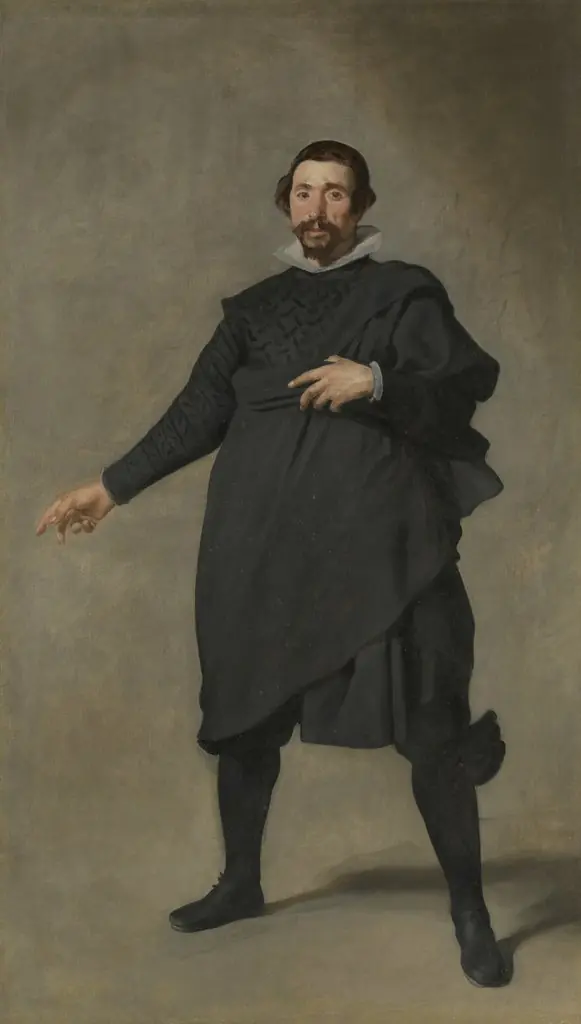 Portrait of Pablo de Valladolid
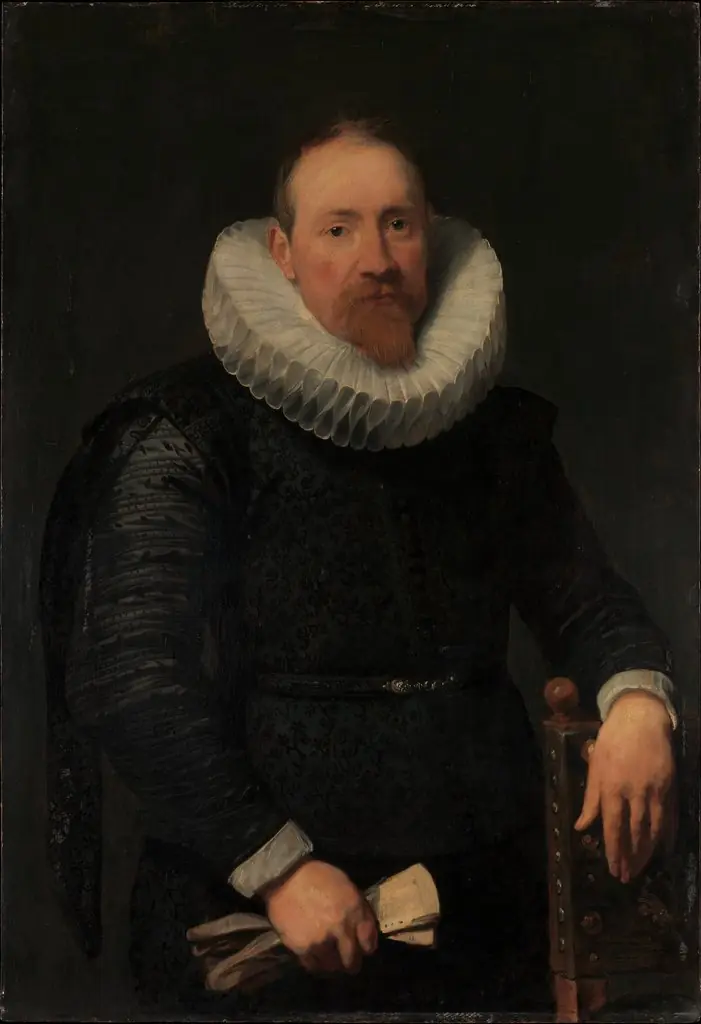 Portrait of a Man
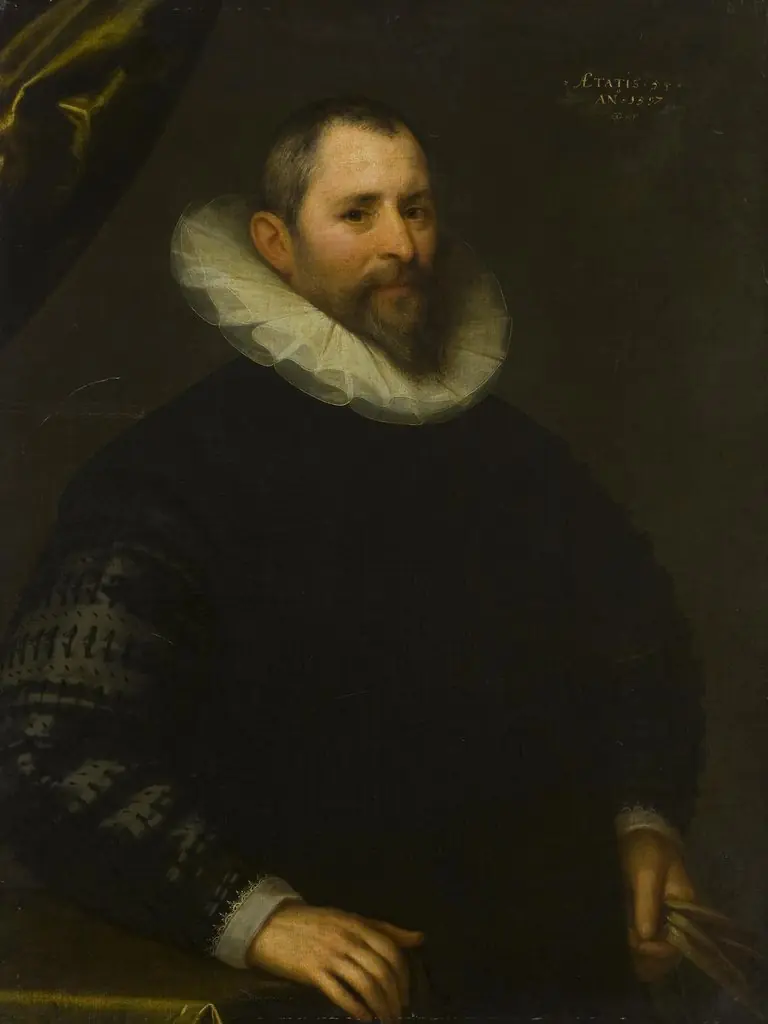 Portrait of Gottfried Hautappel
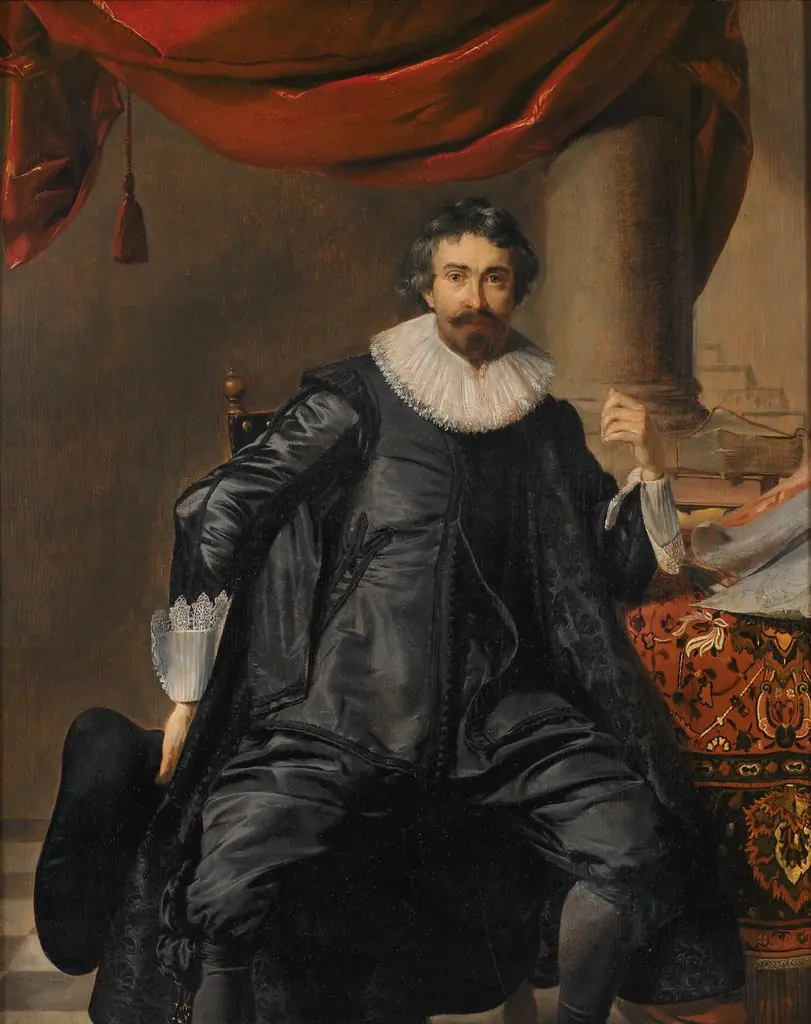 Portrait of a Man
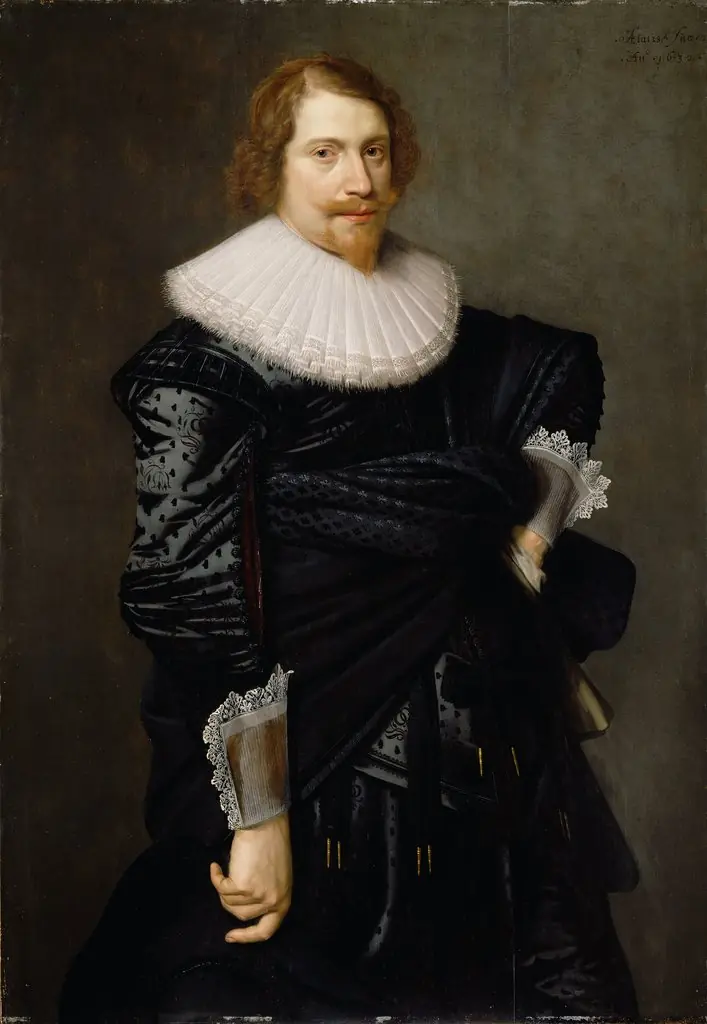 Portrait of a Man
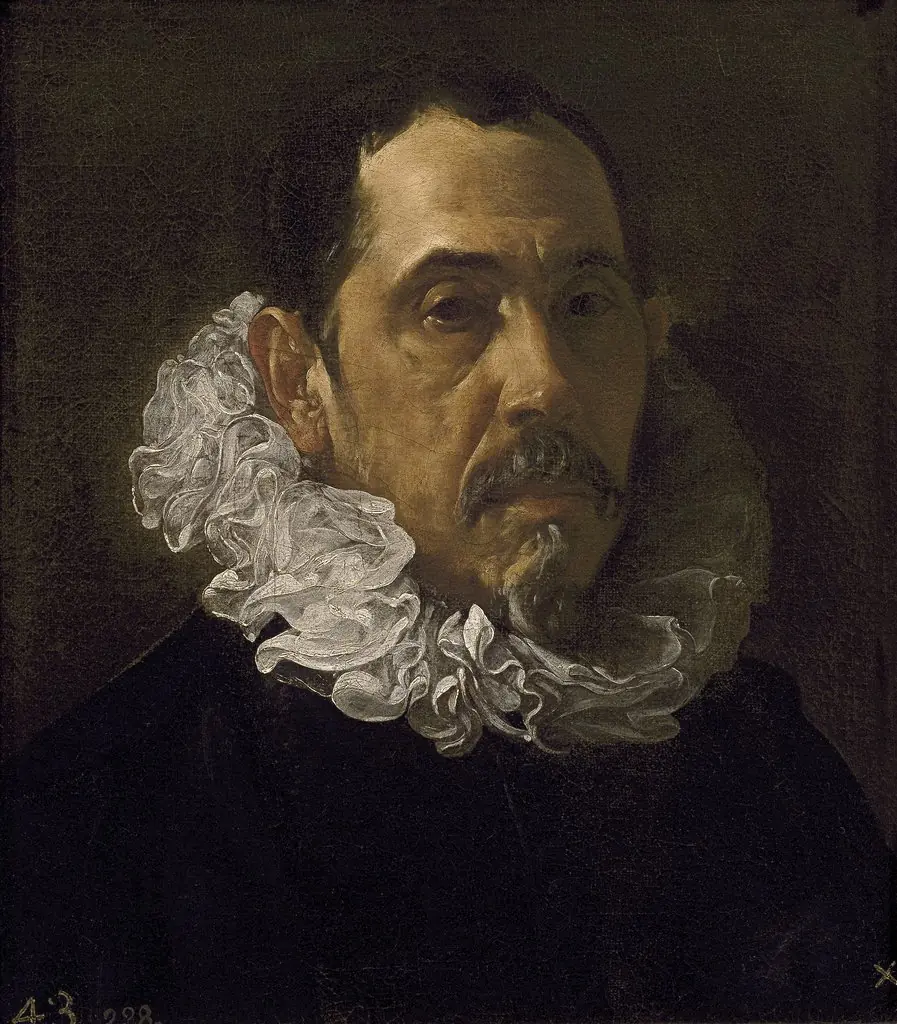 Francisco Pacheco
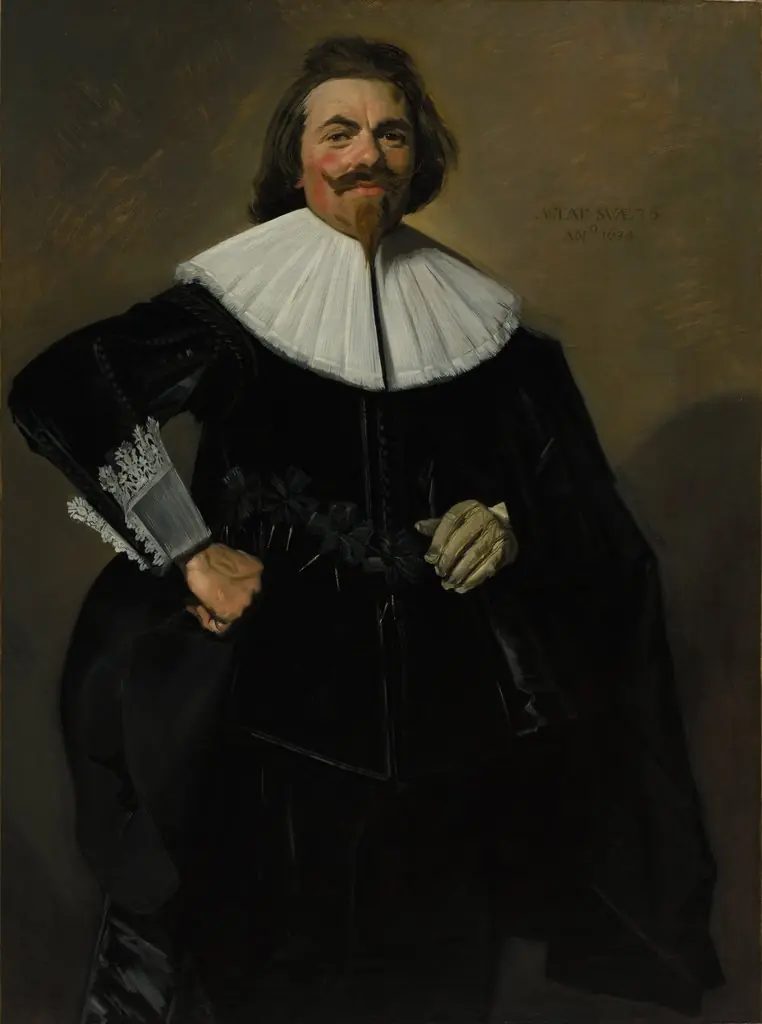 Portrait of Tieleman Roosterman
 Portrait of the Jester Calabazas
 Portrait of Jacob Cornelisz Banjaert, called van Neck (1564-1638). Admiral & mayor of Amsterdam