Artwork
The House of Radwan Bey
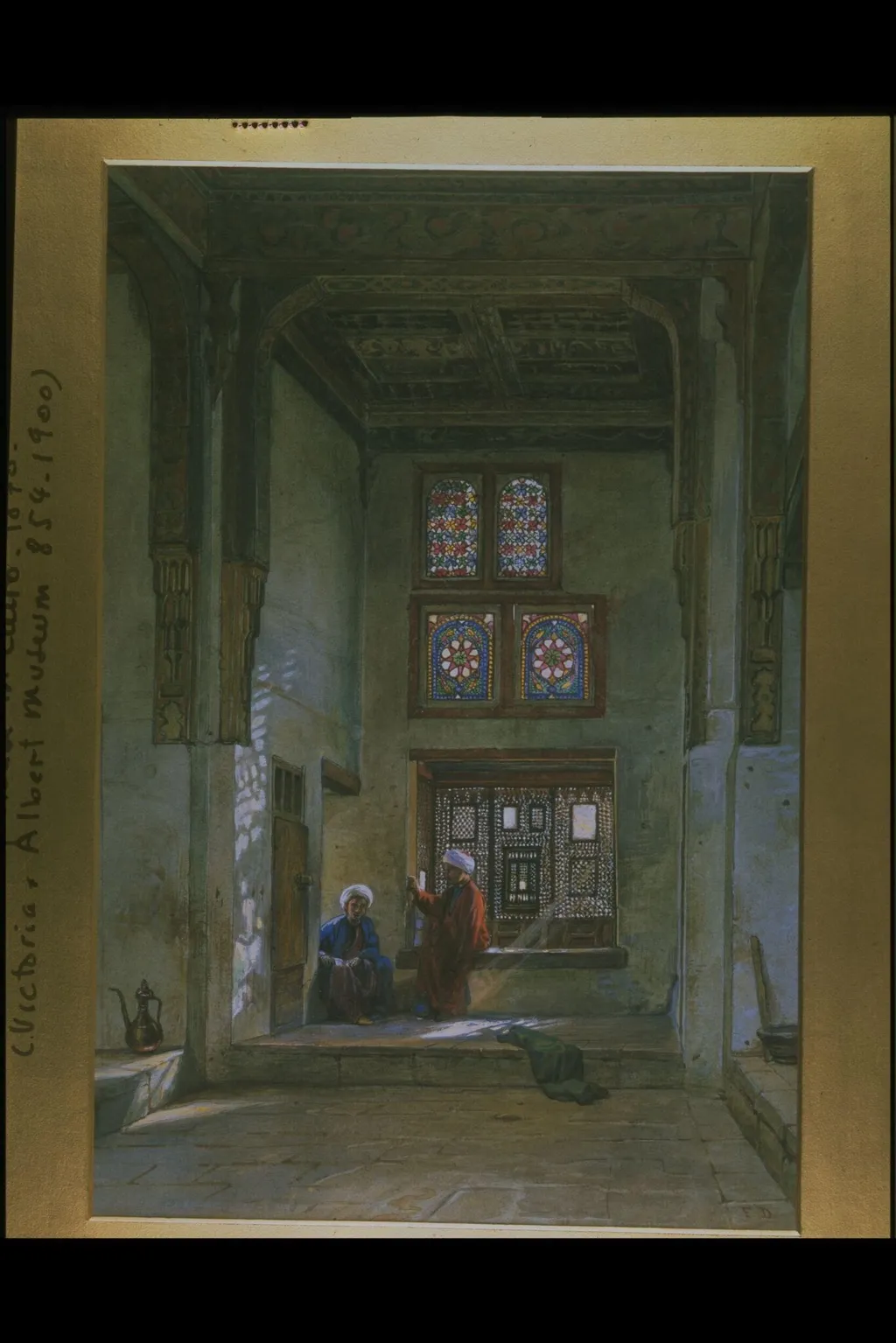
The House of Radwan Bey is a watercolor work on paper by the Impressionist artist Frank Dillon. It dates from 1875 and is held in the collection of the Victoria and Albert Museum.
About this work
This watercolor shows an interior room in Cairo from the 1600s. It’s called a mandarah—where guests were welcomed. The artist painted it around 1875.
He wanted to save these old Egyptian homes before modern changes erased them. The house still stands today, near a gate in Cairo’s old city.
Look up the Victoria and Albert Museum to see more of these rare records.
Overview
The House of Radwan Bey is a watercolour painting depicting a 17th-century reception room in Cairo. Created around 1875, it showcases the interior of a historic house that still exists today.
Subject & Meaning
The painting represents the 'mandarah', the principal reception room in Radwan Bey's house, capturing its architecture and inhabitants in traditional attire. It serves as a record of exotic domestic architecture and a testament to the artist's efforts to preserve Cairo's cultural heritage.
History & Provenance
Frank Dillon, the artist, was part of a circle of design reformers surrounding Owen Jones. He travelled extensively, studying and painting traditional interiors in various cultures, including those in Cairo, which he sought to preserve through his work.
Context
During the 19th century, British architects sought inspiration from non-European architecture, and artists like Dillon documented traditional forms threatened by modernisation. Dillon's work was part of a broader effort to record and promote appreciation for diverse cultural heritage.
Artist & collection

Artist
Frank Edward Dillon, known in later years as Pop Dillon, was an American baseball player and manager.

 Sunset on the Nile
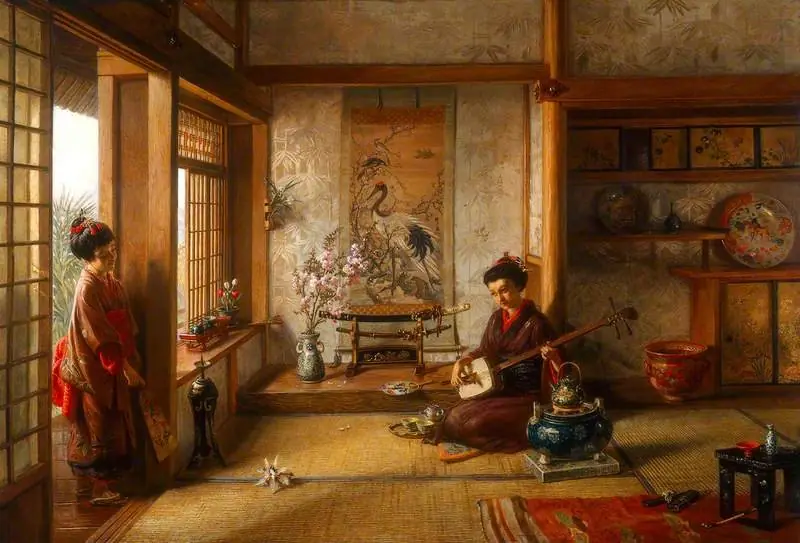 The Stray Shuttlecock
 The Stray Shuttlecock
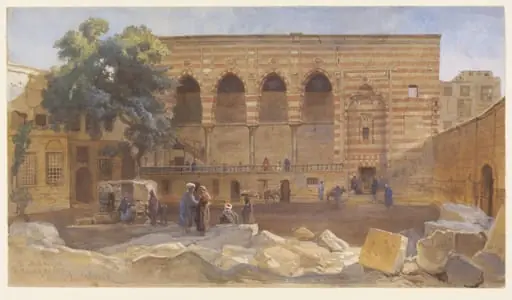 El Mahkemeh or Court of the Cadi Cairo
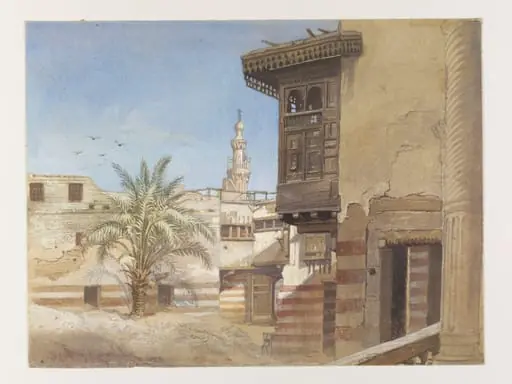 View from the Loggia of the Summer Reception Room (Makad) in the House of the Memluk Raduan Bey, Cairo
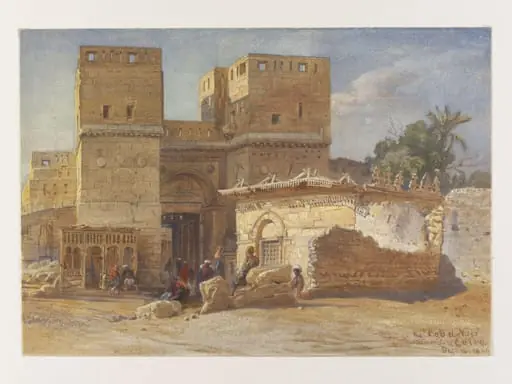 The Bab el Nasr. Cairo
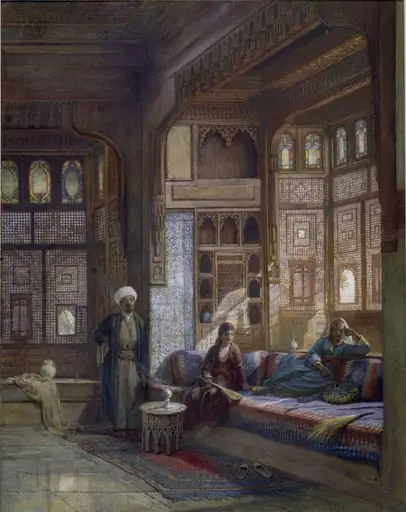 A room in the house of Shayk Sadat, Cairo
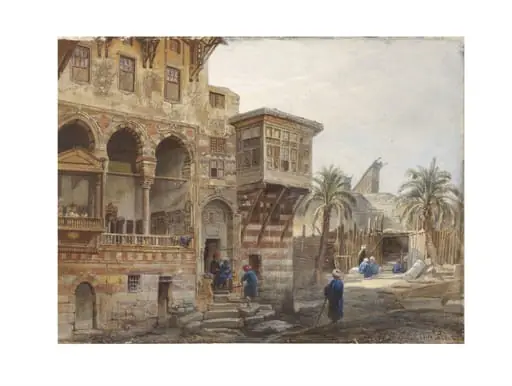 Exterior of the House of the Memluk Raduan Bey, Cairo
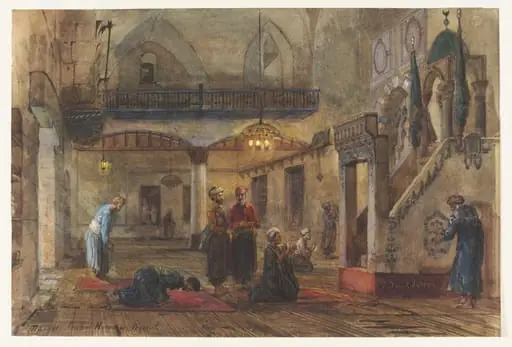 Mosque. Souk el Hommos. Byrout
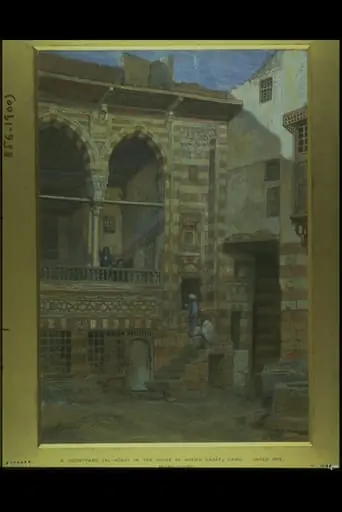 Courtyard and Maq'ad (Loggia) of the Mufti House in Cairo
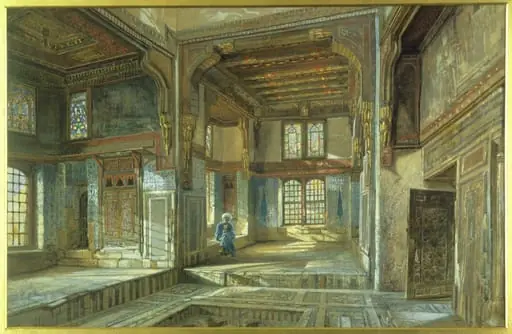 Interior of the House of the Mufti Sheikh El Mahadi, Cairo
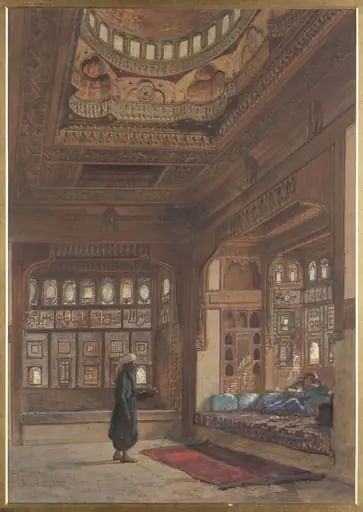 Untitled
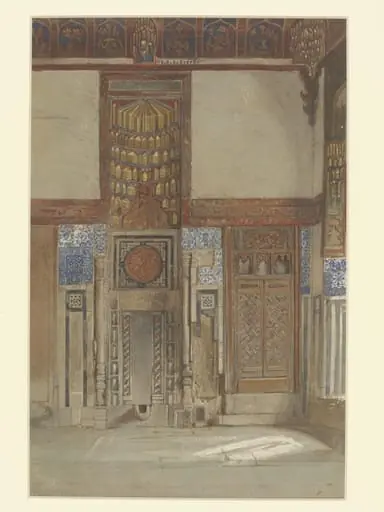 An Interior (the Eastern End) in the House of the Mufti Sheikh El Mahadi
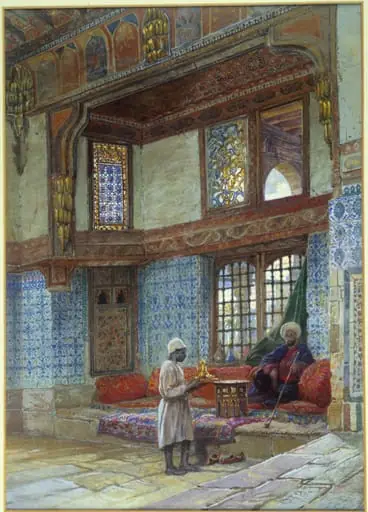 Recess in the reception room in the house of the Mufti Sheikh el Mahadi, Cairo
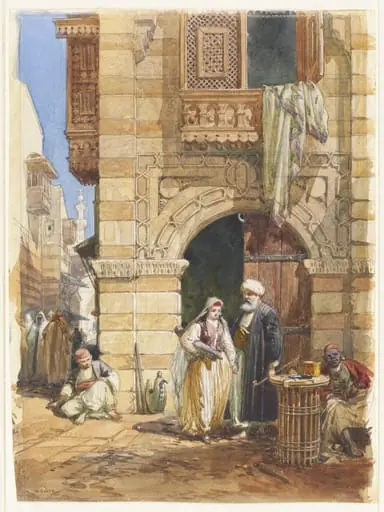 Street Scene in Cairo
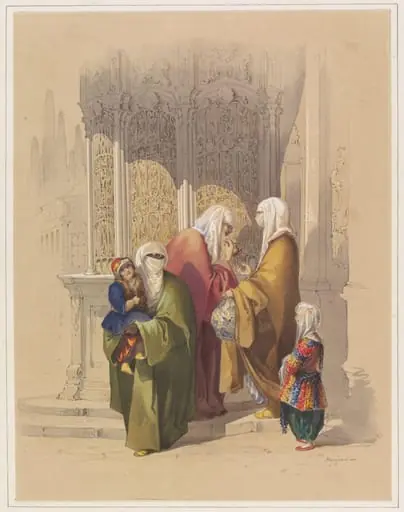 Women at a Sebil or Street-Fountain