Artwork
West Lodge, Regent's Park
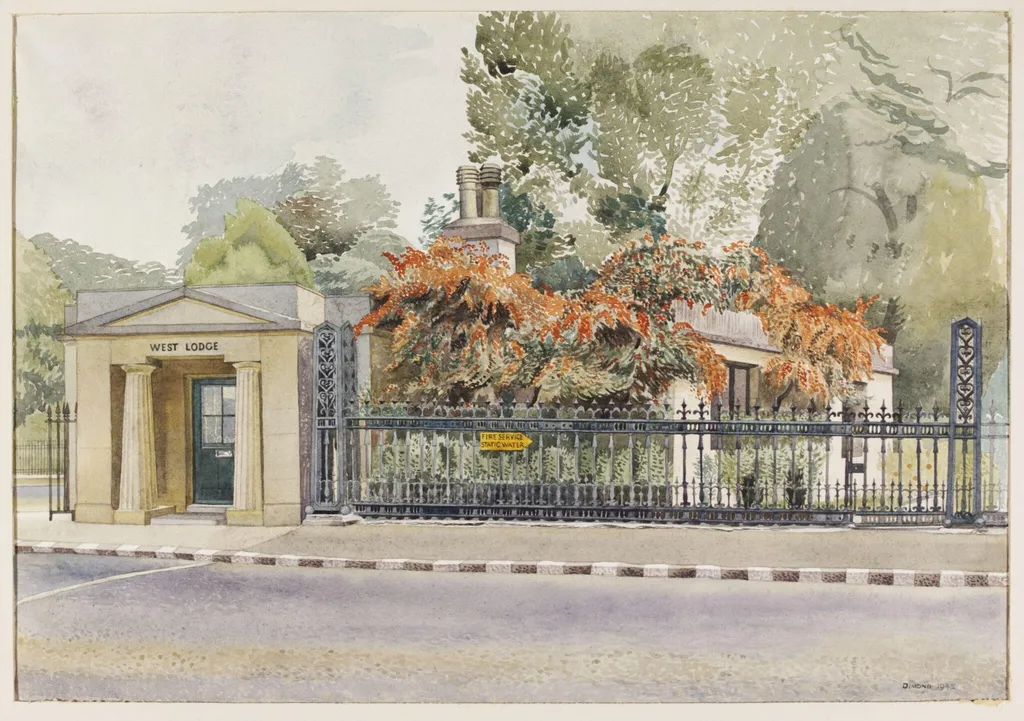
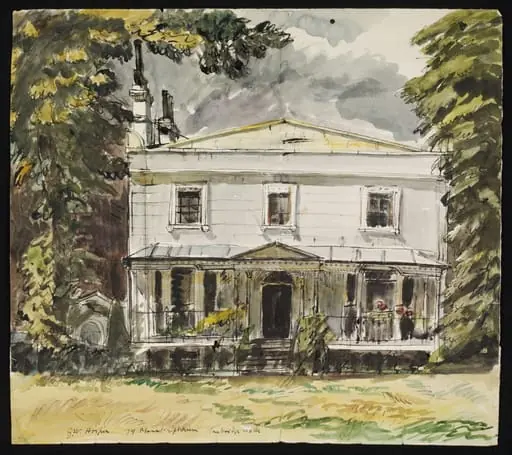
West Lodge, Regent's Park is a watercolor work on paper by Dimond. It dates from 1942 and is held in the collection of the Victoria and Albert Museum.
About this work
Overview
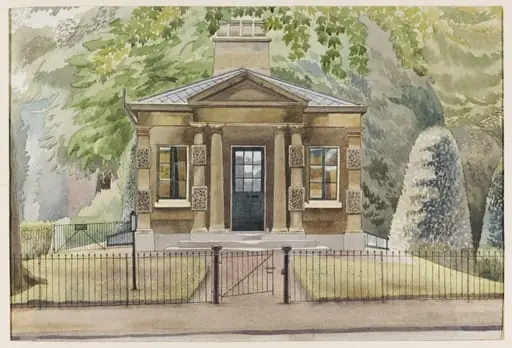
Painted in 1942, West Lodge, Regent's Park is a watercolour by Dimond that captures a modest architectural structure at the edge of Regent's Park.
Painted in 1942, West Lodge, Regent's Park is a watercolour by Dimond that captures a modest architectural structure at the edge of Regent's Park. The work was produced as part of the Recording Britain initiative, a wartime effort to visually preserve the nation’s rural and urban landscapes. Its quiet composition reflects the project’s aim to document everyday scenes before they might be lost to conflict or change.
Subject & Meaning
The painting focuses on West Lodge, a functional gatehouse with simple columns and a single entrance, framed by a wrought-iron fence. The vibrant orange leaves of a climbing plant contrast with the building’s muted tones, drawing attention to seasonal change and natural growth amid urban structure. This interplay suggests resilience and continuity, themes central to the Recording Britain project during a time of national uncertainty.
Technique & Style
Dimond employed soft, translucent watercolour washes to create a gentle, atmospheric effect. The foliage is rendered with loose, suggestive brushwork, while the lodge and fence are defined with restrained lines and subtle tonal shifts. The palette favors earthy greys and muted greens, allowing the russet leaves to stand out without harshness, reinforcing the scene’s tranquility and observational precision.
History & Provenance
Created in 1942, the painting was commissioned under the Recording Britain scheme, funded by the Pilgrim Trust and overseen by Sir Kenneth Clark. The initiative enlisted artists to record vulnerable landscapes across the UK during wartime. West Lodge, Regent's Park entered the collection of the Victoria and Albert Museum, where it remains as part of a broader archive of British topographical art from the period.
Context
The Recording Britain project emerged in response to fears of cultural loss during the Second World War. Artists were tasked with capturing vernacular architecture and natural settings that symbolized a shared heritage. Dimond’s depiction of a modest lodge in a London park reflects the project’s focus on unassuming, often overlooked sites—valued not for grandeur, but for their quiet presence in the national landscape.
Legacy
The work endures as part of a significant documentary archive that preserved Britain’s visual character during a period of upheaval. Dimond’s watercolour contributes to a collective record of place and season, offering insight into how artists responded to wartime imperatives through careful observation. Today, it remains a quiet testament to the value of ordinary landscapes in times of crisis.
Artist & collection

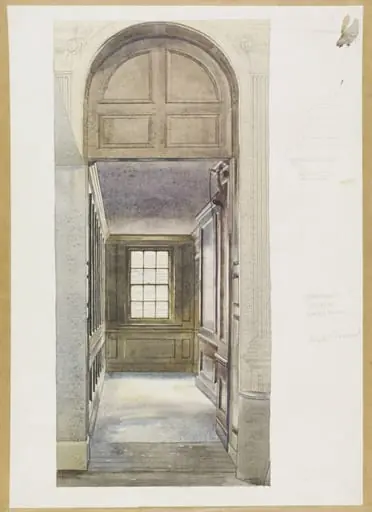
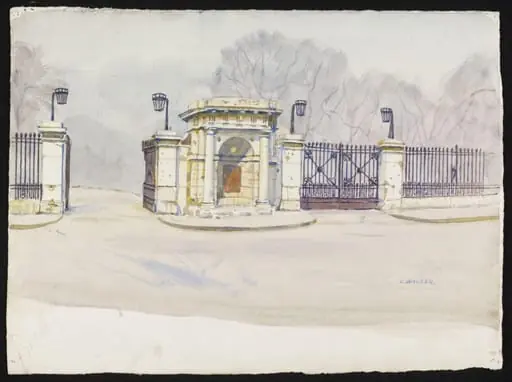 Entrance to Foundling Hospital
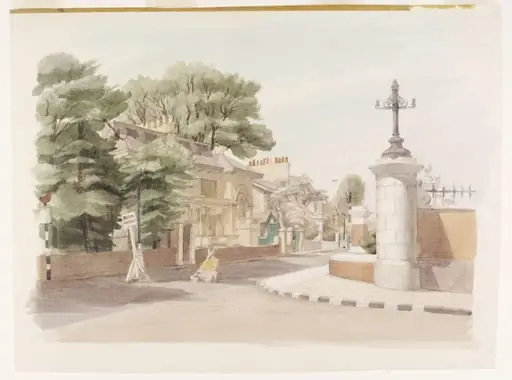 Park Village East, Albany Street. NW1
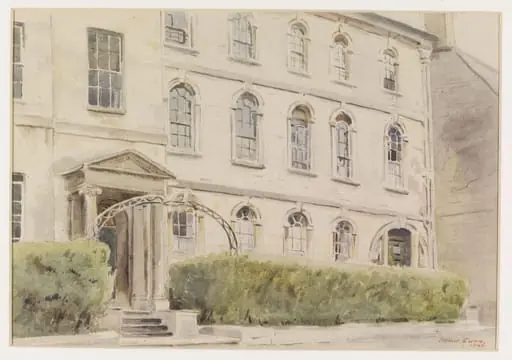 Park House, Cirencester
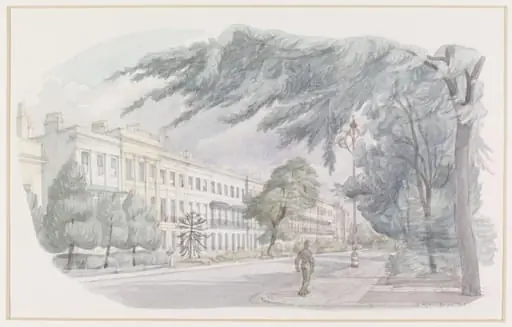 Evesham Road, Pittville, Cheltenham
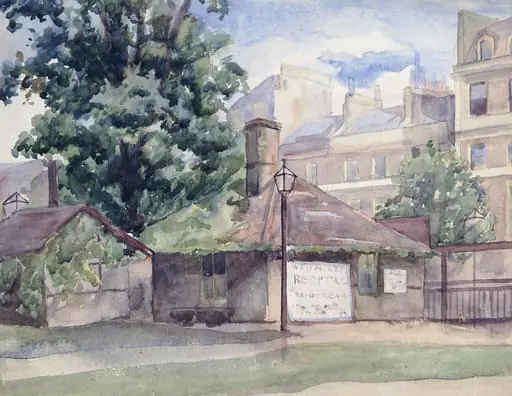 Entrance lodge to the South Kensington (now the Victoria and Albert) Museum and surrounding buildings, facing the Cromwell Road
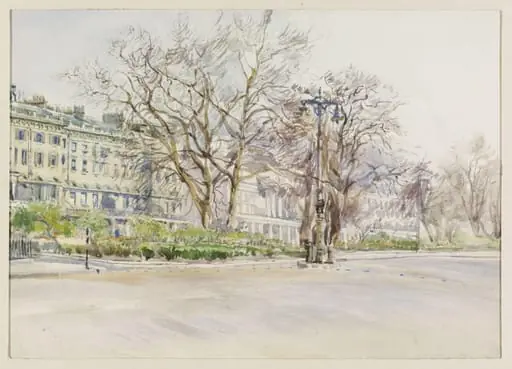 Eaton Square from Eaton Gate
 79, Mount Epraim, Tunbridge Wells
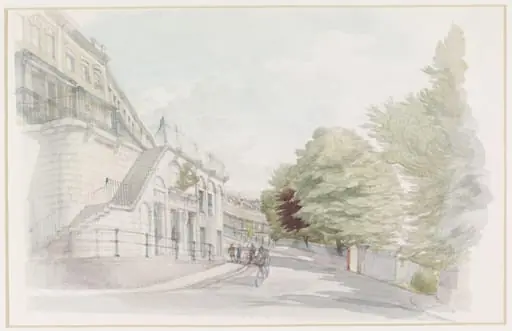 Royal York Crescent, Bristol
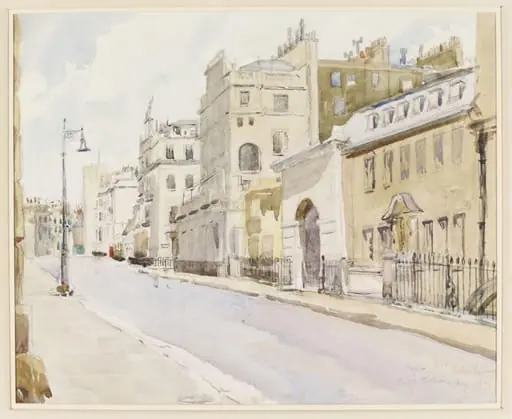 Lyall Street, Eaton Square