Artwork
Portrait of Clara Alewijn
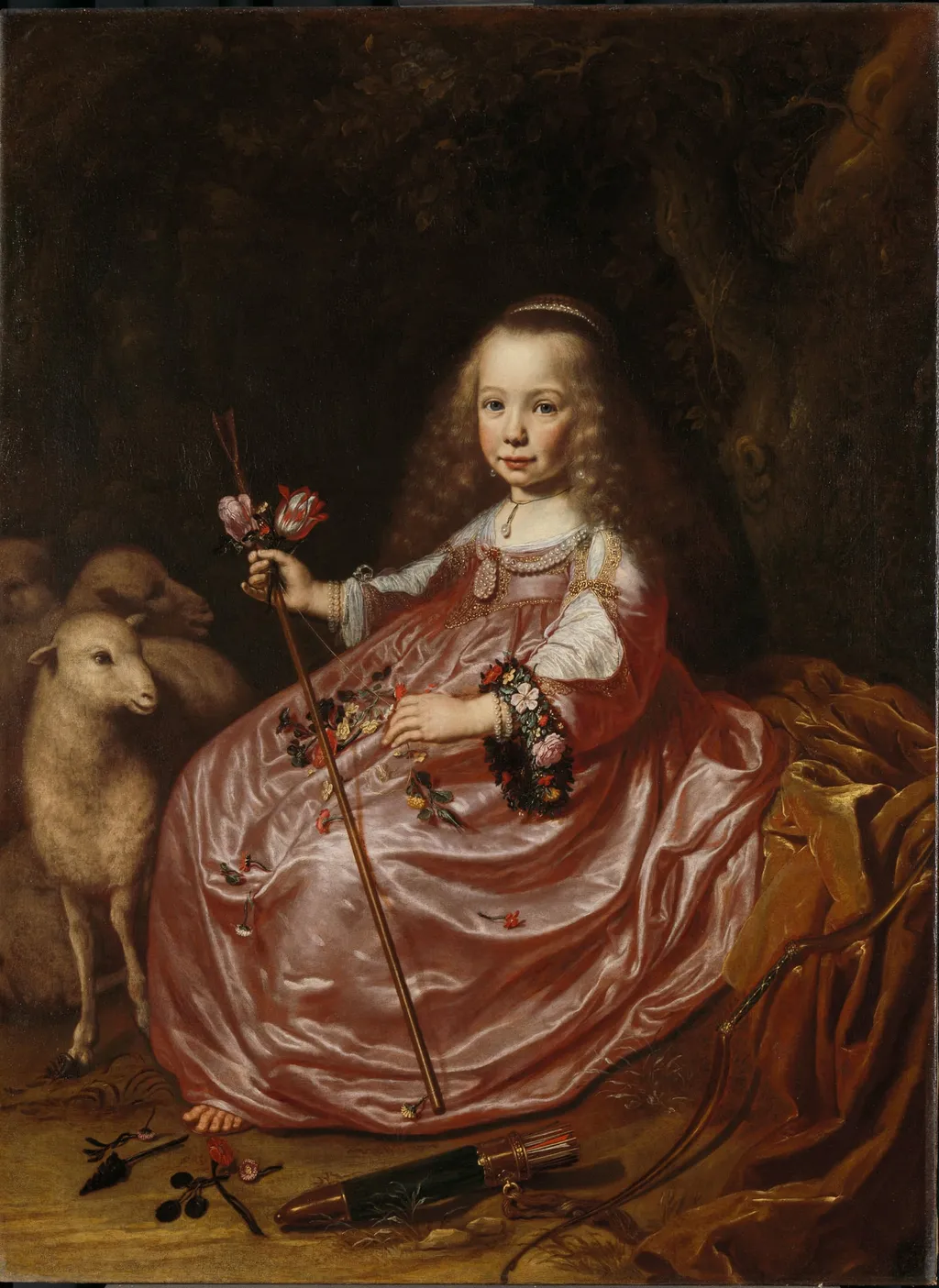
Portrait of Clara Alewijn is an unspecified painting by the Dutch Golden Age artist Dirck van Santvoort. It dates from 1644 and is held in the collection of the Rijksmuseum. This portrait depicts Clara Alewijn at age nine, painted as a pastoral figure in an idealized rural setting.
About this work
Overview
This portrait depicts Clara Alewijn at age nine, painted as a pastoral figure in an idealized rural setting. It was conceived as a companion piece to her brother Martinus’s portrait, forming a matched pair. Both works share thematic and compositional elements, suggesting a deliberate artistic program centered on childhood, imagination, and social identity within the family.
Subject & Meaning
This juxtaposition may reflect a staged fantasy, merging rural symbolism with the elevated status of her family, rather than depicting actual daily life.
Clara is portrayed as a shepherdess, seated beneath a tree with sheep nearby, holding a staff and flowers. The presence of a bow and quiver in the foreground introduces a contrasting motif of hunting, blending pastoral innocence with aristocratic pastimes. This juxtaposition may reflect a staged fantasy, merging rural symbolism with the elevated status of her family, rather than depicting actual daily life.
Technique & Style
The artist rendered Clara’s elaborate costume with attention to fabric texture and decorative detail, enhancing the sense of theatricality. Soft lighting and gentle modeling define her features, while the background remains loosely suggested, keeping focus on the figure. The composition balances naturalism with stylized elements, characteristic of Dutch portraiture that favored allegorical dressing for children.
History & Provenance
Painted in the mid-17th century, the portrait was part of a private commission for the Alewijn family. It remained within the family’s collection for generations before entering a public museum. Its pairing with Martinus’s portrait indicates a conscious effort to document sibling relationships through symbolic imagery, a practice seen among affluent Dutch households of the period.
Context
During the Dutch Golden Age, it was common to depict children in allegorical or pastoral roles, blending childhood with mythological or literary references. Such portraits served not only as records of appearance but also as expressions of familial values and cultural aspirations. Clara’s costume and accessories align with broader trends in Dutch portraiture that elevated children’s images through symbolic narrative.
Legacy
The portrait contributes to the understanding of how Dutch families used art to shape perceptions of childhood. Its pairing with Martinus’s image highlights the intentional design of sibling portraiture as a unified statement. Today, it remains a reference point for scholars studying the intersection of identity, costume, and social status in 17th-century Dutch art.
Own this work as a print
Artist & collection

 Portrait of Elizabeth Spiegel
 The family of Dirck Bas Jacobsz, burgomaster of Amsterdam
 Agatha Geelvinck (1617-38). First wife of Frederik Dircksz Alewijn
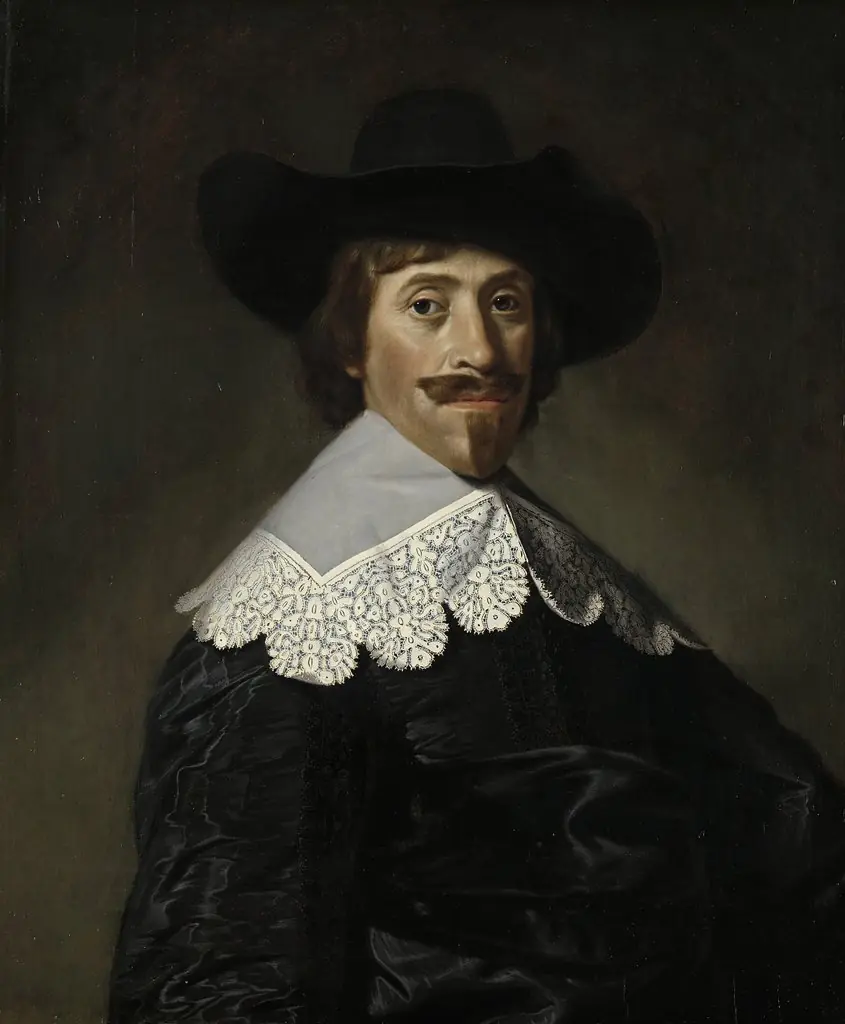 Frederik Dircksz Alewijn (1603-65). Alderman and councillor of Amsterdam
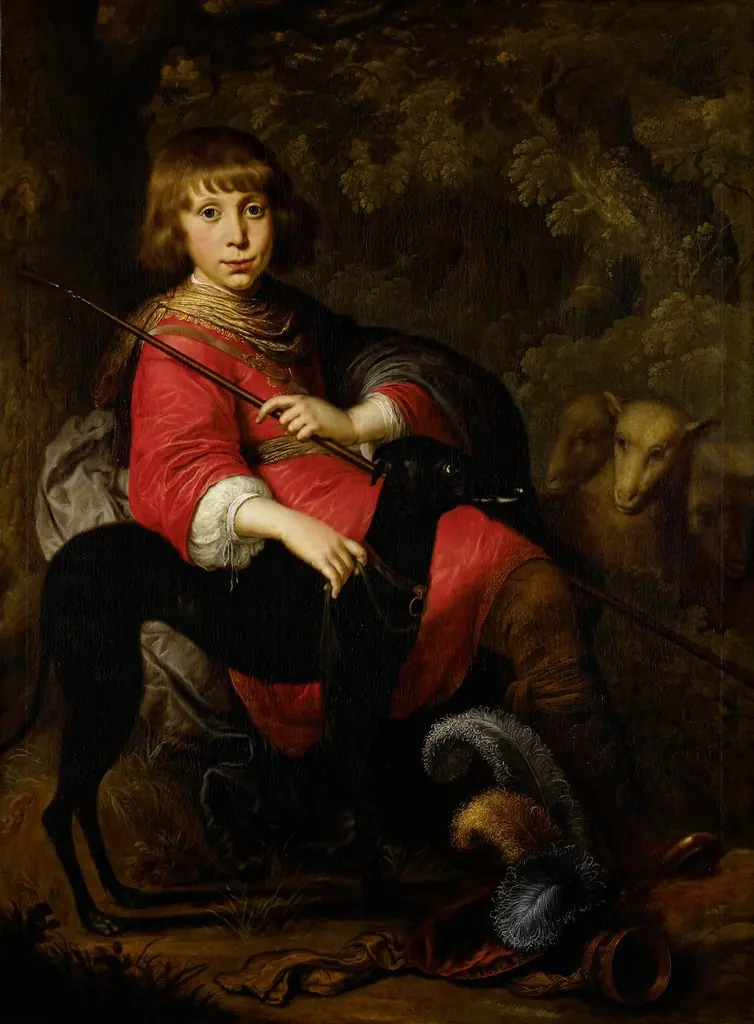 Martinus Alewijn (1634-84). Son of Abraham Alewijn and Geertruid Hooftman
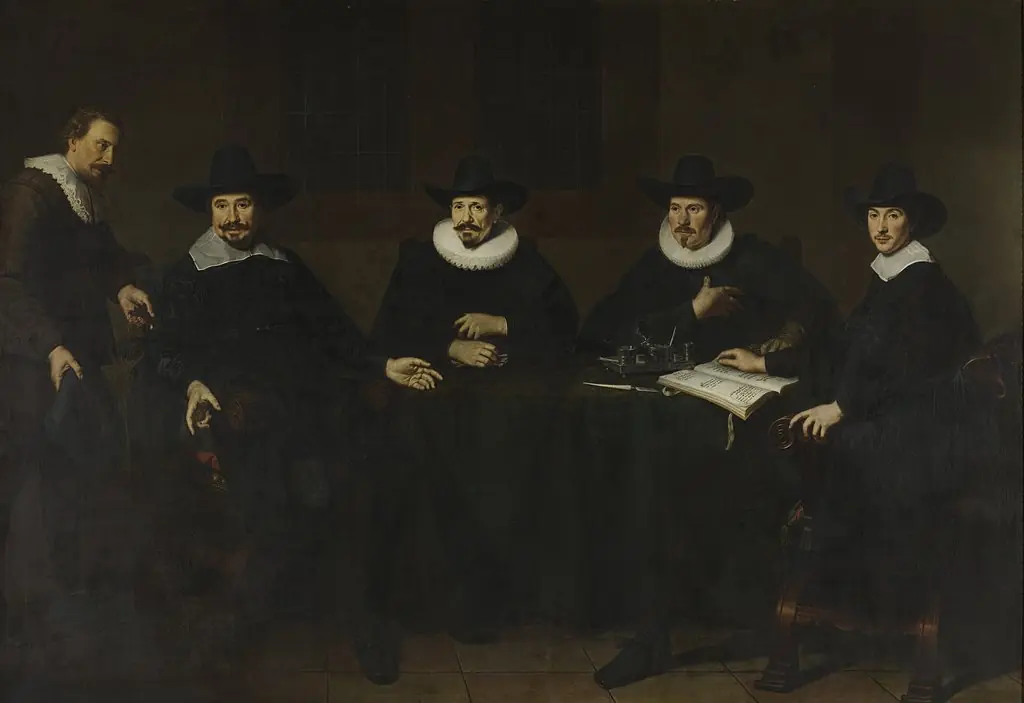 The directors of the serge cloth industry, Amsterdam, 1643
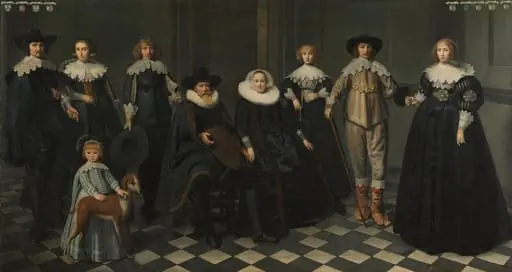 Portrait of the Family of Dirck Jacobsz Bas (1569-1637), Burgomaster of Amsterdam, and Margriet Snoeck (1588-1645)
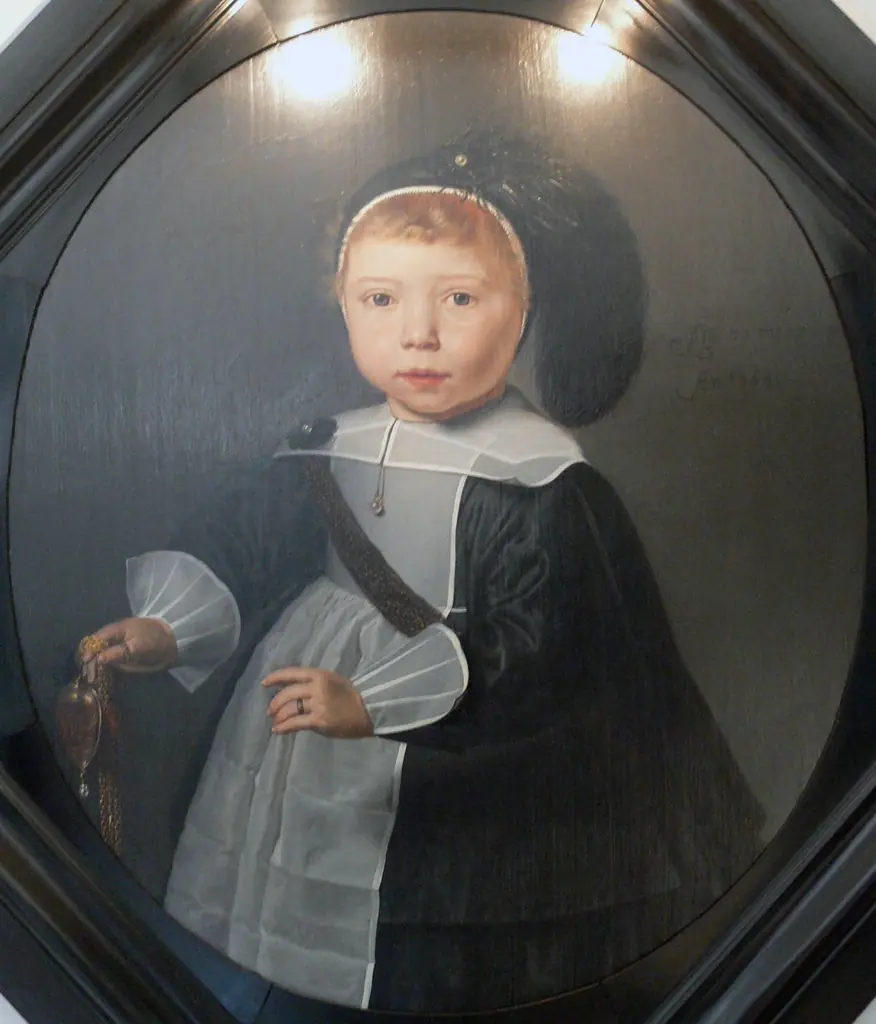 Portrait of Willem Van Loon (later mayor of Amsterdam), aged 2 1/2
 Portrait of a Girl Dressed in Blue
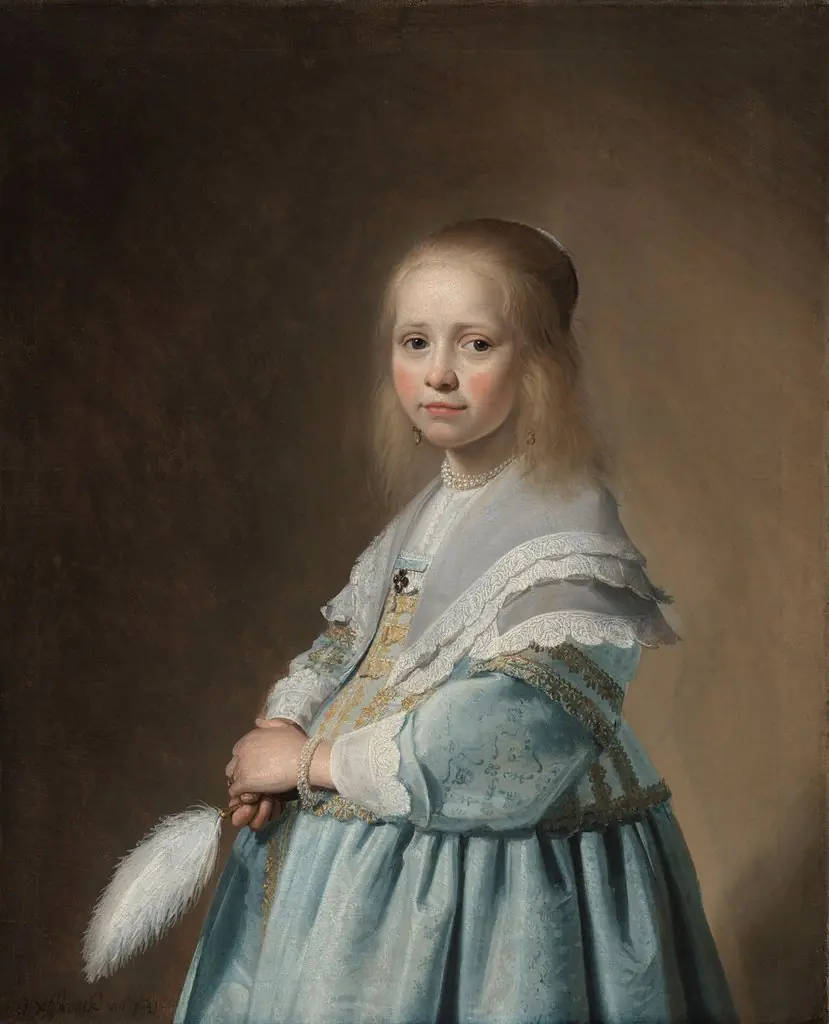 Portrait of a Girl Dressed in Blue
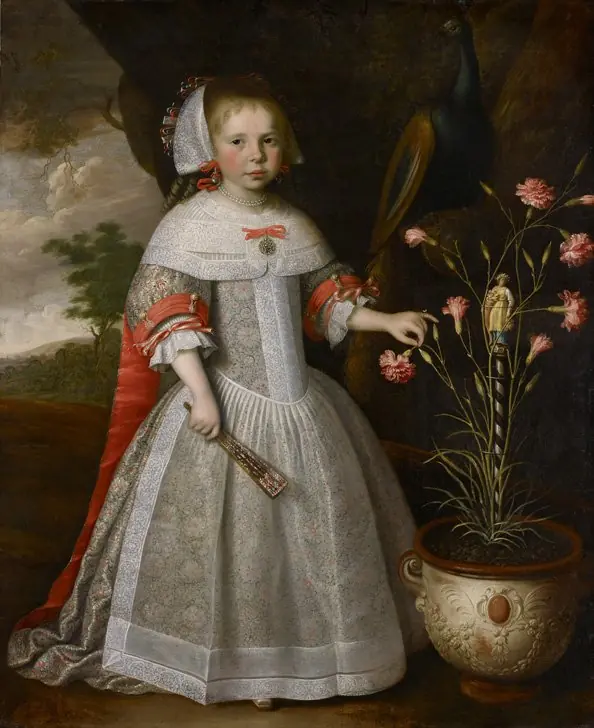 A Four-year-old Girl with a Pot of Carnations
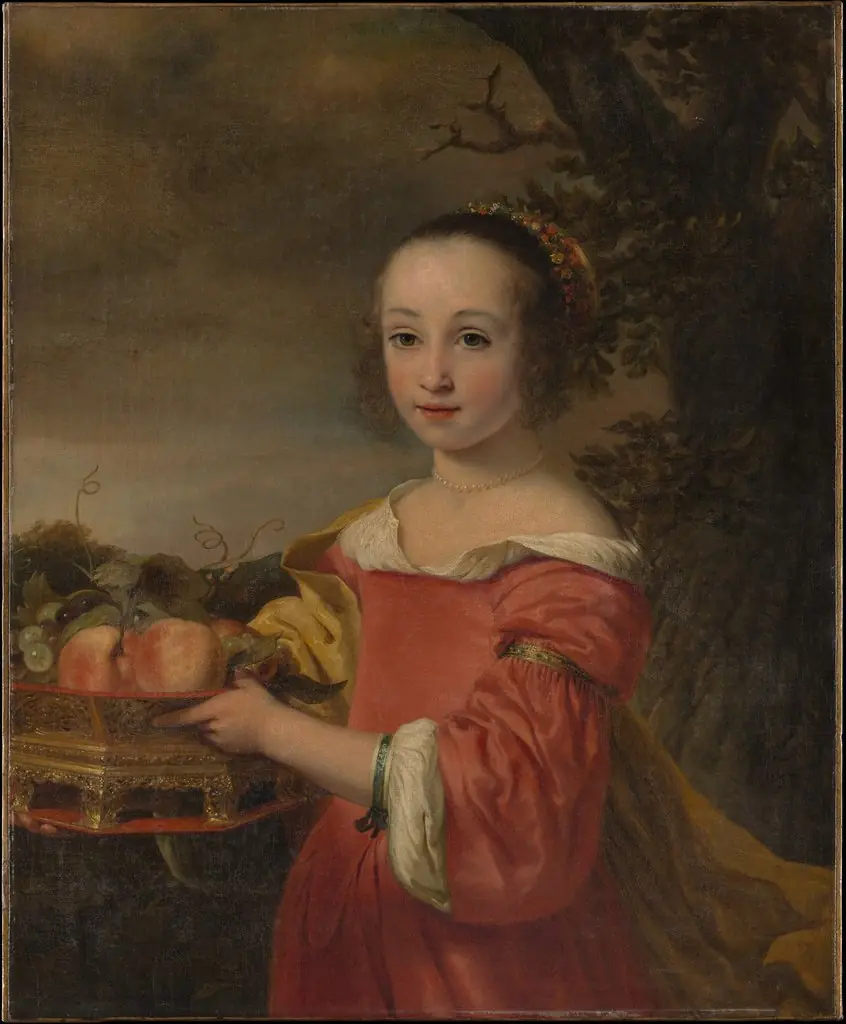 Petronella Elias (1648–1667) with a Basket of Fruit
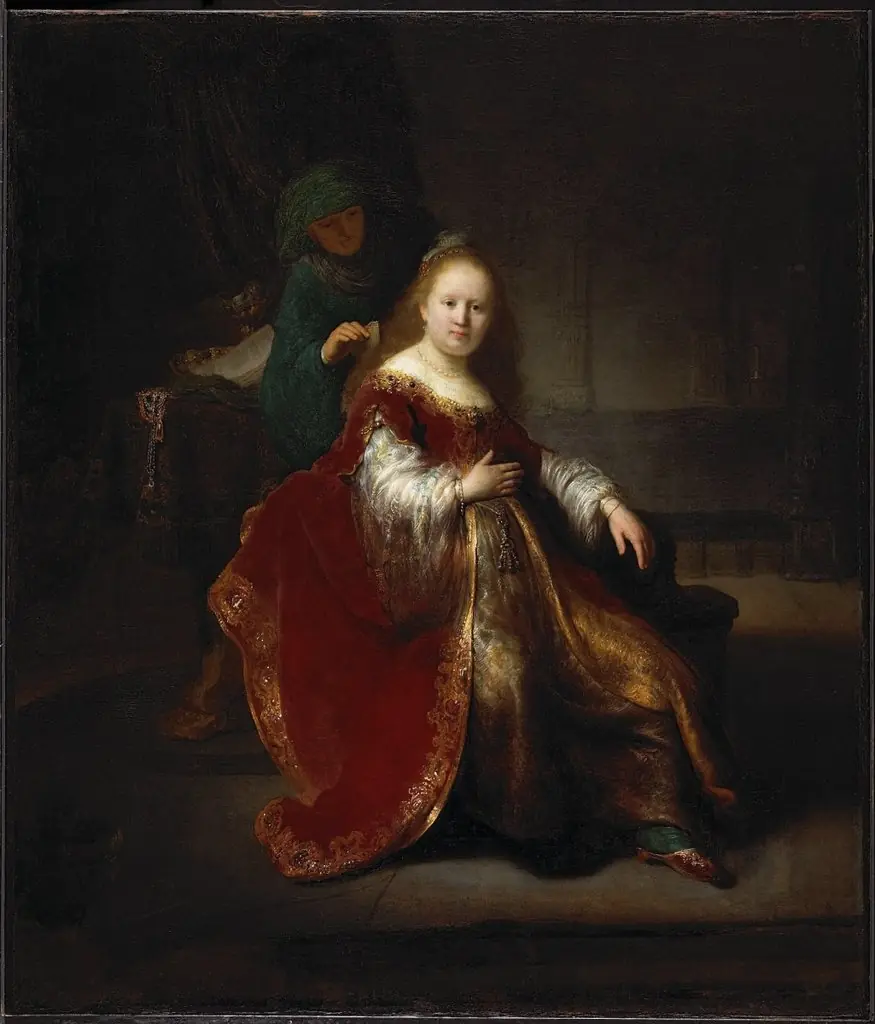 Heroine from the Old Testament
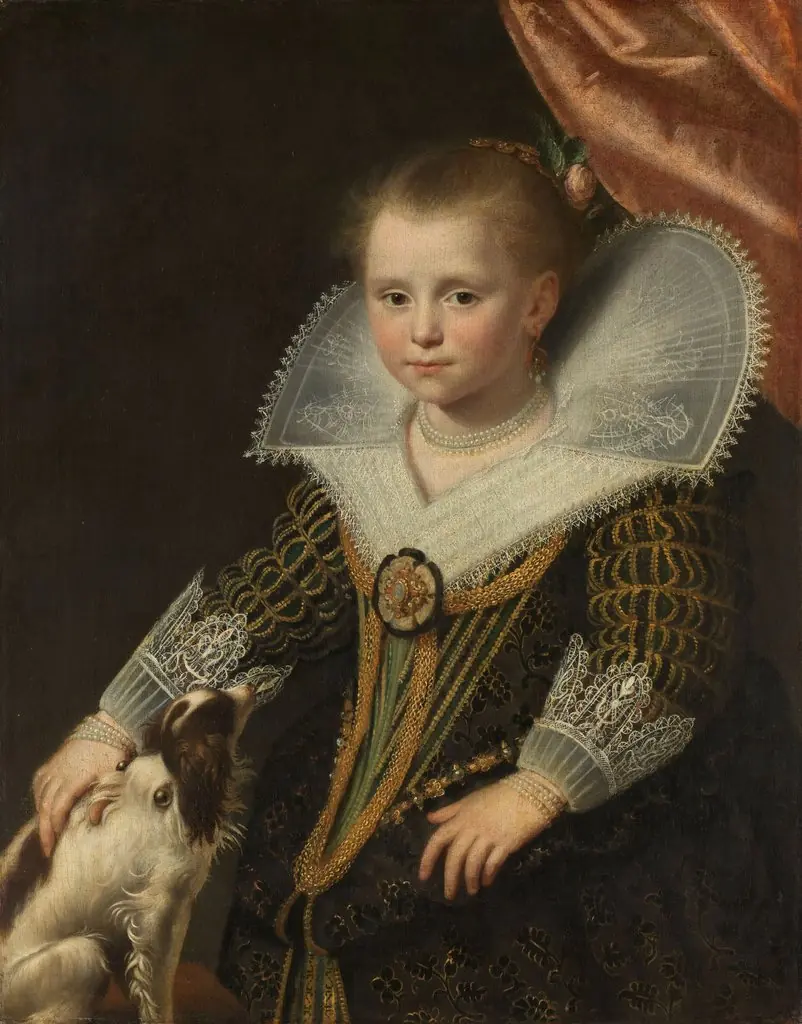 Portrait of a girl, known as 'The Little Princess'
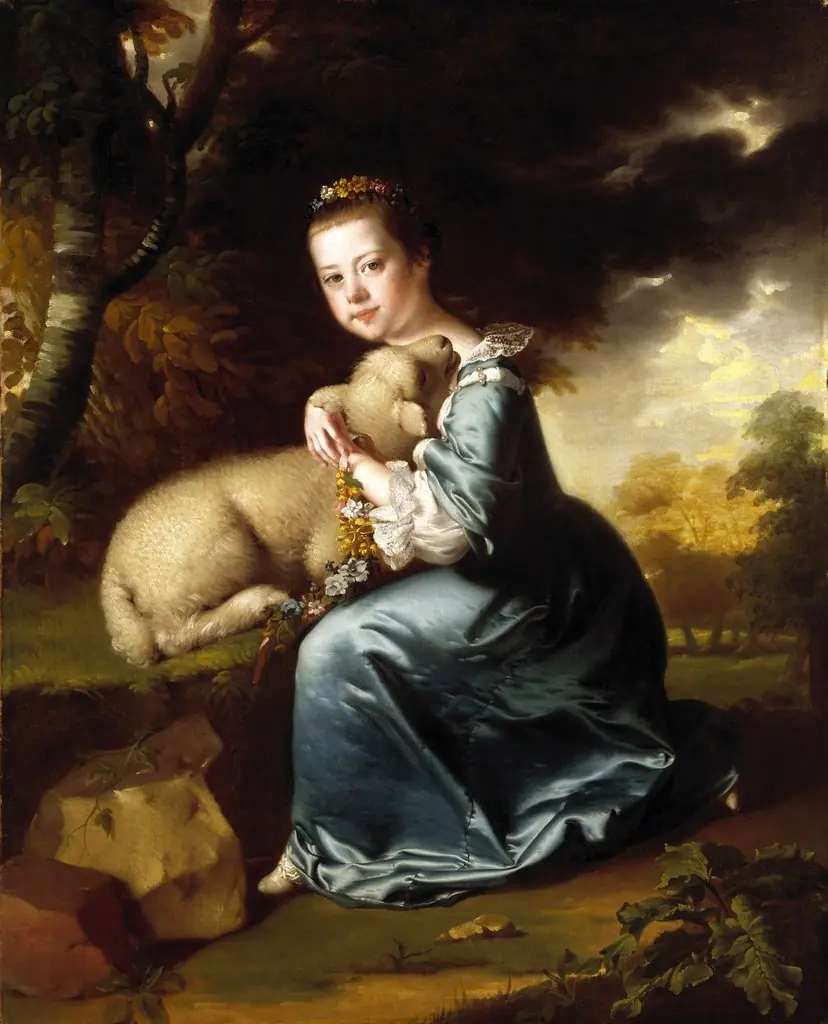 Miss Frances Warren
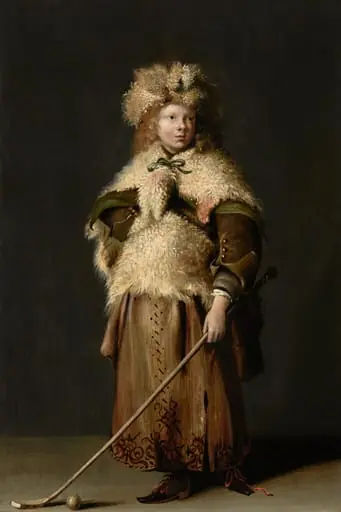 Moses ter Borch Holding a Kolf Stick
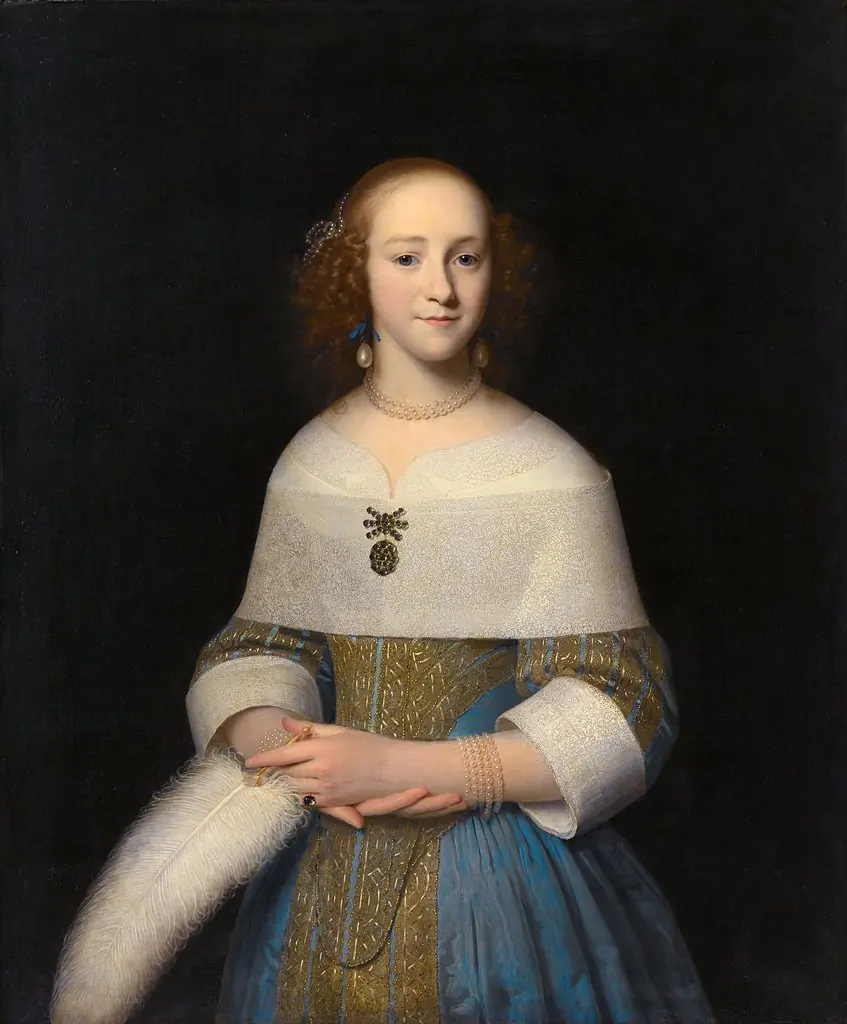 Portrait of a Young Lady
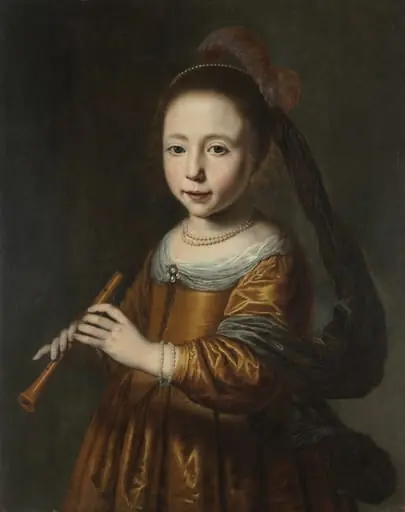 Portrait of Elizabeth Spiegel
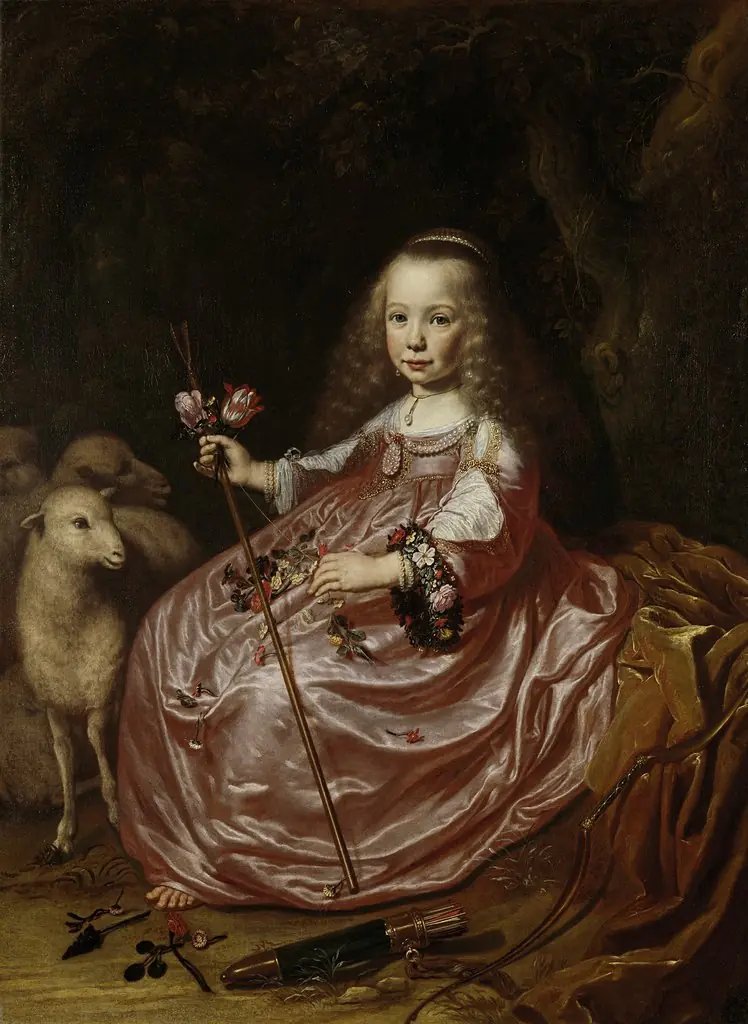 Clara Alewijn (1635-74). Daughter of Abraham Alewijn and Geertruid Hooftman