Artwork
William III Hunting at Het Loo
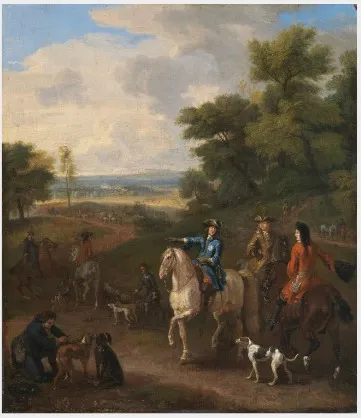
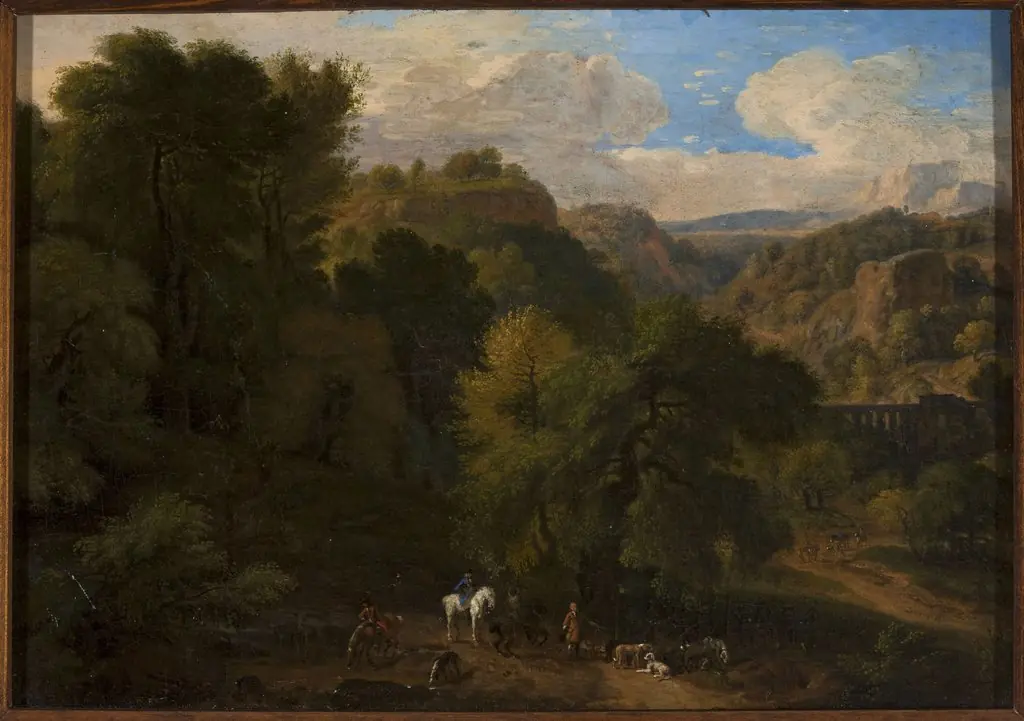
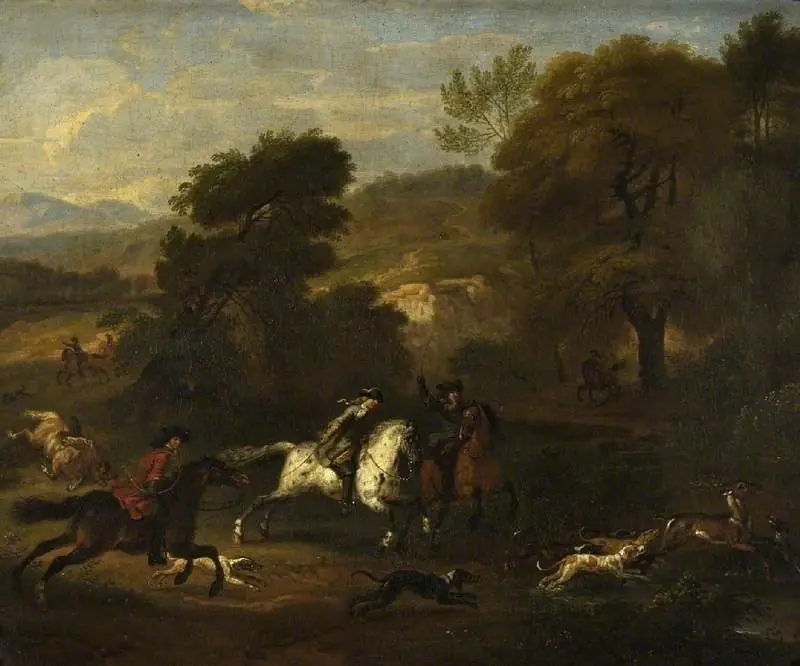
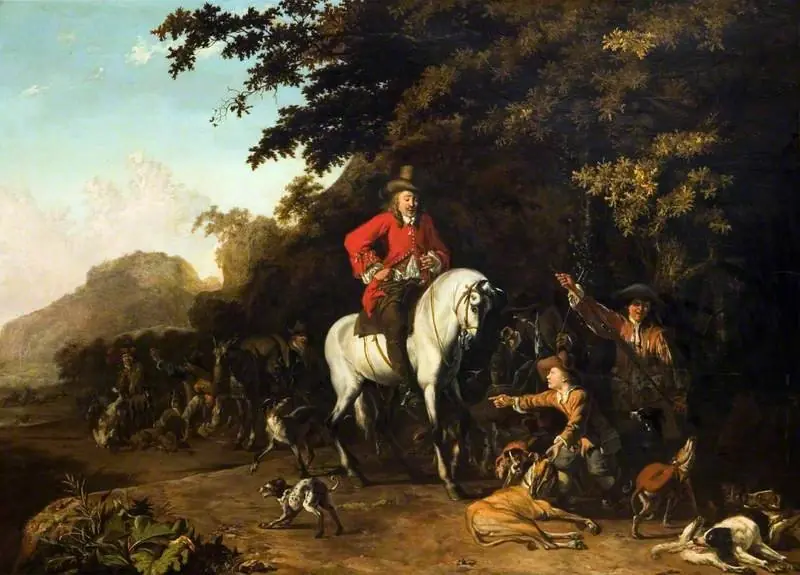
William III Hunting at Het Loo is an oil painting by the Dutch Golden Age artist Dirk Maas. It dates from 1698 and is held in the collection of the National Gallery of Ireland.
About this work
Overview
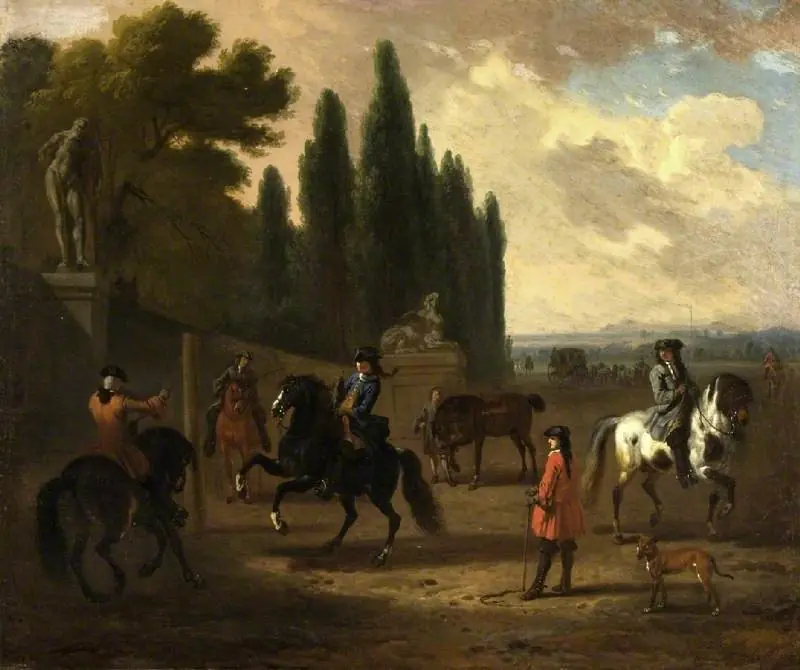
Painted in 1698 by Dirk Maas, this oil work depicts William III of England during a hunting expedition at Het Loo Palace.
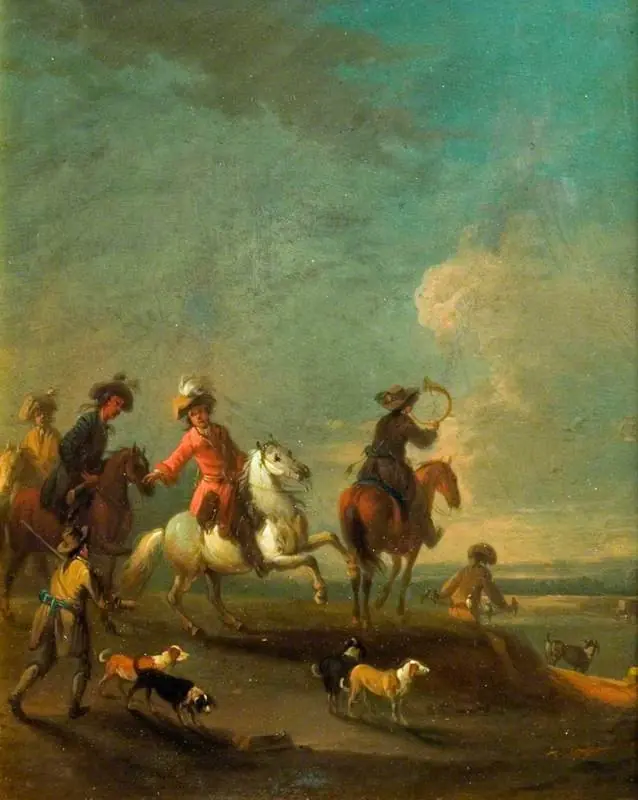
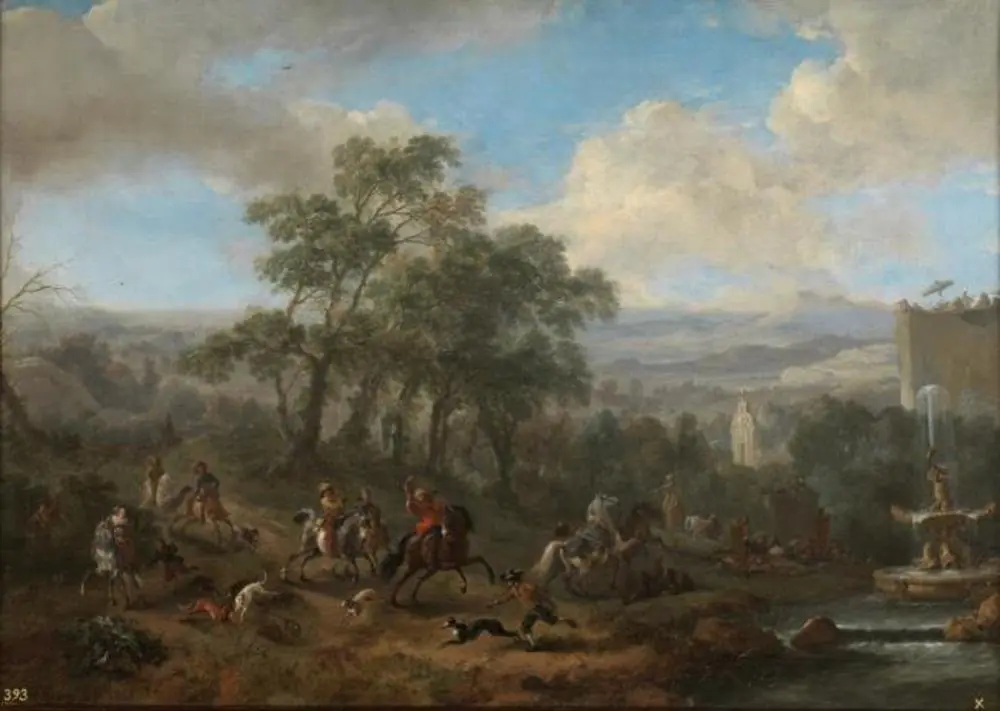
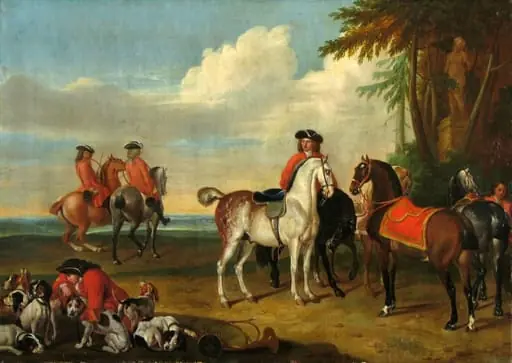
Painted in 1698 by Dirk Maas, this oil work depicts William III of England during a hunting expedition at Het Loo Palace. The scene captures the monarch in motion, surrounded by attendants and hounds within a wooded landscape. The painting is part of the National Gallery of Ireland’s collection and exemplifies late 17th-century Dutch court portraiture, blending aristocratic leisure with naturalistic detail.
Subject & Meaning
The painting portrays William III engaged in the aristocratic ritual of the hunt, a practice that reinforced royal authority and connection to the land. His poised posture and controlled demeanor suggest composure and command, while the presence of attendants and dogs underscores the organized nature of courtly recreation. The setting at Het Loo, a favored royal retreat, emphasizes the king’s personal engagement with his Dutch heritage.
Technique & Style
Maas employs a restrained palette of greens, browns, and muted blues to render the forest environment with quiet realism. Brushwork is precise yet unobtrusive, focusing on texture—leaves, fur, and fabric—without theatrical flourish. The composition directs attention to the king’s figure through spatial placement and subtle contrast, while the background recedes into atmospheric depth, typical of Dutch landscape traditions.
History & Provenance
Commissioned during William III’s reign, the painting was likely created to commemorate his time at Het Loo, his preferred residence in the Netherlands. It remained in royal collections before entering the National Gallery of Ireland’s holdings. Its survival through centuries reflects its status as a documented record of court life, rather than a purely decorative object.
Context
In late 17th-century Europe, hunting scenes were common among elite portraiture, symbolizing nobility, control over nature, and political legitimacy. Maas, trained in the Dutch tradition, adapted this genre to serve the needs of a Protestant monarch who ruled both England and the Netherlands. The painting aligns with broader trends in Northern European art that favored understated realism over Baroque grandeur.
Legacy
Dirk Maas’s work contributes to a modest but significant corpus of Dutch court paintings that document the personal lives of rulers beyond formal state imagery. While not widely known today, the painting remains a valuable artifact of how monarchy was visually sustained through everyday rituals. It offers insight into the cultural bridges between the Dutch Republic and the British court during a period of shared rule.
Artist & collection