Artwork
Head of an Old Man
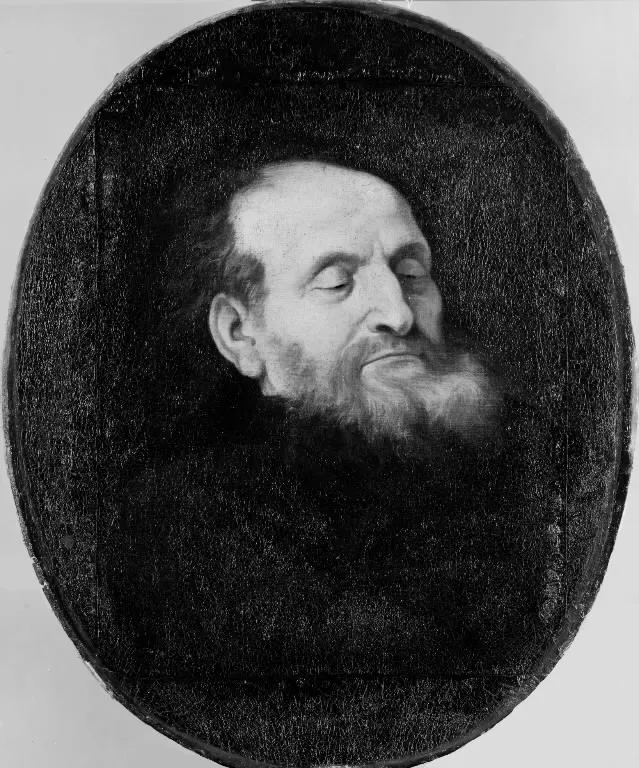
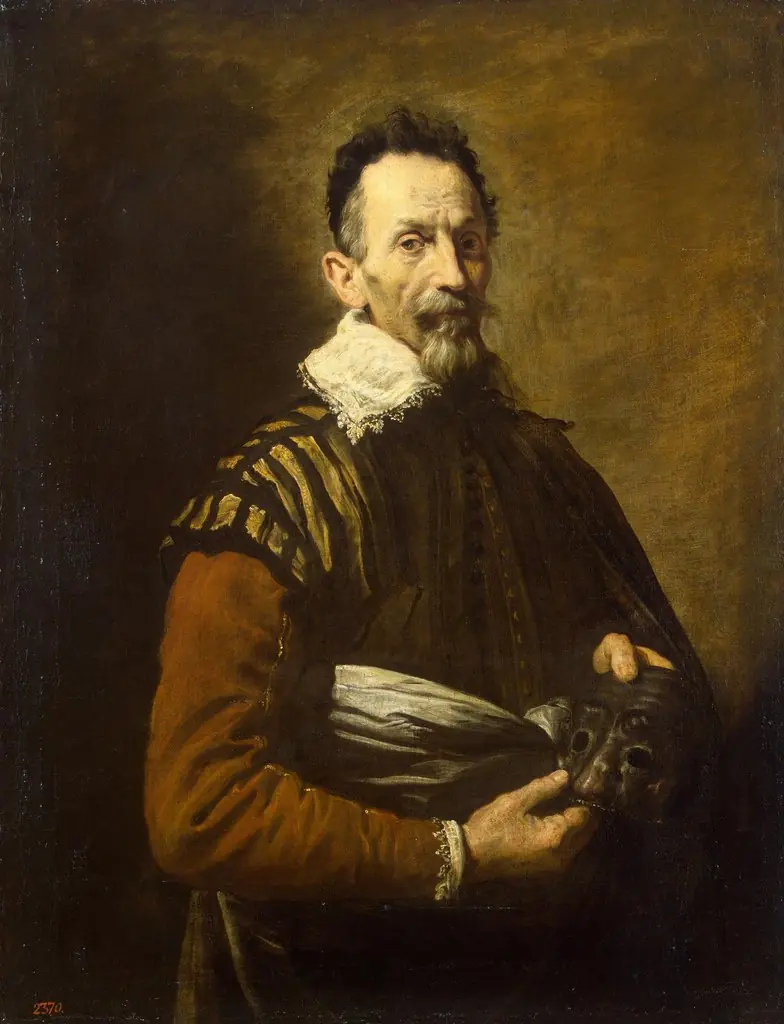
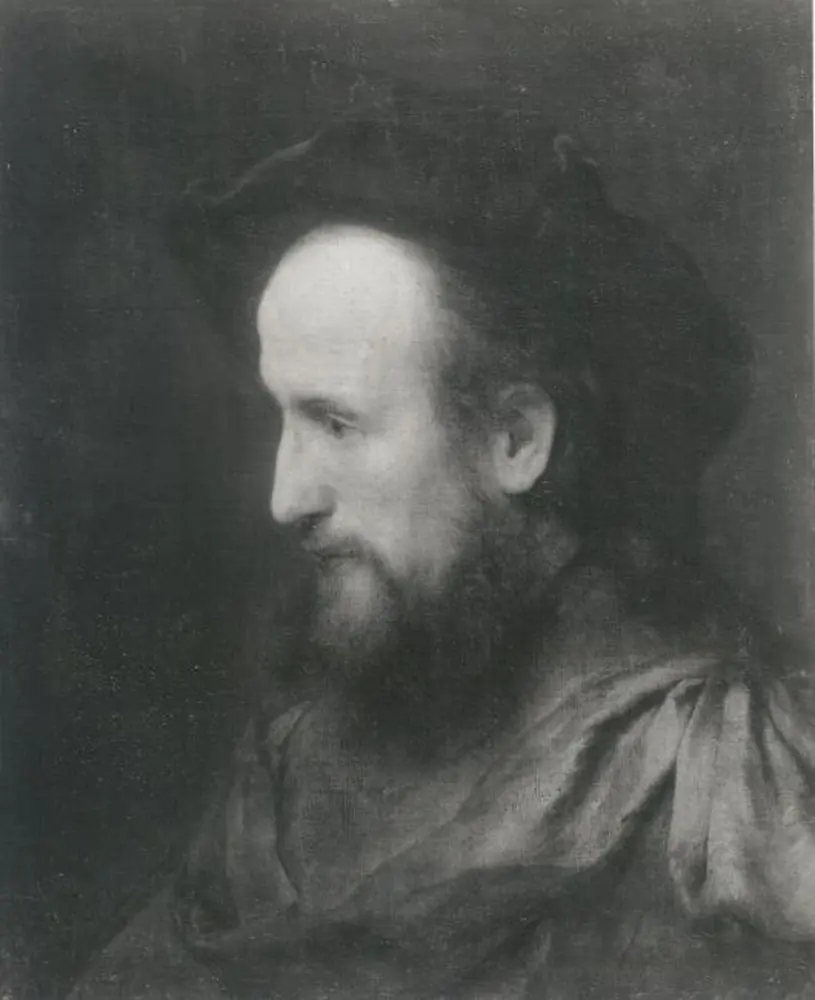
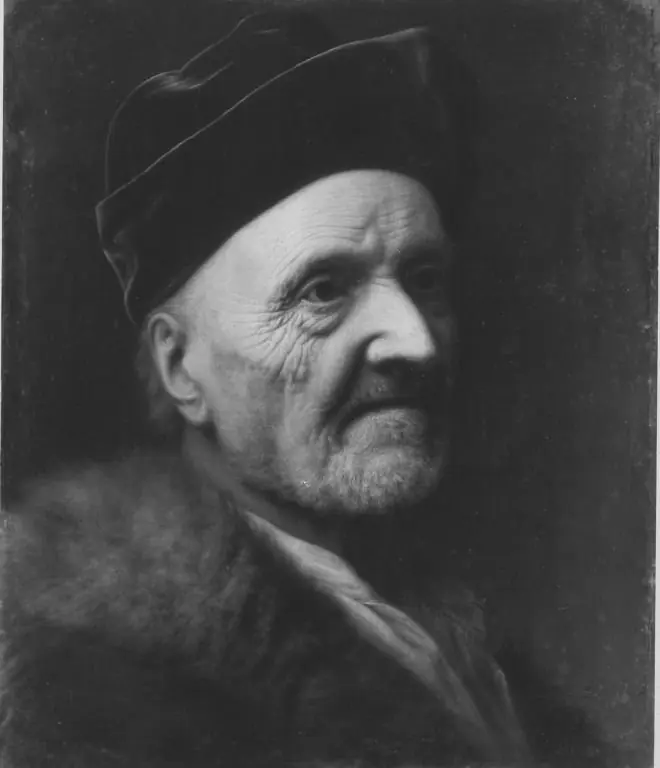
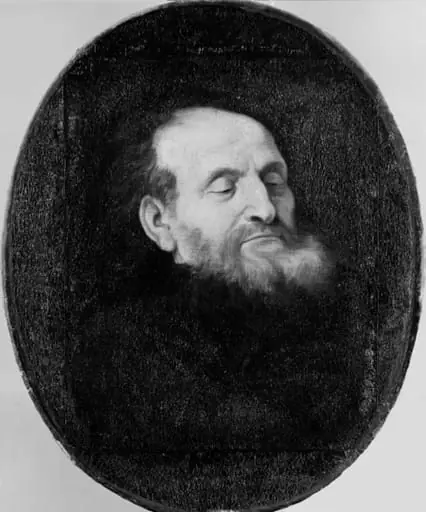
Head of an Old Man is an oil painting by the Early Baroque Italian artist Domenico Fetti. It dates from 1614 and is held in the collection of the Statens Museum for Kunst.
About this work
Overview
Domenico Fetti painted this oil portrait in 1614 during his early career, likely while working in Mantua.
Domenico Fetti painted this oil portrait in 1614 during his early career, likely while working in Mantua. It is a focused study of an elderly man, rendered with restrained emotion and minimal background. The work reflects Fetti’s interest in human character and his skill in capturing subtle expressions through light and texture, distinguishing it from grander historical or religious subjects common in the period.
Subject & Meaning
The subject is an aging man with closed eyes and a serene, inward expression. His dark, thinning hair and long beard suggest age and lived experience. The absence of context or narrative cues invites contemplation rather than storytelling. The quietude of the pose implies introspection, possibly evoking themes of mortality or spiritual reflection without overt symbolism.
Technique & Style
Fetti employed oil paint with a soft, tactile brushwork to model the man’s wrinkled skin and textured beard. The dark, unmodeled background isolates the face, enhancing its emotional presence. Subtle variations in tone and careful attention to the play of light on facial contours demonstrate his mastery of chiaroscuro, a hallmark of early Baroque portraiture in northern Italy.
History & Provenance
The painting entered the collection of Statens Museum for Kunst in Copenhagen, where it remains today. Its early date places it among Fetti’s formative works, created before his later, more elaborate commissions in Venice. While little is documented about its immediate ownership after 1614, its survival and preservation reflect its enduring value as a study in human presence.
Context
In the early 17th century, Italian artists increasingly turned to intimate portraiture as a means of exploring individuality. Fetti’s work aligns with this trend, influenced by Caravaggio’s naturalism and the Venetian emphasis on color. Unlike formal portraits, this study prioritizes psychological depth over status, reflecting a broader shift toward human-centered observation in Baroque art.
Legacy
Though not widely reproduced, the painting exemplifies Fetti’s ability to convey quiet dignity through minimal means. It stands as a testament to the period’s growing appreciation for unidealized human subjects. Its preservation in a major European collection ensures its continued role in understanding the evolution of Baroque portraiture beyond religious or aristocratic themes.
Artist & collection
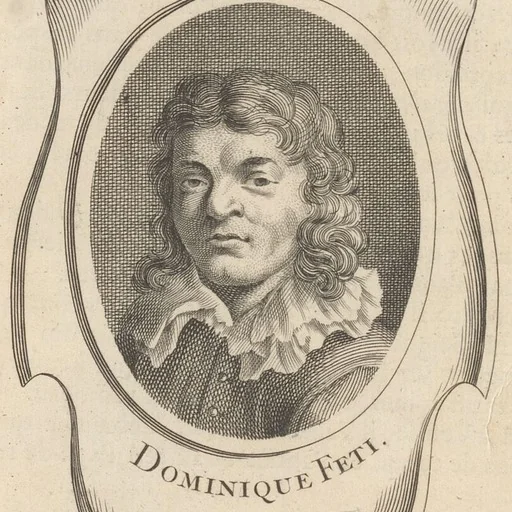
Artist
Domenico Fetti (also spelled Feti) (c. 1589 – 16 April 1623) was an Italian Baroque painter who was active mainly in Rome, Mantua and Venice.