Artwork
The Angel before the Grave
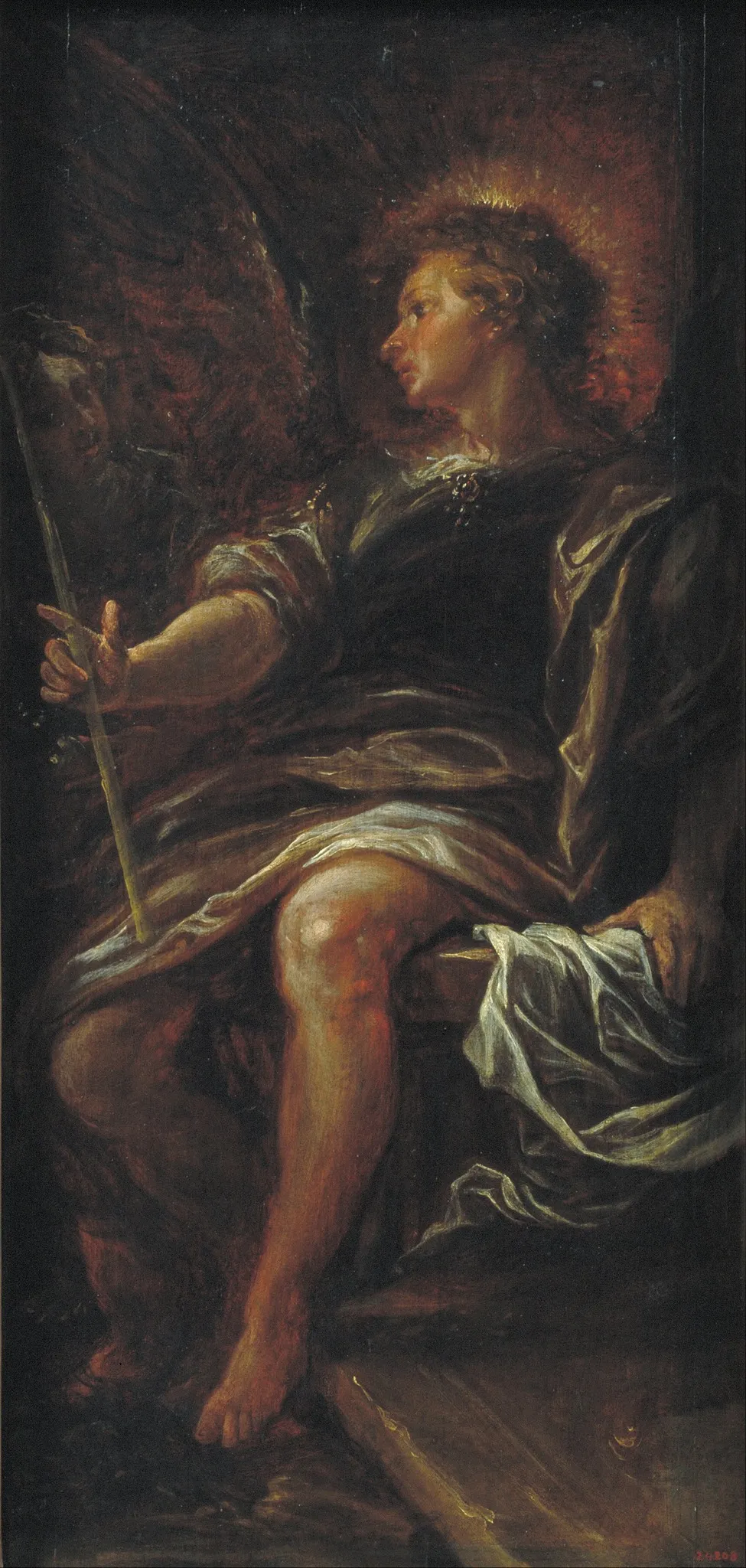
The Angel before the Grave is an oil painting by the Early Baroque Italian artist Francisco Rizi. It dates from 1650 and is held in the collection of the Museu Nacional d'Art de Catalunya.
About this work
Overview
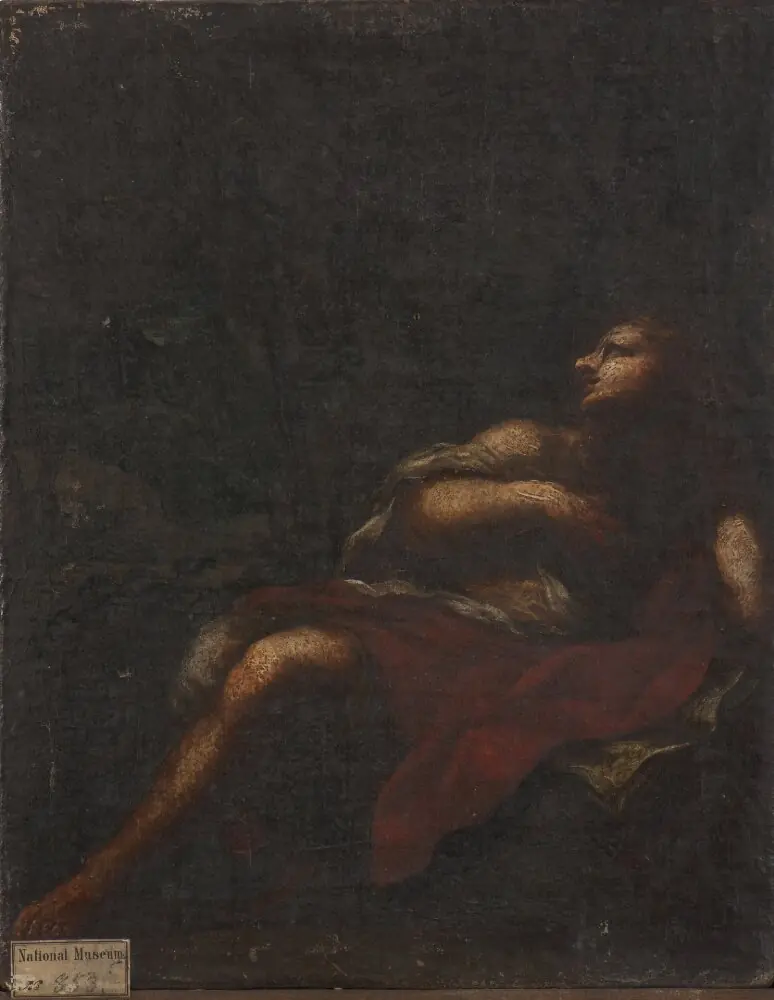
Painted around 1650 by Francisco Rizi, this oil work portrays an angel seated atop a plain grave. The composition is restrained, focusing on a solitary figure in a dimly lit space. The painting resides in the Museu Nacional d'Art de Catalunya, where it reflects the Spanish Baroque tradition of religious imagery grounded in quiet contemplation rather than dramatic spectacle.
Subject & Meaning
The angel, neither triumphant nor mournful, sits in stillness beside a grave, suggesting a moment of transition or divine witness.
The angel, neither triumphant nor mournful, sits in stillness beside a grave, suggesting a moment of transition or divine witness. The absence of inscriptions or symbols on the tomb implies universality, while the figure’s downcast gaze and somber demeanor evoke themes of mortality and silent reverence. The staff may allude to authority or guidance, reinforcing the angel’s role as a guardian of the threshold between life and death.
Technique & Style
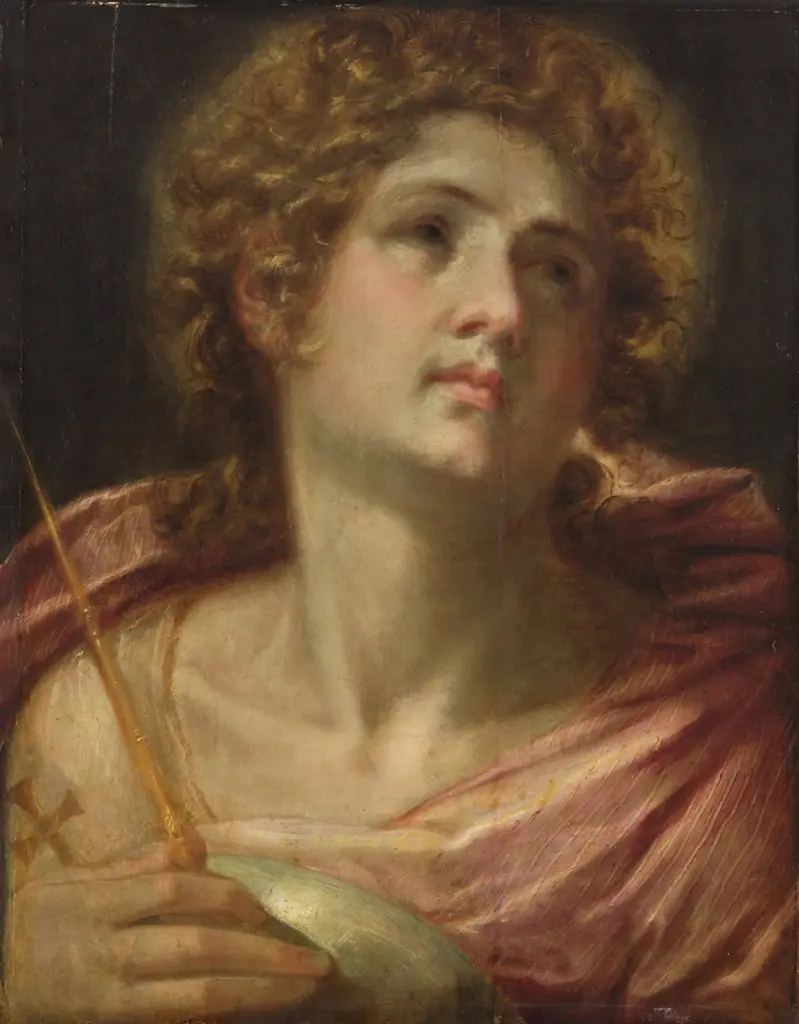
Rizi employs chiaroscuro to isolate the angel against a deep, shadowed background, heightening the figure’s presence through stark contrasts of light and dark. The white drapery catches the ambient glow, drawing attention to the angel’s form and the slender staff. Facial features are rendered with subtle modeling, avoiding theatricality. The brushwork is controlled, emphasizing texture in fabric and the smoothness of the grave’s surface without embellishment.
History & Provenance
The painting entered the collection of the Museu Nacional d'Art de Catalunya through the consolidation of Spanish ecclesiastical and noble holdings in the early 20th century. Its origins likely lie in a private devotional context, possibly commissioned for a chapel or monastery. No documentation of its early ownership survives, but its style aligns with Rizi’s known religious works from the mid-17th century in Madrid.
Context
Created during Spain’s Counter-Reformation, the painting reflects a spiritual climate that favored introspective religious imagery over grand narratives. Rizi, trained in Italy and active in Madrid, synthesized Italianate naturalism with Spanish austerity. This work aligns with contemporaneous depictions of angels as quiet intermediaries, emphasizing personal piety and the mystery of death over doctrinal assertion.
Legacy
Though not widely reproduced, the painting exemplifies the understated devotional mode favored in Spanish Baroque art. Its restrained emotion and focus on solitude distinguish it from more theatrical religious scenes of the period. It remains a reference point for studies of Rizi’s handling of light and spiritual atmosphere, contributing to broader understandings of 17th-century Spanish sacred painting.
Artist & collection