Artwork
Portrait of a scholar (Archimedes?)
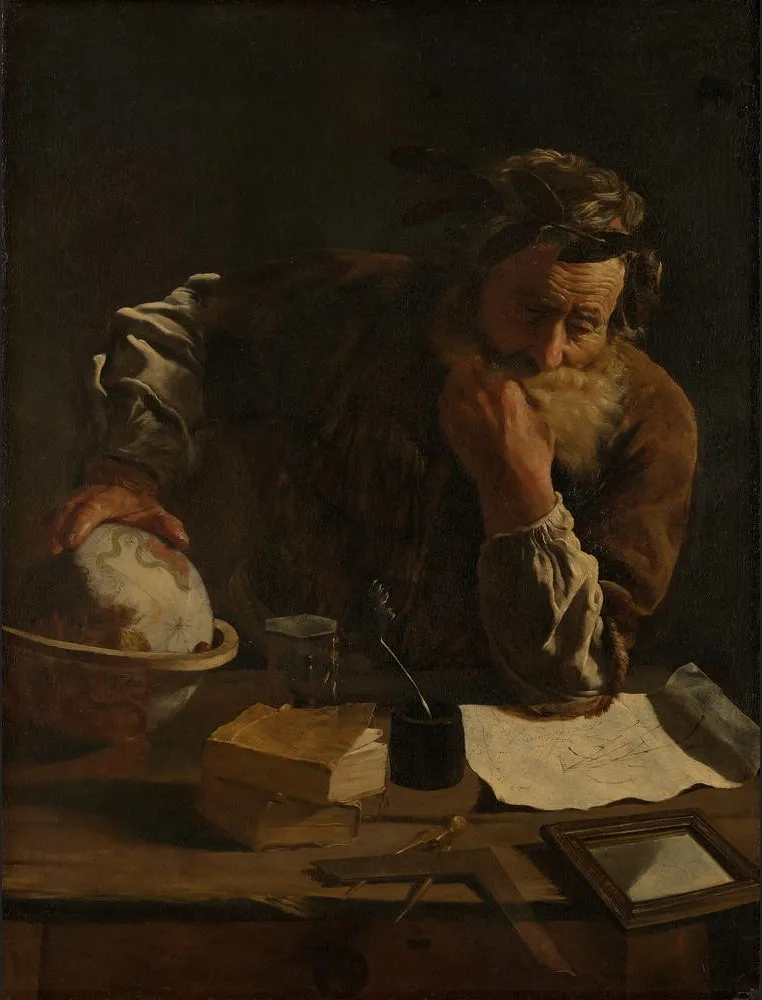
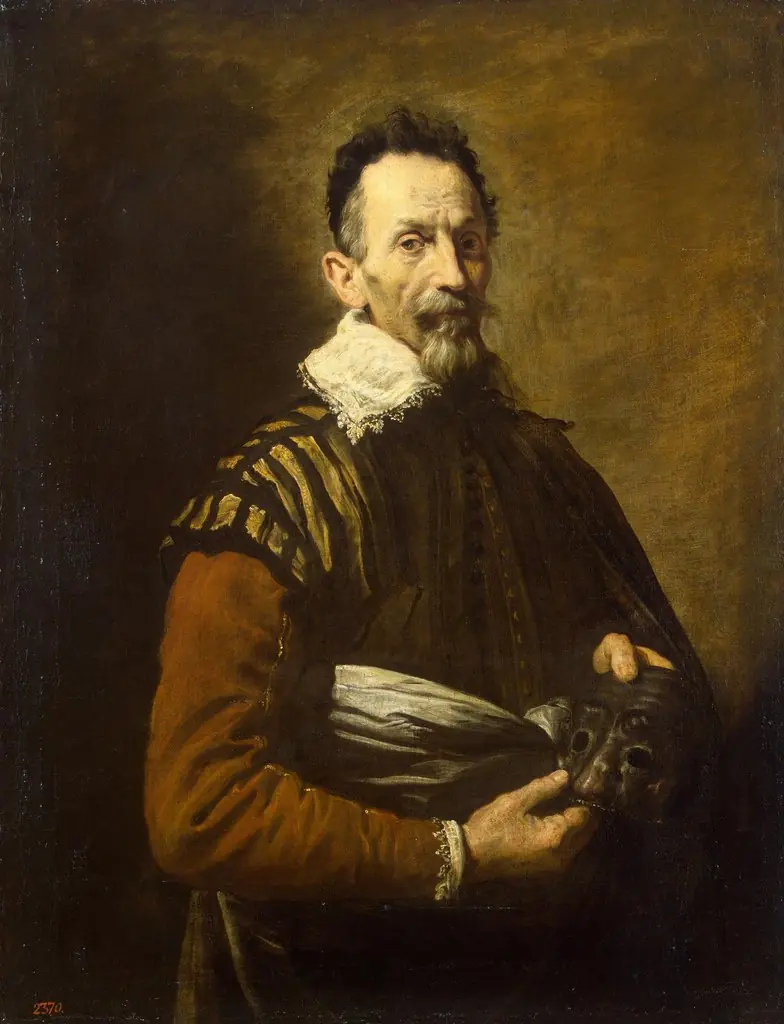
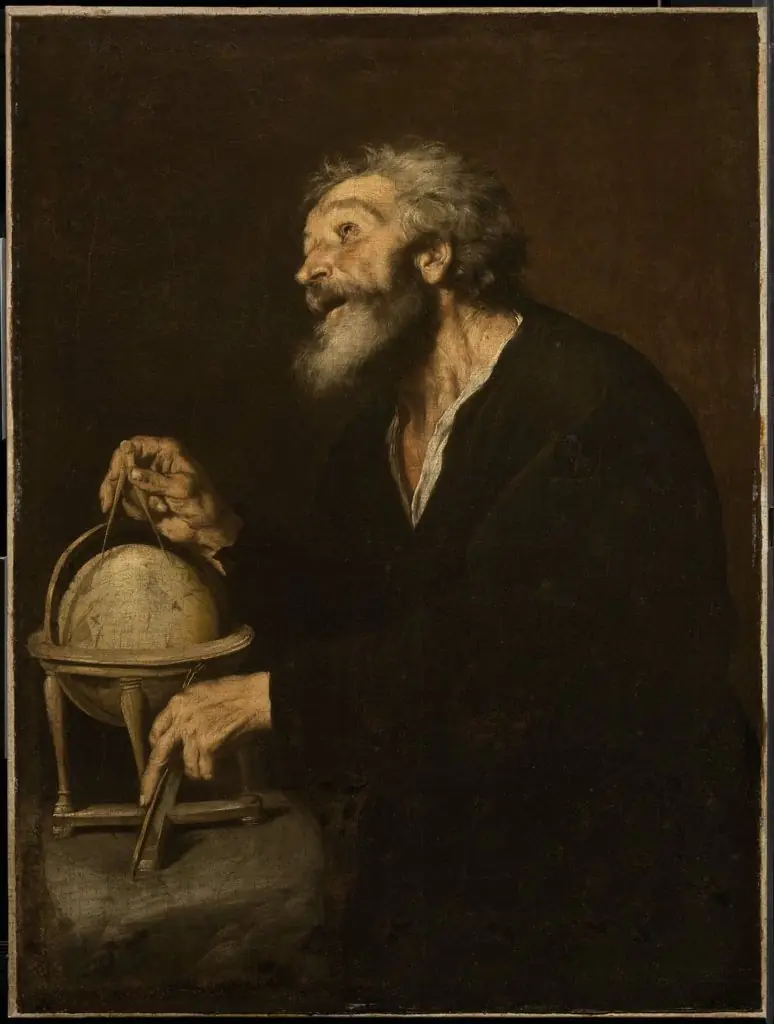
Portrait of a scholar (Archimedes?) is an oil painting by the Early Baroque Italian artist Domenico Fetti. It dates from 1620 and is held in the collection of the Staatliche Kunstsammlungen Dresden.
About this work
Overview
It resides today in the Gemäldegalerie Alte Meister in Dresden, part of a broader collection of 17th-century Italian paintings.
Painted in 1620 by Domenico Fetti, this oil-on-canvas portrait captures a contemplative scholar seated at a wooden table. Though traditionally linked to Archimedes, the identity remains uncertain. The work exemplifies early Baroque portraiture, emphasizing psychological presence over idealized form. It resides today in the Gemäldegalerie Alte Meister in Dresden, part of a broader collection of 17th-century Italian paintings.
Subject & Meaning
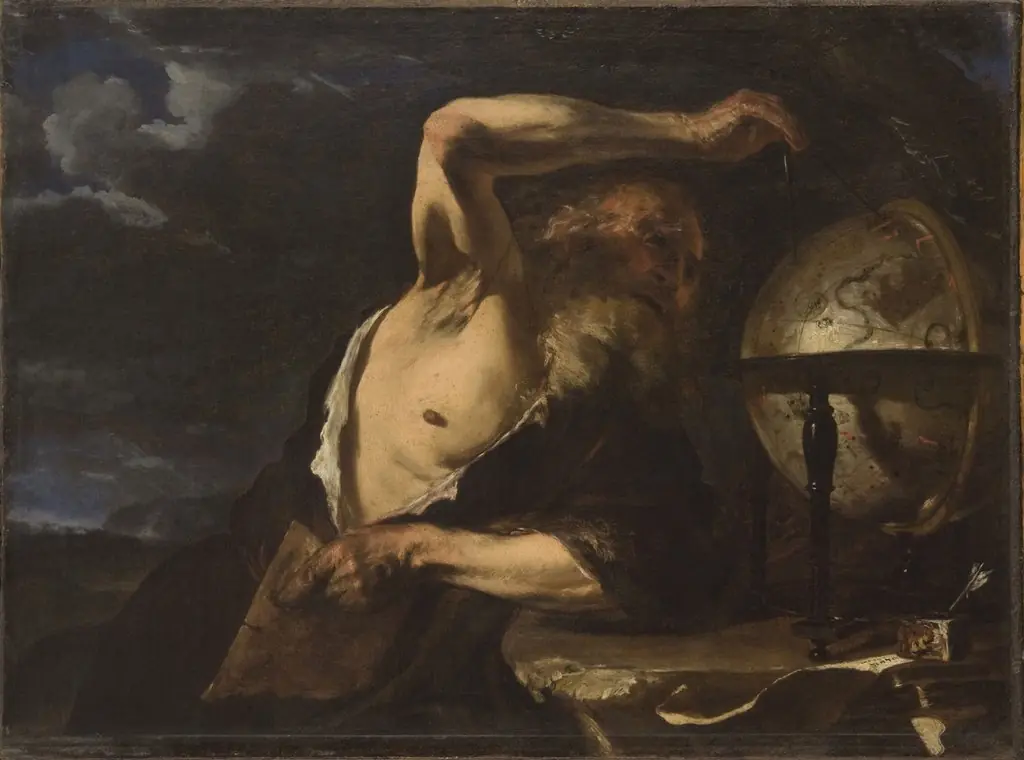
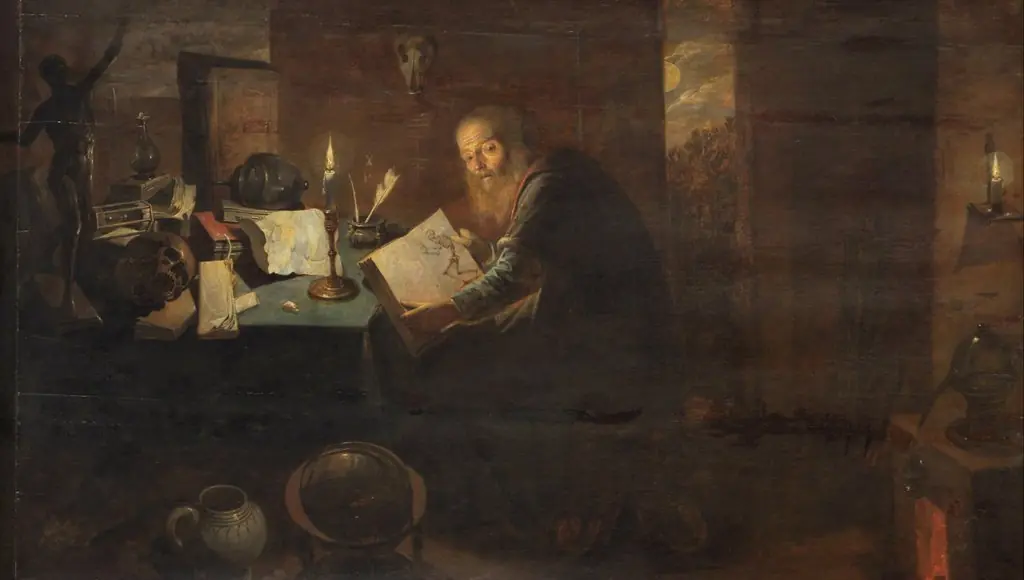
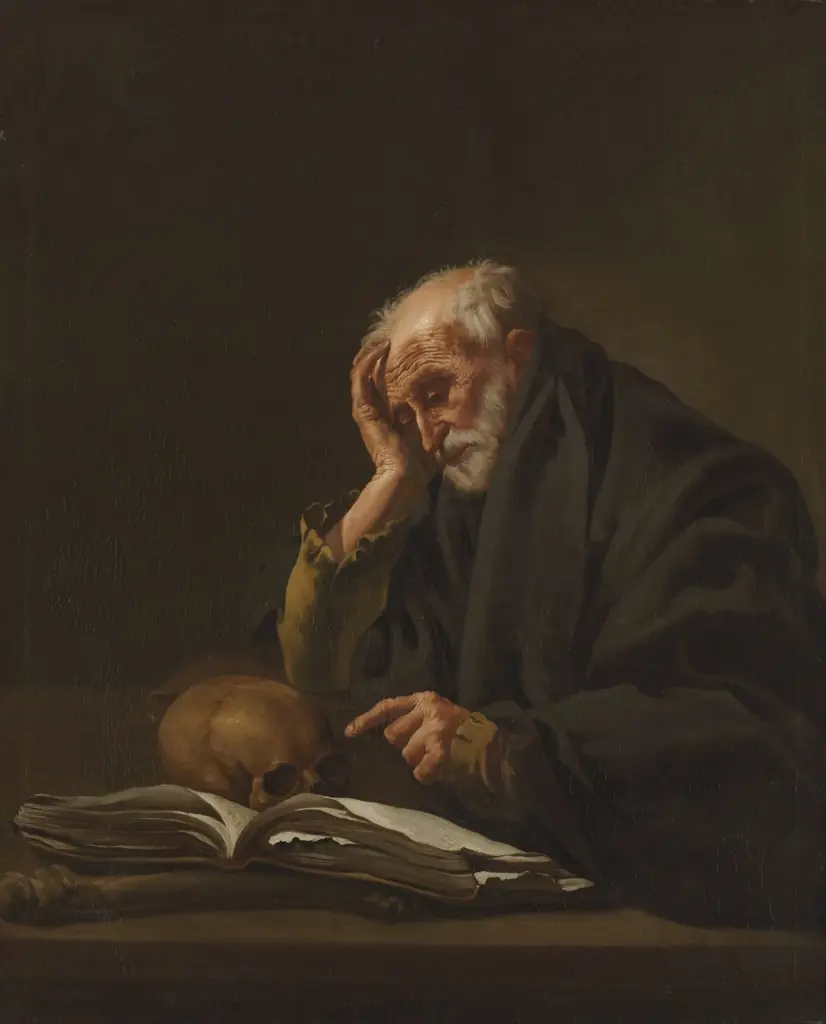
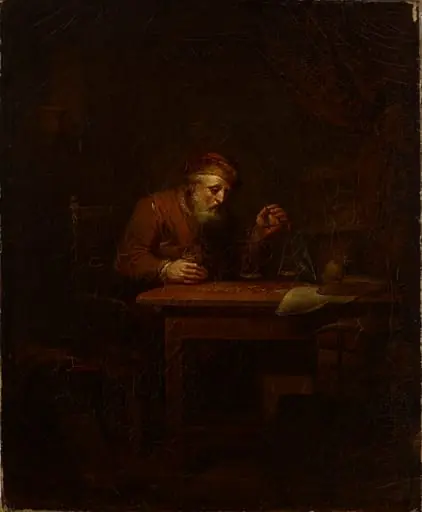
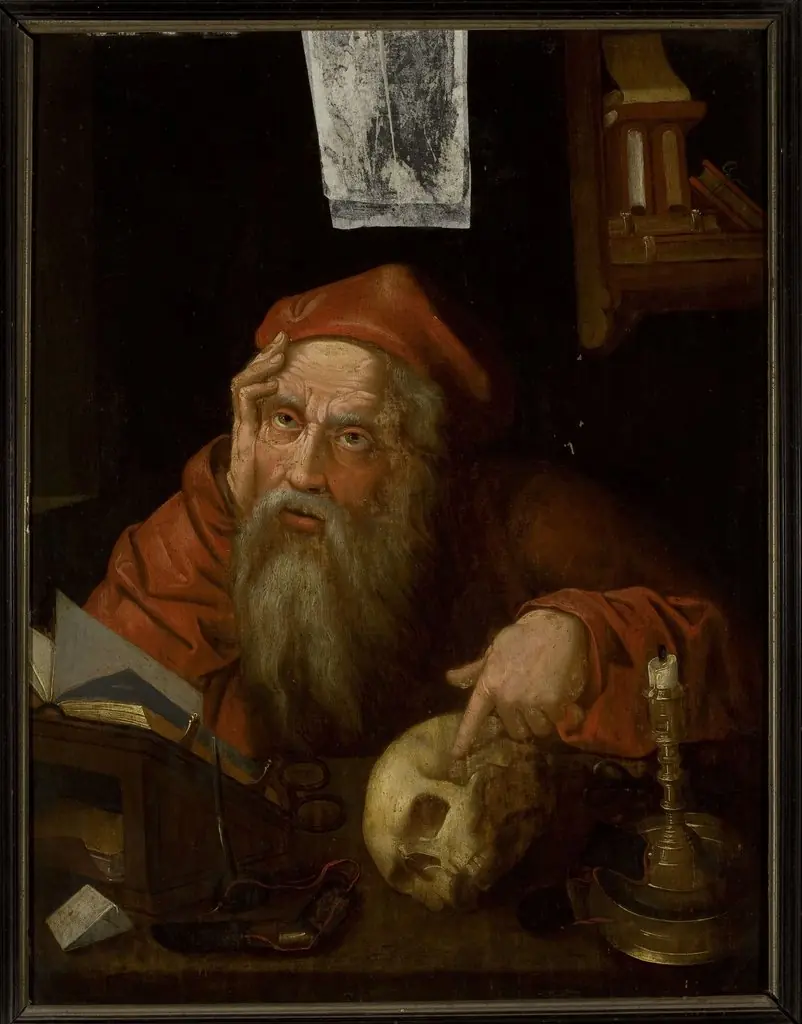
The figure, cloaked in a dark brown robe with a crisp white collar, rests his chin on his hand in a gesture of deep thought. Surrounding him are tools of intellectual pursuit: a globe, an open book, a sheet of annotated paper, and a small vessel—possibly for ink or pigment. These objects suggest scholarly inquiry rather than mythological reference, positioning the subject as a man engaged in quiet study, not a legendary figure.
Technique & Style
Fetti employs chiaroscuro to model the figure and objects with subtle gradations of light and shadow, lending volume and spatial depth. The dark, unbroken background isolates the subject, heightening focus on his expression and the arranged items. Brushwork is precise yet unobtrusive, avoiding theatricality; the realism is restrained, aligning with northern Italian tendencies rather than Roman grandeur.
History & Provenance
The painting entered the Dresden collection in the 18th century, likely through the acquisition of works from Italian private collections. Its attribution to Fetti has been consistently supported by stylistic analysis, though its original commission and early ownership remain undocumented. The title referencing Archimedes appears to be a later scholarly convention, not contemporary to its creation.
Context
In early 17th-century Italy, portraits of thinkers were rare compared to religious or aristocratic subjects. Fetti, working across Mantua and Venice, was influenced by Caravaggio’s naturalism but softened his contrasts. This painting reflects a growing interest in the intellectual life of the individual, mirroring humanist values within a Catholic cultural sphere that still prioritized sacred themes.
Legacy
The work stands as a quiet testament to the dignity of scholarly labor in an era dominated by spectacle. While not widely reproduced or celebrated in its time, it contributes to a small but significant group of Baroque portraits that treat knowledge as a subject worthy of visual contemplation, influencing later depictions of thinkers in European art.
Artist & collection
Artist
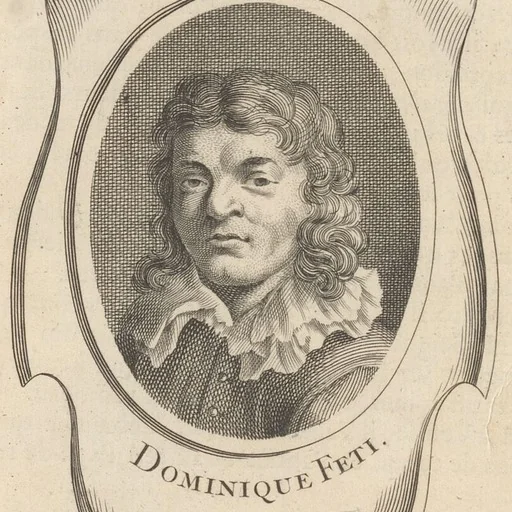
Domenico Fetti (also spelled Feti) (c. 1589 – 16 April 1623) was an Italian Baroque painter who was active mainly in Rome, Mantua and Venice.