Artwork
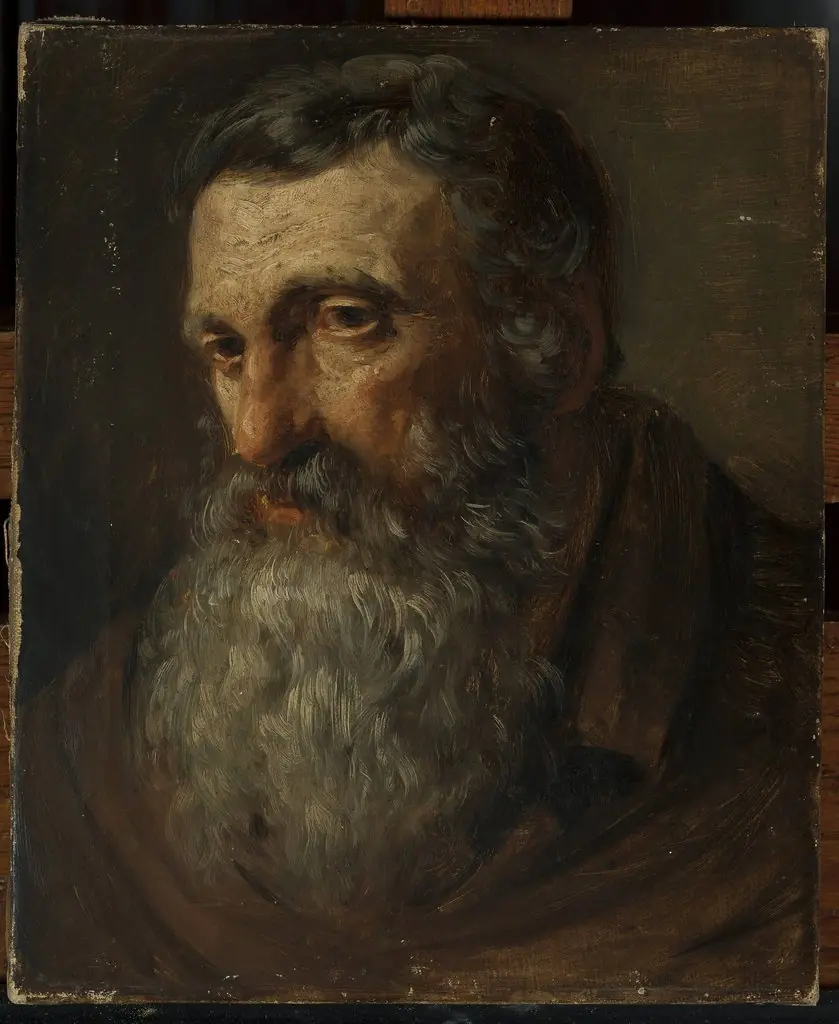
Brustbild eines alten Mannes
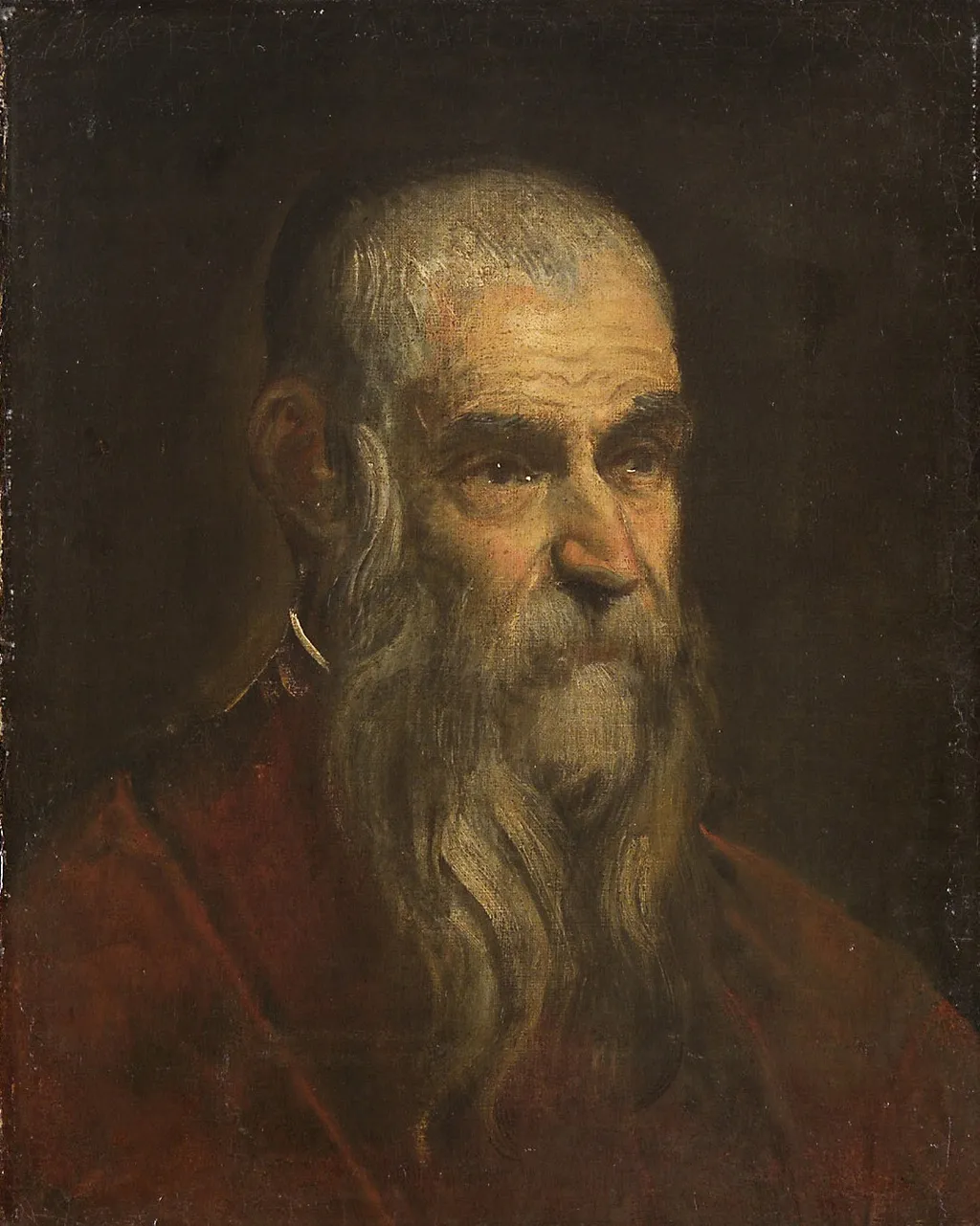
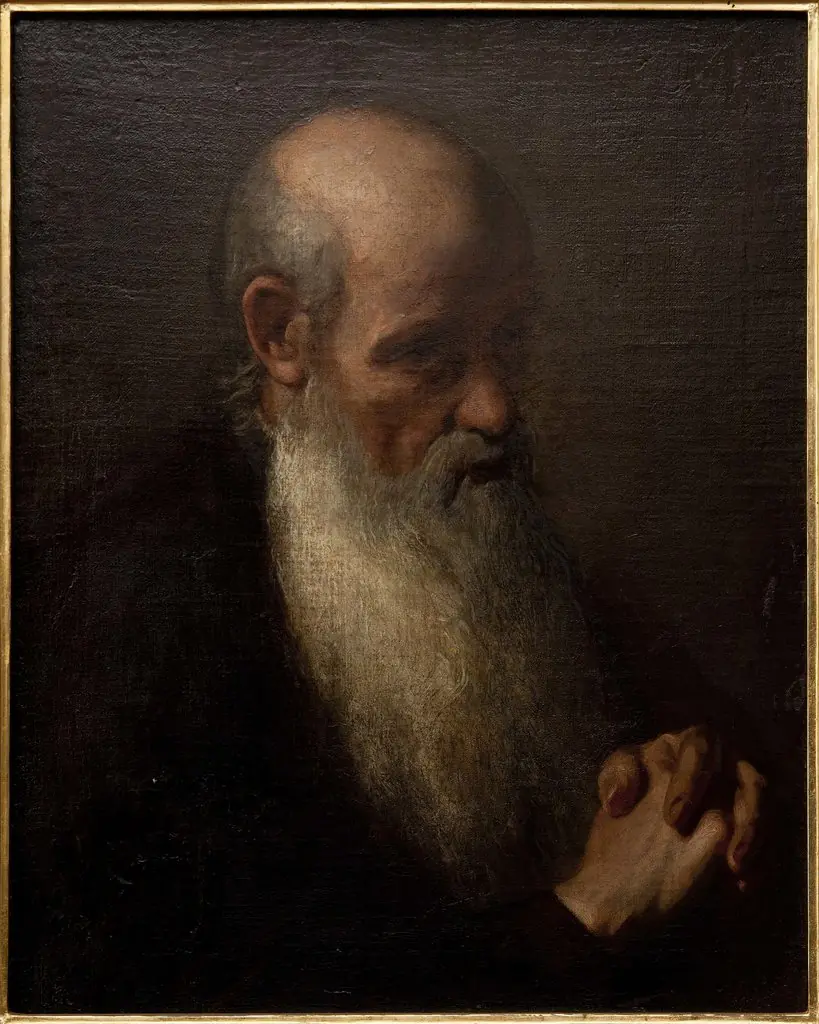
Brustbild eines alten Mannes is an unspecified painting by the Mannerist artist Domenico Tintoretto. It dates from 1590 and is held in the collection of the Kunsthistorisches Museum.
About this work
Overview
This oil painting, dated around 1590, is attributed to Domenico Tintoretto, son of the more widely known Jacopo Tintoretto. It depicts an elderly man in a solemn pose, rendered with quiet intensity. The work resides in the Kunsthistorisches Museum in Vienna, where it is cataloged as part of the museum’s Renaissance portraiture collection.
Subject & Meaning
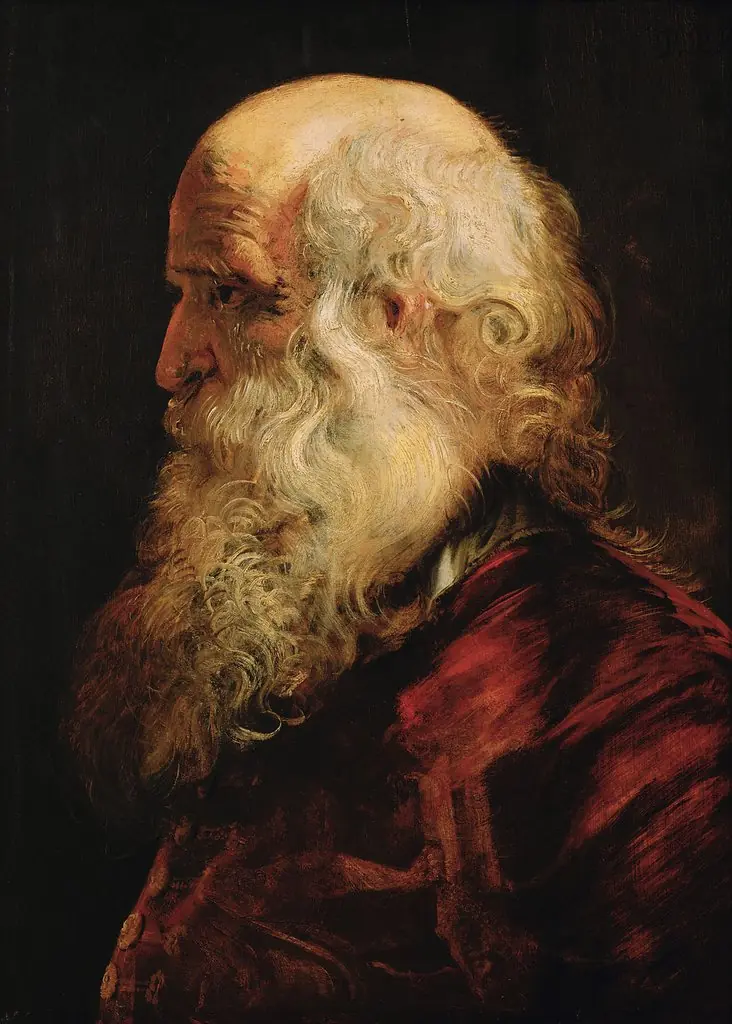
The subject is an older man with a long white beard and hair, dressed in a rich red robe. His gaze, directed slightly to the right, suggests contemplation or distant focus rather than direct engagement with the viewer. The absence of identifying symbols or context leaves his identity unknown, but the dignified bearing implies status or intellectual stature common in portraiture of the period.
Technique & Style
The painting employs a restrained palette dominated by deep shadows and the vivid red of the robe, creating contrast that draws attention to the face. Brushwork is precise, particularly in the rendering of facial wrinkles and beard strands, reflecting Renaissance ideals of naturalism. The dark, undefined background isolates the figure, emphasizing psychological presence over environmental detail.
History & Provenance
The painting entered the Kunsthistorisches Museum’s collection in the 19th century, likely through imperial Austrian acquisitions of Italian art. Its attribution to Domenico Tintoretto has been consistently supported by stylistic analysis, though no documented commission or early ownership records are known. It has remained in the museum’s holdings since its acquisition.
Context
Created during the late Renaissance in Venice, the portrait reflects the enduring influence of Venetian colorism and psychological depth.
Created during the late Renaissance in Venice, the portrait reflects the enduring influence of Venetian colorism and psychological depth. While Domenico worked largely in his father’s shadow, this piece demonstrates his ability to convey individuality through subtle expression and refined handling of light. Such portraits were often commissioned by wealthy patrons or civic figures seeking to preserve their image.
Legacy
Though not among Domenico Tintoretto’s most celebrated works, this portrait contributes to the understanding of his portraiture practice and the broader Venetian tradition of introspective civilian representation. It remains a quiet example of late 16th-century observational realism, valued for its restraint and emotional nuance rather than dramatic flair.
Artist & collection

Artist
Domenico Robusti, also known as Domenico Tintoretto, was an Italian painter from Venice. He grew up under the tutelage of his father, the renowned painter Jacopo Tintoretto.

 Old man
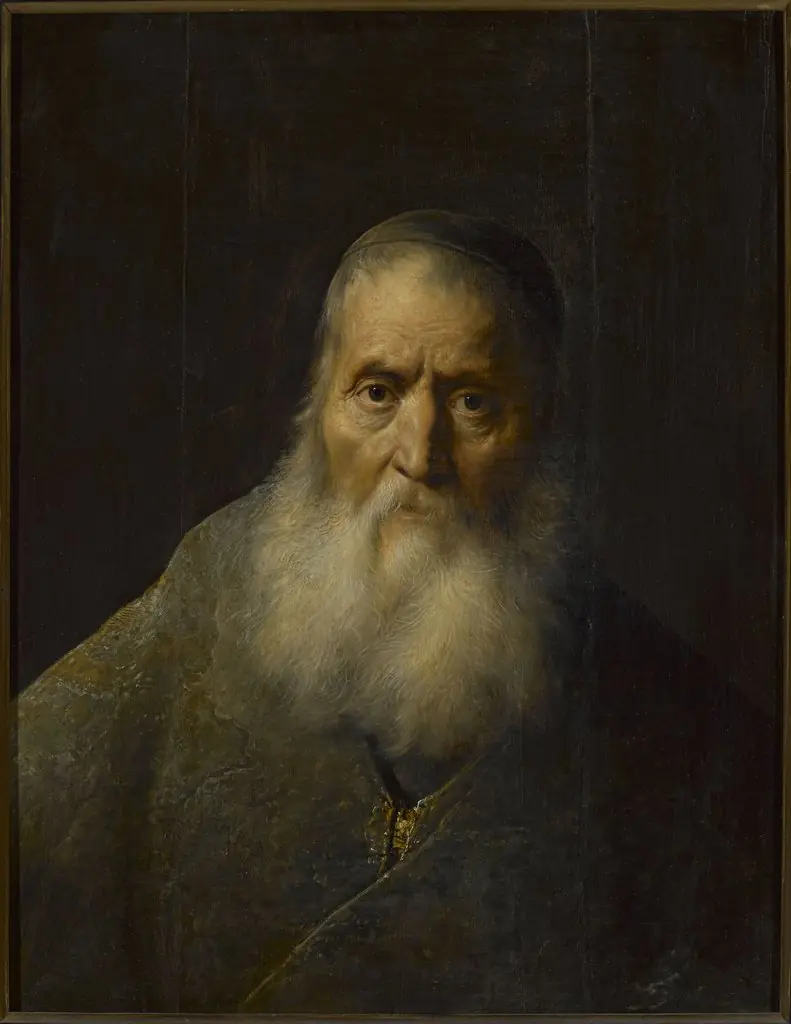 Old man in a skullcap
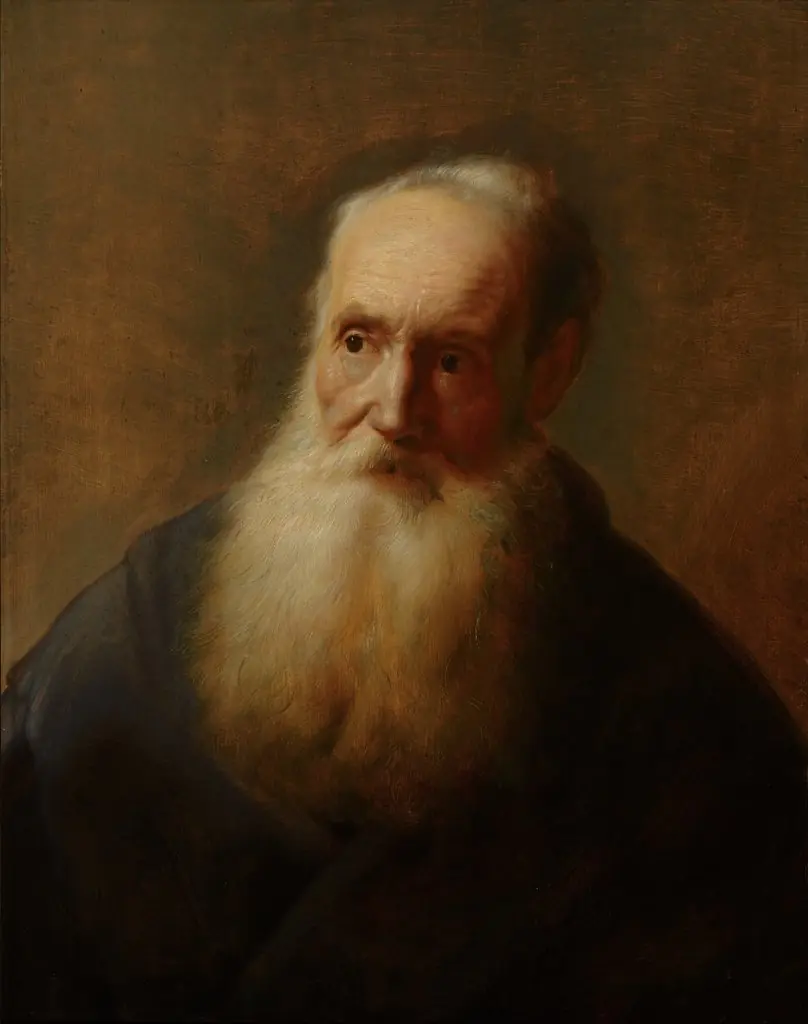 'Tronie' of an Old Man
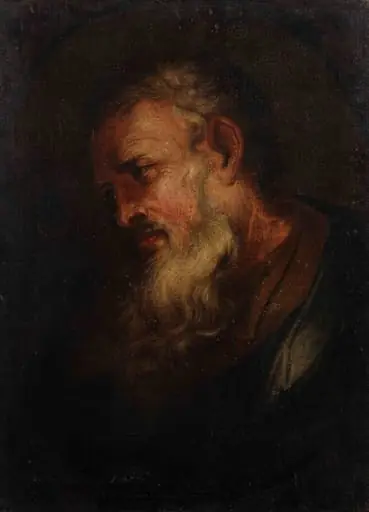 Studiu de expresie (Sfântul Petru?)
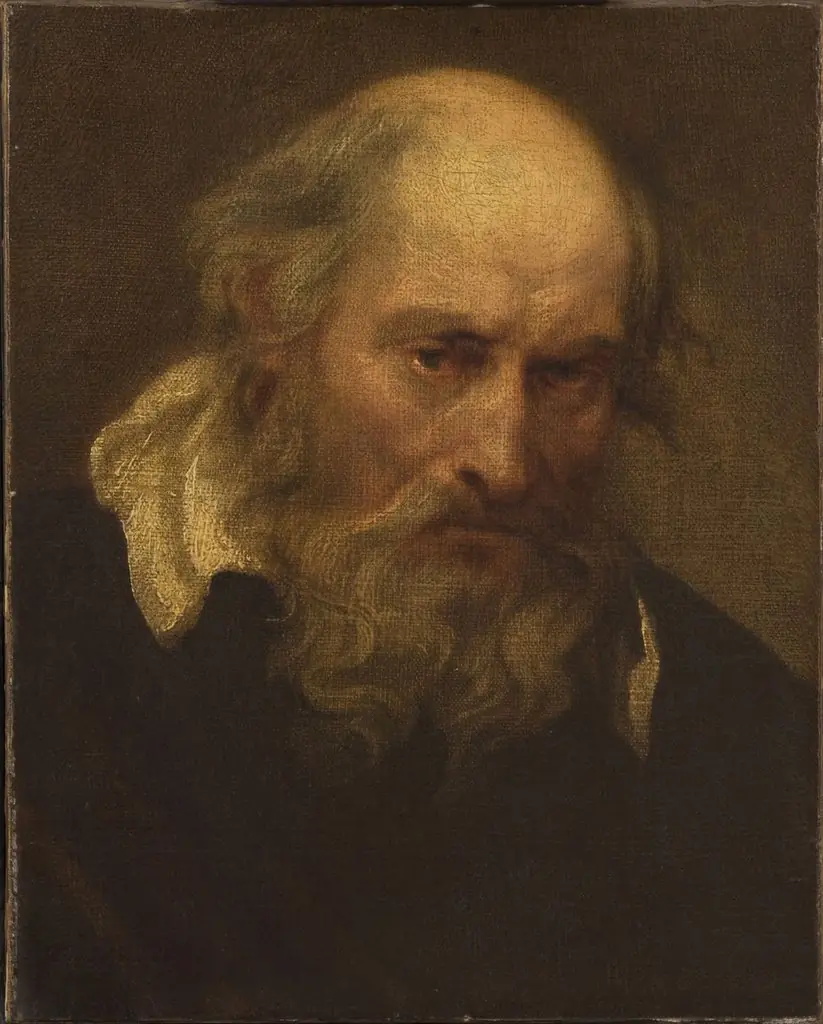 Head of an Old Man
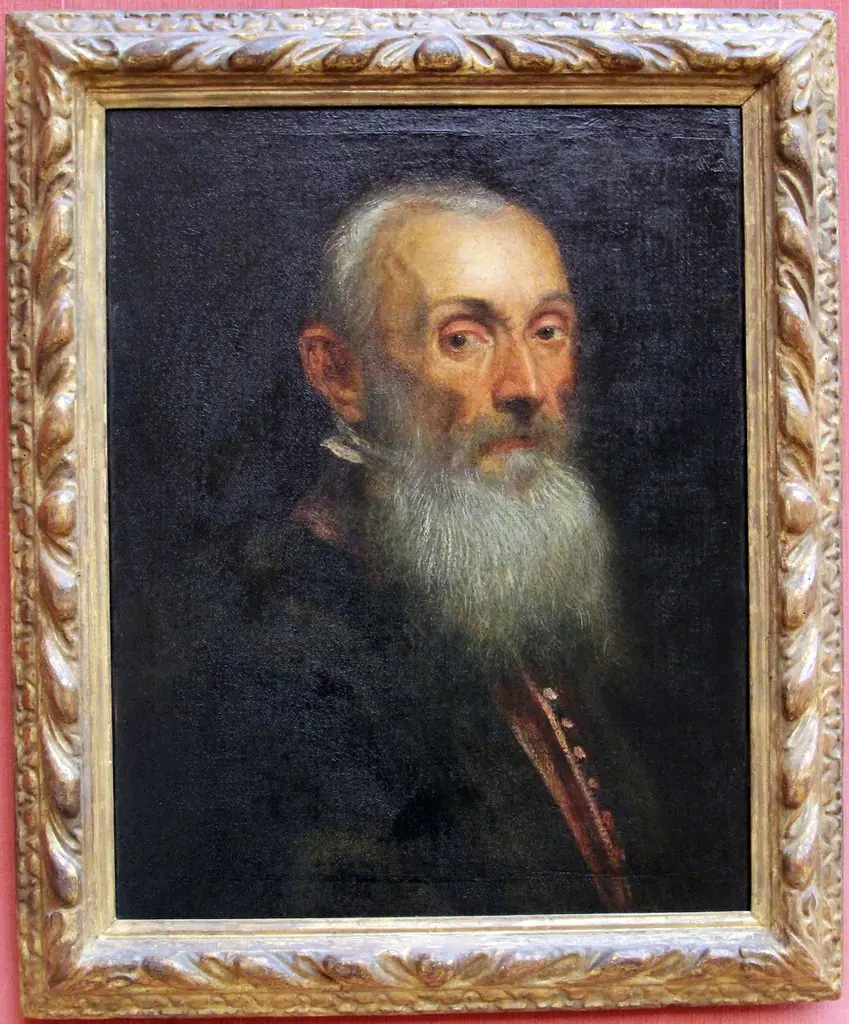 Portrait of Giovanni Mocenigo (1508-1580)
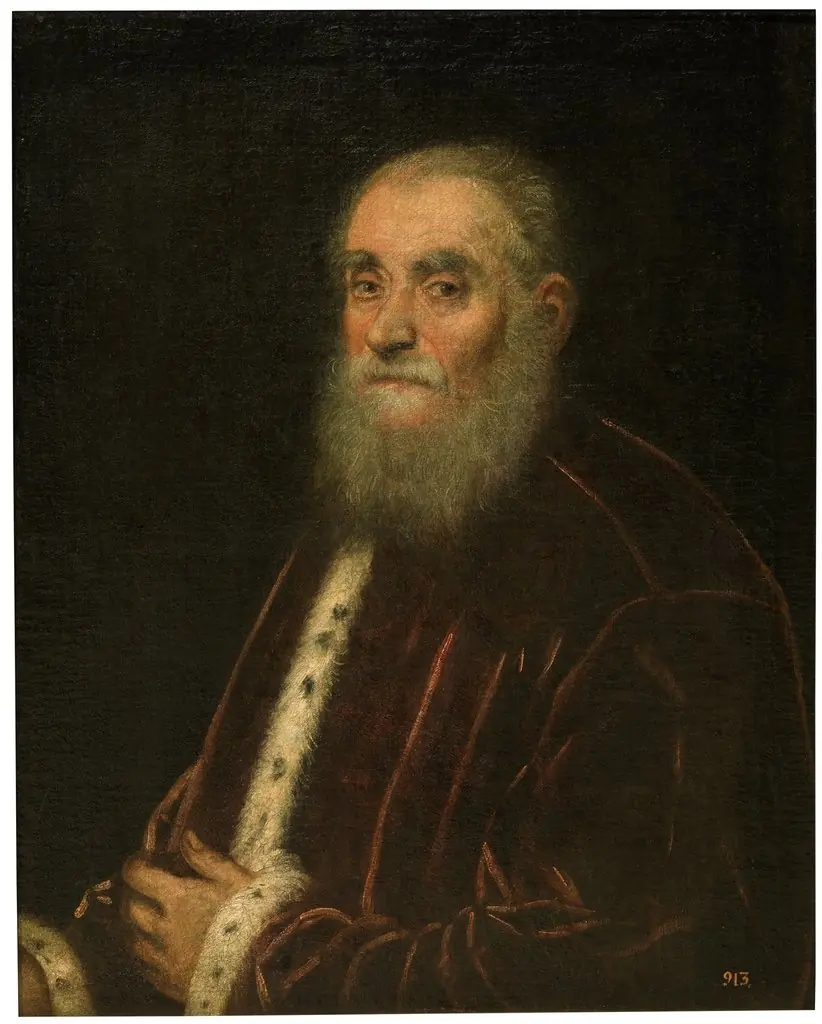 Marco Grimani
 Study of the Head of an Old Man
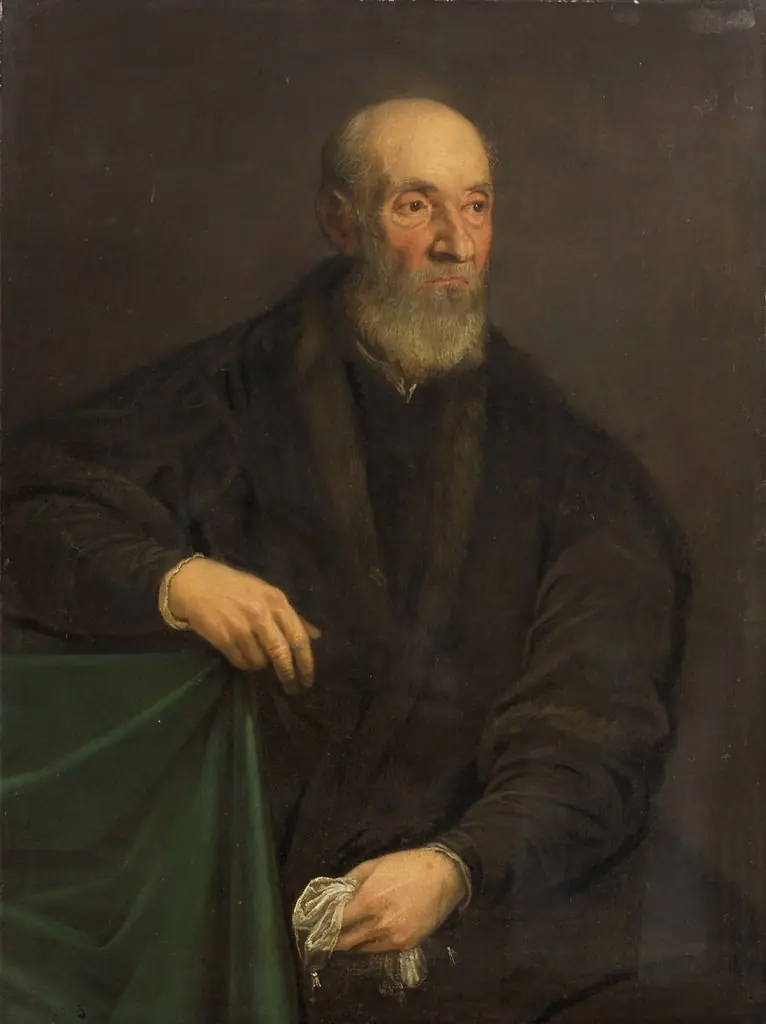 Bildnis eines alten Mannes, an einem Tisch sitzend
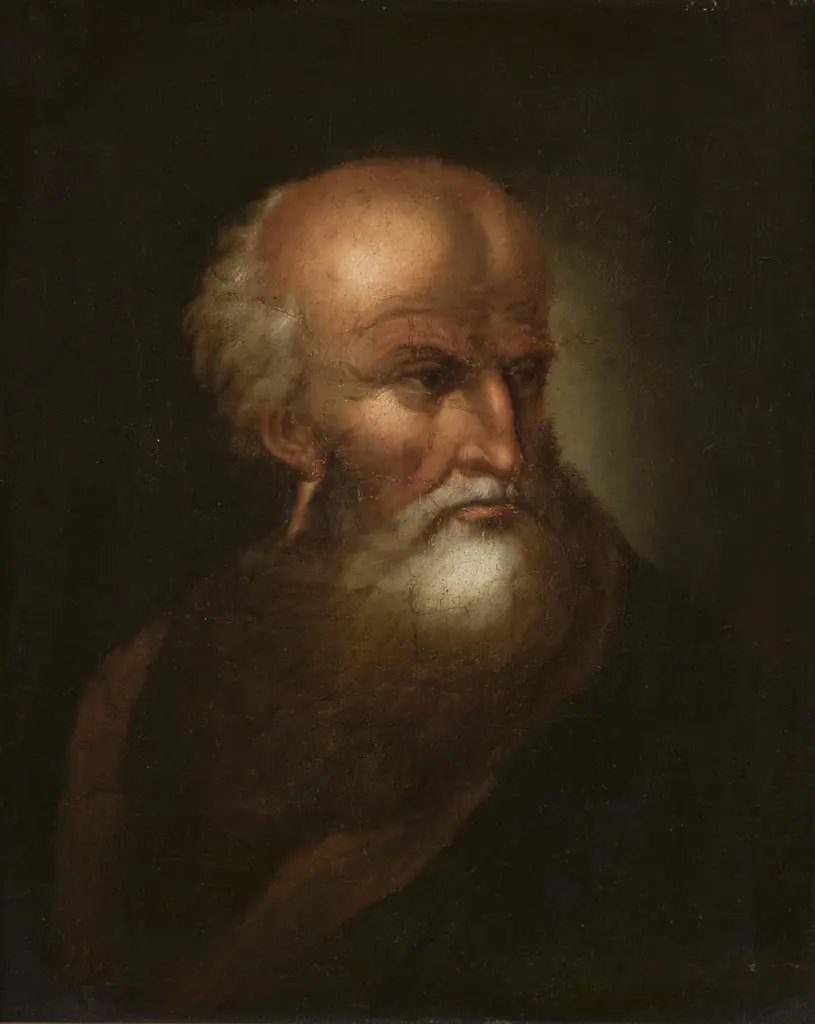 Portrait of Marek Poczobut
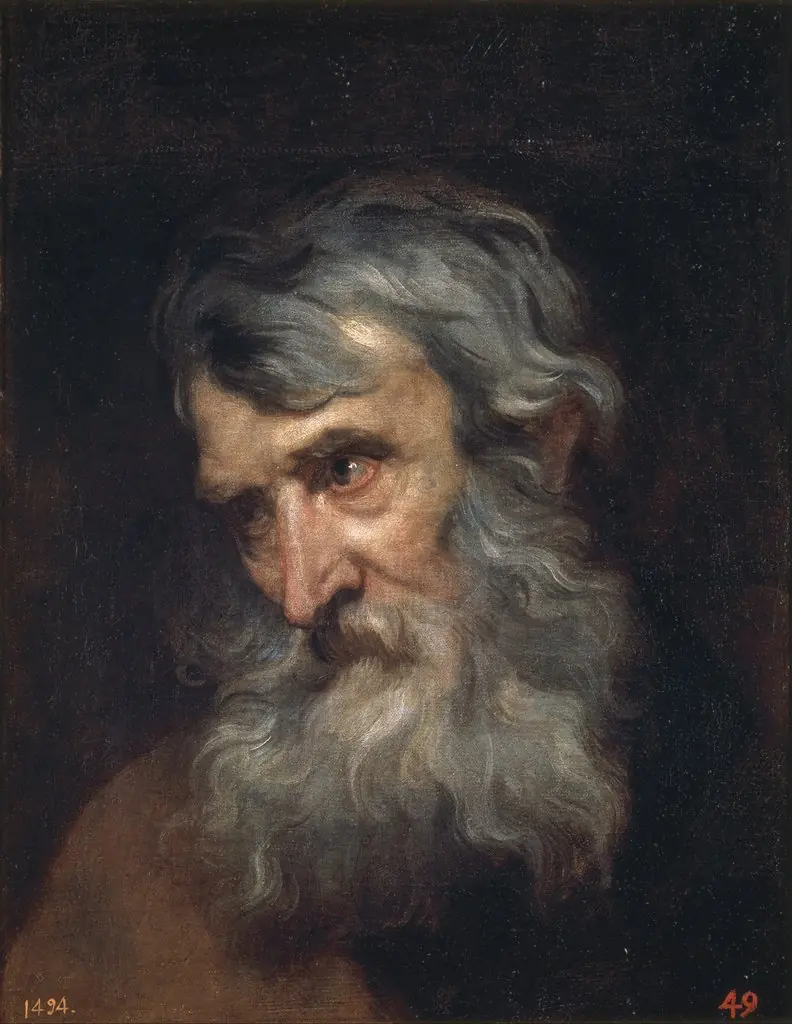 The Head of an Old Man
 Portrait of Teodor Kobylański