Artwork
Portrait of Marek Poczobut
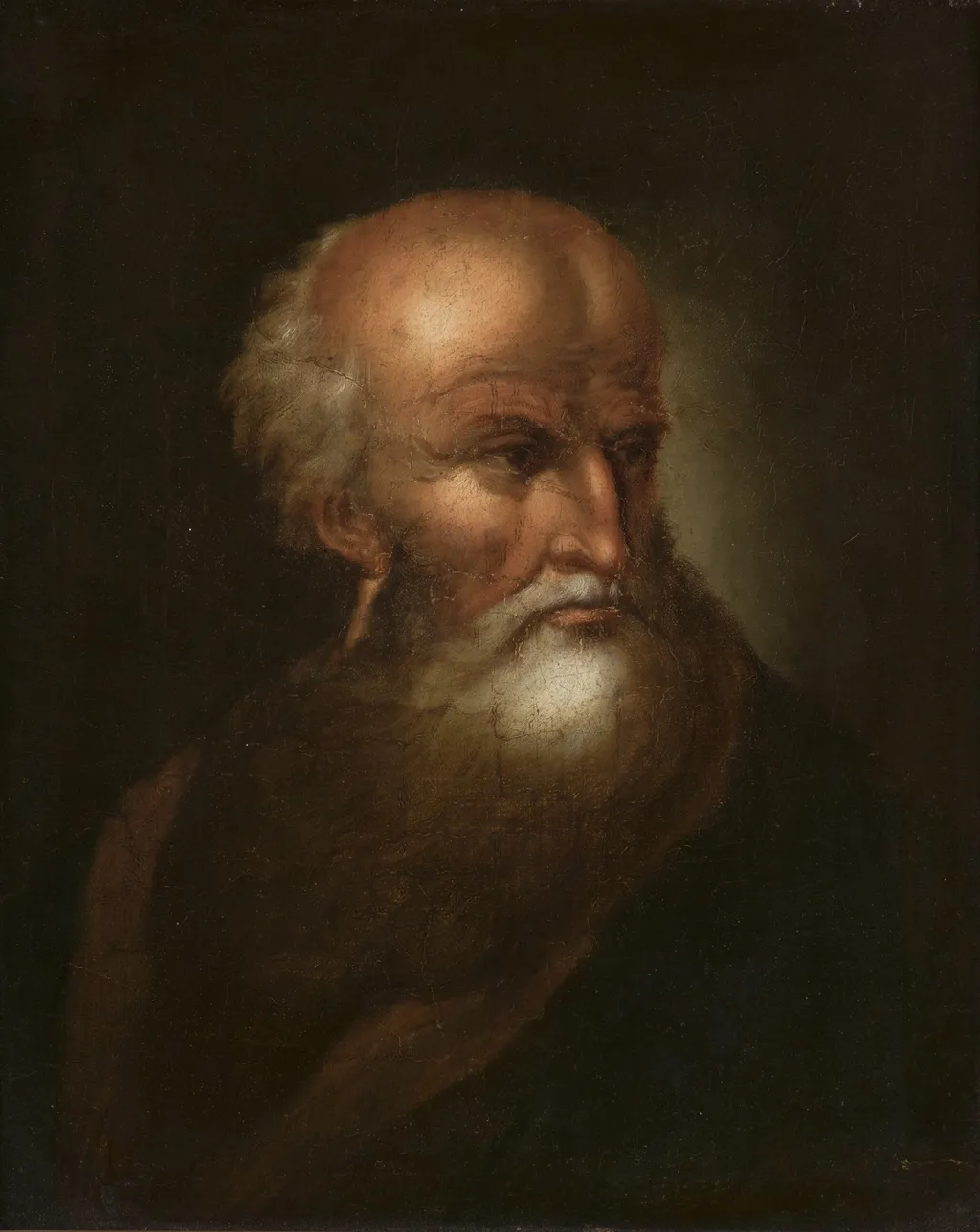
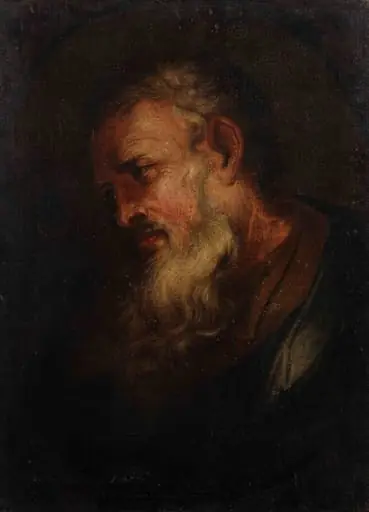
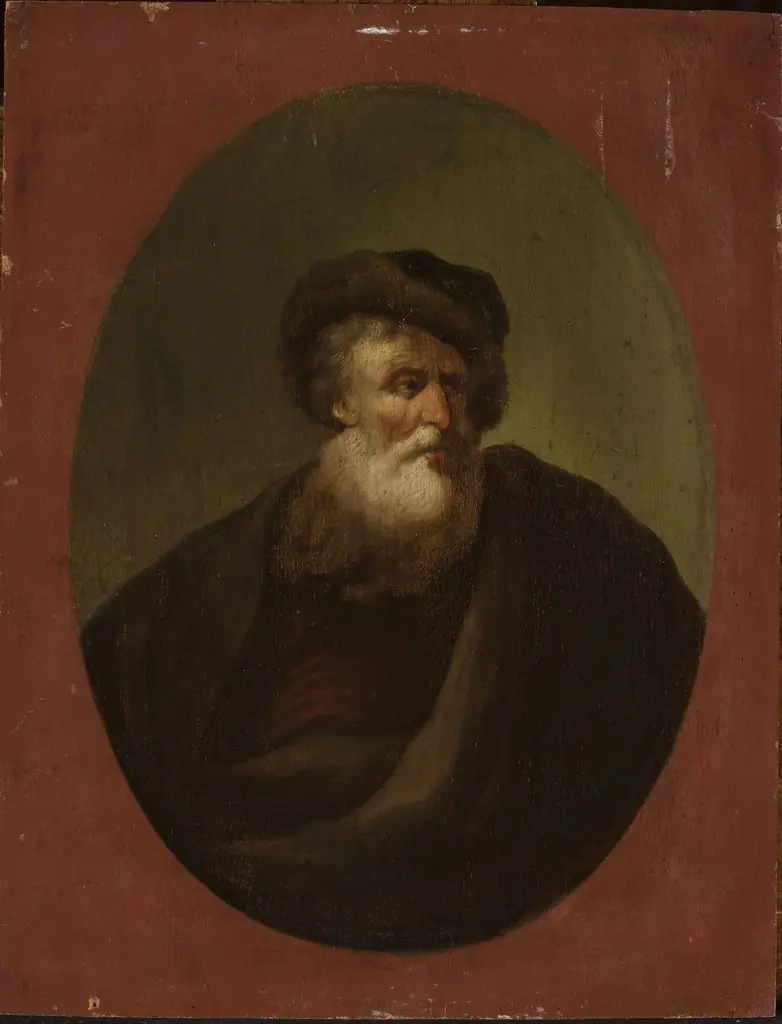
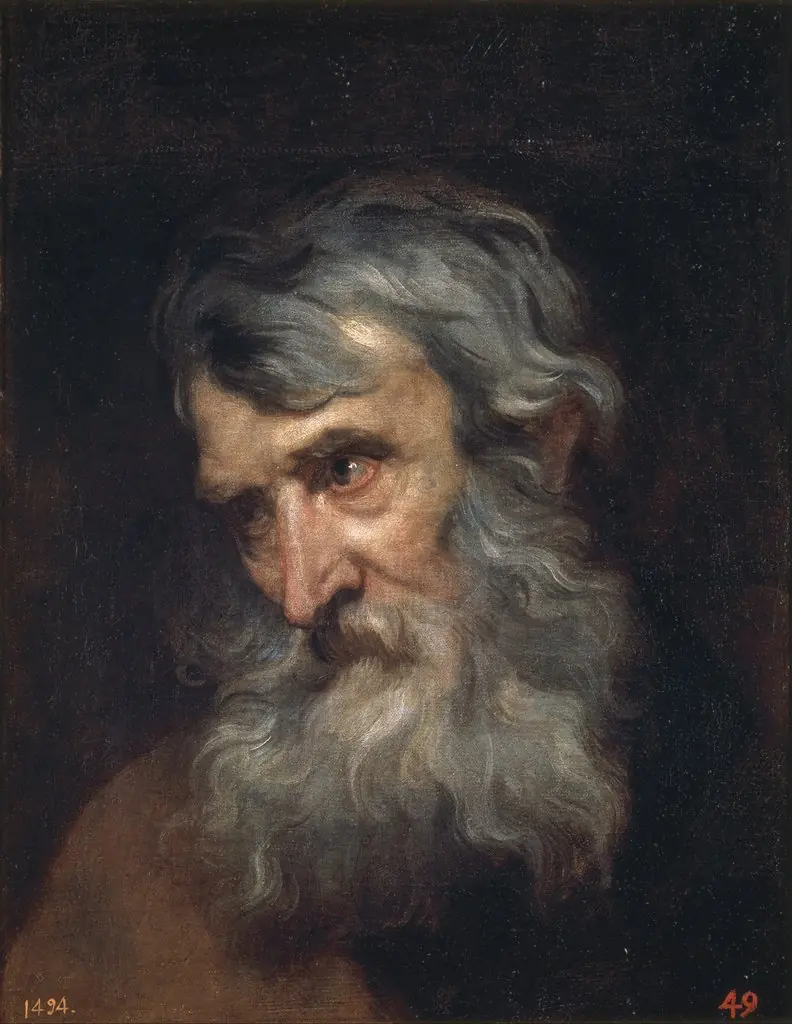
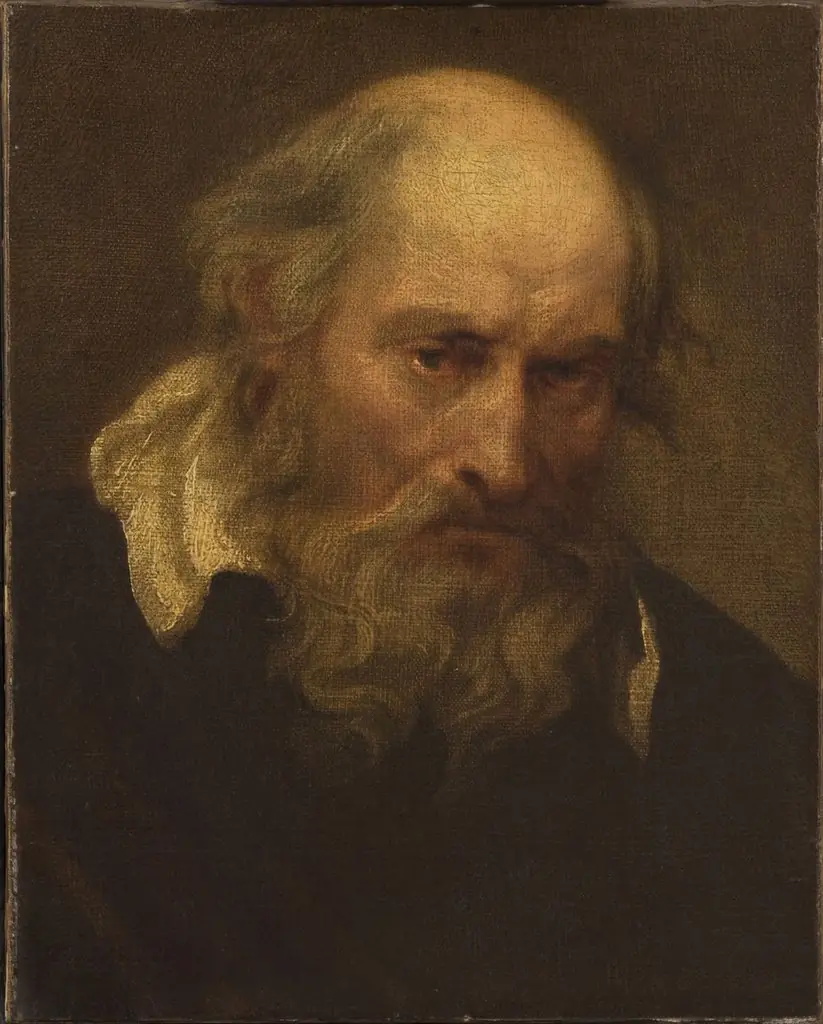
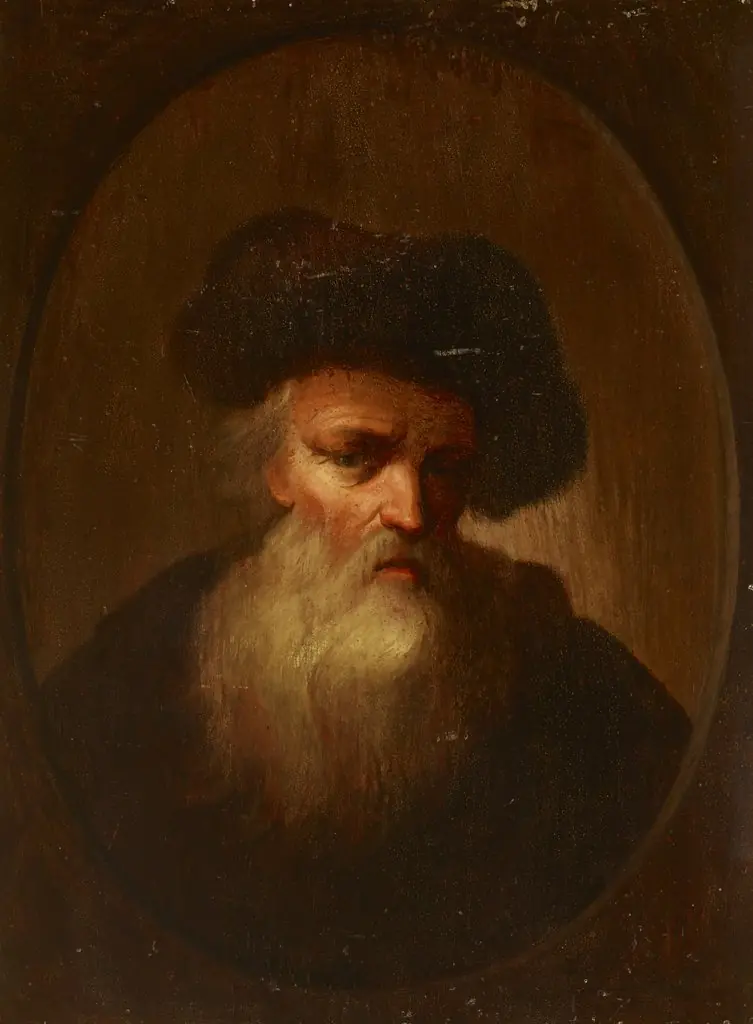
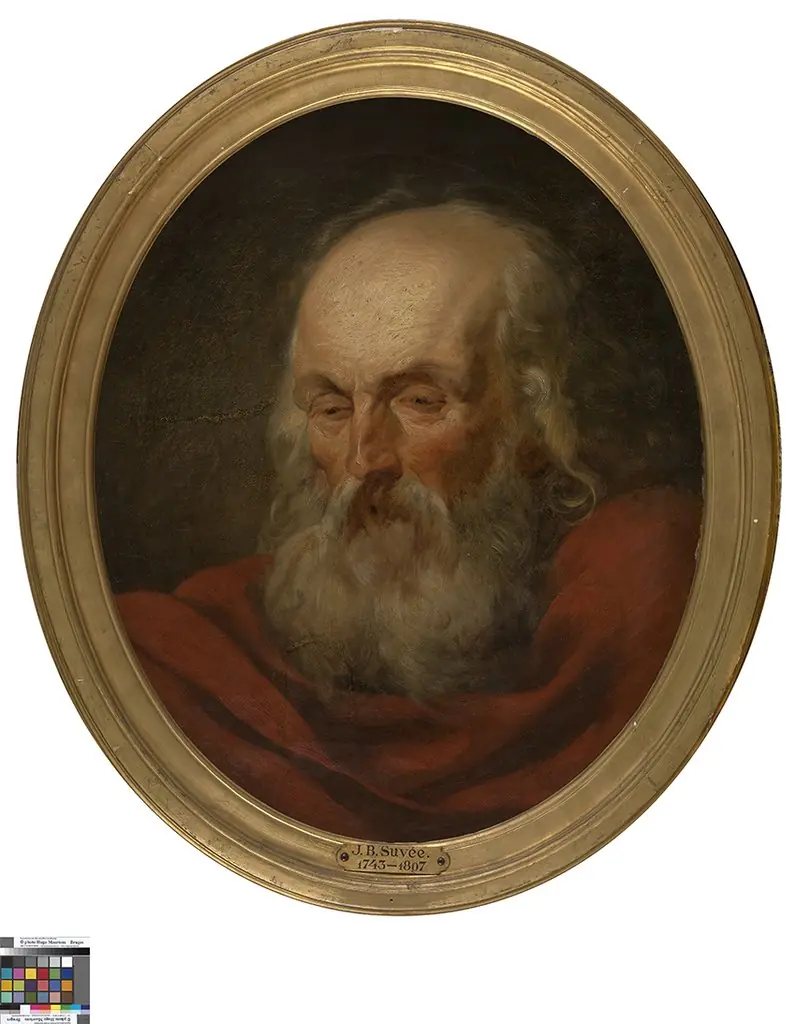
Portrait of Marek Poczobut is an oil painting by Unknown. It dates from 1800 and is held in the collection of the National Museum in Kraków. An oil painting housed at the National Museum in Kraków, this portrait depicts Marek Poczobut, an elderly man with a white beard and hair.
About this work
Overview
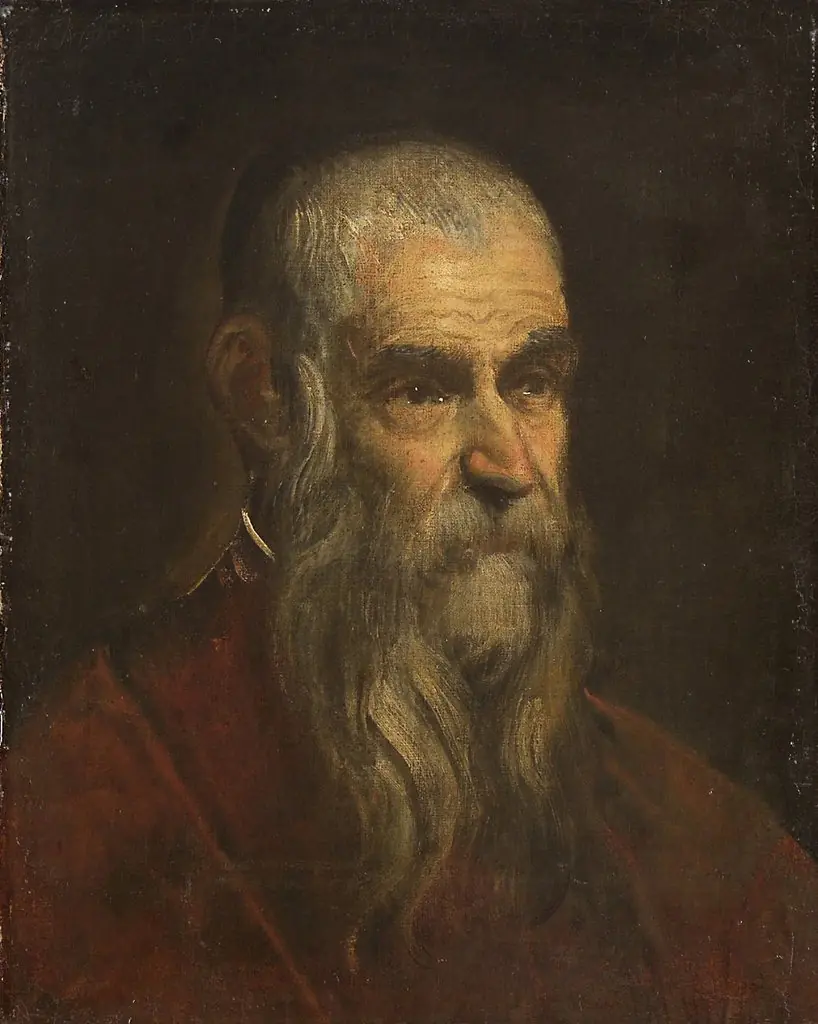
An oil painting housed at the National Museum in Kraków, this portrait depicts Marek Poczobut, an elderly man with a white beard and hair. Dressed in dark attire, he gazes to the right against a deep, unmodulated background. The composition isolates the figure, emphasizing his presence through contrast and focused detail.
Subject & Meaning
The subject, Marek Poczobut, is rendered with solemnity and quiet dignity. His furrowed brow and lined face suggest a life of experience and introspection. The absence of symbolic objects or context directs attention to his demeanor, inviting contemplation of character rather than status or narrative.
Technique & Style
The artist employs subtle chiaroscuro to model the face, using soft transitions between light and shadow to enhance three-dimensionality. Brushwork is restrained yet precise, particularly in the rendering of facial wrinkles and the texture of hair. The dark background eliminates distraction, reinforcing the portrait’s intimate, focused tone.
History & Provenance
The painting resides in the collection of the National Museum in Kraków, though its acquisition history and date of creation are not widely documented. It is attributed to a Polish artist of the late 19th or early 20th century, likely produced during a period when portraiture emphasized psychological depth over ornamentation.
Context
In the broader tradition of Central European portraiture, this work reflects a shift toward realism and emotional restraint. Unlike grand aristocratic portraits, it presents an ordinary individual with unadorned humanity, aligning with contemporary interests in individual identity and quiet dignity.
Legacy
The portrait endures as a quiet example of regional realism, valued for its unembellished observation of age and character. It contributes to the museum’s collection of intimate human studies, offering insight into how non-elite subjects were portrayed in early modern Polish art.
Artist & collection

 Domestic Scene
 Giacomo and Cardinal Marco, investing Andrea, Abbot of San Zeno, with his Benefice
 The Nymph of Fontainebleau
 Portrait of a Woman
 Madonna and Child with Saints in the Enclosed Garden
 Venus and Minerva
 Family Group of Four on Sofa
 Wall painting from Room H of the Villa of P. Fannius Synistor at Boscoreale